
Review · TAHITI
Whale watching on the preserved and quiet coast of Paea (Pk26)
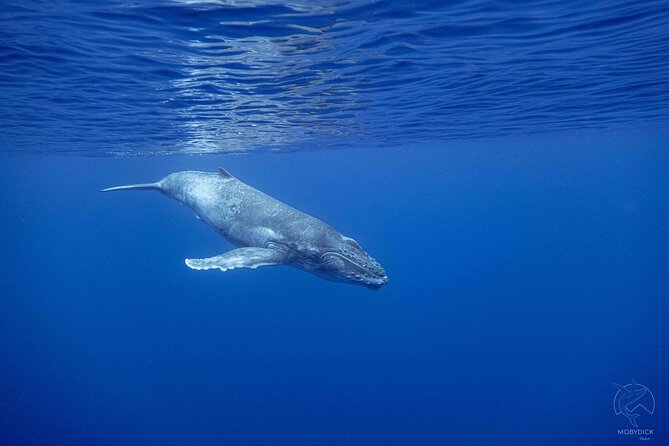
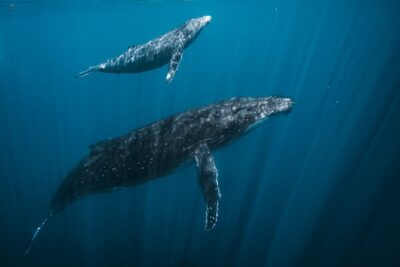
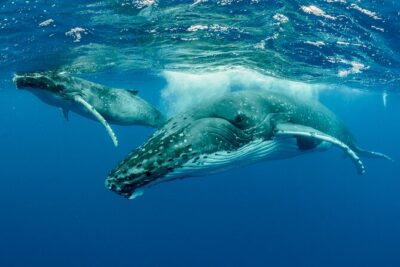
The main draw here is the chance to meet humpback whales in open water off Tahiti’s less developed southwest coast. You spend about four hours aboard the 28-foot Stenella, watching for whales, listening to male songs through an onboard system, and possibly entering the water under close supervision.
I like the small maximum group of 12 and the choice of a six-swimmer boat, a 12-swimmer boat, or a private boat. I also like the careful approach rules and the guides’ willingness to cancel swimming when conditions are not right. The catch is simple: whales are wild, sightings are not promised, and the swim requires real stamina.
Key points at a glance
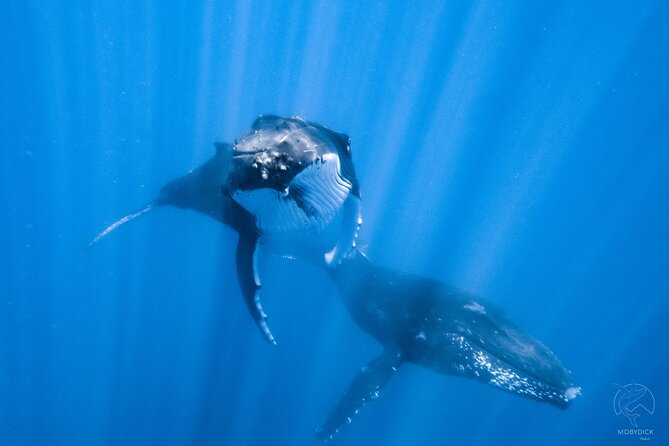
- Humpback encounters off Paea and Papara: You explore a quieter stretch of Tahiti’s coast rather than a heavily trafficked harbor area.
- Three boat choices: Book a six-swimmer boat, a boat for up to 12 swimmers, or a private boat for one to 12 people.
- Swimming is conditional: The guide decides if entering the water is safe and legal under DIREN approach rules.
- A real fitness test: You must be able to swim at least 200 meters with fins, a mask, and a snorkel.
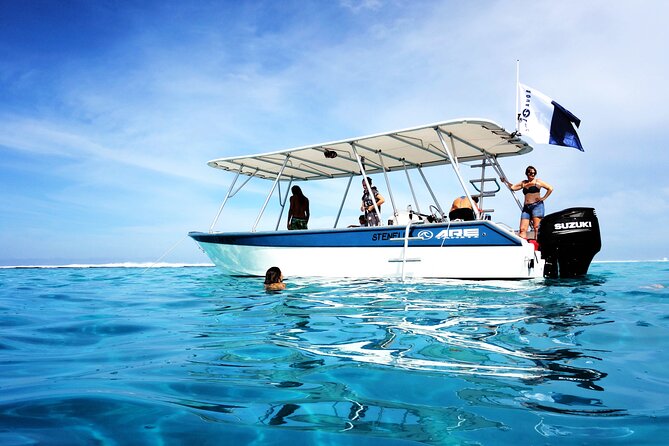
- The Stenella is compact but spacious: This modern 28-foot boat carries no more than 12 travelers.
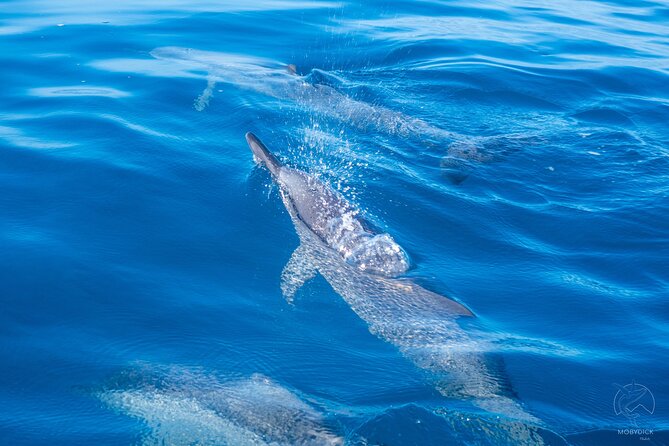
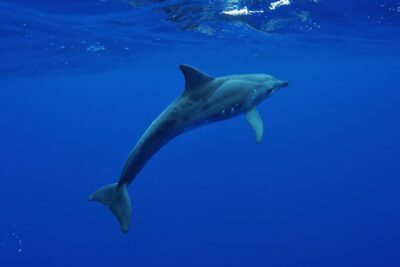
- Good wildlife variety is possible: Past outings have included humpback whales, dolphins, a gray shark, and flying fish, though none are guaranteed.
Watching humpbacks from Tahiti’s quiet southwest coast
This trip heads between Paea and Papara, an area described as relatively untouched and lightly visited. That matters because the setting feels more like a wildlife outing than a standard boat ride between busy resort zones. You leave from PK 27 in Paea and return to the same meeting point after roughly four hours.
The goal is not simply to find a whale and race over to it. Your guides watch the animals’ behavior, explain their biology, and follow the approach rules set by DIREN, French Polynesia’s regional environmental authority. That approach gives the trip a welcome sense of restraint. You may spend time waiting, changing course, or watching a whale surface rather than charging directly toward it.
The guides also use an onboard listening system that broadcasts the calls of male humpback whales. This adds something special to the outing. A whale’s back or tail may appear for only a moment, but hearing its song gives you another way to understand what is happening below the surface.
The trade-off is that nature sets the timetable. One outing may produce several whales, dolphins, flying fish, and other marine life. Another may involve a long search and only brief sightings. The operator is clear that no whale sighting is guaranteed, and you should book this as a wildlife search, not as a scheduled performance.
A few more whale trips around French Polynesia worth a look
- Swimming with Whales in Moorea (Half Day tour)
★ 4.5 · 264 reviews - Whale Tour – Observe and swim with whales
★ 5.0 · 257 reviews - Whale Watching Tours in Bora Bora
★ 4.5 · 250 reviews
What the four-hour outing is like
Your meeting point is at PK 27 in Paea. There is no pickup service, so you need to arrange your own way there. Boarding is immediate, with no office or changing room, so arrive ready to go and wear practical clothing for a boat trip.
The meeting time is not necessarily the departure time. The crew needs to hand out equipment and give a safety and whale biology briefing before leaving. One delayed departure drew criticism, but the operator explained that the scheduled time is for meeting, equipment, and preparation. That is useful to know if you have a tight plan later in the day.
Once aboard, the crew searches the waters between Paea and Papara. The modern Stenella measures 28 feet, giving you a smaller-boat experience without the cramped feeling of a large excursion vessel. The maximum group size is 12, and one option limits the number of swimmers to six, which is the better choice if your main goal is time in the water.
The exact route and amount of time spent in one area depend on whale behavior and sea conditions. If the water becomes rough or the whales move away, the captain may need to reposition the boat. One outing included a rough ride back to shore, with the captain Isabel handling the return safely. That detail is a reminder to bring sun and rain protection and to prepare for changing conditions.
The three boat options and what they mean
You can choose among three formats:
- A boat for six swimmers plus observers
- A boat for up to 12 swimmers, with rotations if more than six people want to enter the water
- A private boat for one to 12 people
The six-swimmer option is the most attractive choice for anyone focused on the water entry. A small swimming group means less waiting and less competition for the guide’s attention. It may also feel calmer when the guide is positioning people near the whales.
The 12-swimmer option costs less, according to the tour information, but it comes with a possible rotation. If more than six people want to swim, not everyone will enter at once. You may spend part of the encounter watching from the boat while another group has its turn.
The private option makes sense for a family group or friends who want control over the pace and swimming arrangements. The price will need to be checked for your party, since the listed $205.27 price is per person and private-boat pricing is not provided here.
Swimming with whales requires more than enthusiasm
The idea of swimming near a humpback is powerful, but this is not a casual snorkel stop. You must be able to swim at least 200 meters using fins, a mask, and a snorkel. The crew may also require you to move quickly enough to remain with the group and may refuse a water entry if conditions are unsuitable.
That fitness requirement deserves more attention than it often gets. One person found the swimming demands greater than the advertising suggested, describing the need to cover roughly 100 to 150 meters quickly while using a side stroke so the flippers stayed in place. The official requirement is 200 meters, so you should train for the full distance rather than treating the swim as a short float.
The guide makes the final call. Even if whales are present, swimming may not happen because of sea state, animal behavior, visibility, safety, or environmental rules. This is the right policy, but it means you should not pay for the trip expecting a guaranteed water encounter.
Children under 10 are not allowed to swim. The supplied information does not say that children under 10 cannot join the boat, so ask the operator directly if you are considering the trip for a young child. Anyone entering the water must be comfortable with fins, mask, and snorkel and should follow the guide’s instructions without hesitation.
Same water, a different way to meet the whales:
- Swim with humpback whales
★ 5.0 · 224 reviews - Humpback whale watching and marine life in Moorea
★ 5.0 · 199 reviews - Half day whale tour 4h00
★ 4.5 · 181 reviews - Private tour observing and swimming with humpback whales in Moorea
★ 5.0 · 126 reviews
Why the guide’s judgment matters
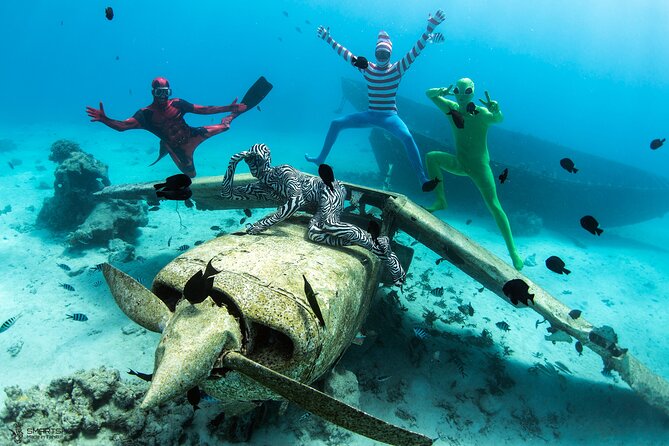
A good whale trip depends on more than spotting a blow. The guide must read the animal, judge the sea, manage the swimmers, and keep the boat at a respectful distance. Here, the guide is also responsible for deciding if the water entry follows the rules set by DIREN.
That can mean disappointment on a day when whales are visible from the boat. Still, I would take a careful no-swim decision over a rushed encounter. The rules protect both people and whales, and the operator’s stated policy makes it clear that the water entry is a privilege, not an automatic part of the outing.
The crew also gives a briefing before departure. The briefing covers safety and whale biology, and the operator says it is normally provided in English when English-speaking participants are aboard. A separate comment described the trip as being in French, so if language matters to you, confirm the briefing language before booking rather than assuming.
What you might see besides whales
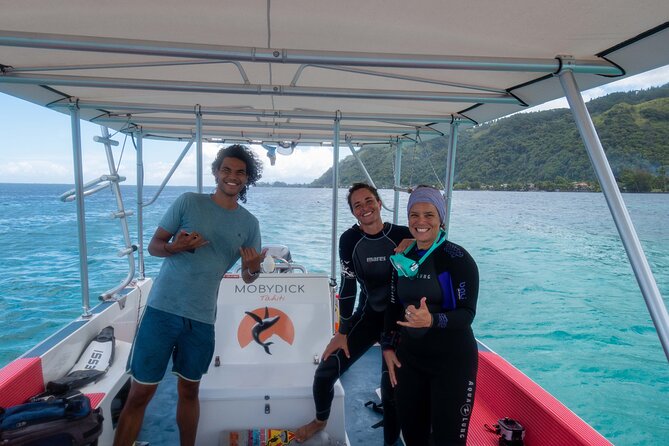
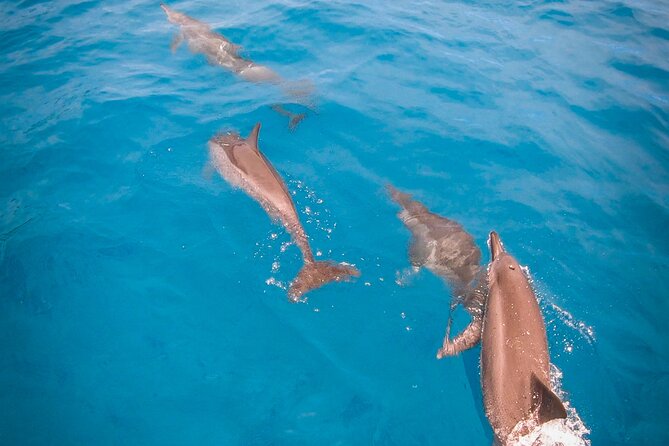
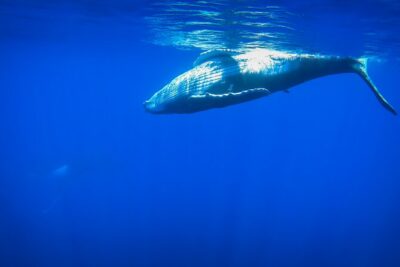
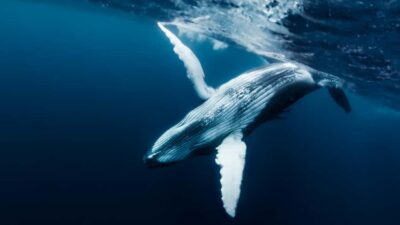
Humpback whales are the central attraction, but the ocean can provide a broader show. A late-season outing recorded four humpback whales, two pods of dolphins, a gray shark, and many flying fish. Those sightings are examples, not promises, but they show why it is worth keeping your attention on the entire sea rather than watching only for a whale blow.
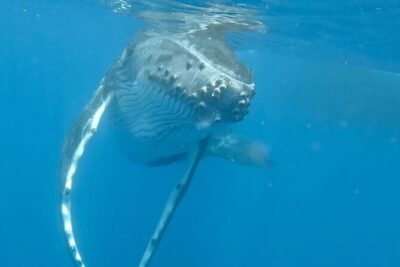
The most striking encounters may be brief. You could see a large whale surface, disappear, and reappear later. In the water, you may find yourself looking at a whale below or nearby in deep water, with no easy way to capture the moment on a camera. One person lost the chance to take photos when an underwater camera battery died before the swim.
Bring a fully charged camera if you want photographs, but keep it secondary. You may have only seconds to look, listen, and follow instructions. A waterproof phone case or camera can help, but no image is worth missing the encounter or distracting yourself from the guide.
Weather, seasickness, and what to bring
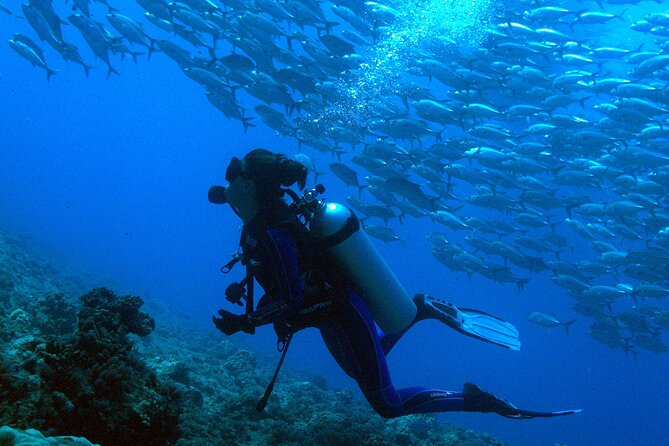
Weather can change fast around Tahiti. The operator advises sun and rain protection, and you should take that literally. A hat, sunscreen, and a light rain layer are sensible choices. Because there is no changing room, wear your swimwear under your clothes if you plan to enter the water.
The ride can become rough, especially on the return. If you are prone to seasickness, ask your pharmacist about suitable medication before the trip. Do not wait until you are standing at the boat. The supplied information does not state if medication is provided, so plan for yourself.
Snorkeling equipment is available if you do not have your own. If you already own a mask and snorkel that fit well, bringing them may make the water entry more comfortable, though the operator does not require you to provide your own gear.
Is $205.27 a fair price?
At $205.27 per person, this is not a cheap sightseeing cruise. You are paying for a four-hour wildlife search, a small modern boat, an experienced captain and guide team, equipment, whale interpretation, and the possibility of a supervised swim.
The value depends on what you want. If you only need a quick whale sighting from a boat, the price may feel high, especially on a day when the animals stay distant. If you value a smaller group, a quieter coast, environmental limits, and the chance to enter the water, the cost is easier to justify.
The six-swimmer format should offer the best experience for people who care most about swimming, while the 12-swimmer choice gives budget-minded visitors a way to join. Remember that a rotation may be needed in the larger format. A private boat can be appealing for a group of friends or family, but you will need to request the current price and availability.
This activity is often booked about 17 days ahead. That is a useful planning guide, not a guarantee, and confirmation is not instant. The operator confirms availability within 48 hours of booking, subject to space. Check real-time availability before making firm plans around it.
Who should book this Paea whale trip?
I would choose this trip if you want a serious wildlife outing and can accept uncertainty. It suits strong swimmers, people who enjoy small boats, and anyone who prefers a less developed part of Tahiti to a busier excursion setting.
It is also a good fit if you care about responsible wildlife rules. The crew may keep you out of the water, limit the approach, or spend extra time searching. Those choices can reduce the instant thrill, but they protect the animals and make the experience more responsible.
I would think twice if you need a guaranteed whale sighting, dislike open-water rides, or are not comfortable swimming 200 meters with snorkeling gear. The same applies if you have a tight schedule after the tour, since weather, preparation, and wildlife behavior can affect the timing.
Booking details worth knowing before you commit
The experience is non-refundable and cannot be changed for any reason after booking. That makes it important to check your date, transport to Paea, fitness level, and weather expectations before paying.
If poor weather causes the operator to cancel, you are offered another date or a full refund. If the minimum number of participants is not reached, you are offered another date or experience, or a full refund.
The tour ends back at the meeting point. There is no pickup service, no office, and no changing room. Bring everything you need for the boat and plan to arrive prepared for immediate boarding.
Should you book it?
Book this outing if the possibility of seeing humpbacks in open water, and perhaps swimming near them, is worth more to you than certainty. The small boat, quiet coast, onboard whale songs, and firm environmental limits give it a thoughtful shape.
Choose the six-swimmer option if water time is your priority and your budget allows. Choose the 12-swimmer option if cost matters and you can accept a rotation. If you are not a strong swimmer, book a whale-watching trip without a swim requirement instead.
For the right person, this can be one of Tahiti’s most memorable marine experiences. Just arrive ready for weather, rough water, waiting, and the possibility that the whales will remain at a respectful distance.
FAQ
Where does the whale-watching tour start?
The meeting point is at PK 27 in Paea, French Polynesia. The tour ends back at the same meeting point.
How long does the experience last?
The activity lasts approximately four hours.
Is transportation from my accommodation included?
No. The operator does not provide pickup service, so you must make your own way to the meeting point.
How many people can join the boat?
The activity has a maximum of 12 travelers. You can also choose a six-swimmer boat or a private boat for one to 12 people.
Are whale sightings guaranteed?
No. Humpback whales are wild animals, and sightings are not guaranteed.
Is swimming with the whales guaranteed?
No. The guide decides if swimming is allowed based on conditions, whale behavior, safety, and the approach rules established by DIREN.
How fit do I need to be to swim?
You must be able to swim at least 200 meters with fins, a mask, and a snorkel. The guide can refuse swimming if conditions are not suitable.
Can children under 10 swim?
No. Children under 10 years old are not allowed to swim.
What happens if bad weather cancels the tour?
You will be offered a different date or a full refund. If the minimum number of participants is not reached, you may also be offered another date or experience, or a full refund.
Just added around French Polynesia
- Tahiti, land of whales: a unique experience!★ 5.0 · 11 reviews
- Observe and Swim with Whales in Tahiti★ 4.5 · 14 reviews
- Whale Watching Activity★ 5.0 · 8 reviews
- Whale watching DE Humpback West Coast of Tahiti★ 5.0 · 3 reviews
- Whale watching DE Tahiti Peninsula★ 5.0 · 12 reviews
- Whale watching in the calm of the peninsula with Tātahi tours★ 5.0 · 6 reviews
- 4 Hours of Humpback Whale Watching in Tahiti★ 5.0 · 36 reviews
- Half Day Whale Watching in a Small Shared Group★ 5.0 · 33 reviews
Tahiti Whale Watching Tours, compared.
Guided Small Group Whale Watching and Swim Tour Tahiti
Read our review →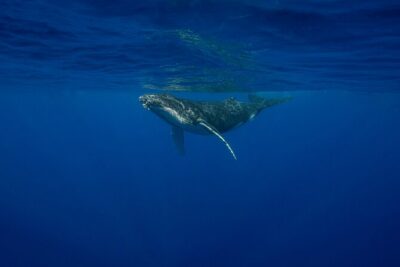
Half Day Whale Watching in a Small Shared Group
Read our review →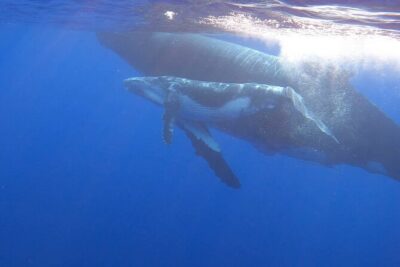
Browse the lists this tour appears in