Review · PUERTO VALLARTA
Whale Watching Adventure – Led by a Marine Biologist
Puerto Vallarta’s best feature on this outing is not just the chance to spot a humpback. It is the chance to hear one singing underwater through a hydrophone, then understand the behavior you are watching. I like the marine-biologist guides, including Cynthia, Michael, Francisco, and Maggie, and I like the small boats, capped at 14 people.
The main thing to consider is the sea. Calm water makes whale watching far easier, while a bumpy morning can leave some people queasy. Also, the official information lists a restroom onboard, but one recent account reported no bathroom on the small boat, so I would ask Ecotours Vallarta to confirm before departure and avoid drinking too much coffee.
Key points to know before you book
- Whale songs are part of the experience: A hydrophone lets you listen to marine mammals, including the calls of male humpback whales.
- The group is limited to 14 people: Smaller numbers make it easier to hear the guide and move around for views.
- The tour begins with a short lesson: You learn about humpback biology, migration, habitat, and behavior before heading onto the water.
- Sightings can be excellent: Trips have included mothers with calves, groups of competing males, breaches, fluke slaps, dolphins, sea turtles, and a manta ray.
- The boat is built for viewing: It has open sides and a canopy overhead, though open water can still be rough.
- Budget for the extra fee: A $5-per-person Ecotours Vallarta boarding fee is not included.
Starting at Ecotours Vallarta in Marina Vallarta
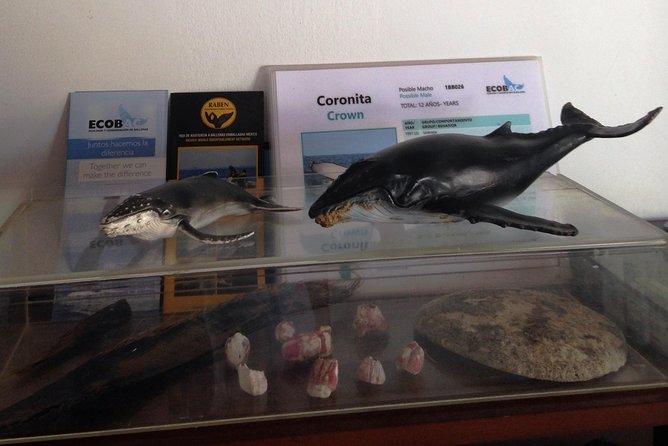
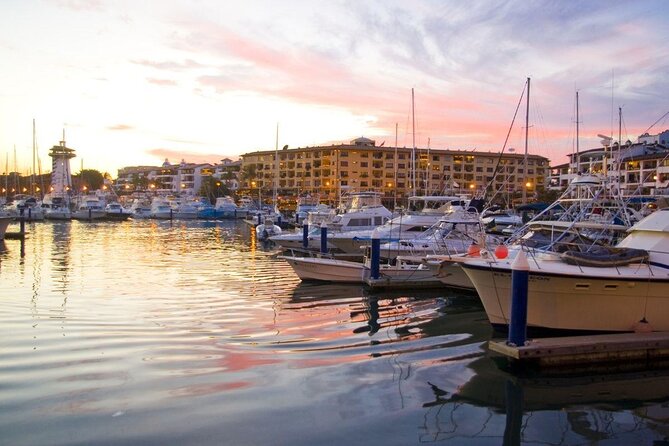
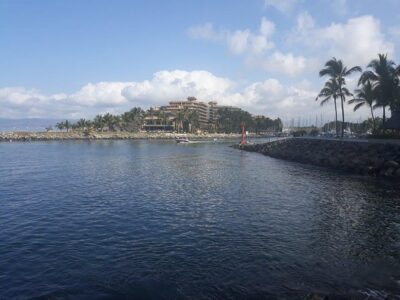
Your morning begins at 8:30 a.m. at Ecotours Vallarta, also identified as Dive ShopProa 20, in Marina Vallarta. The marina is near public transportation, and the activity ends at the same meeting point, which keeps the morning simple if you are staying in Puerto Vallarta.
There is a $5 boarding fee per person. That small extra cost is easy to overlook, so include it in your budget. The tour includes travel insurance, drinks, snacks, and the guide, but not alcoholic beverages.
I like the early start. Morning light and calmer water can make it easier to see blows and fins, and the tour returns after about three and a half hours. You still have much of the day left for lunch, a beach visit, or a stroll around the marina.
Give yourself enough time to locate the office and handle check-in. If you are joining from a cruise ship, be especially careful with timing. A missed tour caused by a late or absent ship does not qualify for a refund.
More Whale Watching with a Marine Biologist in Mexico
- Whale and Dolphin Watching with a Biologist in Puerto Vallarta
★ 5.0 · 666 reviews - SMALL GROUP Whale Watch | Cabo San Lucas | Biologist | FREE Pics
★ 5.0 · 1,106 reviews - Whale Shark snorkeling tour in a reduced group with local marine biologist
★ 5.0 · 594 reviews
The 20-minute whale lesson before the boat
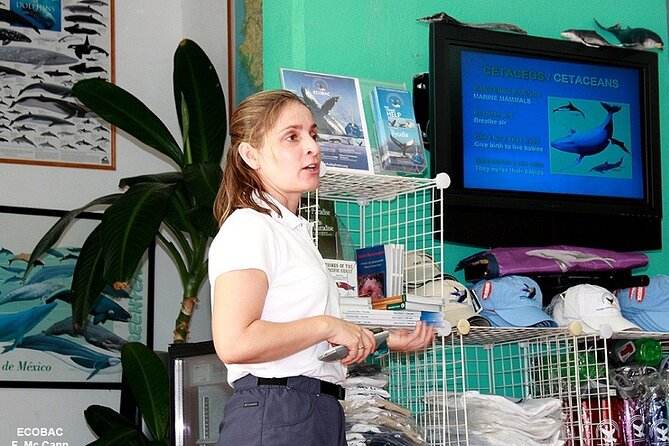
Before you go out, the staff gives a presentation on humpback biology, ecology, and behavior. A video or lecture explains the whales’ habitat, migration, and social life, giving you useful context before the first blow appears offshore.
This is not filler. Whale watching can otherwise become a game of scanning the horizon and hoping for movement. After the talk, you know to watch for more than a dramatic breach. A blow, a tail fluke, a pectoral fin slap, or a whale traveling just below the surface can all tell you something about what the animal is doing.
The guides also explain the difference between mothers with calves, escorts, and groups of males. That matters because the action can vary. One outing may bring quiet travel beside a mother and young whale. Another may offer competitive male behavior, including breaches and forceful displays.
The quality of the guide makes a real difference here. Cynthia has been singled out for clear explanations about whales, dolphins, and sea turtles. Michael and Francisco have also led the opening talk and the time on the water. The guide does more than point toward a fin. You get an interpreter who can explain what you are seeing.
Marina Vallarta to Banderas Bay
The transfer from the office to the boat is short, about 10 minutes for boarding and disembarking. Once everyone is settled, the captain takes the boat out into the bay and the guide begins looking for signs of whales.
The boat is open on the sides for viewing, with a canopy above for shade. That is a useful design for a whale watch. You get protection from strong sun without giving up the wide sightlines needed to spot a blow. A small boat also avoids the feel of a large sightseeing vessel, though the tradeoff is less room and a greater sense of movement when the water gets rough.
One account described a stable boat with life jackets for everyone. Captains named in the trip accounts include Rafael, Raphael, Martin, and Martine. Rafael in particular is often praised for spotting distant blows and moving the boat efficiently between sightings.
The captain’s job is not simply to drive quickly. A good captain must balance distance, speed, sea conditions, and responsible viewing. The strongest outings have involved stopping the engine near whales and waiting rather than chasing them. That patience can produce a much better view than constant movement.
What you may see during the three-hour cruise
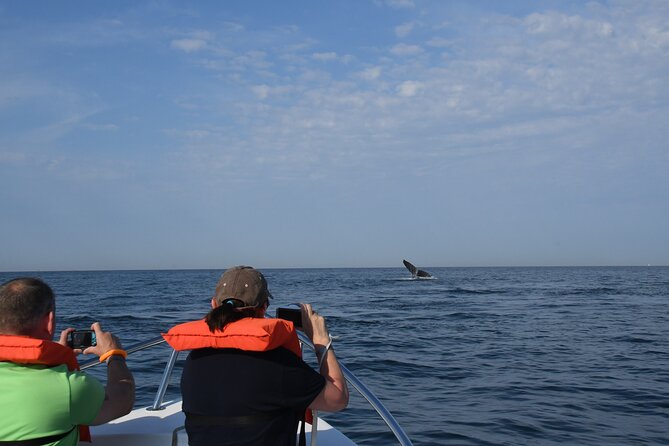
Whale sightings are never guaranteed, but this tour has produced an unusually broad range of encounters. Trips have included about nine to more than two dozen humpbacks, with several reports of 11, 15, 17, or 20-plus whales.
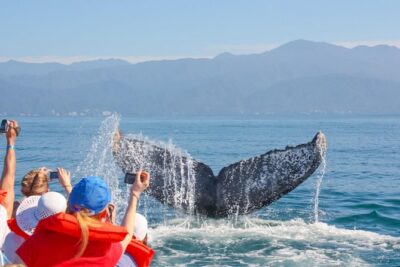
The most sought-after sightings are often mothers with calves. Young whales may remain near the surface, while an adult male escort travels nearby. You might see several whales moving together, or a group of males competing around a female. These groupings give the guide a chance to explain mating behavior and whale communication as it unfolds.
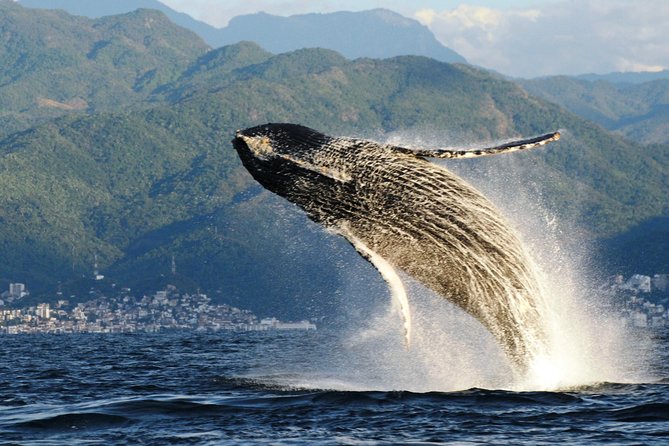
Breaching is possible, but it is not the only behavior worth watching. You may see:
- Tail flukes raised before a dive
- Head slaps and pectoral fin slaps
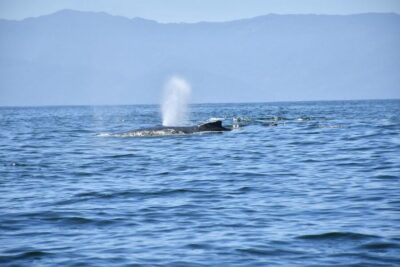
- Blows appearing in a line across the water
- Whales traveling just under the surface
- Calves staying close to adult whales
- Male humpbacks displaying around a female
- Dolphins swimming near the boat or whales
- Sea turtles and, on occasion, a manta ray
A close approach can be thrilling, but it is also unpredictable. One trip included two whales circling a stationary boat, surfacing beside it, passing underneath, and raising their heads near the edge. That kind of encounter cannot be promised, and it should not be treated as the standard. The responsible expectation is to watch wildlife on its terms.
More Trips with a Marine Biologist in Puerto Vallarta:
- Azores: Whale Watching & Islet Boat Tour w/ Marine Biologist
★ 4.7 · 2,945 reviews - São Miguel: Whale-Watching Cruise with Marine Biologist
★ 4.6 · 1,311 reviews - ZODIAC Whale Watch Tour | Cabo San Lucas | Biologist | FREE Pics
★ 5.0 · 365 reviews - Sesimbra: Arrábida Dolphin and Whale Watching with Biologist
★ 4.9 · 310 reviews
The hydrophone is the feature I would not skip
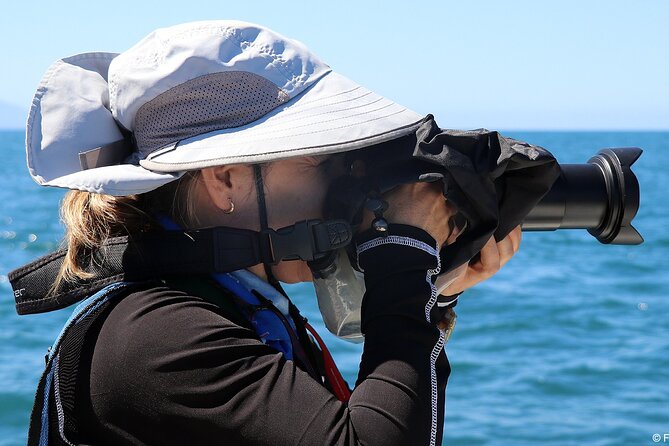
The hydrophone gives this tour a stronger educational edge than a basic boat ride. When the captain or guide places the underwater microphone in the water, you can listen to whale calls through the onboard audio system.
Male humpbacks are known for their songs, and hearing those sounds changes the experience. You are no longer watching isolated animals from above. You are listening to communication taking place below the surface, even when the whales are not especially close.
The audio may not run continuously. The guide uses it when conditions and sightings make it worthwhile. At times, a group has heard a whale through the hydrophone and then heard vocalizing without the equipment. That contrast can be striking.
You will want to keep expectations realistic. A hydrophone is not a guarantee of a loud, dramatic performance. Sea conditions, distance, and whale behavior affect what comes through. Still, it is one of the clearest reasons to choose this excursion over a standard sightseeing cruise.
Small groups, real questions, and guide quality
The maximum group size is 14 people. Some departures have been as small as eight people total, including the captain and marine biologist, while another had 11 people onboard.
That size works well for this activity. You can usually hear the explanation, ask questions, and move your attention from one side of the boat to the other without fighting for space. A small group also makes the outing feel more personal when the guide stops to discuss a particular mother, calf, or pod of dolphins.
Guide quality is the most highly praised part of the experience. Cynthia is often described as warm and clear, while Maggie is noted for being friendly and helpful. Michael and Francisco have also been praised for their whale knowledge and ability to explain behavior in plain terms.
A good guide improves the quiet moments as much as the exciting ones. If the whales are between surfacings, you still have information about migration, habitat, anatomy, and marine life in the bay. That makes the trip a better fit for someone who wants learning as well as photographs.
Food, drinks, comfort, and motion on the water
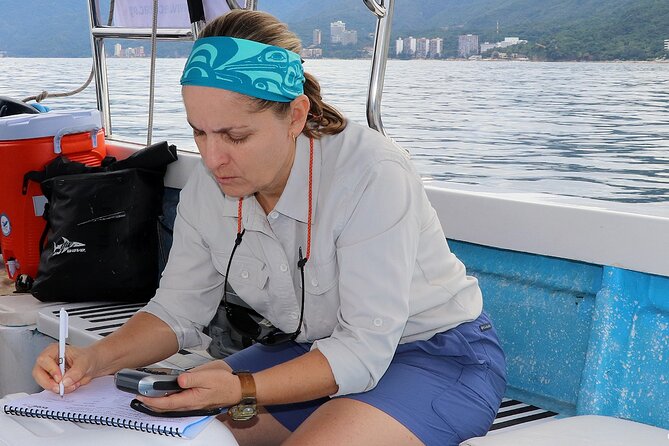
The tour provides coffee or tea, refilled water, soft drinks, a light bite, and granola bars. That is enough for a morning outing, though you should not expect a full breakfast. Eat something before arriving if you tend to feel ill on boats, but avoid a heavy meal.
One account described a rougher day when several people became nauseous. The crew had ginger available, which helped. If you are sensitive to motion, bring any medicine you normally use and choose a light breakfast. The water can be calm, but no whale watch can promise that.
The canopy is valuable in Puerto Vallarta’s strong sun. Even on a mild morning, you will spend hours exposed to glare reflected from the water. Bring sunglasses, sun protection, and a layer you can remove. The provided water is useful, but I would still arrive hydrated without overdoing drinks if the restroom situation is important to you.
The official tour details list a restroom onboard. However, one direct account from a small-boat departure said there was no bathroom. Because those details conflict, confirm the current boat setup when you book. This is a minor point for many people, but a major one for families with young children or anyone who is uncomfortable being on open water without facilities.
Who will get the most from this Puerto Vallarta whale watch
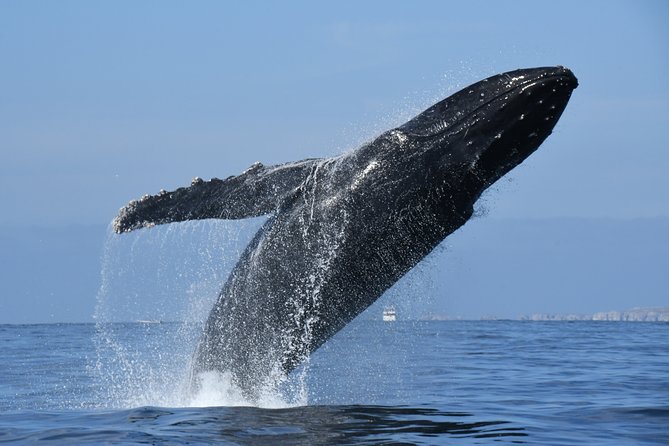
I would choose this experience if you want more than a quick photograph of a whale. The lecture, marine biologist, and hydrophone give the morning a clear purpose. Families with older children can turn it into a practical science lesson, while couples and wildlife fans will appreciate the chance to sit quietly and listen.
It is also a good choice if you dislike crowded boats. The 14-person limit is modest, and several departures have been smaller. You still need to accept that a small boat has less room than a large catamaran and may feel the motion more directly.
Young children must be accompanied by an adult, and the tour is not recommended for children age two and under. Most people can participate, but anyone with strong motion sensitivity should think carefully about the boat ride.
English is the listed tour language. If you need to discuss dietary needs, provide that information when booking. The included food is light, so specific requirements matter more if you cannot rely on coffee, granola bars, or a simple snack.
Is the experience good value?
The tour price itself is not provided in the available details, so I cannot give you a precise cost comparison. I can assess what you receive for the fee: about three and a half hours, a professional guide, a marine biologist-led lesson, a small group, onboard refreshments, travel insurance, and the hydrophone.
That package offers more than a basic boat trip. The educational opening and underwater audio are useful even if the whales stay distant. When sightings are strong, the small group and active captain add value because you can spend more time watching rather than waiting behind a large crowd.
You should also account for the $5 per-person boarding fee. It is not a serious expense, but it means the advertised tour price is not the full out-of-pocket total. Alcohol is not included, though that is hardly a drawback on a morning wildlife outing.
The value depends partly on your priorities. If you only want a short ride and a guaranteed close encounter, no whale watch can meet that promise. If you want a careful, educational trip with expert interpretation, the package is easier to justify.
Booking, cancellation, and weather details
You receive confirmation at booking unless you reserve within one day of departure. Last-minute reservations are confirmed as soon as possible, subject to availability.
Free cancellation is available up to 24 hours before the start time. Inside that window, changes and refunds are not accepted. The tour also depends on good weather and a minimum number of participants. If poor weather or low enrollment cancels the trip, you are offered another date, another experience, or a full refund.
That policy makes travel insurance and schedule planning worth noting. Do not book this as a tight connection before another major activity. Leave room in your Puerto Vallarta plans in case weather affects the departure.
Should you book this whale watching tour?
I would book it if you value expert explanation, whale songs, and a small boat more than a guaranteed spectacle. The strongest features are the marine biologists, the hydrophone, the compact group, and captains who know how to position the boat without turning the outing into a chase.
I would hesitate only if you are highly prone to seasickness, need a confirmed onboard restroom, or have a schedule so tight that a weather change would cause trouble. Ask about the current boat and bathroom setup before paying, then arrive ready for sun, motion, and wildlife that sets its own timetable.
For most people who want a thoughtful whale watch in Puerto Vallarta, this is a strong choice. You may see a mother and calf, a group of showy males, dolphins, or a breaching humpback. Even when the show is quieter, you will have the biology lesson and the underwater sound of whales to make the morning worthwhile.
FAQ
How long is the whale watching experience?
The activity lasts approximately 3 hours and 30 minutes, including the presentation, boat trip, boarding, and return to the meeting point.
Where does the tour begin and end?
It begins and ends at Ecotours Vallarta, at Dive ShopProa 20 in Marina Vallarta, Puerto Vallarta, Jalisco, Mexico.
What time does the tour start?
The scheduled start time is 8:30 a.m.
Is the tour offered in English?
Yes. English is the listed tour language.
What is included in the tour?
The tour includes a professional guide, travel insurance, coffee or tea, refilled water, soft drinks, a light bite, granola bars, a hydrophone system, and a lecture about humpback whales.
What happens if bad weather cancels the tour?
If poor weather cancels the activity, you are offered a different date or a full refund. The same options apply if the minimum number of participants is not reached.
Just added around Puerto Vallarta
- Whale Watching Guaranteed Experience in Puerto Vallarta★ 5.0 · 7 reviews
- Whale watching tour★ 5.0 · 12 reviews
- Whale watching★ 4.0 · 6 reviews
- Whale Watching Guaranteed Experience in Puerto Vallarta★ 5.0 · 156 reviews
- Whale Watching Experience in Puerto Vallarta★ 5.0 · 8 reviews
- Whale Watching and Los Arcos 5 Islands Adventure★ 5.0 · 32 reviews
- Whale Watching Experience – 4 Hours in Puerto Vallarta★ 5.0 · 9 reviews
- Whale Watching Experience★ 4.5 · 186 reviews
Puerto Vallarta Whale Watching Tours, compared.
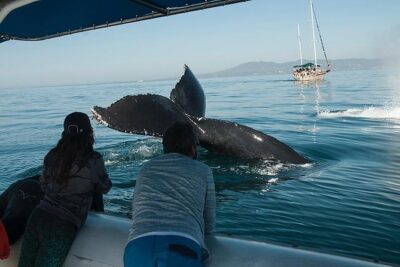
Whale and Dolphin Watching with a Biologist in Puerto Vallarta
Read our review →
Sunsets and Whales Mega Yachts ALL INCLUSIVE: Puerto Vallarta
Read our review →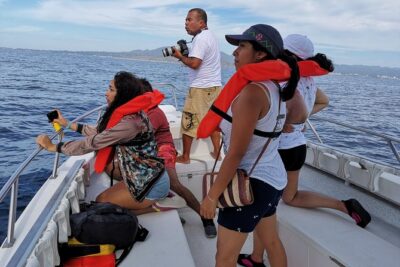
Whale Watching Cruise In Puerto Vallarta & Nuevo Vallarta
Read our review →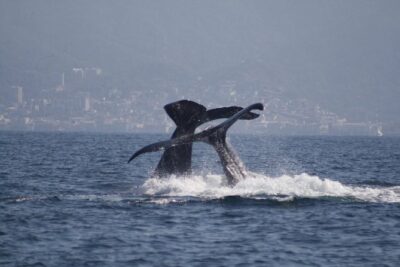
Small-Group Half-Day Whale-Watching Tour in Puerto Vallarta
Read our review →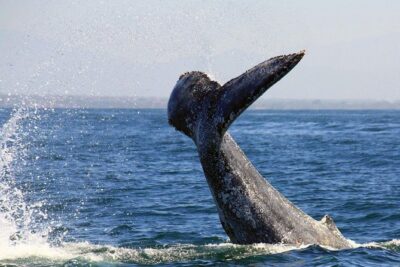
Whale & Dolphin Watching Cruise in Puerto Vallarta All Inclusive
Read our review →