
Review · LA PAZ
Whale Shark snorkeling tour in a reduced group with local marine biologist
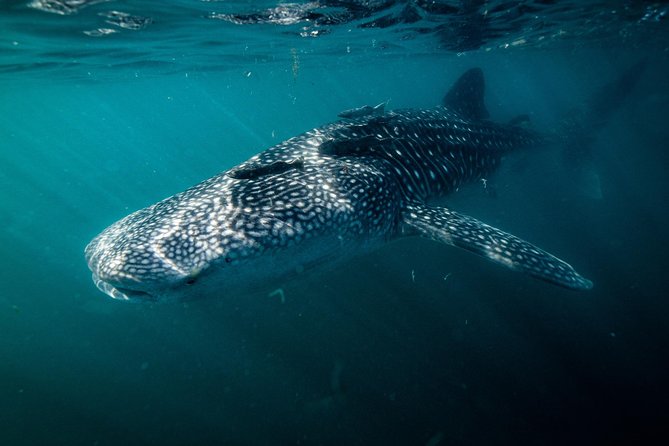
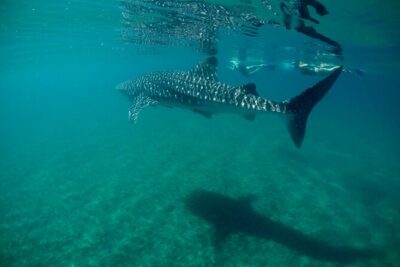
La Paz gives you a rare chance to swim beside whale sharks, the ocean’s largest fish, in their natural feeding area. The best part is the close, quiet encounter: you float at the surface while a huge spotted animal glides past, often with its mouth open to filter food. Marine biologists such as Angel, Carla, and Karen add real meaning to the experience, explaining how to behave around the sharks and helping you keep pace.
I like two things here. First, the group is kept small, with a maximum of eight people listed for the experience, so you are not lost in a crowd. Second, the price includes the practical extras that can add up elsewhere: a wetsuit, mask, snorkel, fins, conservation donation, permits, insurance, refreshments, and GoPro photos and video. The main catch is that weather and wildlife control the day. The harbor can close, the water can turn choppy, and no one can promise perfect visibility or a certain number of sharks.
Key points at a glance
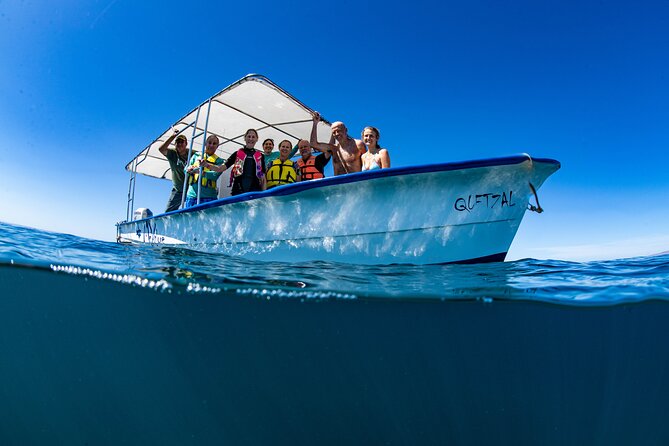
- Small groups keep the swims personal: The boat carries no more than eight people, with some outings divided into groups of three or four in the water.
- A marine biologist leads the safety talk: Guides explain surface-snorkeling rules, animal protection, and how to move with the whale sharks.
- You may get several water entries: Many outings include three turns, but the length of each swim depends on the sharks and the assigned time window.
- Good equipment is supplied: You receive a 3mm shorty wetsuit, mask, snorkel, fins, and the option to use a life jacket.
- The price covers useful extras: Permits, a conservation donation, insurance, snacks, soda, water, and GoPro footage are included.
- Weather can cancel the trip: Wind and rough seas are serious concerns from November through March, so keep a backup plan.
Why La Paz is a strong place for whale shark snorkeling
This is not an aquarium visit or a staged animal encounter. The whale sharks remain wild, and that fact shapes the whole day. You may see one animal, several animals, or spend time searching before the first sighting. Conditions can also change the quality of the experience, with visibility ranging from clear to murky.
The whale sharks are gentle filter feeders, but their size is startling. A shark measuring 14 feet or more can pass close enough to make the boat feel very small. You are not chasing a dangerous predator, yet you are still sharing open water with a powerful wild animal. That mix of calm and scale is what makes the outing memorable.
La Paz’s bay can be calm, but a calm bay does not guarantee a smooth ride. Some days bring moderate chop, and high winds can close the harbor to every boat tour. If you get seasick, take the boat ride seriously. One person found a motion-sickness tablet helpful before departure, though medication choices are personal and should be discussed with a medical professional.
More Whale Shark Snorkeling in Mexico
- Intimate Eco-Friendly Whale Shark Encounter – Premium Service
★ 5.0 · 392 reviews - Whale Shark Swim Adventure in La Paz
★ 4.5 · 154 reviews - Whale Shark Adventure with a Marine Biologist
★ 5.0 · 100 reviews
Meeting at Topete 125 in central La Paz
The tour begins at Topete 125, Zona Comercial, 23000 La Paz. You arrange your own way to the meeting point, since transportation to and from the attraction is not included. The activity returns to the same place after roughly three hours.
The meeting time can change. The whale shark zone allows only 14 boats at a time, and boats receive assigned turns. The requested turn is usually granted, but not always. A later assignment may shift your start time, so keep the morning or afternoon flexible and make sure the phone number or email you provide can reach you while you are in La Paz.
That scheduling rule is more than a nuisance. Limiting boats reduces pressure on the animals and helps prevent a free-for-all around each shark. It also means your precise timetable is not entirely in the operator’s hands.
What the boat ride and briefing are like
You board a small panga, rather than a large sightseeing vessel. That keeps the outing simple and close to the water, but it also means less shelter and fewer comforts. One rating specifically criticized the boat, while several others described it as clean and easy to ride. If you want a plush vessel, this is not that kind of excursion. If you value a small, practical boat that can position near the animals, it makes sense.
The ride to the whale shark area can take about 45 minutes, and one outing took close to an hour to find a shark. Use that time well. Your guide explains the rules before anyone enters the water, including the ban on freediving. Federal regulations require surface snorkeling only, so do not plan to duck down beneath the sharks.
The briefing also covers distance, movement, and safety. You are expected to avoid touching the animals and to follow the guide’s directions. The captain keeps the boat at a respectful distance, then positions it close enough for you to swim toward the shark. That balance matters: the goal is a close look without turning the encounter into a pursuit.
Entering the water in small groups
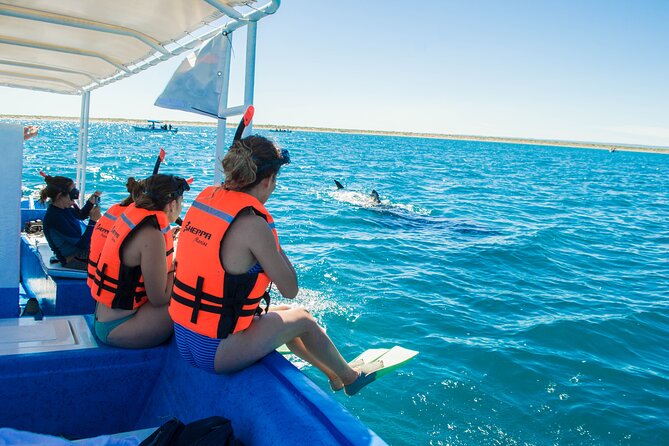
The boat may divide eight or nine people into small groups, often three or four at a time. The guide enters with you and points out the whale shark’s position, helping you stay alongside it. This is especially useful because the animals can move faster than you expect.
You should be comfortable swimming at a moderate level. The guide can help people who need extra support, and one outing included a guide taking a weaker swimmer by the hand. Still, this is active snorkeling. You may need to kick hard to keep up, especially when a shark moves forward instead of feeding in one place.
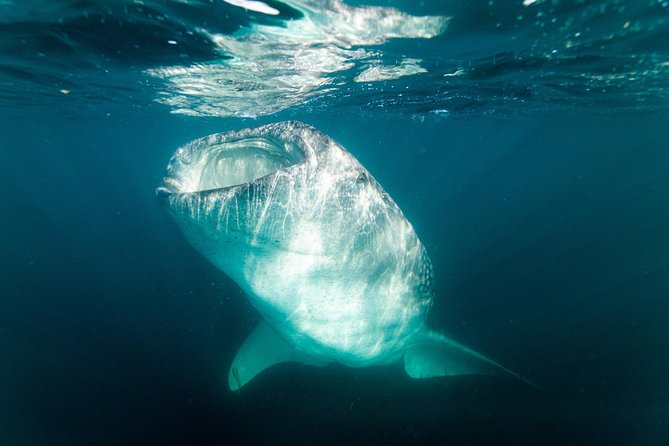
Some sharks feed vertically, with their mouths wide open. Those moments are easier because you can watch from the surface instead of swimming after the animal. On other turns, the shark may disappear quickly. Wildlife does not follow a schedule, and a short first entry may count differently from a longer one.
Many outings provide several chances to enter the water, often three turns per group. One group had a swim lasting about 20 minutes, while another outing had a very brief first attempt because the shark vanished. The time available depends on the animal, the official window, and how the guide and captain manage the rotation.
This is one area where you should set realistic expectations. The operator aims to give each group a fair chance, but the assigned observation period is limited. A small-group trip improves your odds of getting water time, but it cannot guarantee equal minutes for every person on every day.
More Whale Watching and Snorkeling Trips in Mexico
- La Paz Whale Shark & Sea Lion Snorkeling + Balandra Tour
★ 5.0 · 78 reviews - Snorkel Tour with Whale Shark in La Paz
★ 5.0 · 60 reviews - Whale sharks and sea lions snorkeling plus Balandra beach lunch
★ 5.0 · 53 reviews - Snorkel with Whale Sharks in La Paz
★ 5.0 · 42 reviews
The marine biologist makes the encounter better
The guide is not just there to point at a fin. The strongest part of the outing is the explanation of the whale sharks and the rules for protecting them. Guides named in the supplied information include Angel, Carla, Karen, Maria, and Michelle, though your actual guide will depend on the date.
Angel is repeatedly described as patient in the water and clear during the safety briefing. Carla is also noted for her facts about the animals and her calm help with equipment and snorkeling. Maria is identified as a marine biologist, and another guide is described as holding a PhD in the field. These details matter because you are learning how to read the animal’s movement, not simply waiting for a photo opportunity.
The guides also watch the people in the water. They direct you toward the shark, help you keep a safe distance, and make sure you do not fall behind. That makes the experience more accessible to someone who is nervous, provided you meet the moderate fitness requirement and can manage surface snorkeling.
You should still follow instructions closely. The federal rules prohibit freediving, and the whale sharks must be treated as wild animals. The guide may encourage you to get as close as regulations allow, but that does not mean touching, blocking, or chasing the shark.
Equipment, snacks, and the practical extras
The included 3mm shorty wetsuit is useful for warmth and flotation, especially in cooler months. You also receive a mask, snorkel, and fins. Several outings had equipment in good condition, with sizes available for both small and very large feet. You can use a life jacket if you prefer, though it may change how freely you move in the water.
Bring your own towel. Pack a sweatshirt or warm layer too, and treat that as essential from November through March. After snorkeling, the boat ride can feel cool even on a sunny day. You also need biodegradable sunscreen, since standard products can harm marine areas.
Light refreshments, soda, and water are included. Think of these as useful snacks after the swims, not a full meal. The value is in the equipment and permits, not in expecting a catered lunch.
GoPro photos and videos are sent by email in two to three days. This is a welcome inclusion, especially when handling a camera in the water can distract you from the animal. The quality depends on visibility and the day’s conditions. Several people still preferred bringing a personal GoPro, while another person found that the murky water made personal footage less useful. I would treat the included footage as a pleasant record, not a guaranteed professional film.
The conservation rules are part of the value
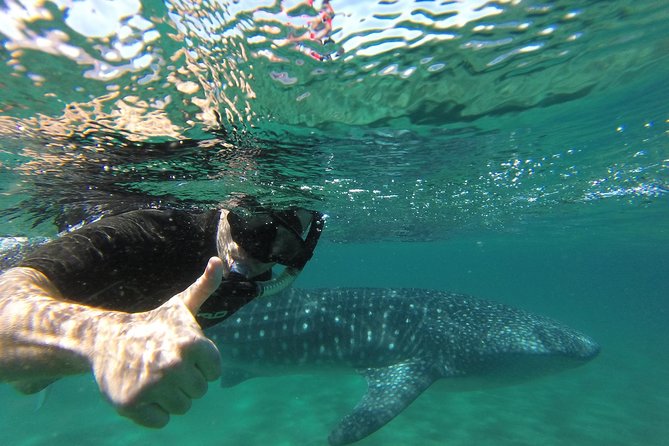
The price includes federal permits and a donation for whale shark conservation. That gives you more than a legal ticket to enter the zone. It supports a system designed to limit boat numbers and control how people approach the sharks.
The one-boat-per-shark practice described during some outings also helps reduce crowding. Instead of several boats converging on one animal, your captain works to keep a respectful distance while giving you a clear route into the water. This does not remove all waiting or uncertainty, but it makes the encounter feel more responsible.
The rules can seem strict when you are excited. No freediving, no touching, and no careless approach. Those limits protect the whale sharks and give you a better chance of seeing natural behavior, such as surface feeding.
How much value you get for $190.77
At $190.77 per person, this is not a budget half-day activity. The price makes more sense when you count what is included: a certified captain and guide, a marine biologist, wetsuit and snorkeling equipment, federal permits, a conservation donation, insurance, snacks, water, and GoPro media.
You are also paying for a limited-capacity experience. A larger, cheaper boat might reduce the price, but it could also mean more people competing for water time and less direct help from the guide. Here, the small group is the main value.
The price is harder to justify if weather cancels the trip or the sharks remain distant. That risk cannot be removed because the animals are wild and the bay may close. The operator offers a different date or a full refund when poor weather causes cancellation, which protects your money but not the time in your holiday.
Book early if this is a priority. The activity is commonly reserved well ahead, with an average booking lead time of about 49 days. It is also wise to schedule it early enough in your La Paz stay to allow a second plan if wind cancels the outing.
Weather, cancellations, and the best season strategy
Bad weather is the biggest practical issue. The operator may know one to two days ahead that conditions are unsafe, and sometimes warnings arrive several days before the scheduled date. High winds can close the harbor officially. Rough water can make the ride uncomfortable even when the tour still operates.
January, February, and March deserve special planning because wind-related cancellations may affect your schedule. These months also call for warm clothes after the swim. Do not place this tour on the final morning of a short visit unless you are comfortable losing the activity.
If the company cancels for poor weather, you can choose another date or receive a full refund. If you cancel, the stated policy allows a full refund when you cancel at least 24 hours before the start time. Cancellations made inside that window are not refundable.
The operator’s communication is a real advantage here. Keep checking your email and phone. A schedule change caused by the boat rotation or a weather decision is much easier to handle when you see it promptly.
Who should book this whale shark tour?
I would choose this for someone who wants an animal encounter with strong guidance and a small group. It suits confident swimmers, curious first-timers who can manage surface snorkeling, couples, solo visitors, and families with older participants who meet the physical requirements.
It is less suitable if you want a guaranteed number of sharks, crystal-clear water, long uninterrupted swims, or a luxury boat. It also is not appropriate for people who are pregnant or have heart, neck, or breathing problems, according to the stated safety restrictions.
Bring a towel, warm layer, biodegradable sunscreen, and a flexible attitude. Expect a small panga, a safety lesson, a search for the animals, and several possible water entries rather than a fixed show.
Should you book it?
I would book this tour if swimming with whale sharks is a top La Paz goal and you value careful animal rules, a small group, and a marine biologist in the water. The included gear and footage make the $190.77 easier to accept, and the guides appear focused on both safety and conservation.
I would not book it as your only major plan if your schedule cannot absorb a weather cancellation. Give yourself a backup day, monitor messages, and accept that wildlife may offer a spectacular 20-minute encounter or a much shorter glimpse. With those limits in mind, this is a strong choice for a close, respectful look at one of the sea’s most remarkable animals.
FAQ
How long does the whale shark tour last?
The activity lasts approximately three hours, including the boat ride, briefing, snorkeling, and return to the meeting point.
Where does the tour start?
It starts at Topete 125, Zona Comercial, 23000 La Paz, B.C.S., Mexico, and returns to that same meeting point.
How many people can join the tour?
The activity has a maximum of nine people listed in the additional information, while the main small-group description specifies no more than eight. The boat may divide the group into smaller teams for water entries.
Is snorkeling equipment included?
Yes. The tour provides a 3mm shorty wetsuit, mask, snorkel, and fins. A life jacket may also be used in the water.
Is a marine biologist included?
Yes. A certified guide leads the activity, and the guides described for this experience include marine biologists such as Angel, Carla, Karen, Maria, and Michelle.
Can I freedive with the whale sharks?
No. Federal regulations allow surface snorkeling only, and freediving is not permitted.
What should I bring?
Bring a towel, a sweatshirt or other warm clothes, and biodegradable sunscreen. Warm layers are especially important from November through March.
Are photos and videos included?
Yes. GoPro photos and videos are included and are normally sent two to three days after the tour. Image quality depends on the conditions that day.
Can the tour be canceled because of weather?
Yes. Strong wind, rough seas, or an official harbor closure can cancel the activity. You will be offered another date or a full refund if the operator cancels for poor weather.
What is the cancellation policy if I change my plans?
You can cancel for a full refund up to 24 hours before the experience starts. Changes or cancellations made less than 24 hours before the start time are not accepted for a refund.
More Whale Shark Snorkeling Trips in La Paz
- Experiences with whale sharks in La Paz
★ 4.5 · 36 reviews - Whale Shark & Sea Lion Snorkeling Picnic at Espiritu Santo Island
★ 4.5 · 20 reviews - 3 Hours La Paz Whale Shark First Class Snorkeling Tour
★ 4.5 · 8 reviews - Swim with Whale Shark from La Paz
★ 4.0 · 7 reviews
More Whale Watching with a Marine Biologist in Mexico
- Whale Shark Swimming Adventure: Small Group with Marine Biologist
★ 4.5 · 50 reviews - Gray Whale Watching Tour with Marine Biologist and Small Group
★ 5.0 · 37 reviews - SMALL GROUP Whale Watch | Cabo San Lucas | Biologist | FREE Pics
★ 5.0 · 1,106 reviews - Whale and Dolphin Watching with a Biologist in Puerto Vallarta
★ 5.0 · 666 reviews
Just added around La Paz
- Whale sharks and sea lions snorkeling plus Balandra beach lunch★ 5.0 · 53 reviews
- Swim with Whale Sharks #1 MUST DO IN LA PAZ★ 4.0 · 6 reviews
- Whale Shark Swim Adventure in La Paz★ 4.5 · 154 reviews
- Whale Shark Snorkeling in La Paz★ 3.5 · 3 reviews
- Experiences with whale sharks in La Paz★ 4.5 · 36 reviews
- Whale Shark Adventure with a Marine Biologist★ 5.0 · 100 reviews
- Swim with Whale Shark from La Paz★ 4.0 · 7 reviews
- Sea of Cortez Combo: Whale Sharks, Sea Lions & Balandra Beach★ 5.0 · 7 reviews
La Paz Whale Watching Tours, compared.
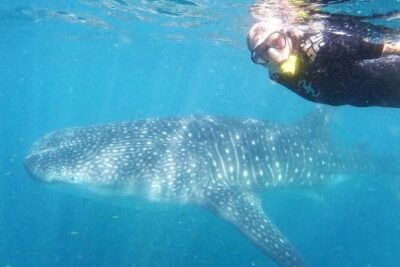
Intimate Eco-Friendly Whale Shark Encounter – Premium Service
Read our review →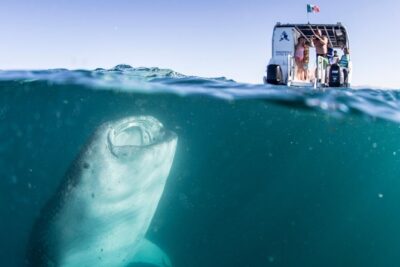
La Paz Whale Shark & Sea Lion Snorkeling + Balandra Tour
Read our review →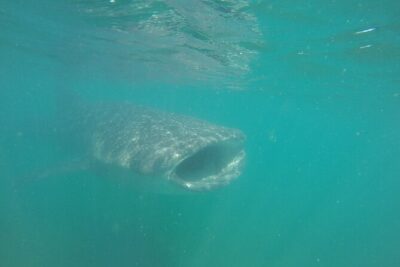
Whale sharks and sea lions snorkeling plus Balandra beach lunch
Read our review →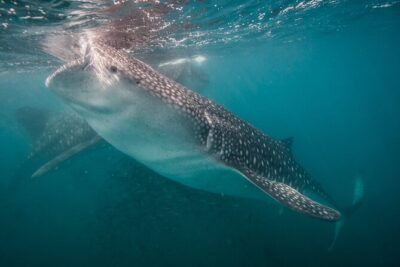
Whale Shark Swimming Adventure: Small Group with Marine Biologist
Read our review →Browse the lists this tour appears in