Review · PUERTO VALLARTA
Whale and Dolphin Watching with a Biologist in Puerto Vallarta
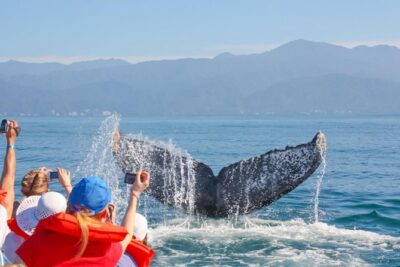
Puerto Vallarta’s winter whales are not a sideshow at a marine park. They are wild humpbacks arriving to mate and give birth, and this four-hour boat trip with a biologist puts their behavior at the center of the experience. You may see mothers with calves, males competing for a female, dolphins traveling nearby, and whales breaking the surface only a few yards from the boat.
I especially like the small-group format, with boats often carrying around 12 to 16 people and a maximum of 20. I also like the research angle: your sightings help support whale and dolphin studies, while a hydrophone can let you hear the animals underwater. The main caution is simple: this is open-water wildlife watching, so sightings and sea conditions can change. The operator offers a refund if poor weather cancels the trip, but nature itself does not follow a timetable.
Key points to know before booking
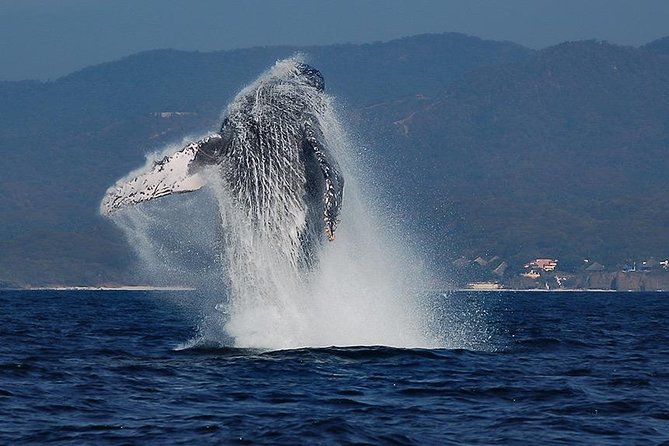
- Winter humpback season: Whales come to Puerto Vallarta to mate and give birth, making mothers and calves a major part of the experience.
- Biologist-led interpretation: Guides including Jemma, Gema, and Camilla explain whale communication, parenting, movement, and behavior as you watch.
- Hydrophone listening: You may hear whale songs beneath the boat, not just see backs and tails above the water.
- More than whales: The outing can include bottlenose, spotted, spinner, and rough-toothed dolphins, plus turtles and giant manta rays.
- Research participation: Your observations contribute to whale and dolphin research programs run by the provider.
- Small covered boat: The vessel gives you a close view and protection from strong sun, though there is no bathroom on board.
Why this Puerto Vallarta whale trip feels different
Many whale excursions are built around getting you to the animals and back. This one adds a field-research lesson to the outing. Before you leave the marina, the guide gives an educational introduction to the local whales and marine life. You might handle a piece of baleen, examine a model or example of whale vertebrae, and learn what to watch for when a humpback surfaces.
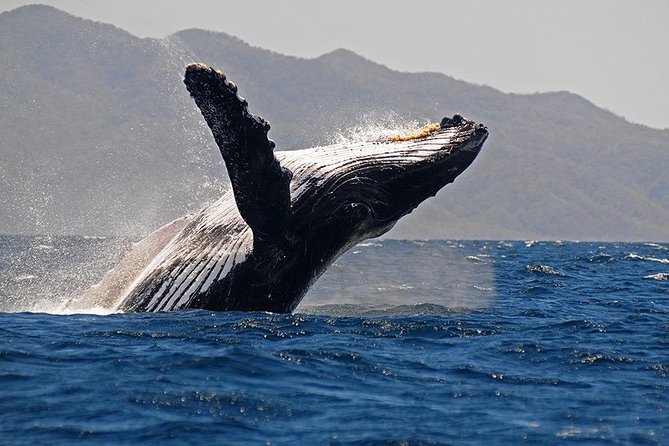
That preparation matters. A whale’s back can appear for only a few seconds. Once you understand the difference between a regular breath, a tail slap, a breach, and a fluke display, you get more from each sighting. You are not simply waiting for a large animal to appear. You are learning to read its movements.
The guides have backgrounds in marine biology and cetacean research. The team has included Jemma, Gema, and Camilla, with captains such as Jorge and Cesar handling the boat. Names and crew assignments can change, but the format remains the same: one person focuses on the animals and the science while the captain watches the water and positions the boat.
More Whale Watching with a Marine Biologist in Mexico
- Whale Watching Adventure – Led by a Marine Biologist
★ 5.0 · 176 reviews - SMALL GROUP Whale Watch | Cabo San Lucas | Biologist | FREE Pics
★ 5.0 · 1,106 reviews - Whale Shark snorkeling tour in a reduced group with local marine biologist
★ 5.0 · 594 reviews
Leaving from Marina Vallarta
The meeting point is Opequimar Centro Marino, at Avenida Paseo de la Marina Sur 214 in Marina Vallarta. The outing begins and ends there, so you do not need to arrange a separate return transfer.
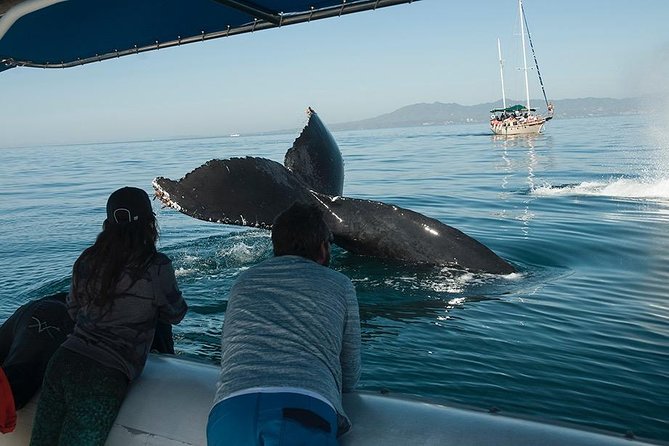
Once everyone is fitted with a life jacket and settled aboard, the boat heads out into Banderas Bay. The boats described by participants are small, covered vessels or Zodiac-style craft suited to close wildlife viewing. That design gives you a better chance of seeing activity from either side than a large sightseeing ship would.
A small boat also comes with trade-offs. You will feel the movement of the sea more than you would on a large vessel, and there is no bathroom on board. Use the facilities before departure and plan accordingly. The covered section helps with sun, but you should still bring protection for exposed skin and eyes.
The maximum group size is 20. In practice, groups of about 12 to 16 have been common, with occasional smaller outings. That is a useful size for wildlife watching because you can look across the boat without a forest of heads in front of you. A very small group is especially pleasant, but you should not assume the boat will always be half empty.
Finding the humpback whales
During the winter season, humpback whales gather in the waters around Puerto Vallarta. They come here for breeding and for the early stages of raising their calves. That gives you the chance to see several kinds of behavior rather than only solitary whales traveling past.
The first part of the trip may involve a fast ride to areas where whales have recently been spotted. Sometimes the sightings begin quickly. One outing located whales within roughly 15 to 20 minutes of leaving the marina. At other times, the first hour can be quiet before the boat reaches an active group.
That variation is worth accepting. Wildlife does not perform on a schedule, and a slow beginning does not mean the day is lost. Once the crew locates whales, you may watch individual adults, groups of males, mothers with calves, or several animals surfacing in the same area.
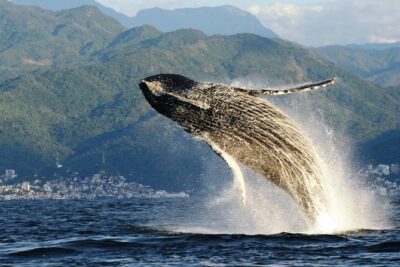
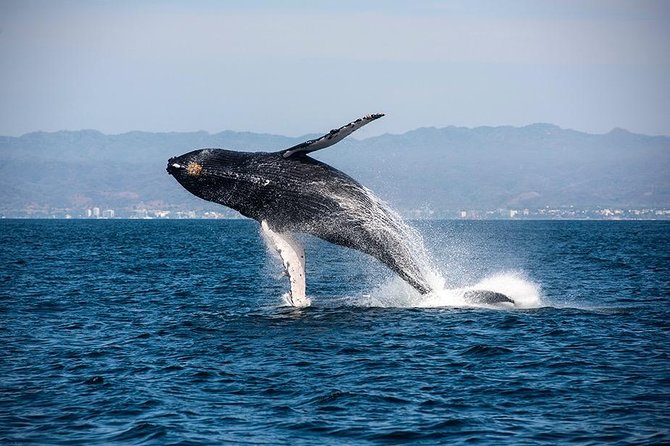
The most dramatic moments can be brief. A full breach may last only an instant, while a calf’s playful movement can continue longer. The captain’s skill matters here. Jorge and Cesar have been praised for holding a respectful position and anticipating where a whale may surface, giving you a better chance at a tail shot or a clear view without crowding the animal.
The stated guarantee from the operator is unusually strong: it says the crew can find the animals, or you can receive your money back. I would still treat this as a wildlife promise rather than a command issued to the ocean. Conditions, animal movements, and regulations can affect what happens on a particular day. The weather cancellation policy is clearer: if poor weather stops the tour, you can choose another date or receive a full refund.
Mothers, calves, and whale communication
For many people, the strongest part of the trip is seeing a mother and young calf together. Calves can surface close to their mothers, roll, breach, and practice movements that will become essential later in life. The guide explains how mothers and calves communicate and how their behavior changes as the season progresses.
You may also see males competing for access to a female. This can create fast, active scenes with several whales moving together. The behavior is impressive, but the guide’s explanation gives it meaning. You learn why the whales are grouped, what the escort male is doing, and how their movement differs from a mother protecting a calf.
A hydrophone adds another layer. The guide lowers an underwater microphone so you can hear whale sounds through the boat’s audio system. Hearing a song while watching the animals surface connects the action above the water with what is happening below it. The sound may come from a nearby male or echo from whales farther away.
The guide may also point out quieter signs: a whale’s breathing pattern, the angle of a back, a tail held above the surface, or a change in direction. These details are easy to miss without an experienced naturalist beside you.
More Trips with a Marine Biologist in Puerto Vallarta:
- Azores: Whale Watching & Islet Boat Tour w/ Marine Biologist
★ 4.7 · 2,945 reviews - São Miguel: Whale-Watching Cruise with Marine Biologist
★ 4.6 · 1,311 reviews - ZODIAC Whale Watch Tour | Cabo San Lucas | Biologist | FREE Pics
★ 5.0 · 365 reviews - Sesimbra: Arrábida Dolphin and Whale Watching with Biologist
★ 4.9 · 310 reviews
Dolphins, turtles, mantas, and other sightings
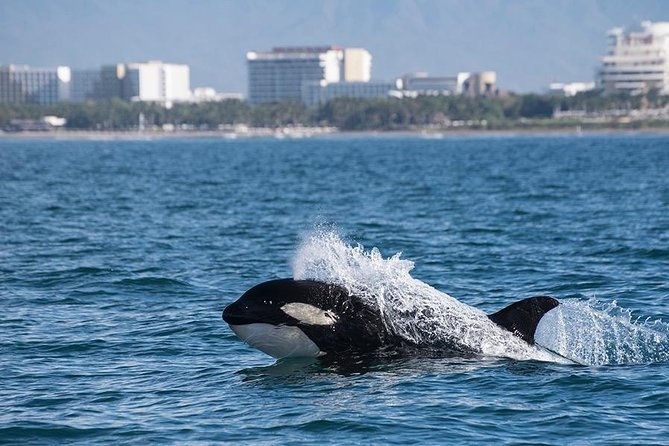
The trip is called whale and dolphin watching because the day may include several species. Possible dolphins include bottlenose, spotted, spinner, and rough-toothed dolphins. Some sightings involve large pods moving near the boat, while others are brief encounters as the animals pass through the bay.
You might see a calf traveling near whales or dolphins playing alongside a humpback. Those moments cannot be scheduled, which is part of their appeal. The guide can explain the species and behavior, but the animals decide what happens next.
Sea turtles and giant manta rays are also possible. A manta at the surface can be easier to spot than a turtle, but both are welcome additions to a whale-focused outing. Some groups have also seen blue-footed boobies and sea lions. These are extra sightings, not promised parts of the itinerary, so book this for the whales first and consider the rest a bonus.
On some departures, the boat travels as far as the Marietas Islands in search of animals. The exact route depends on conditions and where the crew finds wildlife. That can mean a longer ride in open water, but it also widens the area available for sightings.
The value of a four-hour research outing
The tour lasts about four hours. That is long enough to reach active whale areas, spend time observing, listen to the hydrophone, and look for dolphins and other marine life without turning the day into a full-day expedition.
At $105 per person, this is not the least expensive boat trip in Puerto Vallarta. The value comes from the combination of a small boat, an academic guide, research participation, and a full half-day on the water. If you only want a quick glimpse of a whale, a cheaper outing might satisfy you. If you want to understand what you are seeing, the added cost makes more sense.
The experience also includes the chance to support ongoing research. You are not conducting a formal scientific study yourself, but your participation helps make the provider’s whale and dolphin programs possible. That gives the trip a useful purpose beyond taking photographs.
Food has varied by departure, but the crew has served sandwiches and soft drinks. Do not treat that as a guaranteed menu unless it is confirmed when you book. Bring any specific snacks or drinks you need, and bring cash if you plan to tip the crew.
Choosing morning or afternoon
The tour is offered at different times, and sightings can vary from one departure to another. A morning outing may be quiet while an afternoon boat finds active whales, or the reverse can happen on another day. There is no reliable rule that one time is always best.
I would choose the departure that fits your schedule and leaves room for flexibility. If whale watching is a major reason for your Puerto Vallarta visit, consider booking early in your stay. You may then have time to try again if weather cancels the trip, though a second outing is not guaranteed to be available.
The experience is booked an average of 26 days ahead, which suggests that planning matters during the winter whale season. Confirmation is sent within 48 hours, subject to availability. Book well ahead if your dates are fixed.
Comfort, safety, and practical limits
Most people can take part, and service animals are allowed. The activity is near public transportation, and the crew assists with boarding and life jackets. The boats are described as safe and modern, but this remains a moving small craft in open water.
You should be comfortable sitting or standing on a boat for several hours. Wear clothes that can handle spray, protect yourself from the sun, and keep your phone or camera secure. A covered boat reduces direct sun exposure, but it does not eliminate wind or motion.
The trip is not recommended for people more than seven months pregnant. The lack of a bathroom is another important limitation, especially for anyone who needs frequent access to facilities. Ask about current boat arrangements if you have mobility or medical concerns, since the provided information says most people can participate but does not promise full accessibility for every need.
Free cancellation is available up to 24 hours before the start time for a full refund. Cancellations or changes made within 24 hours are not refunded. Weather and minimum-group cancellations are handled with a new date, another experience, or a full refund.
Who will enjoy this most
I would choose this tour if you care about animal behavior, want a guide who can answer real questions, and like the idea of supporting field research. It is especially good for couples, families with older children, and anyone who would rather spend time learning than simply snapping a few whale photos.
Teenagers may enjoy the close views, the hydrophone, and the chance to see whales breach. Young children can also take part, but the open boat, long ride, and unpredictable waiting may test their patience.
This is less suitable if you need a guaranteed short outing, dislike boat motion, or require an onboard bathroom. It is also not the right choice if you want a luxury yacht experience. The appeal is a small research-oriented boat, not polished resort service.
Should you book it?
Yes, if whale season is part of your Puerto Vallarta plans and you want more than a basic sightseeing ride. The strongest reasons are the biologist guide, the hydrophone, the small boat, and the chance to see mothers, calves, dolphins, turtles, and mantas in the wild.
Book it with realistic expectations. You may see whales within minutes, or you may wait an hour. A spectacular breach is possible, not promised. At $105, I consider it good value for a four-hour, research-connected outing, especially for anyone who sees wildlife education as part of the trip rather than an add-on.
FAQ
Where does the whale and dolphin tour start?
It starts at Opequimar Centro Marino, Avenida Paseo de la Marina Sur 214, Marina Vallarta, Puerto Vallarta, Jalisco, Mexico.
Where does the tour end?
The activity ends back at the same meeting point in Marina Vallarta.
How long does the experience last?
The tour lasts approximately four hours.
How much does the tour cost?
The listed price is $105 per person.
What animals might I see?
You may see humpback whales, bottlenose dolphins, spotted dolphins, spinner dolphins, rough-toothed dolphins, sea turtles, and giant manta rays. Orcas and false orcas are possible but not guaranteed.
Can I hear whale songs?
Yes. The guide may use a hydrophone so you can hear whale sounds underwater.
What is the maximum group size?
The tour has a maximum of 20 participants.
Is there a bathroom on the boat?
No. Use the facilities before departure.
What happens if the weather cancels the tour?
You will be offered another date or a full refund if poor weather causes the tour to be canceled.
More Whale and Dolphin Tours in Puerto Vallarta
- Whale & Dolphin Watching Cruise in Puerto Vallarta All Inclusive
★ 4.0 · 212 reviews - Tenerife: Eco-Yacht Whale and Dolphin Watching and Swimming
★ 4.7 · 15,619 reviews - Los Cristianos Respectful No-Chase Whale and Dolphin Safari
★ 4.6 · 12,782 reviews - From Funchal: Ecological Catamaran Dolphin Whale Watching
★ 4.5 · 8,204 reviews
Just added around Puerto Vallarta
- Whale Watching Guaranteed Experience in Puerto Vallarta★ 5.0 · 7 reviews
- Whale watching tour★ 5.0 · 12 reviews
- Whale watching★ 4.0 · 6 reviews
- Whale Watching Experience in Puerto Vallarta★ 5.0 · 8 reviews
- Whale Watching Guaranteed Experience in Puerto Vallarta★ 5.0 · 156 reviews
- Whale Watching and Los Arcos 5 Islands Adventure★ 5.0 · 32 reviews
- Whale Watching Experience – 4 Hours in Puerto Vallarta★ 5.0 · 9 reviews
- Whale Watching Adventure – Led by a Marine Biologist★ 5.0 · 176 reviews
Puerto Vallarta Whale Watching Tours, compared.
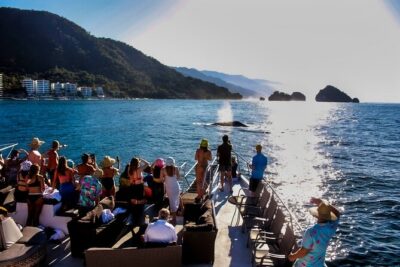
Sunsets and Whales Mega Yachts ALL INCLUSIVE: Puerto Vallarta
Read our review →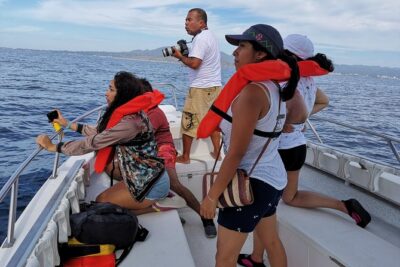
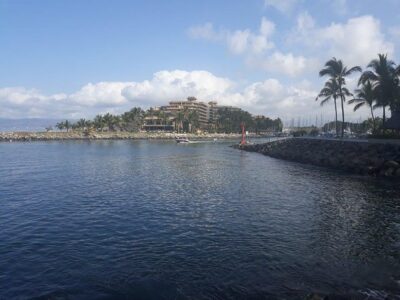
Whale Watching Cruise In Puerto Vallarta & Nuevo Vallarta
Read our review →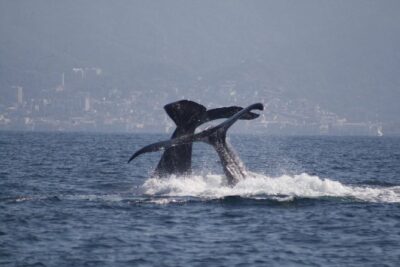
Small-Group Half-Day Whale-Watching Tour in Puerto Vallarta
Read our review →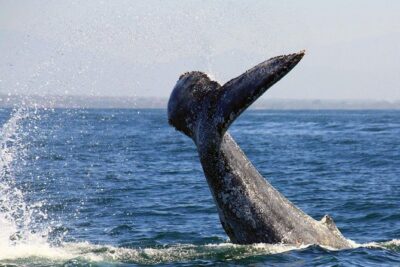
Whale & Dolphin Watching Cruise in Puerto Vallarta All Inclusive
Read our review →