
Review · KAIKOURA
Kaikoura: 1-Hour Whale Watching Helicopter Tour
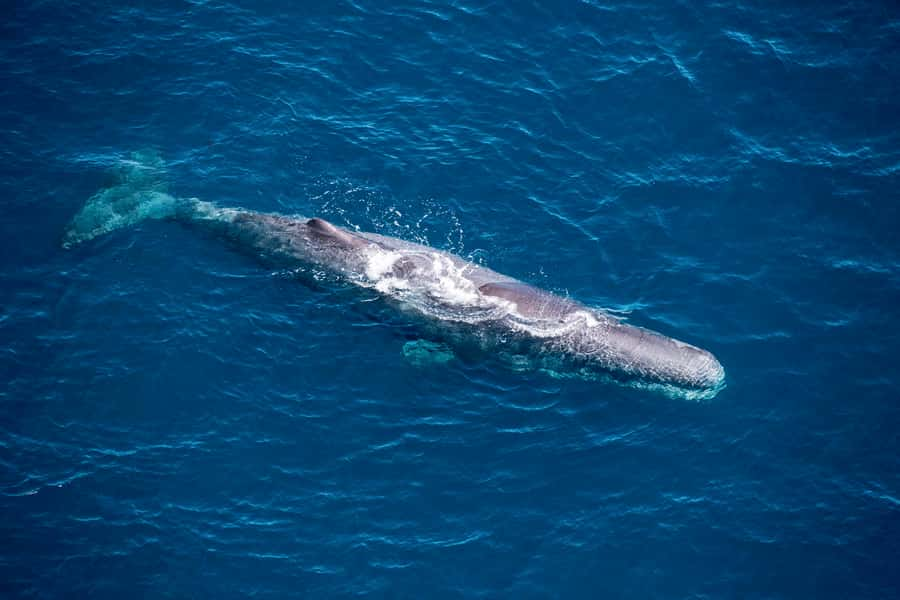
Kaikōura’s whales are the main event, but the best surprise is the mountain landing near Mt Fyffe. From the air, you can see a sperm whale from nose to tail, then look back across the peninsula and Pacific from 1,600 metres above sea level. It is a compact way to experience both ocean and alpine New Zealand.
I like the small six-person group, which gives each passenger a better chance at a window and makes it easier to hear the pilot’s commentary. I also like the aerial view of the whales, since you see the full animal and do not crowd it with a boat. The catch is the price, $792 per person, and part of your one-hour flight is spent reaching the mountains rather than watching whales.
Key things to know before you fly
- Whales seen from above: Sperm whales live in Kaikōura waters year-round, and the helicopter view can reveal the entire animal before it returns below the surface.
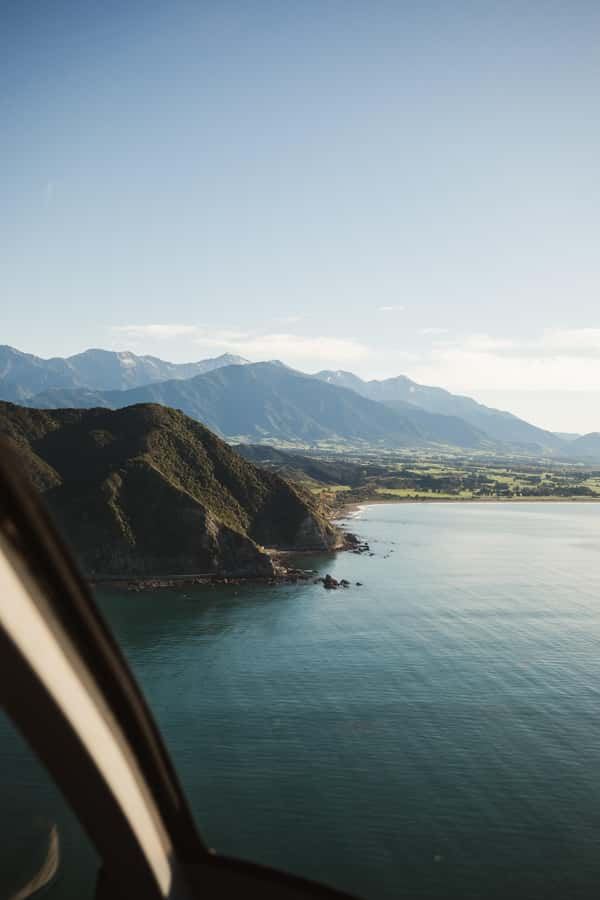
- A mountain landing is included: You land among the Seaward Kaikōura Range, sometimes on snow, with views toward Mt Fyffe, the peninsula, and the Pacific.
- Wildlife beyond whales: Keep watch for dusky dolphins and New Zealand fur seals along the coast.
- Small aircraft, small group: The helicopter carries no more than six participants, with headsets for the pilot’s commentary.
- Weather controls the schedule: Flights need suitable conditions, and the operator may change the time or date requested.
- Bring warmth and patience: Comfortable shoes, warm clothing, sunglasses, a hat, water, and a camera are all useful.
Why Kaikōura is such a good place for a helicopter flight
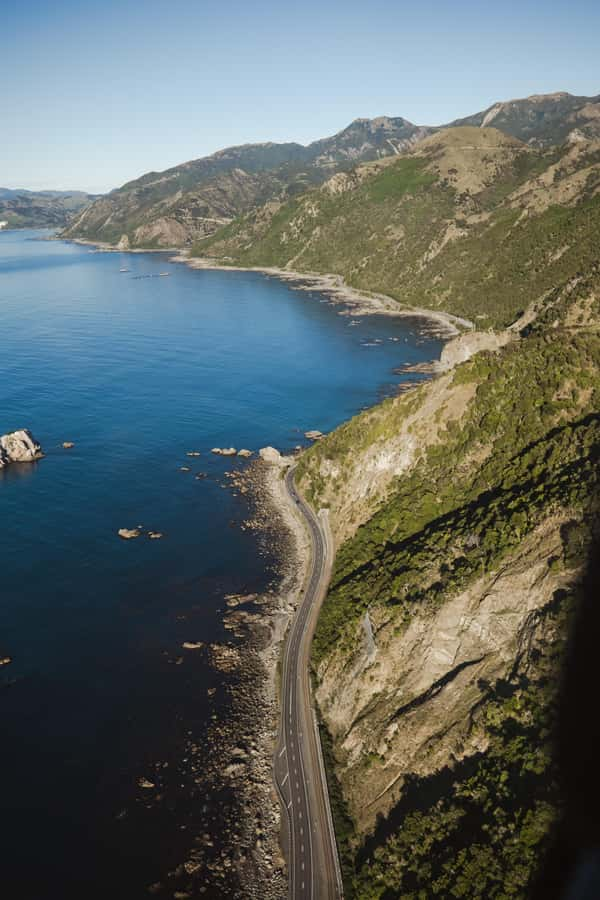
Kaikōura gives you an unusual combination in a very small area: a deep marine canyon close to shore, a whale sanctuary, a marine reserve, a long peninsula, and the steep Seaward Kaikōura Range behind it. From ground level, you see only pieces of this setting. From a helicopter, the connection becomes clear.
The Kaikōura Canyon creates deep water near the coast. That helps explain why sperm whales are present through the year, rather than appearing only during a short seasonal window. Before takeoff, your pilot explains the canyon, the local marine life, and the safety rules. This short briefing is practical, not filler, and gives you a better idea of what you are looking for once the aircraft is airborne.
The flight also follows New Zealand Department of Conservation rules for marine mammals. That matters here. You are not being taken close to a whale for a dramatic encounter. You are watching from above, with less effect on the animal’s natural behaviour than a close boat approach can have.
A few more whale trips around Kaikoura worth a look
- Kaikōura: 45-Minute Whale Watching Helicopter Tour
★ 5.0 · 8 reviews
From Kaikōura Airport to the Whale Sanctuary
You meet at the Kaikōura Airport terminal on State Highway 1 in Peketa, just outside Kaikōura. The experience begins with a safety briefing, and everyone must be weighed at check-in because of aircraft weight limits. That can feel formal, but it is a normal and necessary part of a small helicopter operation.
You receive a headset, which lets you hear the pilot during the flight. The aircraft also carries life jackets, and real-time flight tracking is included. You should arrive ready for a quick change in plan, since the flight time can shift if conditions are not suitable.
Once airborne, the helicopter heads over the Whale Sanctuary and Hikurangi Marine Reserve. The exact wildlife sequence cannot be promised, since whales and dolphins are free to move, but the pilot and local network help identify sightings. The pilot does not simply point at the sea and leave you guessing. Commentary covers whale habits, the marine setting, and the wider Kaikōura area.
Past departures have been guided by pilots including Daniel and Peter. Daniel has been praised for pairing careful flying with clear explanations, including whale behaviour and local earthquake effects. Peter has also helped passengers position themselves for whale photographs and explained how the animals use the area. Pilot assignments can change, so do not book expecting one particular person.
Watching a sperm whale from the air
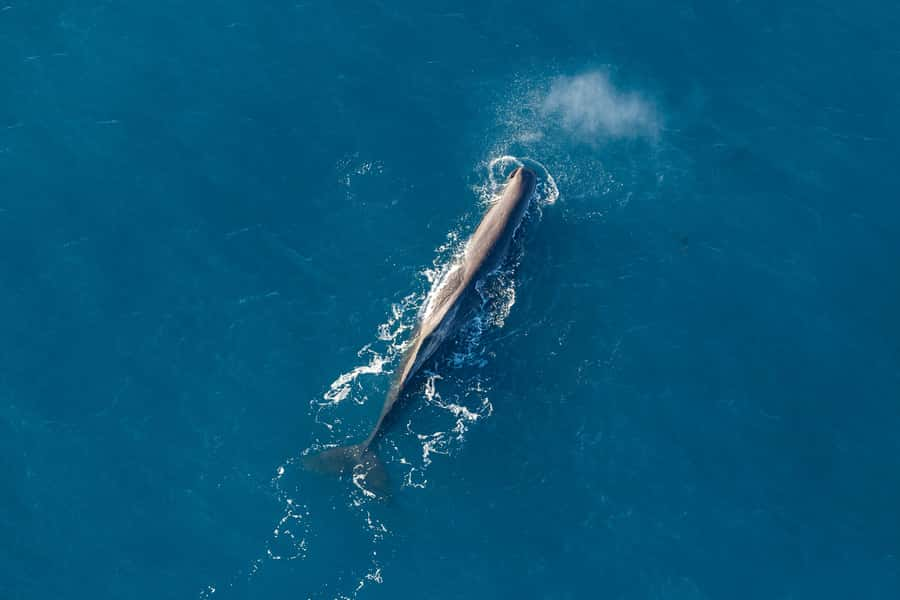
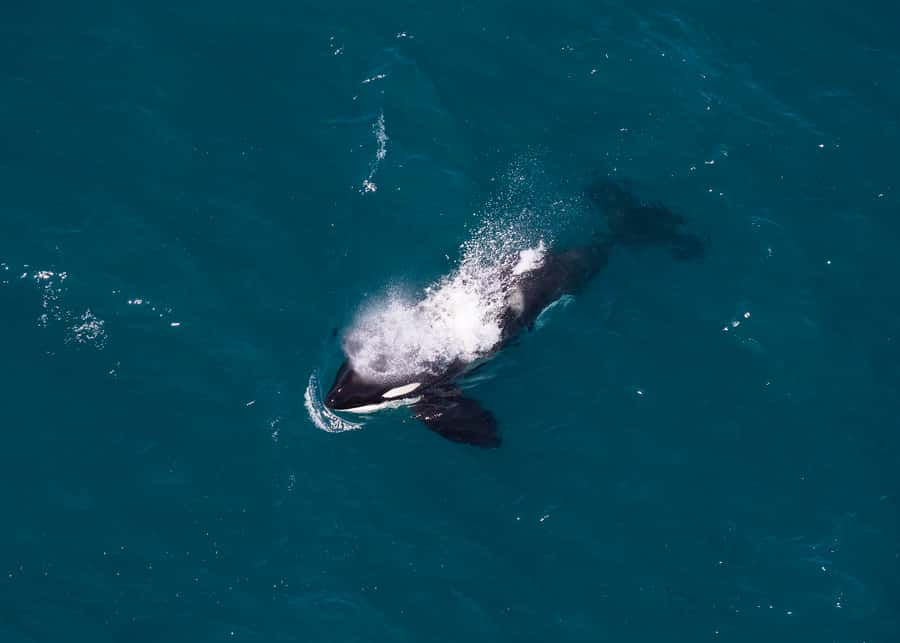
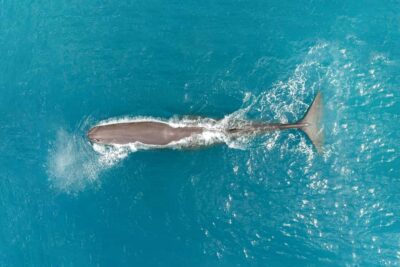
A sperm whale can be surprisingly hard to photograph from a moving helicopter. You are looking down through glass, the sea is shifting, and the aircraft is moving too. Still, the overhead angle gives you something a boat cannot: a view of the whale’s full length.
You may see the broad body at the surface, then wait for the animal to show its tail before it heads down. One pilot has been able to count down to the moment a whale returned below the surface, a useful reminder that the crew is watching animal behaviour, not just searching randomly.
The flight’s height and position also help you understand the whale’s scale. One sighting was described as roughly the length of a 23-metre boat. From the air, this comparison is easier to grasp than it would be from a low seat on the water.
There are limits. A whale may not appear during your particular flight, and the amount of whale-watching time depends on how quickly the crew finds marine life and how much time is needed for the mountain section. One passenger felt that the full hour should have been devoted to whales because the title emphasizes whale watching. That is a fair point. You are buying a combined wildlife and mountain flight, not a whale-only charter.
Dolphins, fur seals, and the Kaikōura Peninsula
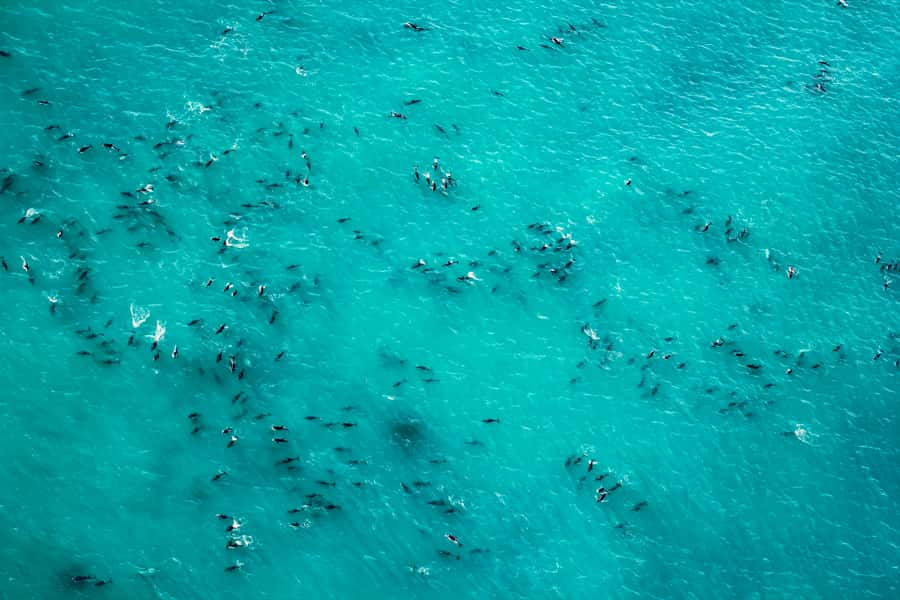
The route continues along the Kaikōura Peninsula, where you may spot dusky dolphins and New Zealand fur seals. From above, dolphins can appear as moving shapes or groups in the water. Their speed and the helicopter’s height make them harder to follow than a whale, but the aerial view can show the scale of a whole pod.
A particularly memorable sighting reported on one flight included orcas feeding on a swordfish, along with large pods of dolphins near a swim-with-dolphins boat. That kind of event cannot be scheduled, but it shows why the wider marine route matters. You are not limited to one species.
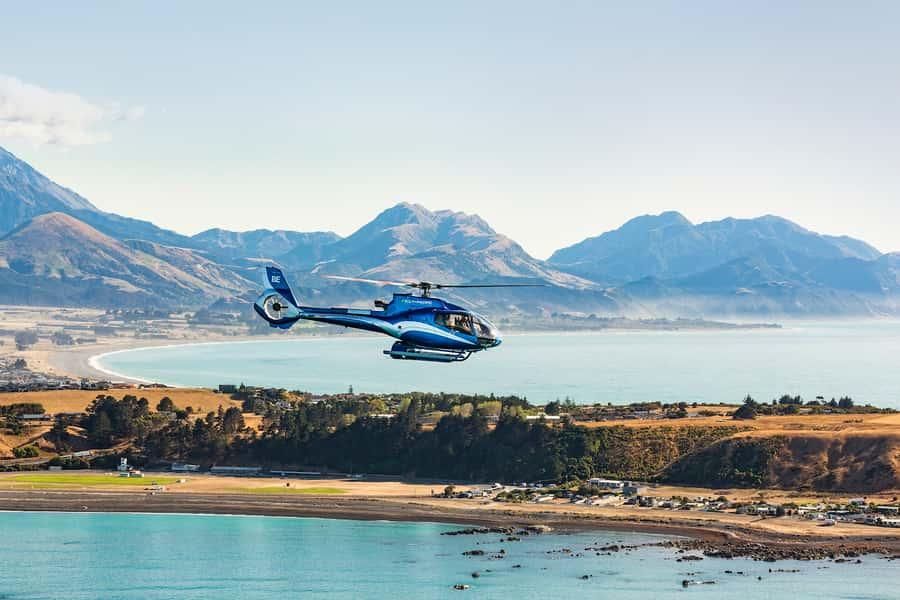
The coast also supplies a useful sense of place. You see the peninsula projecting into the Pacific, the water around the marine reserve, and the mountains rising close behind Kaikōura. The helicopter route is as much an orientation flight as a wildlife search.
Photography needs a little planning. A fast shutter speed is useful for the moving aircraft and moving animals, and an automatic ISO setting may help as light changes. A telephoto lens can be helpful, but long lenses are harder to hold steady in a helicopter. Bring a camera, but keep your expectations sensible. Your clearest memory may be the view itself rather than a perfectly sharp whale photograph.
Same water, a different way to meet the whales:
- Kaikoura: Whale Watching Cruise
★ 4.6 · 3,089 reviews - Whale Watching in Kaikoura by Boat
★ 4.5 · 2,906 reviews - Kaikoura: Whale Watching Flight with Commentary
★ 4.6 · 823 reviews - Kaikōura Whale Watching Scenic Flight (40 Minutes)
★ 5.0 · 221 reviews
The 1,600-metre landing near Mt Fyffe
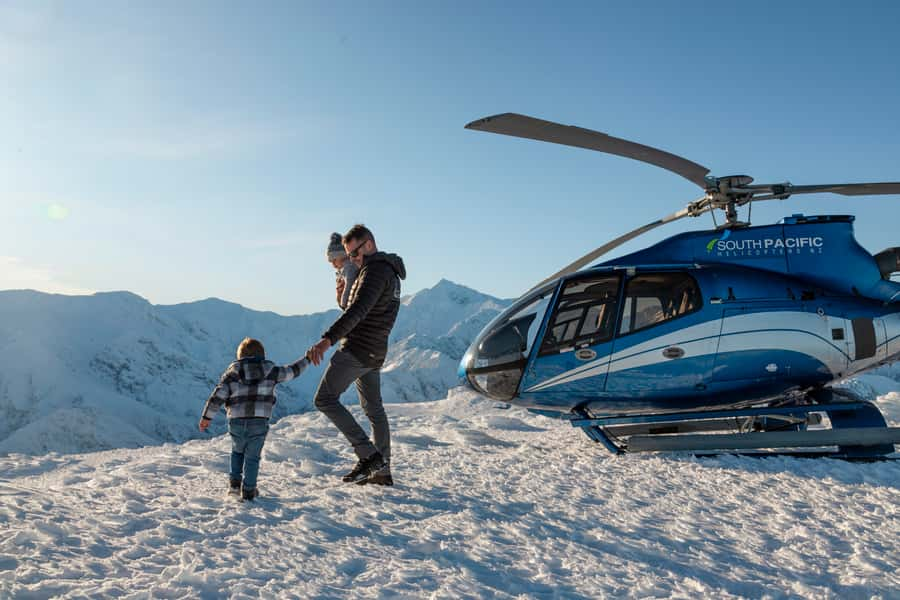
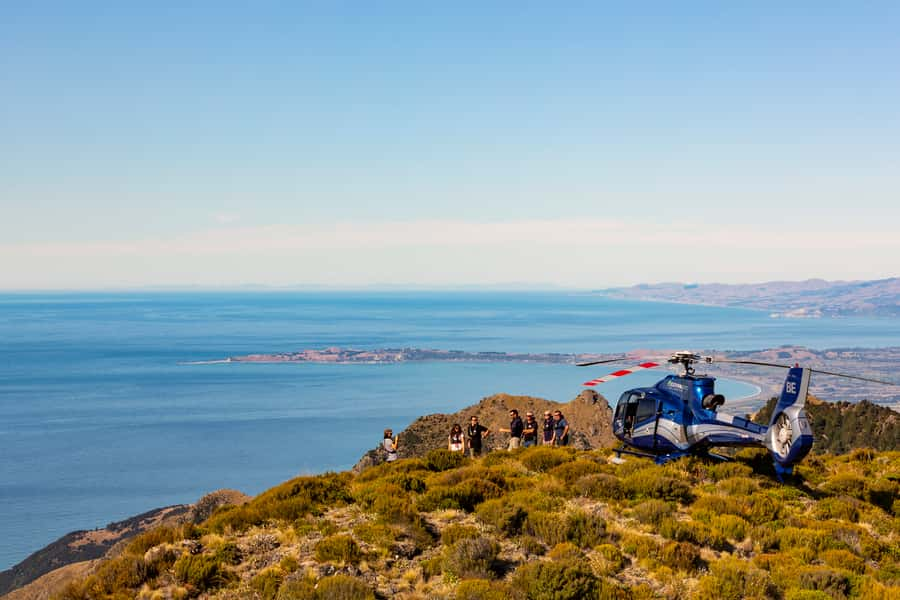
After the coastal wildlife viewing, the helicopter heads inland toward the Seaward Kaikōura Range. The mountain landing changes the mood completely. You leave the aircraft and walk around on rugged, open ground, with the peninsula and Pacific spread out below.
The advertised summit view reaches about 1,600 metres at Mt Fyffe. At some times of year, the landing includes snow. That makes warm clothing more than a polite suggestion. Even if the day feels mild at the airport, the mountain stop can be cold and exposed.
This is a short stop, but it gives the flight a second purpose. You are not only looking down at wildlife. You are standing among the peaks and seeing how sharply the terrain rises behind the coast. The pilot may also point out earthquake effects, landslides, a barrier lake, and the Kaikōura fault line. Those details add context to the scenery and show that this is an active geological area, not just a pretty backdrop.
The landing site can vary with conditions. One past flight landed on a steep hill in a farm field, while the advertised experience describes a secluded mountain landing. Either way, the appeal is the same: a brief pause away from the airport and coast, with wide views and no road journey required.
The drawback is that this stop uses part of the hour. If your only goal is to see whales, the mountain landing may feel like a tradeoff. If you want a compact overview of Kaikōura’s sea and mountains, it is the feature that makes this experience different from a standard whale flight.
What the small group changes
With a maximum of six participants, the tour feels more personal than a large sightseeing operation. A small group can make the safety briefing easier to follow, and the pilot can keep the commentary focused on what is happening below.
The aircraft layout still determines how much you see. Do not assume that every passenger will have the same angle at every moment. The pilot’s positioning helps, and the overhead route gives everyone a chance to look down, but wildlife can appear on one side and then vanish quickly.
The small group is also useful at the mountain stop. Six people can move around without turning the landing into a crowd scene. You get time to take photographs, look across the coast, and listen to the guide’s explanation.
Children under eight cannot join, and the experience is not suitable for people with mobility impairments. The operator also lists people prone to seasickness as unsuitable. That may sound surprising for a helicopter activity, but motion in a small aircraft can still be uncomfortable. If you know you react badly to aircraft movement, take that warning seriously.
Is $792 worth it?
At $792 per person, this is a major splurge. You are paying for a one-hour helicopter, a pilot-guide, a small group, whale and marine wildlife viewing, and a mountain landing. The price makes most sense if you want the broadest possible view of Kaikōura and do not want to choose between the sea and the mountains.
The value is strongest when several elements come together: a clear flight, at least one whale, dolphins or seals, and a good mountain landing. One flight saw three whales, while another watched several sperm whales for a long period before they returned below the surface. Those sightings show what the experience can deliver, but they are not a guarantee.
The aerial perspective is also different from a boat tour. You can see an entire whale and avoid approaching it closely. You get a quick look at the marine reserve, the peninsula, the mountains, and the Pacific in one hour. For a visitor with limited time in Kaikōura, that efficiency has real value.
Still, I would not call it a bargain. Weather can change the departure time or prevent the flight, and marine wildlife is never fully predictable. If your priority is maximum time watching whales, compare this with a whale-watching trip designed around the water. If your priority is a memorable overview of the region, the helicopter earns its premium more easily.
Free cancellation is available up to 24 hours before departure, and you can reserve now and pay later. Those policies help when your South Island schedule is still shifting, but they do not remove the need to leave some flexibility for weather.
How to prepare for the flight
Wear comfortable shoes for the landing and warm clothing for the mountains. Add sunglasses, a sun hat, water, and a camera. Snow may be present at the landing depending on the time of year, so practical layers are better than dressing only for the temperature at the airport.
Keep your camera ready, but do not spend the whole flight staring at a screen. The pilot may spot a whale before you do, and the animal can disappear quickly. A fast shutter speed can help with photographs, especially when the aircraft, sea, and whale are all moving.
The flight is conducted in English, with live pilot commentary and an English audio guide. Wheelchair access is listed, but the activity is not suitable for people with mobility impairments, so you should confirm that the actual boarding and landing arrangements meet your needs before booking.
Who should book this Kaikōura flight?
I would choose this for a couple, family with older children, or small group that wants a major scenic experience and is comfortable paying for it. It suits photographers who value unusual angles, though the aircraft makes sharp wildlife images difficult. It also suits anyone curious about how the marine canyon, fault line, mountains, and peninsula fit together.
I would hesitate if you need a guaranteed whale sighting, dislike aircraft motion, or want every minute devoted to marine mammals. Children under eight cannot participate, and people prone to seasickness should choose another activity.
Should you book it?
Book this helicopter tour if you want one compact, high-impact view of Kaikōura and like the idea of combining wildlife with an alpine landing. The whales are the reason to take off, but the mountain stop and the aerial view of the peninsula give the experience its character.
Skip it if $792 would strain your budget or if a whale-only outing is your clear priority. For everyone else, the small group, careful wildlife rules, skilled pilot commentary, and chance to see sperm whales from tip to tail make this a memorable, though weather-dependent, splurge.
FAQ
Where does the helicopter tour begin and end?
The tour begins and returns at Kaikōura Airport Terminal, 617 State Highway 1, Peketa, Kaikōura.
How long is the experience?
The helicopter experience lasts one hour, including the wildlife flight and mountain summit landing.
What wildlife might I see?
You might see sperm whales, dusky dolphins, and New Zealand fur seals. Other sightings are possible, but they cannot be guaranteed.
Is the mountain landing included?
Yes. The flight includes a mountain summit landing in the Seaward Kaikōura Range, with views from around 1,600 metres at Mt Fyffe. Snow is possible at certain times of year.
Can children join the tour?
Children under eight years old cannot participate.
What happens if the weather is poor?
Flights depend on favourable weather conditions. The date or departure time may change if conditions are unsuitable. You can cancel up to 24 hours in advance for a full refund.
Just added around Kaikoura
- Whale Watching in Kaikoura – Ultimate Experience★ 4.5 · 199 reviews
- Kaikoura Whale Watching – 45 Minute Ocean Safari★ 5.0 · 39 reviews
- Kaikōura Whale Watching – 1hr 20min Ultimate Adventure★ 5.0 · 8 reviews
- Kaikōura Whale Watching and Scenic Landing – 1hr Premier Tour★ 5.0 · 24 reviews
- Kaikoura Helicopters Top n Tail Whale Watch flight★ 5.0 · 7 reviews
- Kaikoura Whale Watch Day Tour from Christchurch★ 4.5 · 170 reviews
- Kaikoura Helicopters Extended Whale Watch★ 4.5 · 15 reviews
- Kaikoura Helicopters Classic Whale Watch★ 5.0 · 40 reviews
Kaikoura Whale Watching Tours, compared.
Kaikoura: Whale Watching Flight with Commentary
Read our review →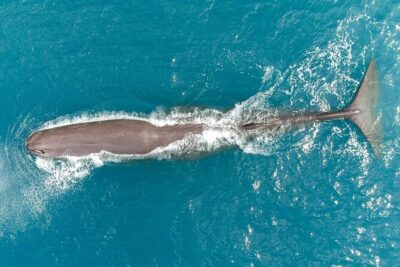
Kaikōura Whale Watching Scenic Flight (40 Minutes)
Read our review →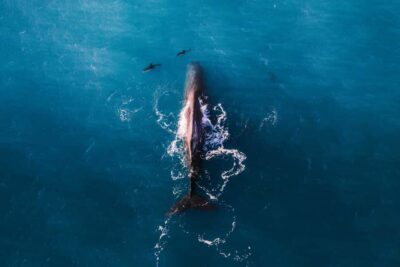
Kaikoura: Whale Watching Flight with Guided Commentary
Read our review →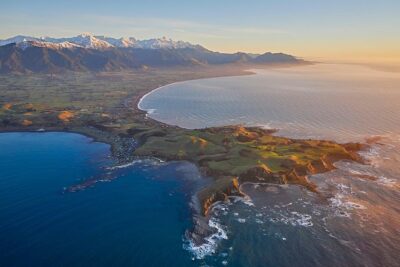
Whale Watching in Kaikoura – Ultimate Experience
Read our review →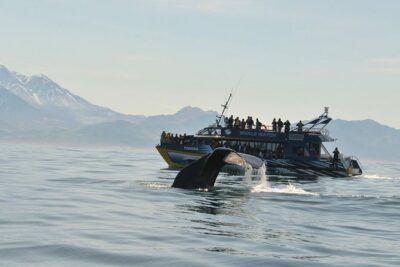
Kaikoura Whale Watch Day Tour from Christchurch
Read our review →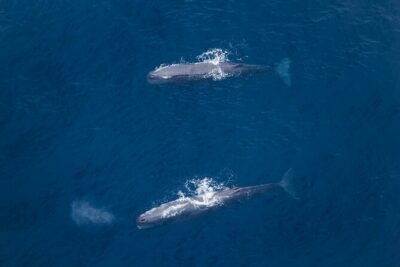
Browse the lists this tour appears in