
Review · KAIKOURA
Kaikoura: Whale Watching Flight with Guided Commentary
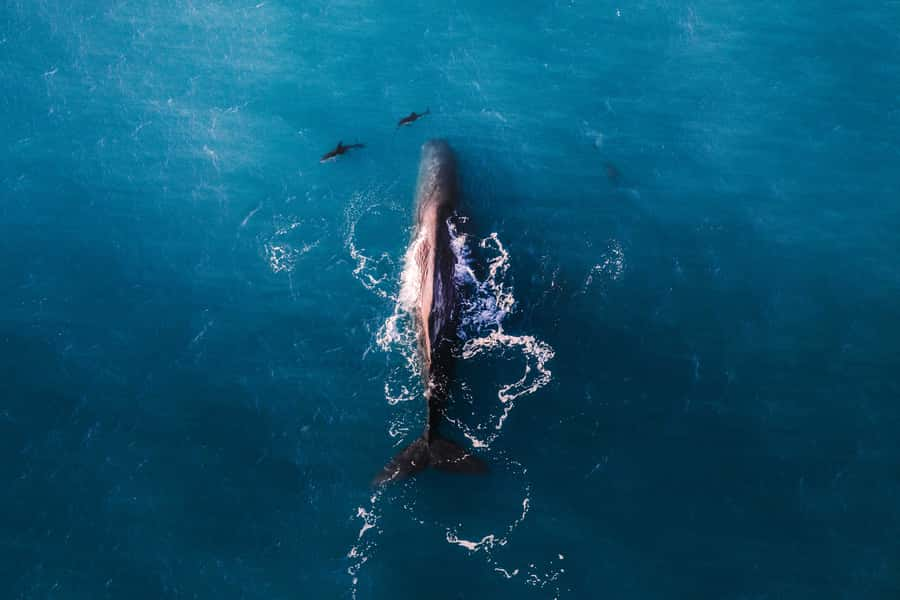
Kaikōura’s sperm whales are the main event, but the best part of seeing them from the air is the wider picture. From your small plane, you can watch a whale surface in the open sea, then take in the coastline, peninsula, turquoise reefs, and snow-capped Kaikōura ranges in one sweep. Every passenger gets a window seat, so nobody is stuck peering across someone else’s shoulder.
I like the efficient 30-minute flight and the way the pilots use reports from aircraft and boats to search for marine life. I also like the small group size, which keeps the flight personal and gives the pilot time to explain whale behavior. The tradeoff is simple: this is a short flight, and sightings are never guaranteed. On a quiet day, the scenic views may become the main reward.
Key details before you book
- Resident sperm whales: Kaikōura is known for sperm whales that remain in the area, while blue whales, humpback whales, minke whales, orcas, and pilot whales may appear seasonally.
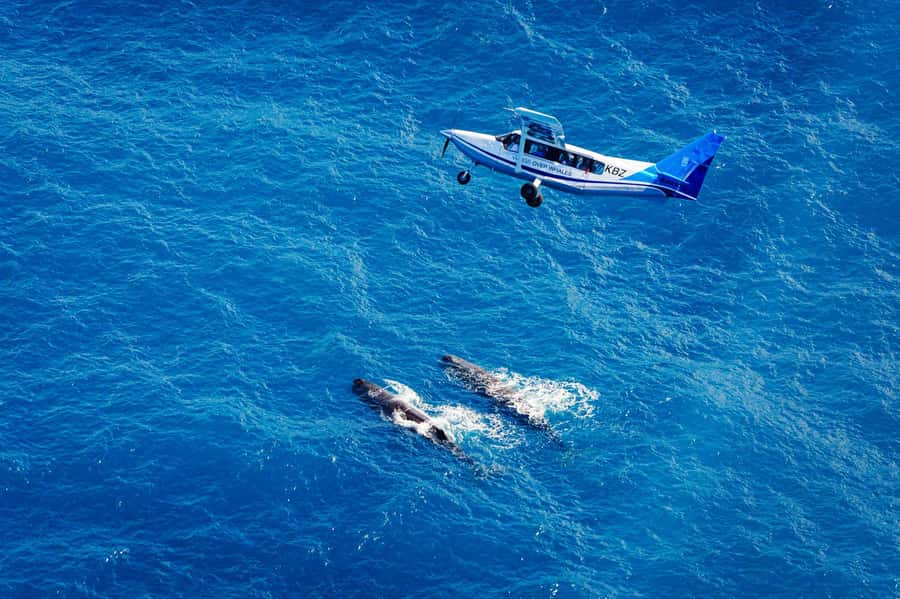
- Six-seat aircraft: The small group means each passenger has a window and a clear view below.
- Thirty minutes in the air: This fits neatly into a busy South Island schedule, but it can feel brief if whale activity is slow.
- Pilots provide live commentary: Sam, Jo, Alexis, and Joanne are among the pilots praised for calm flying and clear explanations.
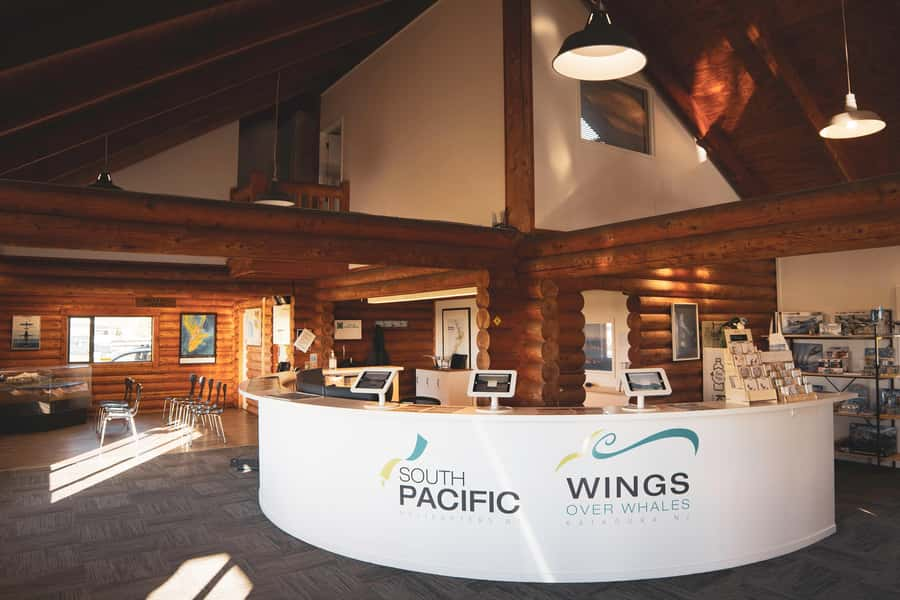
- Airport base included: You can use the viewing lounge, hot drinks, café, retail shop, parking, and accessible toilets before or after the flight.
- Sightings vary: The crew works hard to locate whales and dolphins, but wildlife follows its own timetable.
Why seeing Kaikōura from the air changes the experience
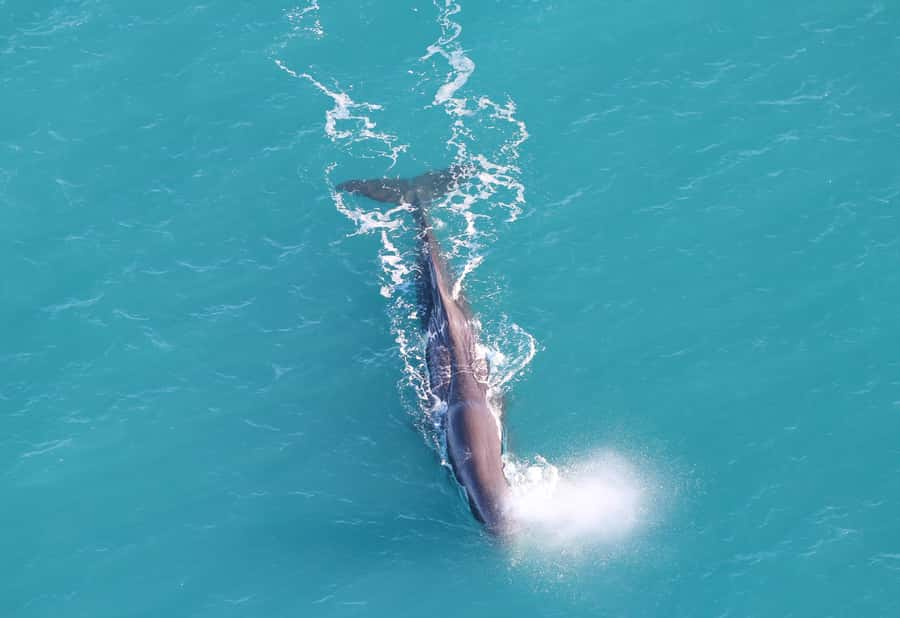
A boat puts you close to the water. A plane shows you how much open sea a whale uses.
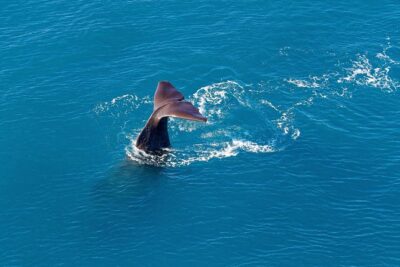
That wider view matters in Kaikōura. Sperm whales spend much of their time below the surface, so from the air you can sometimes spot the whale’s body, white wake, or trail of bubbles in a way that is harder from sea level. When a whale surfaces, the pilot can circle the area so passengers on both sides get a chance to look.
The aircraft also lets you cover more ground quickly. That is useful when the crew is searching across known whale routes rather than waiting in one spot. The flight may pass over the coastline, offshore waters, Kaikōura Peninsula, and the mountain ranges, giving you a scenic flight even if marine life proves elusive.
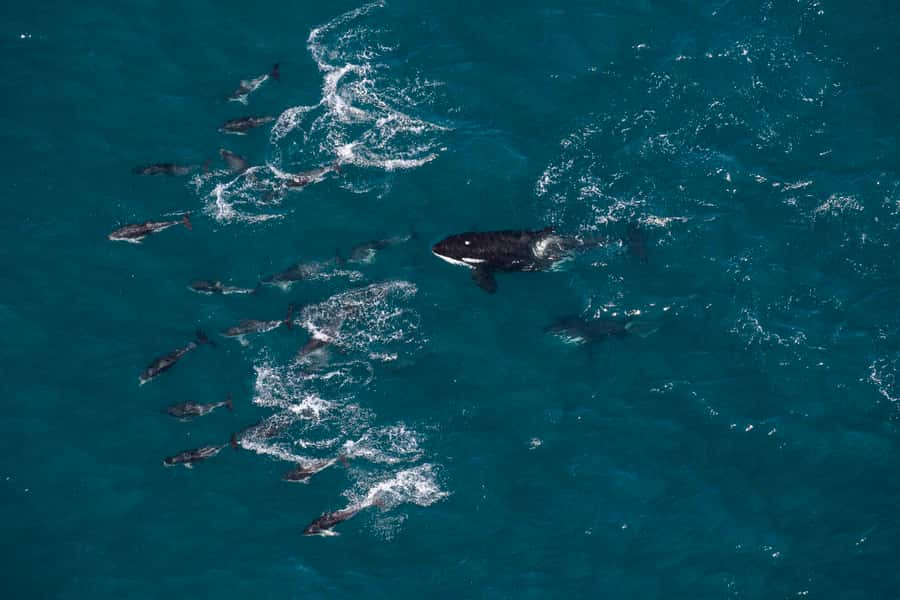
The view is not only about whales. Dusky dolphins can gather in large groups, and from above you can see their movement much more clearly. One account describes a pod of roughly 500 dolphins, while other flights have located dolphins alongside whales. That kind of scale is difficult to appreciate from a boat.
A few more whale trips around Kaikoura worth a look
- Húsavík: Whale Watching Tour with Guide
★ 4.6 · 2,761 reviews - Reykjavik: Whale Watching Tour with Expert Guide
★ 4.3 · 2,422 reviews - Whale Watching Tour with Professional Guide from Reykjavik
★ 4.5 · 744 reviews
At Kaikōura Airport, the trip starts with a useful briefing
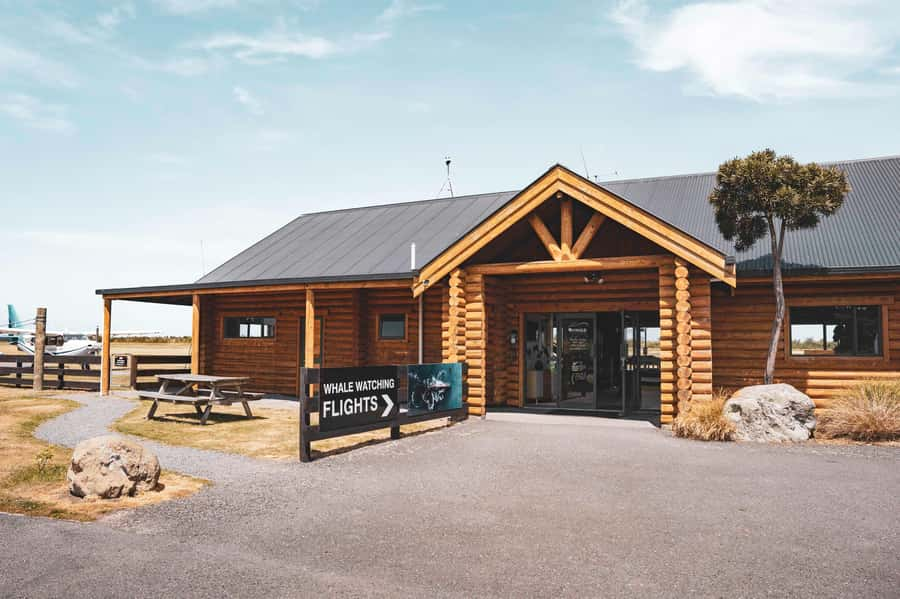
The meeting point is the log-cabin terminal at Kaikōura Airport, 617 State Highway 1. Arrive at least 30 minutes before departure. That extra time is not needless padding. You need to check in, settle any questions, and take part in the safety and wildlife briefing before boarding.
The briefing includes an audio-visual safety presentation and an introduction to Kaikōura’s marine life. It is listed as about 10 minutes, although the wider itinerary allows more time for the preflight process. You will learn about the aircraft, safety equipment, and the marine species you might see.
I like this setup because it gives the flight some context. You are not simply sent into the air and told to look for a dark shape. The commentary helps you understand why sperm whales are found here, how other species use the area, and what to watch for on the water.
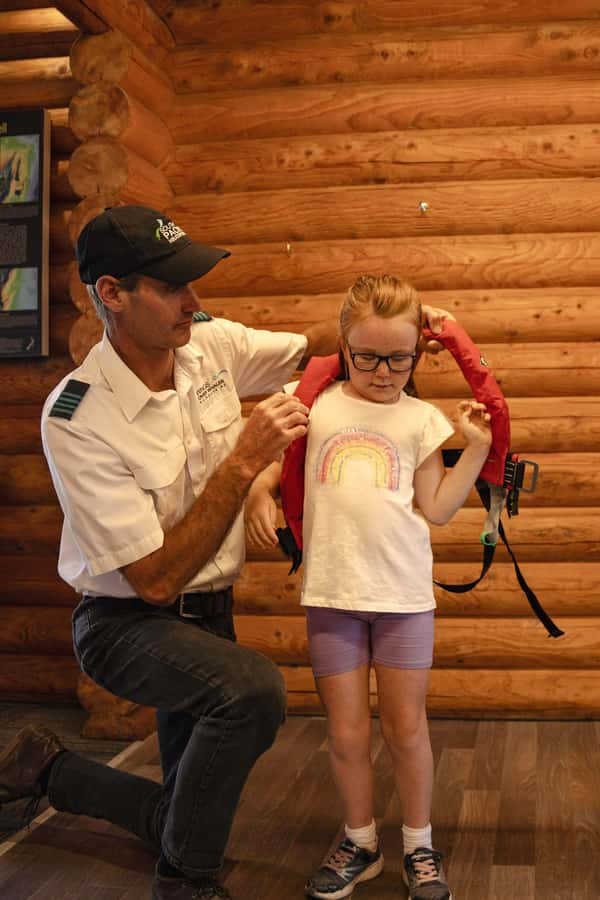
Life jackets and other safety equipment are provided. English is the language used for the live guide and audio presentation. Courtesy transfers from your accommodation may be available, but you need to call the staff to arrange one.
Six seats mean six good chances to look down
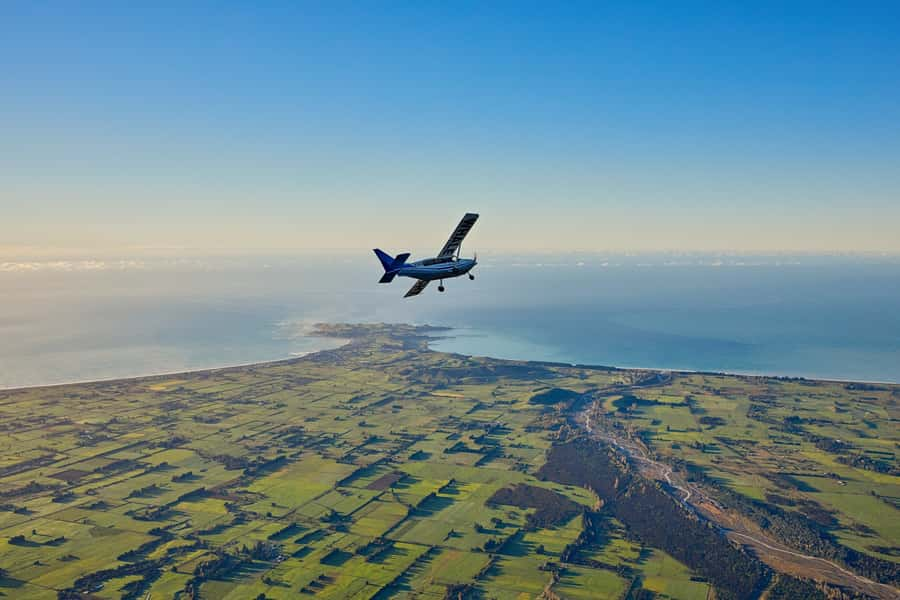
This is a small-group flight with a maximum of six participants. The guaranteed window seat is one of the strongest practical reasons to choose it. You can photograph the water without leaning across another passenger, and you will have a clear view of the coast during the scenic part of the flight.
The plane may circle a whale several times. The crew aims to rotate the aircraft so both sides get a fair look. One flight followed a sperm whale for around 10 to 15 minutes after it surfaced, while another circled blue whales and dolphins so passengers could see them from different angles.
That does not mean every flight will spend most of its time above a whale. A sighting can be brief, and the aircraft may need to continue searching. Still, the small cabin and window arrangement make the most of whatever appears.
If photography matters to you, bring sunglasses and wear comfortable shoes. The supplied information does not specify camera restrictions, but glare on the water can be strong, so sunglasses are practical. Keep your camera ready, since a whale can appear and disappear quickly.
Thirty minutes over whales, dolphins, and the coast

The flight itself lasts 30 minutes. The route is not fixed because the crew adjusts the search according to marine activity and information from other aircraft and boats.
The first part may include a broad look at the coastline and Kaikōura mountain ranges. On clear days, the contrast between the sea and the snow-covered peaks creates a memorable view. The aircraft can also pass above the peninsula and reef areas, giving you a useful sense of how the coast is shaped.
The main search is for resident sperm whales. These are the species most closely associated with Kaikōura, but they are not guaranteed to surface during your flight. Seasonal sightings can include blue whales, humpback whales, minke whales, orcas, pilot whales, and dusky dolphins.
The pilots provide real-time commentary during the search. They point out marine life, explain animal behavior, and identify notable coastal features. The quality of this commentary matters because a whale seen from the air can look small at first. A good explanation helps you understand what you are seeing instead of treating it as a quick spot on the water.
The aircraft also has real-time tracking, which gives the operator a clear record of the flight. That may be reassuring if you are interested in the route and operation, though it is not a substitute for a sighting.
Same water, a different way to meet the whales:
- Kaikoura: Whale Watching Cruise
★ 4.6 · 3,089 reviews - Whale Watching in Kaikoura by Boat
★ 4.5 · 2,906 reviews - Kaikoura: Whale Watching Flight with Commentary
★ 4.6 · 823 reviews - Kaikōura Whale Watching Scenic Flight (40 Minutes)
★ 5.0 · 221 reviews
What happens when the crew finds a whale
The crew does not simply fly past and move on. The pilot may circle the area to give everyone a chance to see the animal. Tight turns and low flight paths are mentioned in passenger accounts, but the aircraft still needs to follow operating and wildlife-distance rules.
One flight timed its departure after tracking a sperm whale’s expected surfacing pattern. Once airborne, the pilot circled the exact location until the whale appeared, then stayed with it until it returned below the surface. Another flight found nothing for most of the allotted time before locating two blue whales and a large pod of dusky dolphins on the way back.
These examples show two useful things. First, the crew actively searches and communicates with other operators. Second, patience can pay off, but it cannot be promised. Wildlife viewing is not a stage show with a scheduled appearance.
From above, you may see the full shape of a sperm whale near the surface, the splash and movement of dolphins, or the much larger outline of a blue whale. Some flights have also found humpback whales, orcas, and pilot whales. The variety depends on season and chance.
The scenery is a real part of the value
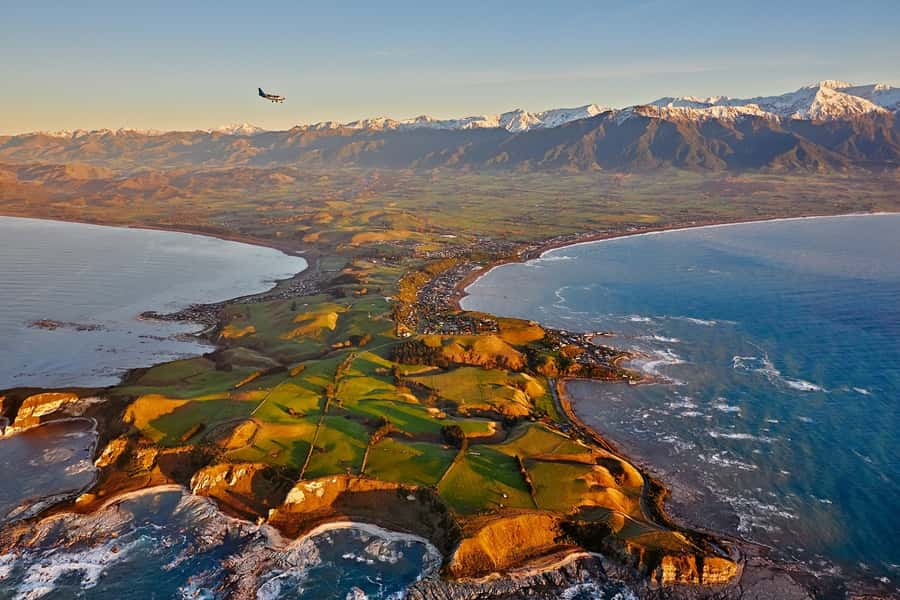
At $164 per person, this is not a cheap add-on. I would judge the price against two things: the rare chance to see whales from directly above and the included scenic flight over one of New Zealand’s most striking coastal areas.
You are paying for a small aircraft, a guaranteed window, a crew searching over a broad area, and live interpretation. The flight is also much shorter than a full boat excursion, which can make it more practical if you have a tight schedule. One passenger used it successfully during a limited day in Kaikōura and still saw a sperm whale, dolphins, and what was probably a blue whale.
The value is strongest if you care about the aerial view itself. Even when whales are not found, you still see the peninsula, ocean, reefs, and mountains from a perspective that a road or walking trail cannot provide. One flight with no whale sighting was still described as a good outing because the scenery and effort from the pilot made the trip worthwhile.
The value is weaker if your only goal is a guaranteed whale sighting. No responsible wildlife operator can promise that. If the thought of spending 30 minutes searching bothers you, you may prefer a longer activity, although this flight remains a useful option for fitting marine wildlife into a packed itinerary.
The pilots make a noticeable difference
The strongest praise is directed at the pilots and their calm handling of the aircraft. Sam is mentioned for his whale knowledge, smooth landing, and decision to get airborne early after a sperm whale was tracked. Alexis is praised for making passengers feel safe and looked after. Jo and Joanne are also noted for friendly service and clear commentary.
The names matter less than the pattern: the crew is expected to explain what is happening, search actively, and handle the aircraft smoothly. That is especially important on a wildlife flight, where the pilot may make repeated turns and adjust the route during the search.
One passenger felt the aircraft did not get close enough to two sperm whales. That is a fair concern, but the distance may reflect the need to protect wildlife and operate safely. You should expect a good aerial view, not a guaranteed close-up at water level.
The aircraft is described as flying lower than some passengers expected, which can help with visibility. Still, the angle, sunlight, cloud, and whale behavior all affect what you see. Good conditions can produce excellent photographs. Poor weather or low cloud can delay the flight, as happened on one occasion when a four-hour wait eventually led to a blue whale sighting.
Who will get the most from this flight?
I would choose this for a first visit to Kaikōura, especially if you want a compact activity that combines wildlife and scenery. It also suits photographers, families who prefer a shorter outing, and anyone who finds a boat trip less appealing.
The flight is a good choice if you want:
- A guaranteed window seat and a small group
- A short activity that fits around other South Island plans
- A broad view of the coast and mountain ranges
- A chance to see several species in one outing
- Live English commentary from the pilot
- An alternative to watching wildlife from sea level
You should think twice if you are uncomfortable in small aircraft, need a guaranteed whale sighting, or weigh more than 264 pounds, or 120 kilograms. The experience is wheelchair accessible, but you should still confirm any personal requirements when booking.
The base is family-friendly, with ample parking, accessible toilets, a viewing lounge, café, retail shop, and free tea, coffee, or hot chocolate. Food and other drinks are not included, so plan to buy them at the base if needed. A winter promotion may include a free hot drink, but ask at check-in rather than assuming it applies to your booking.
Booking flexibility and timing
You can cancel up to 24 hours before departure for a full refund. You can also reserve now and pay later, which is useful when your South Island route is still changing.
Weather can affect departure times. Low cloud caused one reported delay of four hours, so do not schedule an important onward connection immediately after the flight. If you have flexibility, place this activity earlier in your Kaikōura stay rather than on the final morning.
The advertised flight is 30 minutes, but allow more time for arrival, check-in, the briefing, and possible operational changes. Courtesy accommodation transfers may be available by phone. The base is at Kaikōura Airport on State Highway 1.
My verdict on the $164 Kaikōura flight
I would book this if you want a compact, well-organized chance to see Kaikōura’s marine life from a rare angle. The guaranteed window seat, six-person group, active search, and scenery give it real value, especially when your schedule does not allow a longer boat outing.
I would not book it solely because you expect a whale on cue. Sightings can be brief or absent, and the flight may become a scenic trip along the coast. Still, the crew makes a serious effort, and the aerial view of a sperm whale, blue whale, or pod of dolphins can be extraordinary.
For the best chance of enjoying it, keep your schedule flexible, arrive early, bring sunglasses, and treat the mountains and coastline as part of the experience rather than a consolation prize. If that sounds fair, Wings Over Whales offers one of Kaikōura’s most distinctive ways to see the sea.
FAQ
Where does the whale watching flight depart from?
The flight departs from the log-cabin terminal at Kaikōura Airport, 617 State Highway 1.
How long does the experience last?
The flight lasts 30 minutes. You should arrive at least 30 minutes before departure for check-in and the preflight briefing.
What marine life might I see?
The regular target is the resident sperm whale. Depending on the season and conditions, you might also see dusky dolphins, blue whales, humpback whales, minke whales, orcas, or pilot whales.
Does every passenger get a window seat?
Yes. The small aircraft provides a guaranteed window seat for each passenger.
Is the activity suitable for wheelchair users?
Yes, the activity is listed as wheelchair accessible.
Is there a weight limit?
The activity is not suitable for people over 264 pounds, or 120 kilograms.
What is included in the price?
The price includes the wildlife and safety briefing, audio-visual presentation, 30-minute flight, live commentary, aircraft tracking, safety equipment, access to the viewing lounge, and free tea, coffee, or hot chocolate. Food, other drinks, and retail purchases are not included.
Just added around Kaikoura
- Whale Watching in Kaikoura – Ultimate Experience★ 4.5 · 199 reviews
- Kaikōura Whale Watching – 1hr 20min Ultimate Adventure★ 5.0 · 8 reviews
- Kaikōura Whale Watching and Scenic Landing – 1hr Premier Tour★ 5.0 · 24 reviews
- Kaikoura Whale Watching – 45 Minute Ocean Safari★ 5.0 · 39 reviews
- Kaikoura Helicopters Extended Whale Watch★ 4.5 · 15 reviews
- Kaikoura Helicopters Top n Tail Whale Watch flight★ 5.0 · 7 reviews
- Kaikoura Whale Watch Day Tour from Christchurch★ 4.5 · 170 reviews
- Kaikoura Helicopters Classic Whale Watch★ 5.0 · 40 reviews
Kaikoura Whale Watching Tours, compared.
Kaikoura: Whale Watching Flight with Commentary
Read our review →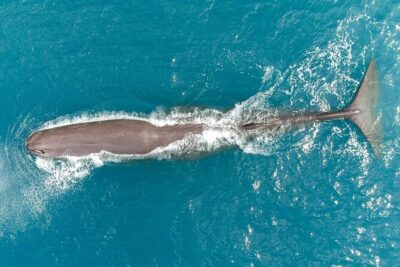
Kaikōura Whale Watching Scenic Flight (40 Minutes)
Read our review →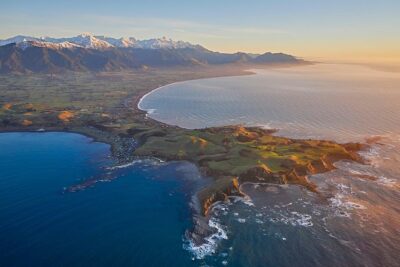
Whale Watching in Kaikoura – Ultimate Experience
Read our review →
Kaikoura Whale Watch Day Tour from Christchurch
Read our review →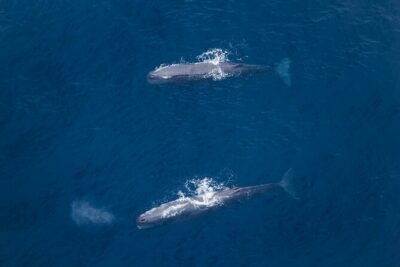
Browse the lists this tour appears in