
Review · CRUISES
Genoa: Pelagos Sanctuary Whale Watching Cruise
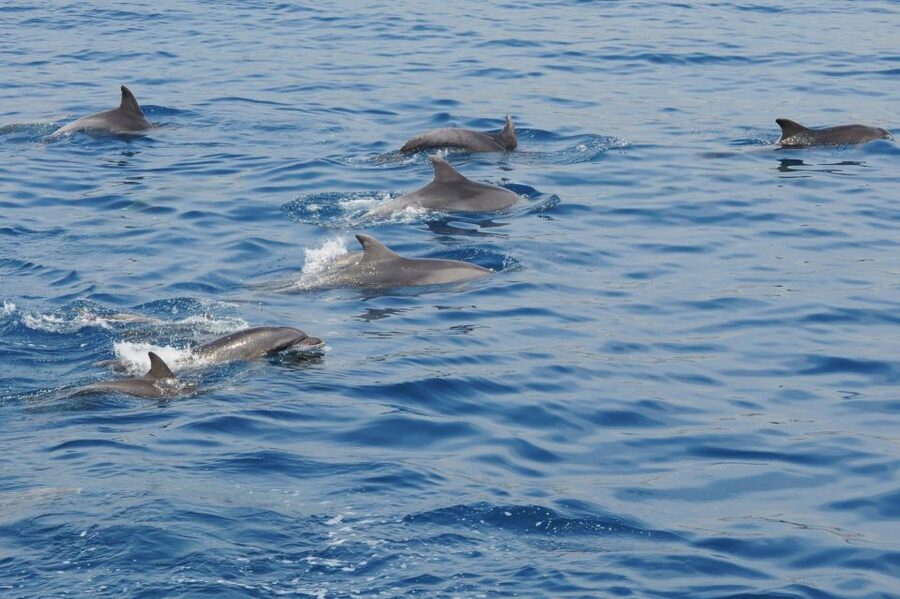
Genoa’s Pelagos Sanctuary cruise takes you far beyond the harbor, where the water reaches 1,000 to 1,500 meters deep and large marine animals come to the surface to breathe. The best sightings have included striped dolphins, sperm whales, fin whales, Cuvier’s beaked whales, turtles, and even several whales traveling with calves.
I like the patient, wildlife-first approach and the steady scanning by a biologist-led crew. I also like the value: four hours at sea for $51, with a free return trip within one year if you see no cetaceans at all. The main drawback is simple: these are wild animals, so you may spend much of the trip watching empty water.
Key points to know before booking
- The search begins after 30 minutes: The boat leaves Genoa’s old harbor, then reaches open water and the deeper part of the sanctuary.
- Sightings have included rare Cuvier’s beaked whales: These whales spend little time at the surface, making an appearance especially fortunate.
- The crew watches rather than chases: Guides use binoculars and the captain aims to avoid disturbing the animals.
- Calm weather helps most: Light wind and a smooth sea make it easier to spot a fin or blow at the surface.
- The schedule is seasonal: Sunday trips run in April, May, and October. From June through September, departures are on Wednesdays, Fridays, and Sundays.
- No sighting means a free second chance: You can return within one year, but you must contact the operator to arrange the extra trip.
Why this four-hour cruise is different from a short harbor boat ride
This is not a quick coastal cruise with a few guaranteed photo stops. The goal is to reach the open Tyrrhenian Sea, find the right depth, and spend time looking for animals that may surface only briefly.
After leaving Calata Mandraccio, the boat needs about 30 minutes to reach the open sea. The research area sits where the depth reaches roughly 1,000 to 1,500 meters, a zone that offers a better chance of encountering cetaceans than the shallow water near Genoa.
That first stretch is useful for settling in, but it is not the main event. You will see Genoa recede behind you, then spend the rest of the trip in open water, watching for movement, blows, fins, and groups of dolphins.
I appreciate that the crew does not treat the sea like a theme park. There are no fixed meeting points with whales and no promise that an animal will appear on schedule. The search is based on patient observation, which makes a sighting feel earned rather than staged.
More Whale Watching Cruises in the world:
- Boston: City Cruises Whale Watching Cruise
★ 4.5 · 4,710 reviews - Los Gigantes: Dolphin & Whale Watching Cruise with Swim Stop
★ 4.7 · 4,539 reviews - Morro Jable: Dolphin & Whale Watching Cruise, Drinks & Swim
★ 4.1 · 4,158 reviews
What happens from Calata Mandraccio to open water
The meeting point is at Genoa’s Porto Antico, in Calata Mandraccio, close to the Bigo and near the Genoa Coast Guard patrol boats. That makes it fairly easy to locate if you are already spending time around the harbor.
Departure is scheduled for 1 p.m. The full outing lasts about four hours, though one trip ran long when the crew found a sperm whale and stayed with the sighting. If you have a train or another fixed appointment later in the day, leave a generous buffer.
The first half hour is spent navigating away from the port. The harbor views give way to a wide sea horizon, and the boat then slows into the main search area.
From there, the crew begins its work. The guides scan the surface with binoculars, share information about animal behavior, and direct the boat when something is spotted. One account describes three spotters working the sea, which gives you a sense of how much attention goes into finding a small fin or blow at a distance.
The guides speak Italian and English. A German or English-speaking guide may also be requested, according to the operating information. English explanations can sometimes be difficult to follow while the boat is moving and several people are talking, so ask questions when the guide pauses near the group.
The animals you might see in the Pelagos Sanctuary
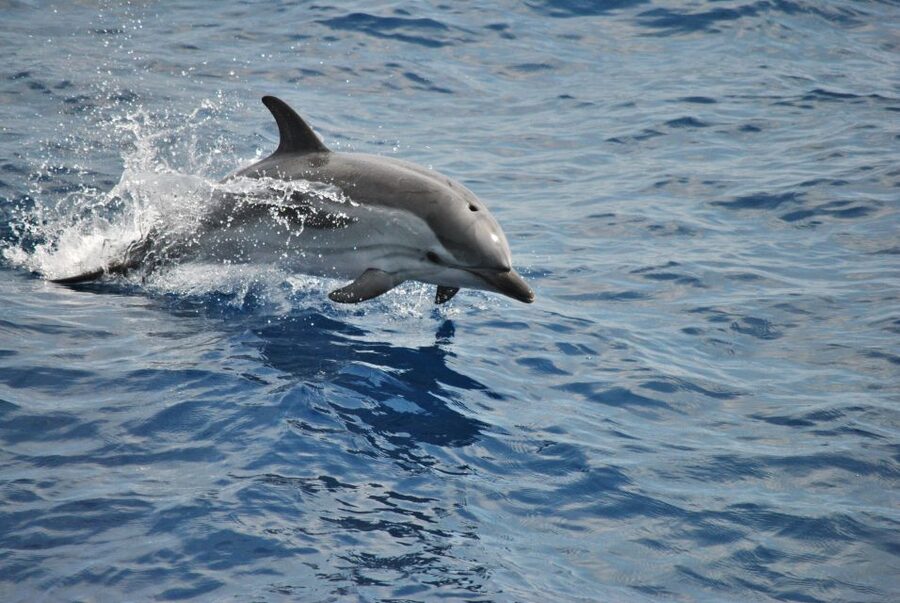
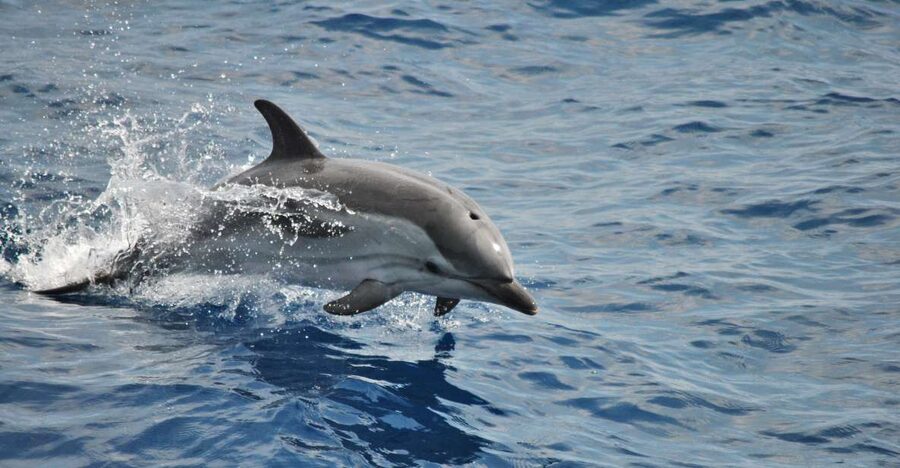
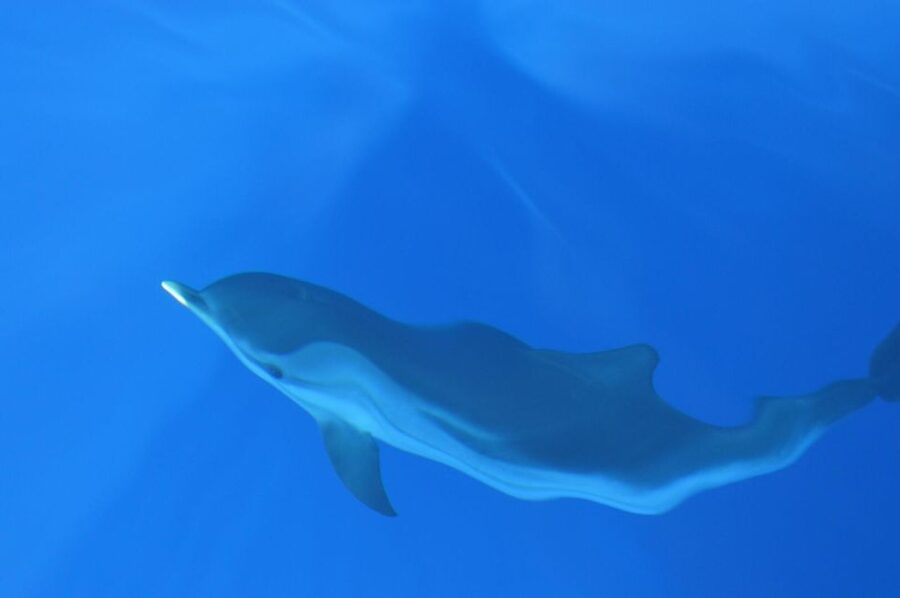
The possible sightings are unusually varied. Striped dolphins are among the most commonly reported animals, sometimes appearing in pods of more than 25. They may swim beside the boat, pass underneath it, or race along its path.
Dolphins can make the trip rewarding even when no whale appears. Large pods often stay visible for several minutes, giving you more chances to watch their movement than you might get from a single whale surfacing once.
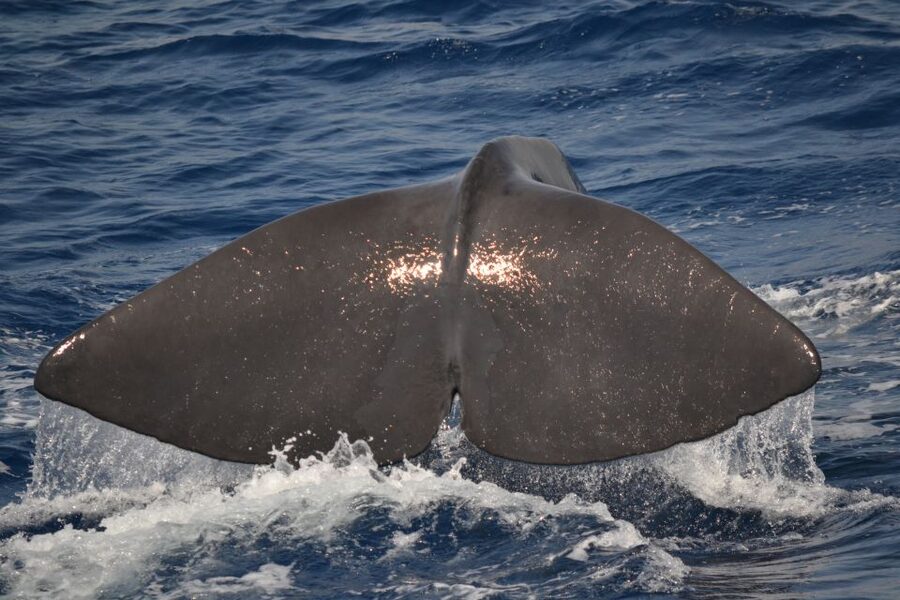
Whale sightings have included sperm whales, fin whales, Cuvier’s beaked whales, and smaller whales described as juvenile or minke whales. Sperm whales are especially exciting because they spend much of their time below the surface and can appear only briefly.
Cuvier’s beaked whales are even harder to find. They are known for long, deep underwater journeys, so seeing several at the surface is a rare event. If the guide tells you that the sighting is unusual, pay attention: it may be one of the most memorable moments of your time in Liguria.
The sea can also produce surprises. Turtles, including loggerhead turtles, and seabirds have appeared during past outings. These are not the main target, but they add interest during the quieter periods between dolphin or whale sightings.
Pilot dolphins and other Mediterranean cetaceans are also possible. The operator describes the area as a habitat for several kinds of whales and dolphins, but no particular species is guaranteed.
Why calm weather matters more than the calendar
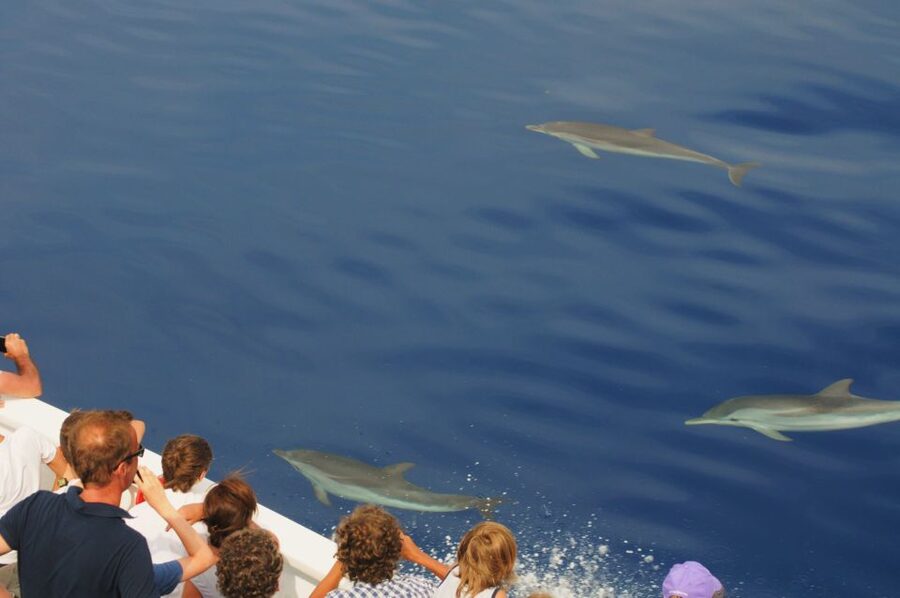
The chance of seeing animals is described as similar throughout the year, but the cruises run from April through October because conditions are usually better. The months before the busiest summer period can be especially appealing because there is often less shipping traffic.
The most useful weather is a calm sea with little or no wind. A smooth surface makes a whale’s blow, dorsal fin, or back easier to spot. Wind creates whitecaps that can hide the brief signs you are looking for.
This matters more than choosing a particular month. A sunny day with a choppy sea may be less useful than a cooler day with flat water. If your schedule allows, check the forecast and choose the calmest available date.
The trip does operate with a minimum number of passengers, so it is not dependent on filling a large boat. Still, the experience can feel busy. One afternoon was described as full, with limited chances to speak directly with the marine biologist.
A few more whale trips around the world worth a look
- Tenerife: Eco-Yacht Whale and Dolphin Watching and Swimming
★ 4.7 · 15,619 reviews - Los Cristianos Respectful No-Chase Whale and Dolphin Safari
★ 4.6 · 12,782 reviews - Reykjavík: Whale Watching and Marine Life Cruise
★ 4.6 · 9,838 reviews - From Funchal: Ecological Catamaran Dolphin Whale Watching
★ 4.5 · 8,204 reviews
A wildlife experience built around patience
You need the right mindset for this outing. The crew may spend long periods scanning the horizon with no visible animal. That is not poor organization. It is the normal rhythm of searching for wild cetaceans in a huge area of sea.
The boat may slow down or drift while the crew watches for movement. If you are prone to seasickness, this is the point to take sensible precautions before departure, since drifting can feel more uncomfortable than steady forward motion.
The quiet stretches are part of the experience, but they will not suit everyone. If you want constant action, a harbor cruise or a shorter sightseeing trip may be a better fit. If you enjoy natural history and do not mind waiting, the slow pace makes the eventual sighting more powerful.
The crew’s attitude is another strength. Guides remain focused on finding animals while trying not to disturb them, and the captain has been careful not to chase dolphins or whales aggressively. That restraint is important. A close look is enjoyable, but the animals’ welfare comes first.
What the $51 price really buys you
At $51 per person, this is a good-value half-day outing if you are happy to pay for the search rather than a guaranteed show. Your fare includes the boat cruise and guide, with four hours on the water and access to the biologist’s explanations.
The value improves if you see dolphins, turtles, or seabirds even without a whale. Several outings have produced large dolphin pods, and some have included both dolphins and small whales. A quiet day is still a substantial boat trip, but you should understand that the price does not buy a guaranteed encounter.
The free return option softens that risk. If you see no cetaceans at all, you can take another excursion within one year of the first trip. You need to contact Golfo Paradiso to arrange the additional booking, and the offer does not mean you can return simply because you hoped for a different species.
There are drinks available for purchase onboard, and a toilet is available. Those small comforts matter during a four-hour trip, especially for families.
Who will enjoy this most
I would recommend the cruise to anyone who likes marine life, open-water scenery, and patient observation. It is also a strong choice if you want a memorable change from Genoa’s museums, churches, and harbor walks.
Families can enjoy it, especially when children are interested in animals. The trip has produced dolphins swimming near the boat and whales with calves, but parents should explain beforehand that much of the activity involves looking and waiting.
It also suits photographers who care more about the moment than a perfect image. Wildlife surfaces quickly, and the boat may be moving or turning when an animal appears. Bring patience rather than expecting a close, still subject.
This is not a good choice for anyone with limited mobility, as the activity is specifically listed as unsuitable for people with mobility impairments. It may also be uncomfortable for anyone who becomes seasick in open water or dislikes long stretches without visible action.
Practical advice for making the most of the afternoon
Choose the calmest day you can. Light wind and smooth water give you the best chance of spotting animals, so do not select a date based only on temperature or sunshine.
Arrive at Porto Antico with enough time to find Calata Mandraccio near the Bigo and the Coast Guard patrol boats. The scheduled departure is 1 p.m., and the boat cannot wait for a late arrival.
Wear clothing that works in changing conditions. Even a warm day in Genoa can feel cooler on open water, and the breeze may increase once the boat leaves the harbor.
Keep your eyes on the surface, not just on the guide. The crew will help, but several people scanning different sections of sea improve your own chances of catching a fin or blow.
Listen closely when the biologist explains the animals. The best part of the trip is not just seeing a whale. It is learning why the animal surfaces where it does, how dolphins travel in groups, and why some whale sightings are far rarer than others.
If you have a train later, do not schedule it tightly after the return. The search can run beyond the planned four hours when an important sighting occurs. That extra time may be welcome, but it can disrupt a strict itinerary.
Should you book the Pelagos Sanctuary cruise?
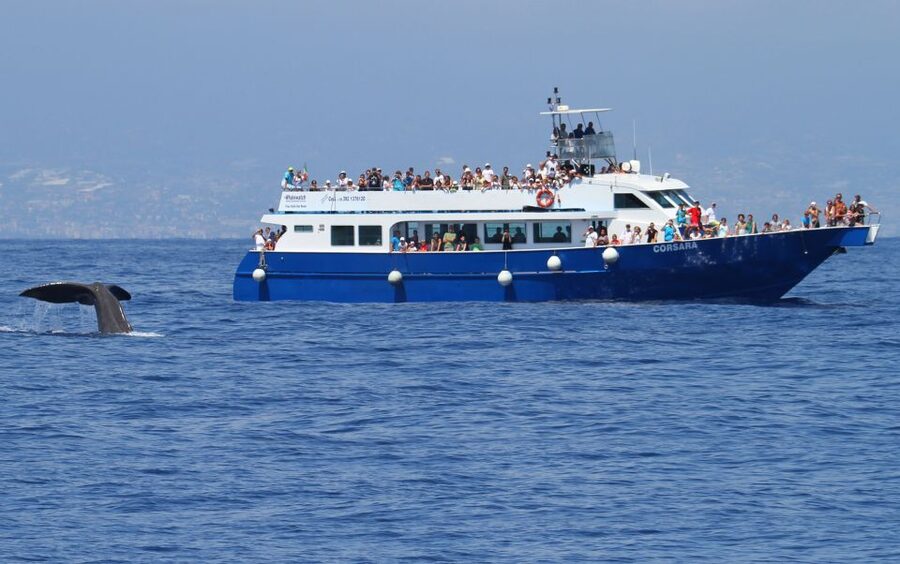
Book it if you can accept uncertainty and want a serious wildlife outing rather than a short sightseeing ride. The combination of open-sea views, a biologist guide, respectful boat handling, and the chance to see large dolphin pods makes $51 a fair price.
The strongest reason to go is the range of possible encounters. One trip may bring striped dolphins and turtles, another may produce sperm whales or Cuvier’s beaked whales, and another may offer only seabirds and open water.
Skip it if you need a guaranteed sighting, have limited mobility, or have a tight afternoon schedule. For everyone else, choose a calm-weather date, leave room in your day, and treat the search itself as part of the experience.
FAQ
Where does the whale-watching cruise leave from?
The boat leaves from Genoa’s Porto Antico at Calata Mandraccio, near the Bigo and close to the Genoa Coast Guard patrol boats.
How long does the excursion last?
The scheduled duration is about four hours. It can run longer if the crew finds an animal and continues observing it.
What time does the boat depart?
The scheduled departure from Genoa’s Porto Antico is 1 p.m.
What animals might I see?
Possible sightings include striped dolphins, pilot dolphins, sperm whales, fin whales, Cuvier’s beaked whales, other Mediterranean whales, turtles, and seabirds. Sightings are not guaranteed.
What happens if no animals are seen?
If there is no sighting of any kind, you can return for a second excursion free of charge within one year of the first trip. You must contact the activity provider to arrange the additional booking.
Is the cruise available in English?
The listed languages are English and Italian. A German or English-speaking guide may also be requested.
Just added around the world
- Newport Beach: Year-Round Whale Watching Cruise★ 4.2 · 151 reviews
- Wilsons Promontory: Whale Spotting Cruise with Lunch★ 4.9 · 20 reviews
- Wismar: Electric Boat Tour past Whale Island with Poel Stop★ 4.3 · 91 reviews
- Madeira : Whales and Dolphins wooden boat excursion★ 4.1 · 247 reviews
- Juneau: Mendenhall Glacier and Whale Watching Tour★ 4.6 · 98 reviews
- West Oahu: Eco-Friendly Whale Watching Cruise★ 4.5 · 40 reviews
- From Punta Canta: Whale Watching Cruise with Cayo Levantado★ 3.9 · 7 reviews
- Whale watching tour SEASONAL★ 4.1 · 3 reviews
Whale Watching Cruises, compared.
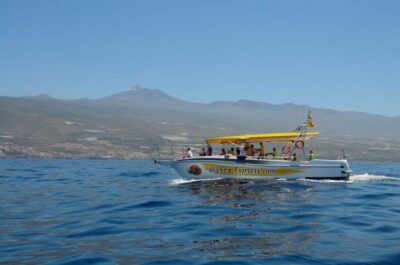
Los Gigantes: Dolphin & Whale Watching Cruise with Swim Stop
Read our review →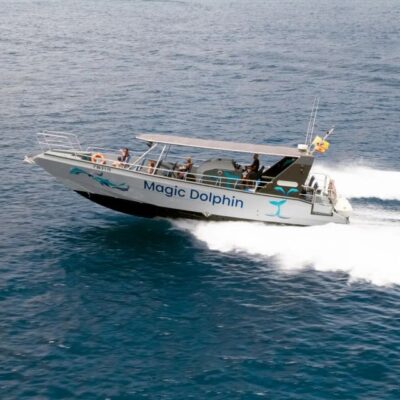
Morro Jable: Dolphin & Whale Watching Cruise, Drinks & Swim
Read our review →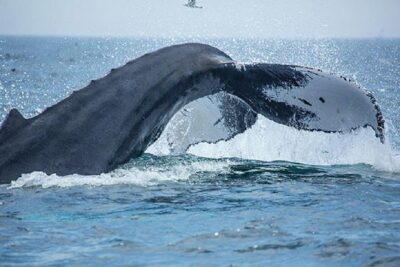
City Cruises Boston Whale Watching Cruise by High-Speed Boat
Read our review →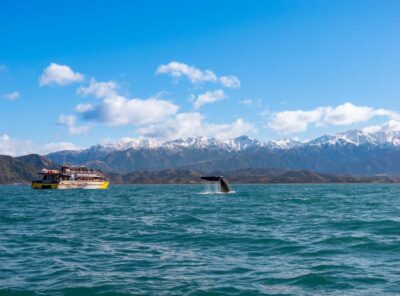
Reykjavík: Whale Watching Cruise on the Amelia Rose Yacht
Read our review →
Gran Canaria: Dolphin and Whale Watching Cruise
Read our review →
Browse the lists this tour appears in