Review · MONTEREY
Monterey: Sunset Whale Watching Cruise with A Guide
Monterey Bay can deliver a remarkable wildlife show before the sun even begins to drop. Humpback whales may surface beside the boat, dolphins can travel in large groups, and sea lions, otters, porpoises, and seabirds often add to the action. On rare occasions, blue whales and orcas appear too. The sunset is the grand finale, but the animals are the real reason to come.
I like two things especially: the small-boat feel, which can put you close to the water and the wildlife, and the guides who turn sightings into a lesson in migration, feeding, and conservation. Isaiah, Andrew, Kevin, Maddie, and other naturalists have earned strong praise for explaining what you are seeing without letting the commentary take over the trip.
The catch is simple: wild animals set the schedule. You may see several whales, or one distant blow, and a foggy evening can hide the sunset. The boat can also feel cold, windy, and choppy, so warm layers and motion-sickness medicine are smart choices.
Five things to know before you book
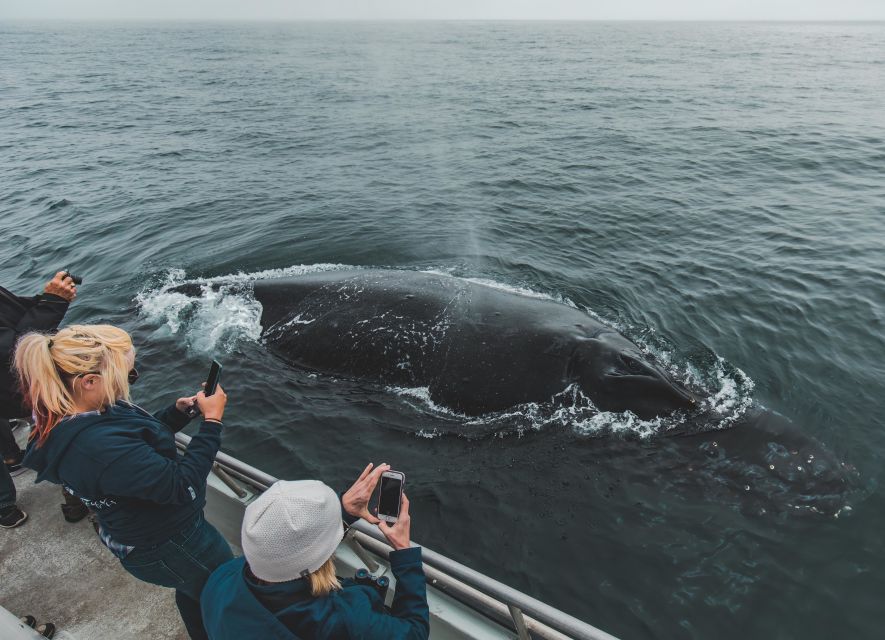
- Whales are possible throughout the three-hour cruise: Humpback whales are a frequent target, while gray and blue whales appear at certain times, and orcas are an occasional surprise.
- The naturalist guides do real field work: Sightings are recorded as part of local wildlife research, giving the commentary a useful scientific purpose.
- The sunset departure changes the mood: You get daylight for spotting animals, then softer light and water views on the return.
- The boat is smaller than some Monterey whale-watch vessels: That can help you feel close to the sea, but it also means more motion in rough water.
- Plan for cold conditions even in summer: Bring long pants, closed-toe shoes, rain gear, sunscreen, a hat, and weather-appropriate clothing.
- Allow extra time at Fisherman’s Wharf: Check in at least 45 minutes before departure, complete the Coast Guard waiver, and pay for parking before walking to the boat.
Setting out from Monterey’s Fisherman’s Wharf
Your trip begins at Discovery Whale Watch, 66 Fisherman’s Wharf, Monterey. You need to check in at least 45 minutes before departure, which is not excessive once you account for parking, the walk, and the required Coast Guard waivers.
The closest listed parking is Monterey Harbor Waterfront at 245 Washington Street. Pay through the ParkMobile app or at a pay station before walking toward Wharf 1. The route passes the pink Harbor House and the yellow Crab House. Turn right after the Crab House and look for the blue Discovery Whale Watch building.
That parking detail matters. The stated penalty for failing to pay is $49, so do not treat the waterfront lot as informal free parking. RV parking is available, but you should still allow time to get organized before check-in.
Each person in your party needs an electronic waiver. Adults complete waivers for children, and the link can be forwarded by text or email. Handle this before arriving if possible. It is a small task, but it removes one more delay when the boat is preparing to leave.
More Sunset Whale Watching in the USA
- Sunset Whale Watch Tour in Monterey
★ 5.0 · 86 reviews - Maui Premium Sunset Dinner Cruise & Whale Watch
★ 4.5 · 504 reviews - Dolphin and Whale Watching Sunset Cruise
★ 4.5 · 249 reviews
The first run across Monterey Bay
Once aboard, the captain takes the boat out from the wharf and the search begins. The opening stretch gives you time to settle in, watch the shoreline recede, and learn how the crew looks for wildlife.
A naturalist or marine biologist provides live commentary in English. Guides such as Isaiah have explained local history, migration patterns, and whale behavior, while Andrew and Kevin have also been praised for mixing useful facts with a relaxed sense of humor. That matters because whale watching involves long pauses. A good guide helps you understand what to scan for instead of leaving you to stare at empty water.
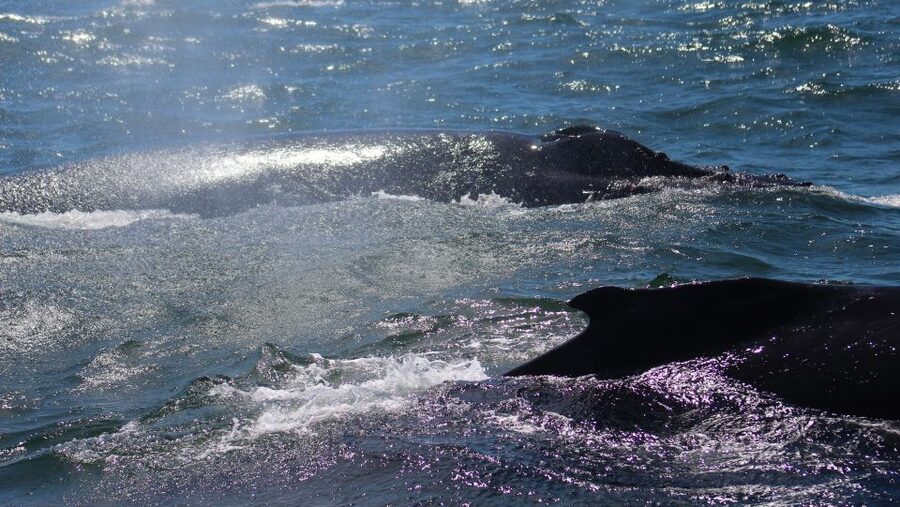
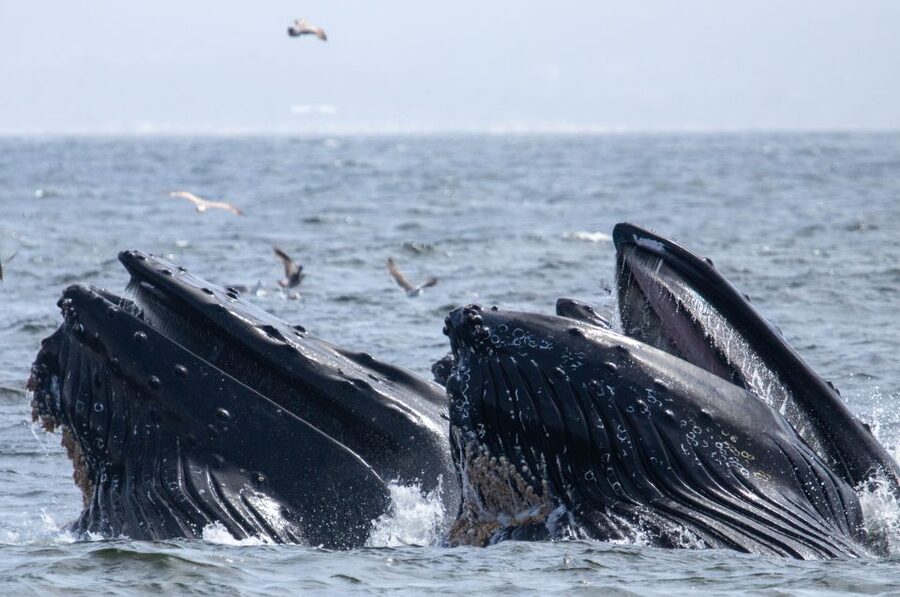
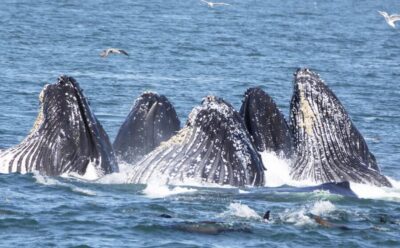
The crew also shares information about Monterey Bay’s seasons. Different species use the bay at different times, and the range of sightings can change from one departure to the next. Humpbacks are the most common star in the accounts of this cruise, sometimes appearing in groups while feeding on anchovies. One evening produced around 20 humpbacks, while other trips recorded four, seven, or eight.
There is no promise that your boat will find the same scene. That is part of the bargain with wild animals. The crew works to maximize your chances, but it cannot call a whale to a particular patch of ocean.
Humpbacks, dolphins, and the wildlife around them
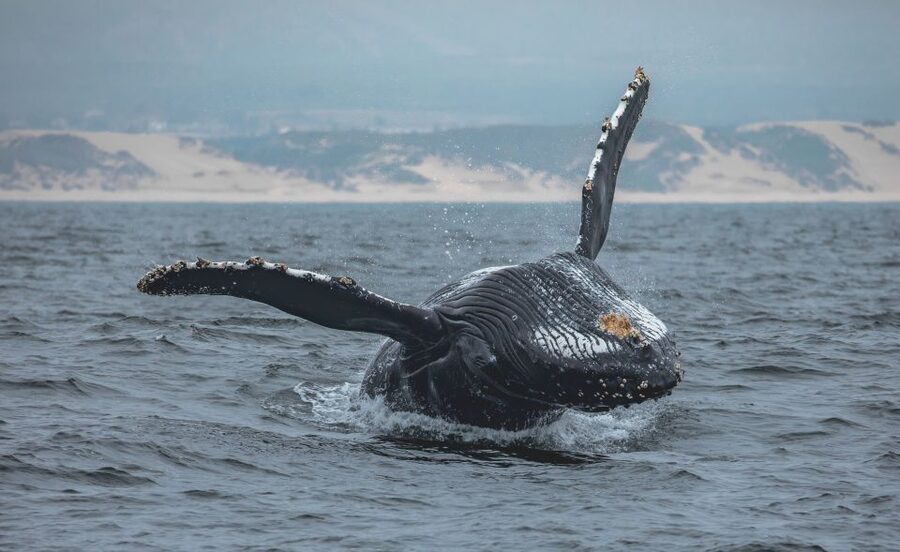
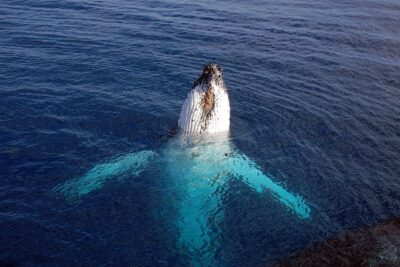
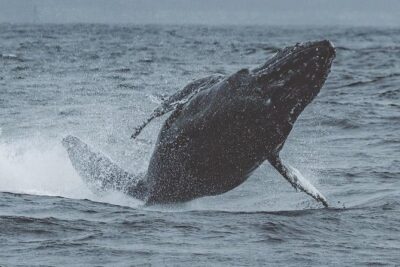
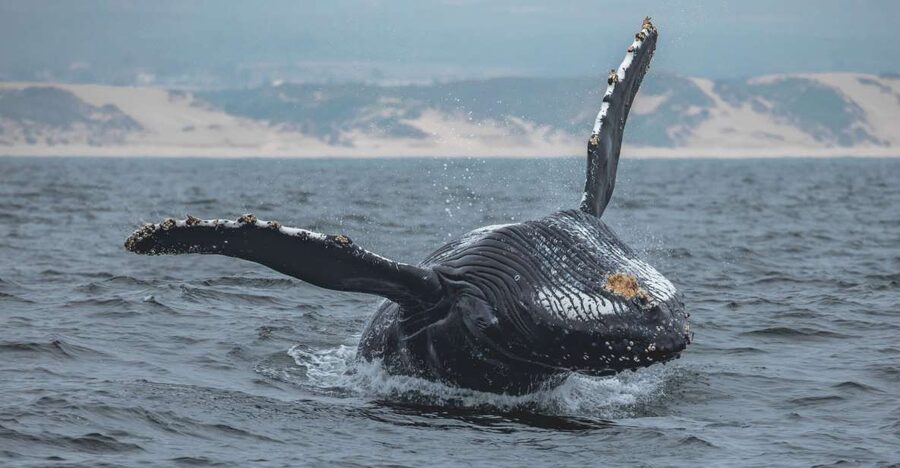
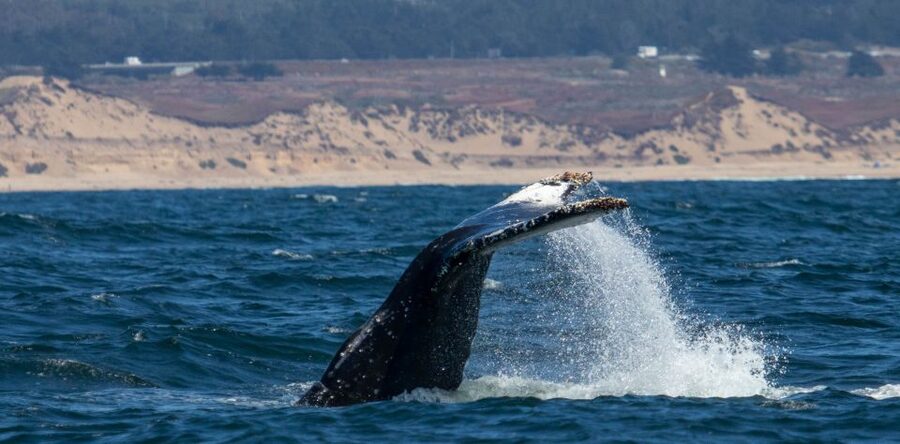
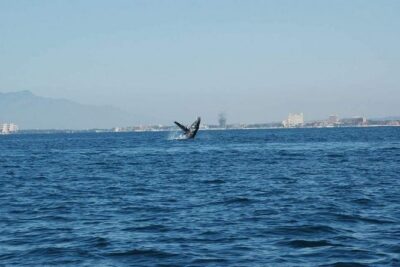
Humpback whales are the main attraction, and they can make the entire trip worthwhile with one good sequence of surfacing. You might see a blow first, then a dark back, a tail fluke, or a breach. A few lucky passengers have watched whales feed beside the boat, pass underneath it, or remain in the area for close to an hour.
The distance is not always close. One trip produced many breaching whales that remained far away, while another saw only one whale briefly. I would set your expectations around repeated chances to see whales, not a guaranteed close encounter or dramatic breach.
Dolphins can be just as memorable. Sightings have included large groups of more than 100 dolphins, Risso’s dolphins, and Dall’s porpoises. These smaller animals often add energy to a quiet stretch because they move quickly and can appear in several directions at once.
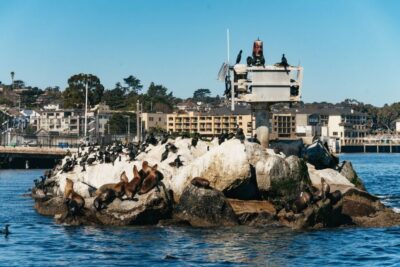
Sea lions are regular supporting players, and you may also see sea otters, sunfish, and seabirds. One particularly varied trip included a mother and baby humpback, a solitary feeding whale, sea lions, dolphins, and otters. That range is one of the cruise’s strengths. Even if the whales stay distant, the bay may still give you plenty to watch.
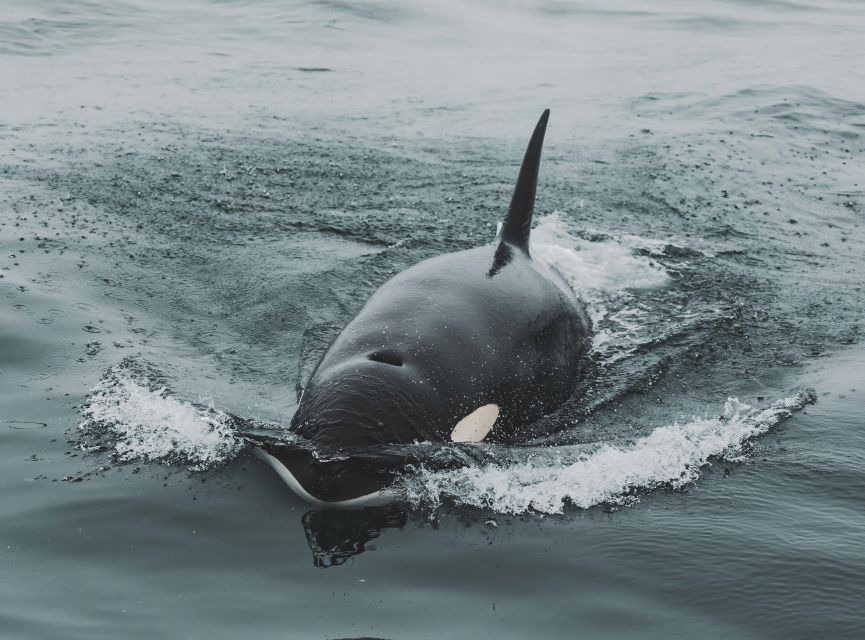
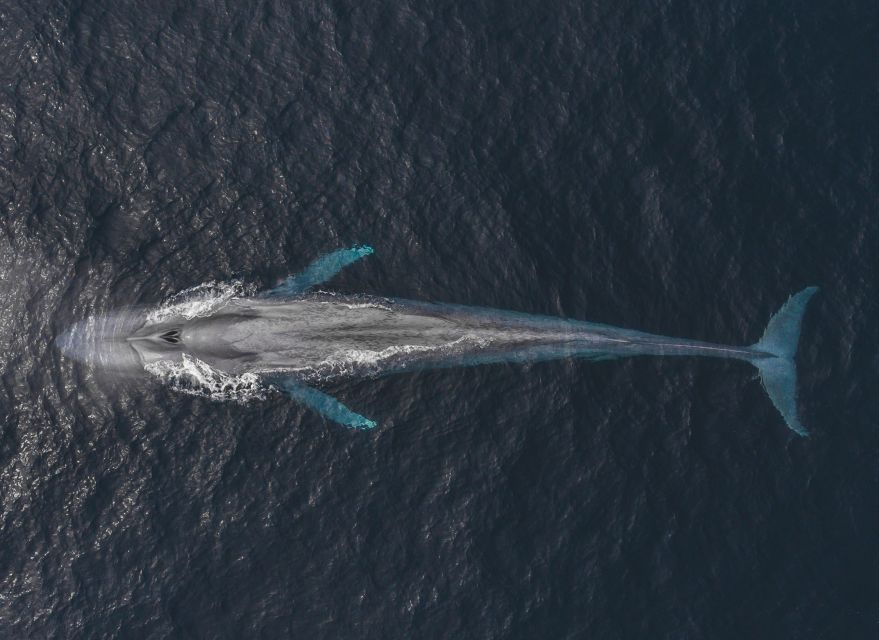
Blue whales and killer whales are possible, but they are not normal guarantees. One trip recorded both species, which shows what can happen, but you should treat those sightings as a bonus rather than a booking reason.
What the naturalists add to the trip
The guide is not there only to identify animals. The naturalist explains how whales feed, why they migrate, and what signs to watch for before a surfacing. You also hear about local natural history and conservation, which gives more meaning to the sightings.
The crew collects wildlife sighting data during the cruise. You get a chance to see marine research in action as naturalists record what appears in the bay. It is a modest but worthwhile connection between sightseeing and ongoing study.
Guide personality varies, of course, but the strongest examples include Isaiah’s energetic teaching style, Andrew’s friendly explanations, and Kevin’s fun facts about Monterey’s marine life. Maddie and Jessie have also been praised for keeping the trip both informative and entertaining. The best guides know when to talk and when to let you listen for the next blow.
You should ask questions. This is one of the better parts of a guided wildlife trip, and the crew expects you to be curious. Ask about migration seasons, the difference between a whale blow and a porpoise surfacing, or how sightings are recorded. You may get more from the experience by engaging with the naturalist than by simply waiting for a dramatic photograph.
More Whale Watching Cruises in the USA
- Monterey: Whale Watching Cruise
★ 4.3 · 179 reviews - Monterey Private 3 – 4 Hour Whale Watching Cruise
★ 5.0 · 2 reviews - Boston: City Cruises Whale Watching Cruise
★ 4.5 · 4,710 reviews - City Cruises Boston Whale Watching Cruise by High-Speed Boat
★ 4.5 · 3,115 reviews
The sunset return to the wharf
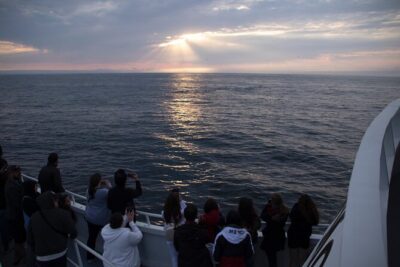
The boat’s return is timed around sunset. After the active search for wildlife, the pace usually becomes more relaxed as the sun lowers over Monterey Bay and light reflects across the water.
This is where the trip differs from a standard daytime whale watch. Even if the animal sightings are modest, the evening setting can still make the ride feel special. The sunset also gives you a second kind of subject for your camera: the bay, the horizon, and the changing color on the water.
Do not assume the sunset will be clear. Fog can cover the horizon, and one trip had no visible sunset at all. Monterey’s coastal weather can change quickly, so bring rain gear and warm clothing even when the afternoon looks pleasant.
The evening can also become colder as the sun drops. Long pants and layers are more useful than a light jacket alone. Wear closed-toe shoes, especially when the deck is wet or the boat is moving over rough water.
Boat size, comfort, and seasickness
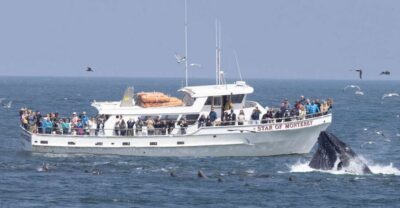
Discovery Whale Watch uses boats that some passengers describe as smaller than vessels operated by other companies. The benefit is a more personal feel and, in good conditions, a closer connection to the water. Some trips have had plenty of deck space, so the boat did not feel cramped even with a full group.
The tradeoff is motion. A smaller boat can feel shaky in choppy seas, and one departure left several people seasick. Another account described strong wind, cold conditions, and a ride that felt alarming at times. That does not mean every trip will be rough, but it is an important consideration for anyone sensitive to motion.
Take seasickness medicine if you normally need it. The supplied advice from experienced passengers is clear: do not wait until nausea begins. Keep your eyes on the horizon when possible, dress warmly, and expect some spray or wet conditions.
This cruise is not suitable for pregnant women. A review also raised concerns for people with mobility issues, so contact the provider before booking if you have difficulty boarding, standing, or moving around on a boat. The available information does not describe a specific accessibility setup, so do not assume the vessel will meet your needs.
Is $75 a fair price?
At $75 per person, the cruise sits in a reasonable range for a three-hour Monterey whale-watching outing, especially because a marine biologist or naturalist leads the trip. You are paying for time on the bay, the crew’s ability to locate wildlife, and interpretation that helps you understand what you see.
The value depends partly on your expectations. If you need a guaranteed close whale encounter, no wildlife cruise can offer that. If you see only distant whales and a few dolphins, the price may feel high. If you see several humpbacks, a large dolphin group, sea lions, and a sunset, the same fare feels very fair.
I also like that the experience includes more than a quick ride to one known viewing area. The crew searches, records sightings, explains the local ecology, and keeps looking during the return. That gives the three hours a clear purpose even when nature does not produce a perfect show.
Hotel pickup and drop-off are not included. You need to arrange your own way to Fisherman’s Wharf and pay for parking separately. Build those costs and the early check-in time into your plan.
Who will enjoy this cruise most?
I would recommend it to anyone who wants a wildlife experience with room for questions and a strong evening setting. Families can benefit from the live explanations, though children should be ready for periods of waiting between sightings.
It is also a good choice for photographers who want both marine animals and sunset light. Keep your camera ready, but do not spend the whole cruise looking through a screen. A whale may surface behind you, and the guide’s instructions are often more useful than trying to predict the exact spot yourself.
Couples and first-time visitors to Monterey may especially like the combination of scenery and wildlife. You get an active outing without giving up the calmer pleasure of watching the bay after sunset.
I would be cautious if you are prone to seasickness, pregnant, uncomfortable in cold wind, or unable to move easily on a boat. The cruise can be excellent in calm conditions, but the ocean does not promise a smooth ride.
Booking details worth handling early
You can cancel up to 24 hours before departure for a full refund, and a reserve-now, pay-later option is available. That flexibility helps if your Monterey plans depend on weather or changing road conditions.
Check the available start time for your date because the cruise lasts three hours and operates around sunset. Arrive 45 minutes early, complete every waiver, and give yourself time to walk from the parking area.
Pack this short list:
- Long pants and warm layers
- Closed-toe shoes
- Sun hat and sunscreen
- Rain gear
- Motion-sickness medicine if needed
- A camera with room for many photographs
Alcohol and drugs are not allowed. The tour is conducted in English.
Should you book the Discovery Whale Watch sunset cruise?
Yes, if you want a well-guided Monterey Bay wildlife trip and you understand that nature makes the final decision. The strongest reasons to book are the frequent humpback sightings, the chance to see dolphins and other marine life, the naturalists’ clear explanations, and the sunset finish.
I would choose this cruise over a bare-bones boat ride because the crew adds useful context and records sighting data as part of its work. I would also choose it if a smaller vessel appeals to you, provided you are ready for more motion.
Book it with warm clothing, realistic expectations, and enough time before departure. You may see only a distant blow, or you may watch whales feed under the boat while dolphins race past. That uncertainty is not a flaw in the bay. It is the honest price of seeing wild animals in their own setting.
FAQ
How long is the Monterey sunset whale-watching cruise?
The cruise lasts three hours, including the wildlife search and the return toward the wharf around sunset.
Where does the cruise depart?
It departs from Discovery Whale Watch at 66 Fisherman’s Wharf, Monterey, California 93940.
How early should I arrive?
You should check in at least 45 minutes before departure with the required Coast Guard waivers completed.
What wildlife might I see?
Possible sightings include humpback, gray, and blue whales, dolphins, killer whales on occasion, sea lions, sea otters, porpoises, sunfish, and seabirds.
Are whales guaranteed?
Whales are seen every day in the area, but a specific cruise cannot guarantee a close sighting, a certain species, or a breach.
What language is the tour conducted in?
The live tour guide and commentary are in English.
Is hotel pickup included?
No. You need to make your own way to Fisherman’s Wharf.
Where can I park?
The closest listed parking is Monterey Harbor Waterfront at 245 Washington Street. You must pay through the ParkMobile app or at a pay station before walking to the wharf.
What should I wear and bring?
Bring a sun hat, sunscreen, long pants, closed-toe shoes, rain gear, and clothing suited to the weather. Warm layers are especially useful because the boat can be cold and windy.
Can pregnant women take this cruise?
The experience is listed as unsuitable for pregnant women. It may also be difficult for people with mobility issues, so ask the provider about your needs before booking.
More Whale Watching Cruises in Monterey
- Los Gigantes: Dolphin & Whale Watching Cruise with Swim Stop
★ 4.7 · 4,539 reviews - Morro Jable: Dolphin & Whale Watching Cruise, Drinks & Swim
★ 4.1 · 4,158 reviews - Kaikoura: Whale Watching Cruise
★ 4.6 · 3,089 reviews - Reykjavík: Whale Watching Cruise on the Amelia Rose Yacht
★ 4.5 · 2,911 reviews
More Sunset Whale Watching Tours in Monterey
- Los Cristianos: Eco Yacht Whale Watching Tour at Sunset
★ 4.6 · 2,130 reviews - Funchal: Dolphin and Whale Watching Sunset Sailing Tour
★ 4.7 · 1,642 reviews - Vancouver Sunset Whale Watching Adventure with Free Photos
★ 5.0 · 454 reviews - Victoria Sunset Whale-Watching Cruise
★ 5.0 · 281 reviews
Just added around Monterey
- 3-Hour Whale Watching Tour from Monterey★ 5.0 · 240 reviews
- Sunset Whale Watch Tour in Monterey★ 5.0 · 86 reviews
- Afternoon Whale Watch★ 5.0 · 186 reviews
- Monterey Private 3 – 4 Hour Whale Watching Cruise★ 5.0 · 2 reviews
- Monterey: Private Whale Watching/Sailing Tour for 6★ 4.8 · 3 reviews
- Monterey: Whale Watching Cruise★ 4.3 · 179 reviews
- Monterey Bay Whale Watching★ 4.5 · 316 reviews
- Monterey: Whale Watching Tour with A Marine Guide★ 4.7 · 348 reviews
Monterey Whale Watching Tours, compared.
Monterey: Monterey Bay Dolphin and Whale Watching Boat Tour
Read our review →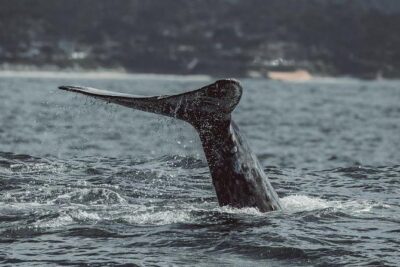
Monterey: Whale Watching Tour with A Marine Guide
Read our review →