
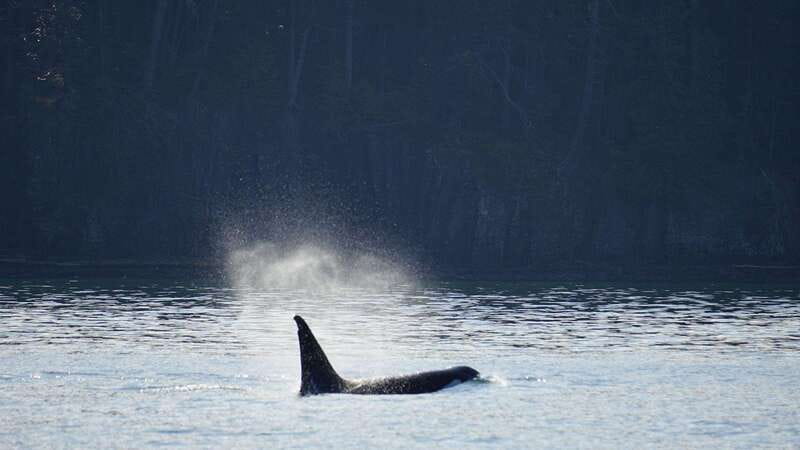
Review · USA
Orcas Island: Whale and Orca Guided Speedboat Tour
Orcas Island is one of the best launch points for exploring the San Juan archipelago by water. This 210-minute trip takes you into open channels aboard a fast boat, where you search for orcas, humpbacks, minke whales, and gray whales in their natural setting. The stated chance of seeing whales is over 98 percent, though wildlife always keeps the final say.
I like two things here: the indoor and outdoor viewing areas, which give you shelter without cutting you off from the action, and the onboard naturalist guide, who explains whale behavior as you watch it. The boat also has a restroom, a small detail that matters on a three-and-a-half-hour outing.
The main drawback is the island logistics. You must reach Orcas Island by Washington State ferry, and the ferry ticket is not included. The tour dock is also not close to the ferry landing, so plan your transfer carefully rather than assuming you can simply walk over.
Key points to know before booking
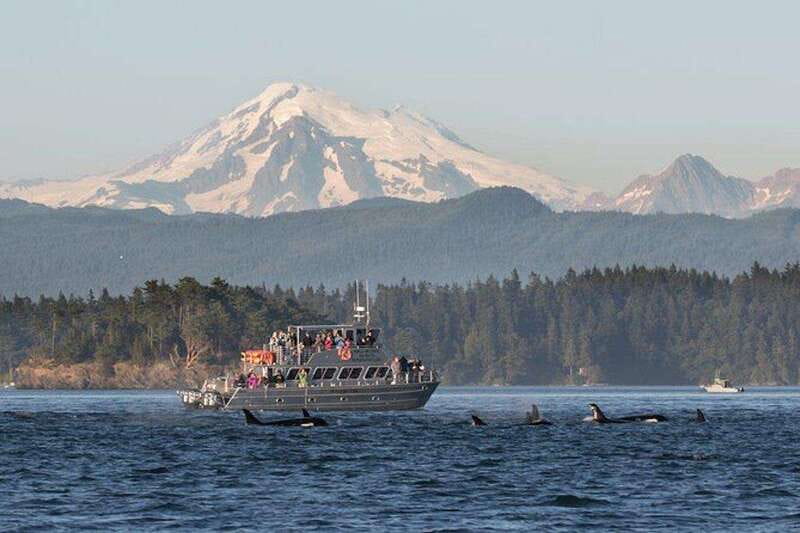
- A high chance of whales: The operator advertises more than a 98 percent chance of seeing whales, with orcas among the main targets.
- A fast boat across the San Juans: The speedboat lets you cover more water while searching for wildlife around the archipelago.
- Several species are possible: Keep watch for humpback, minke, and gray whales, as well as harbor seals, sea lions, porpoises, otters, bald eagles, and seabirds.
- Comfort matters here: You get indoor and outdoor viewing platforms, room to move around, and a restroom onboard.
- The ferry is part of the planning: Orcas Island is accessible only through the Washington State ferry system, and that ferry ride is not part of the $119 tour price.
- Guides add context: Crew members including Brock, Megan, Ginny, Hannah, Trevor, Sam, Liberty, and Elliot have been praised for friendly explanations and calm handling of the boat.
Setting out from Orcas Island
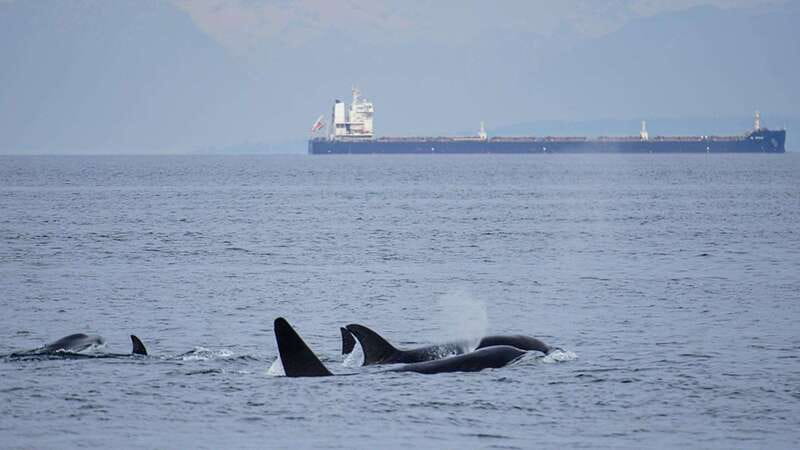
The tour begins at a small building on the dock, where you check in 30 minutes before departure. That early arrival is useful because Orcas Island requires more planning than a mainland departure. You are not simply driving to a marina and stepping aboard.
The island sits in the heart of the San Juans and can only be reached by Washington State ferry. You need to allow enough time for the ferry crossing, unloading, and the trip from the ferry landing to the tour dock. One particularly practical warning: the dock is not close to the ferry drop-off, and a taxi ride has been reported as expensive. Check your ferry plan and local transport before booking the boat.
This is the kind of excursion that rewards a full day plan. Give yourself a generous cushion before departure. Arriving late because of a ferry connection would be a costly mistake, especially since the tour asks you to check in half an hour early.
Once aboard, you leave the dock and begin scanning the water. The goal is not a fixed series of shore stops. Instead, your captain and guide respond to wildlife reports and conditions, heading through the San Juan Island archipelago in search of whales and other animals.
More Orca Watching Tours in the USA
- Orcas Island Whale Watching
★ 4.5 · 442 reviews - Orca Cove Sea Kayaking
★ 5.0 · 322 reviews - Kenai Fjords Orca Quest Cruise
★ 5.0 · 137 reviews
Why the speedboat changes the outing
The boat is described as one of the fastest whale-watching boats in the Salish Sea. That does not mean the trip is a nonstop race. Speed matters because whales move, sightings can be spread across a wide area, and the crew may need to cover substantial water to find active wildlife.
A faster boat can also make the journey feel more like an expedition than a short harbor cruise. You spend much of the 210 minutes moving among islands and channels, with the scenery changing as the crew searches. The trade-off is that a speedboat can feel more exposed to wind and spray than a larger, slower vessel. The indoor viewing area gives you a break when needed.
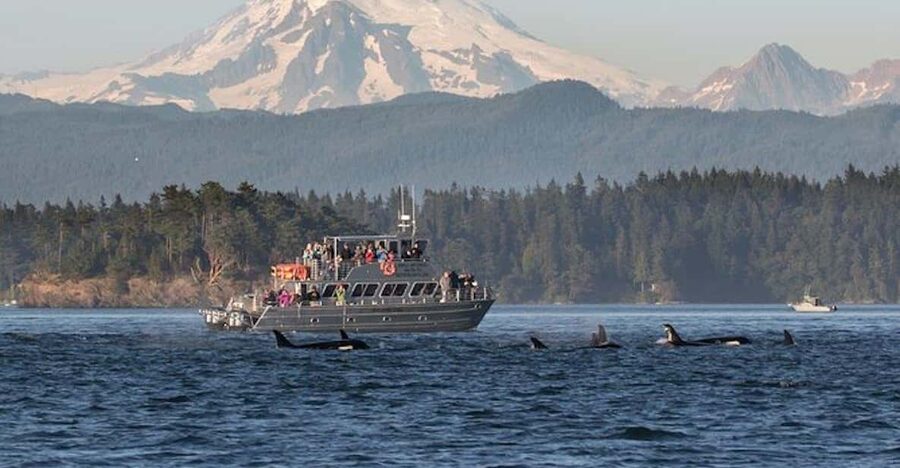
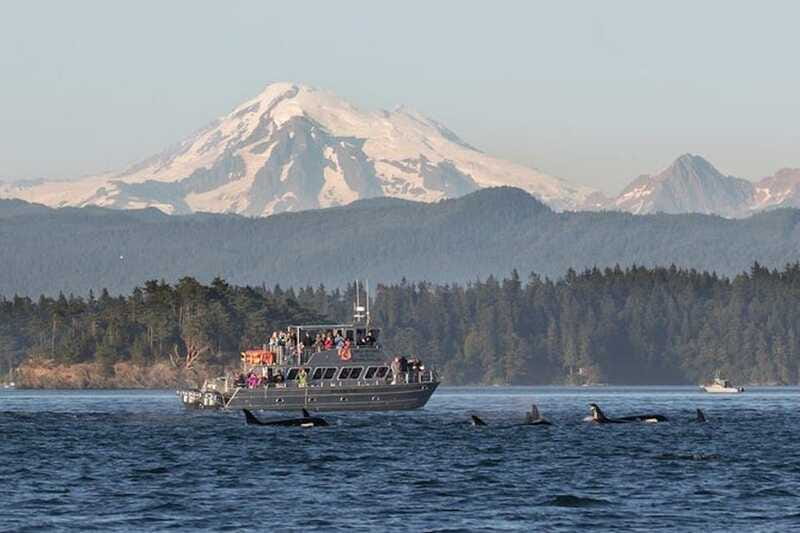
The boat has outdoor viewing platforms as well as an indoor space. This is a useful arrangement. You can step outside when a whale appears, then move inside when you want warmth, shelter, or a quieter view. The second-floor viewing deck has also been singled out as a helpful feature, since it gives you a better angle over the water.
There is plenty of room for everyone to get a view, according to the tour details. Still, wildlife watching involves movement and patience. A whale may surface on one side of the boat, then vanish before everyone has a camera ready. I recommend watching with your eyes first and treating photographs as a bonus.
Searching for orcas and other whales
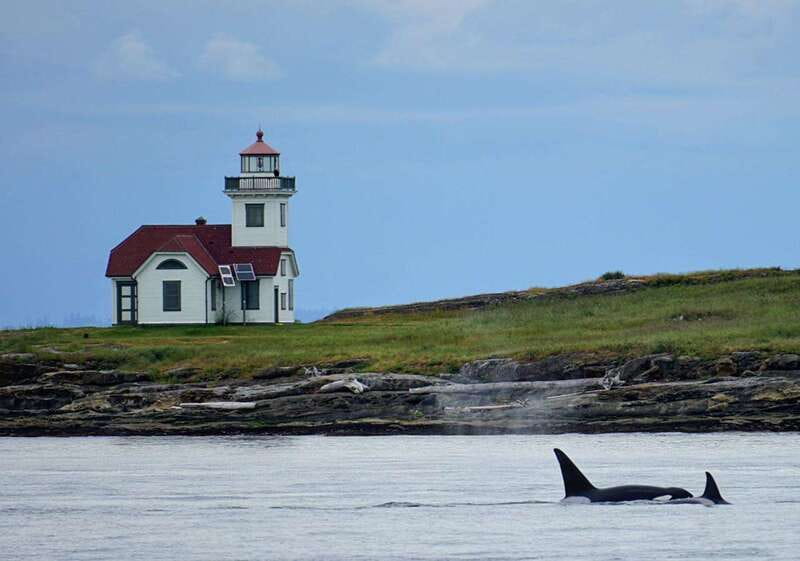
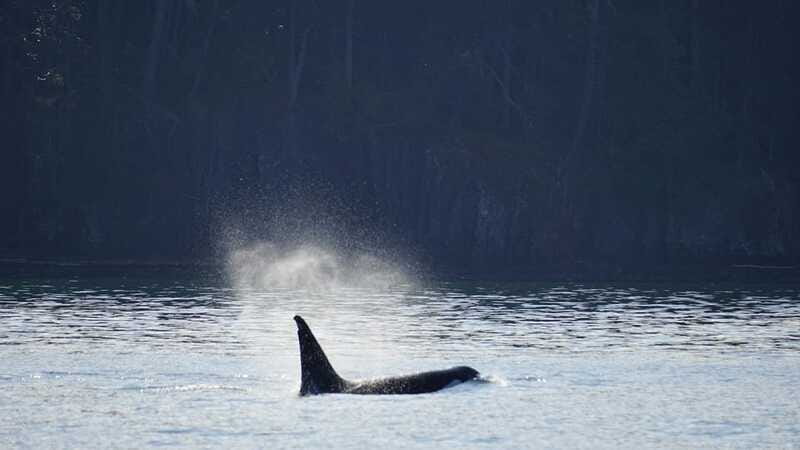
Orcas are the headline attraction, and the San Juan Islands are closely associated with them. The captain and naturalist guide search for pods moving through the surrounding waters, then explain what you are seeing when the animals surface.
The strongest moments come when the animals are active. A pod has been seen feeding for a good stretch of time, and another outing included an explanation of whale behavior while the group watched the animals work together. That is more rewarding than a quick glimpse of a dorsal fin because you begin to understand what the whales are doing, not just where they are.
Orcas are not the only possibility. The tour also searches for humpback, minke, and gray whales. Each species gives the trip a different feel, but the exact mix depends on where the animals are during your departure.
The advertised chance of seeing whales is over 98 percent. That is an unusually strong figure for a wildlife trip, but it should not be read as a promise of a particular species or a specific length of sighting. You may see orcas, or you may spend more time with other whales and marine life. Nature sets the schedule.
That uncertainty is part of the value. You are not visiting an aquarium with animals trained to appear on cue. You are moving through the animals’ own environment, with the crew making decisions based on current sightings.
The supporting cast: seals, porpoises, eagles, and otters
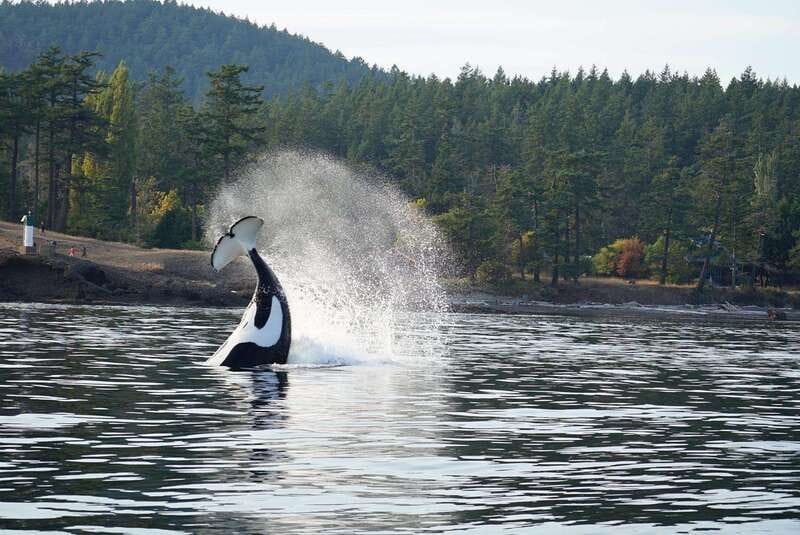
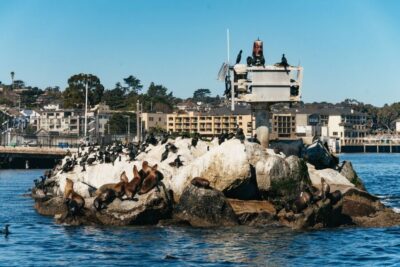
A successful outing is not measured only by the number of orcas. Harbor seals, sea lions, harbor porpoises, bald eagles, otters, and seabirds are all possible sightings.
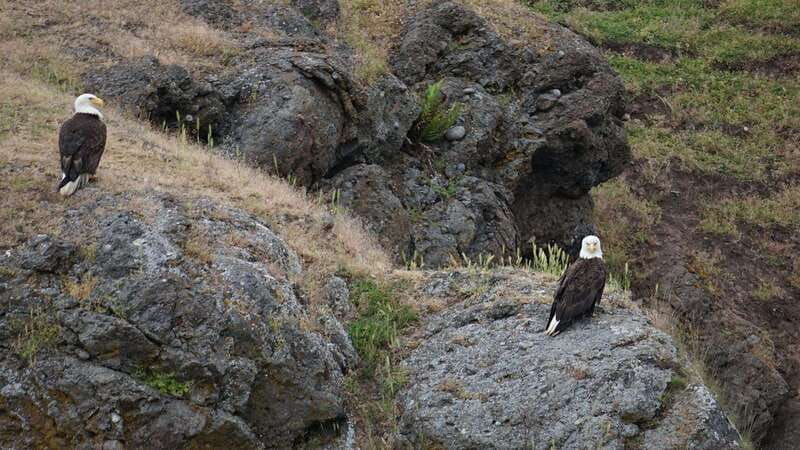
Several species have appeared together on individual trips, including orcas, harbor seals, harbor porpoises, bald eagles, and sea lions. Another memorable outing included Ollie, a sea otter known to the local crew. You should not expect to see every animal listed, but the range gives you more to watch for during quieter whale periods.
This variety helps families and mixed-interest groups. Someone fascinated by birds or sea lions can stay engaged even when the whales are underwater. It also makes the trip feel connected to the wider Salish Sea ecosystem rather than reduced to a hunt for one famous animal.
Bring patience. A porpoise may surface briefly, while a bald eagle can be easier to spot if you keep scanning the shoreline and sky. The naturalist guide helps turn these small sightings into part of the story.
Same water, a different way to meet the whales:
- Juneau Wildlife Whale Watching
★ 5.0 · 7,379 reviews - Juneau Wildlife Whale Watching & Mendenhall Glacier
★ 5.0 · 6,236 reviews - Boston: City Cruises Whale Watching Cruise
★ 4.5 · 4,710 reviews - Whale Watching Tour in Gloucester
★ 5.0 · 4,460 reviews
The guide makes the difference
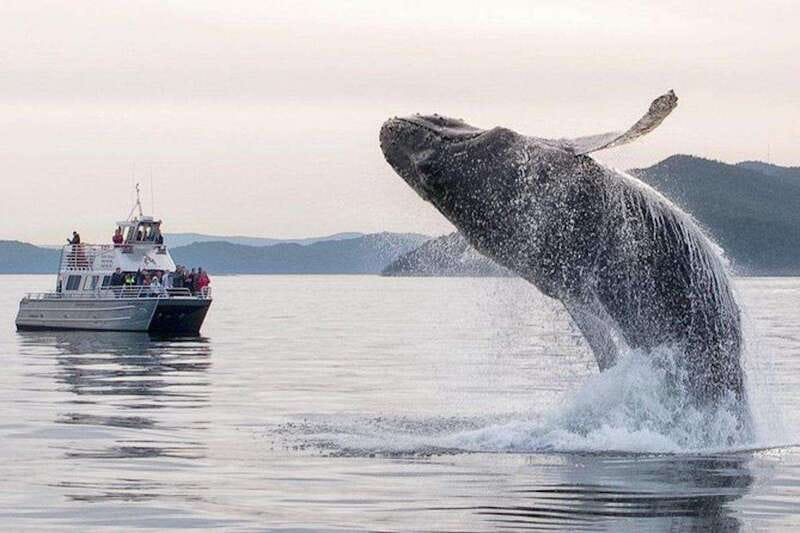
The guide is not simply a voice listing animal names. The best part of the format is having someone explain behavior as it happens. If a pod begins feeding or changes direction, the naturalist can give you a reason to pay attention to those details.
Crew members named in past outings include Brock, Megan, Ginny, Hannah, Trevor, Sam, Liberty, and Elliot. Their roles vary between guiding and captaining, and the feedback consistently highlights friendly personalities, clear explanations, and a good sense of humor.
That human side matters on a wildlife excursion. A guide who keeps you informed can make a long search feel purposeful. A captain who handles the boat calmly helps you relax when conditions change or when the vessel travels a long distance to reach whales.
One outing ran for four and a half hours instead of the scheduled three and a half because the boat went farther to find whales. That extra time was considered worthwhile, but it also shows that the day can stretch beyond the stated 210 minutes. Do not schedule a tight connection immediately afterward.
What the three-and-a-half-hour itinerary feels like
The trip starts with check-in 30 minutes before departure, followed by boarding at the dock. After leaving Orcas Island, the boat moves into the archipelago and begins its search.
Early in the outing, you may be focused on the speed of the boat and the island scenery. The guide begins setting the scene, pointing out what to watch for and sharing information about the animals. Keep your attention moving between the water, nearby islands, and the sky.
When wildlife is located, the captain positions the boat so passengers can watch from the outdoor platforms or indoor area. You may see a single animal, a group traveling together, or a pod feeding. The exact time spent at any sighting depends on the animals and the crew’s judgment.
Between sightings, the guide keeps the trip moving with information about the species and their behavior. The boat’s speed allows the crew to continue searching across a broad area rather than waiting in one place.
At the end, the boat returns to the original dock for drop-off. The planned duration is 210 minutes, although a longer outing is possible if the crew is farther from Orcas Island or if the wildlife action warrants extra time.
Is $119 a fair price?
At $119 per person, this is not a casual add-on for a short harbor ride. The price covers the 210-minute whale-watching boat trip and the naturalist guide, but it does not cover the Washington State ferry to Orcas Island.
I think the price makes sense if you are already staying on Orcas Island or have planned the ferry and local transport as part of your visit. You get a long outing, a fast boat, access to indoor and outdoor viewing, a restroom, and a strong stated chance of seeing whales.
The value becomes less clear if you are making a special trip only for this tour. Ferry reservations, ferry tickets, and the ride from the ferry landing to the dock add both money and planning. In that case, compare this departure with the operator’s mainland option from Anacortes, which offers the same guarantee and is more convenient for people based around Seattle or Bellingham.
The tour can also run longer than scheduled. That may feel like a bonus when whales are active, but it could affect later plans. I would treat the end time as approximate rather than building in a close dinner or ferry connection.
Who will enjoy this tour most?
I would recommend it to people who want a serious wildlife outing rather than a quick scenic cruise. It suits families, photographers, nature fans, and anyone excited by the chance to see several species in one trip.
The covered viewing area and restroom make it more comfortable for a wide range of passengers. The outdoor platforms are valuable when whales surface, while the indoor space gives you somewhere to retreat when the wind picks up.
It is also a good fit for people who enjoy learning while they watch. The naturalist guide adds meaning to feeding behavior, group movement, and other details that can be easy to miss on your own.
I would be more cautious if you dislike open-water speedboat rides, need a fixed end time, or are not prepared to manage ferry connections. The tour is well organized at the dock, but reaching that dock is your responsibility.
Practical planning for the day
Reserve your Washington State ferry trip well ahead and confirm the correct arrival plan for Orcas Island. The island is isolated, and the ferry is the only stated access route.
Aim to reach the tour meeting point at least 30 minutes before departure. Since the ferry landing and tour dock are not close together, allow time for ground transport. Do not assume a taxi will be cheap or instantly available.
Wear clothing suited to changing conditions on the water. The boat has indoor space, but you will want the option of using the outdoor decks when whales appear. Keep personal items secure while the boat is moving, and plan to spend much of the trip looking rather than checking your phone.
If you are prone to motion sickness, think carefully about the speedboat format. The available information does not state that motion-sickness medication is supplied, so handle your own preparation before departure.
English is the tour language. The cancellation policy allows a full refund when you cancel at least two days in advance. That gives you some flexibility, but ferry arrangements may have separate rules and costs.
Should you book the Orcas Island departure?
Book it if you are already planning time on Orcas Island and want a well-equipped, guide-led search for whales. The strong chance of seeing whales, the range of possible wildlife, and the indoor and outdoor viewing areas make this a solid use of a half day.
The tour is especially appealing when orcas are active, but it still offers value if the main sightings are seals, porpoises, eagles, sea lions, or otters. The guide helps you understand what is happening instead of leaving you to guess at every distant splash.
Skip the Orcas Island departure, or compare it with the Anacortes option, if ferry planning and the extra transfer to the dock would make the day stressful. For those already on the island, though, $119 buys a substantial wildlife outing with a fast boat, a restroom, and a crew that has earned praise for clear explanations and friendly service.
FAQ
How long is the Orcas Island whale tour?
The scheduled duration is 210 minutes, or three and a half hours. One outing lasted four and a half hours, so you should leave extra time after the tour.
How much does the tour cost?
The listed price is $119 per person.
Is the ferry to Orcas Island included?
No. Your Washington State ferry ticket is not included in the tour price.
How do I reach Orcas Island?
Orcas Island is accessible through the Washington State ferry system. You should plan your ferry arrival well before the tour departure.
Where do I check in?
A guide meets you at the little building on the dock. Check in 30 minutes before departure.
What animals might I see?
The tour searches for orcas, humpback whales, minke whales, and gray whales. You might also see sea lions, harbor seals, harbor porpoises, bald eagles, otters, and seabirds.
Does the boat have indoor seating or viewing space?
Yes. The boat has indoor and outdoor viewing platforms, including a second-floor viewing deck.
Is there a restroom on the boat?
Yes. The boat is equipped with a restroom.
What language is the tour conducted in?
The live tour guide speaks English.
Can I cancel for a refund?
Yes. You can cancel up to two days in advance for a full refund.
More Zodiac and RIB Trips in the USA
- City Cruises Boston Whale Watching Cruise by High-Speed Boat
★ 4.5 · 3,115 reviews - Zodiac Raft Whale Watching Adventure
★ 5.0 · 456 reviews - Up-Close Dolphin & Whale Watching Zodiac Adventure in Dana Point
★ 5.0 · 353 reviews - Kauai’s South Side Whale and Dolphin Zodiac Boat Adventure
★ 4.5 · 163 reviews
Just added around the USA
- Newport Beach: Year-Round Whale Watching Cruise★ 4.2 · 151 reviews
- Juneau: Mendenhall Glacier and Whale Watching Tour★ 4.6 · 98 reviews
- West Oahu: Eco-Friendly Whale Watching Cruise★ 4.5 · 40 reviews
- Oahu: Waikiki Eco-Friendly Morning Whale Watching Cruise★ 4.4 · 119 reviews
- Whale Watch Sail Ma’alaea★ 4.9 · 27 reviews
- Whale and wildlife watching Private and Semi-Private tours★ 5.0 · 2 reviews
- Oahu: Waikiki Eco-Friendly Afternoon Whale Watching Trip★ 4.5 · 60 reviews
- Waikiki: Sunset Whale Watching with 2 Drinks (BYOB-Friendly)★ 4.3 · 34 reviews
USA Whale Watching Tours, compared.
Juneau Wildlife Whale Watching & Mendenhall Glacier
Read our review →
City Cruises Boston Whale Watching Cruise by High-Speed Boat
Read our review →
Maui Eco-Raft Tour: Eye-Level Whale or Dolphin Watching – Lahaina
Read our review →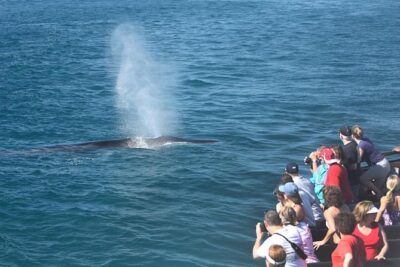
Browse the lists this tour appears in