
Review · MEXICO
Munba National interactive Whale Museum
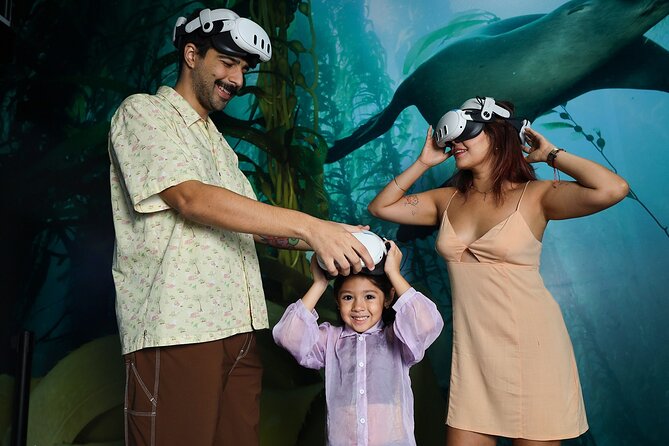
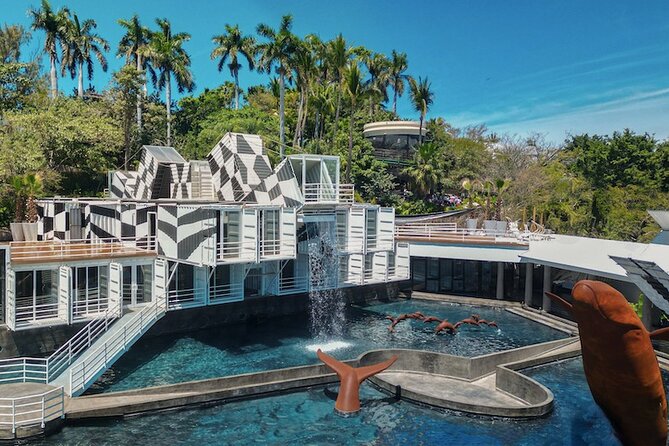
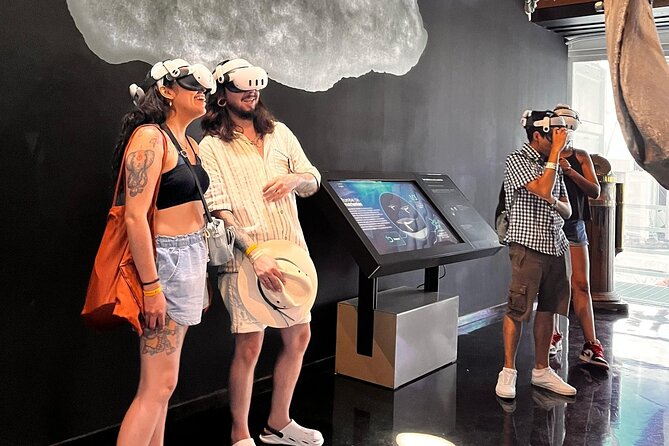
Mazatlán’s MUNBA Museo Nacional de la Ballena turns marine science into a hands-on visit, with virtual reality dolphin anatomy, whale songs, underwater scenes, and enormous skeletons. The museum is home to Latin America’s second-largest osteological collection, including the world’s only sperm whale calf skeleton.
I like the mix of serious science and family fun. You can study the bones of whales, dolphins, and orcas, then watch children learn through creative activities in the supervised Children’s Zone. I also like that the museum café supports marine conservation, giving your visit a useful purpose beyond sightseeing.
The main drawback is scale. This is not a giant museum that fills an entire day. A realistic visit takes about two to three hours, and one assessment describes it as fairly modest in size, with enough to occupy a few hours but not an endless series of galleries.
Key points to know before visiting
- The collection includes rare skeletons: MUNBA displays whale, dolphin, and orca bones, including the world’s only sperm whale calf skeleton.
- Virtual reality adds a modern touch: You can explore a dolphin’s anatomy through technology rather than only reading wall panels.
- Whale songs are part of the visit: Sound helps you understand marine life in a way static displays cannot.
- Families get a practical break: The supervised Children’s Zone lets children work on creative, educational activities while parents look around.
- Plan for two to three hours: The museum has enough content for a useful half-day stop, but it is not designed as a full-day attraction.
- The $17.30 admission supports more than a museum visit: The café and museum experience connect your spending with marine conservation.
What MUNBA gives you that a standard museum cannot
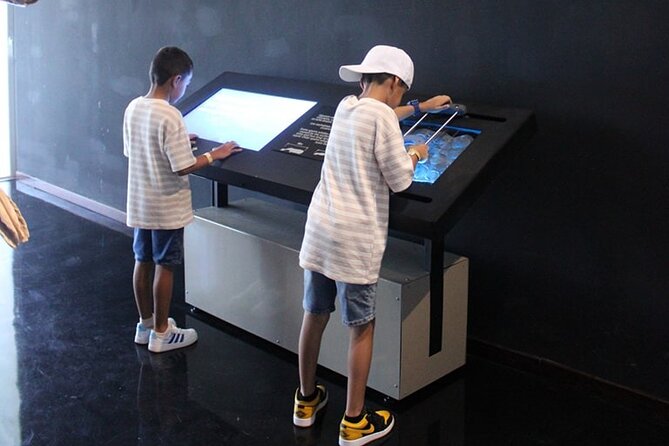
Many natural history museums ask you to look at bones behind glass and read labels. MUNBA adds movement, sound, and digital displays, which changes the pace of the visit. You are not limited to a single view of a skeleton. You can also hear whale songs, see marine ecosystems, and use virtual reality to examine a dolphin’s body.
That mix works well for visitors who enjoy learning through several senses. I would especially recommend it if you are curious about how marine animals are built, how they communicate, and how they live below the surface. The exhibits appear designed to make scientific ideas easier to grasp without turning the visit into a classroom lecture.
The technology is also useful for children and adults who lose interest in ordinary displays. A skeleton shows scale and structure. Virtual reality can help explain organs and anatomy. Whale songs add an emotional element, while the interactive ecosystem displays give you a better sense of the environment these animals depend on.
You should still set reasonable expectations. The museum is described as moderate in size, so its strength is the quality and variety of its displays rather than sheer number. If you want a quick cultural stop between other Mazatlán activities, two hours should work well. If you inspect every display and spend time with the interactive features, allow closer to three.
A few more whale trips around Mexico worth a look
- Reykjavik: Whales of Iceland Museum Entrance Ticket
★ 4.4 · 493 reviews - Reykjavik: Whale Watching Tour, Whales of Iceland Exhibition
★ 4.4 · 187 reviews - Reykjavik: Whale Watching Excursion & Whale Exhibition
★ 4.5 · 42 reviews
Starting with the marine exhibits
Your visit centers on the Museo Nacional de la Ballena, known as MUNBA. Admission is included, and the museum is open Tuesday through Sunday from 10:00 a.m. to 5:00 p.m. The stated operating period covers January 20, 2025 through December 30, 2026.
The best way to approach the visit is to give yourself time rather than rush from one display to the next. The museum brings together anatomy, sound, conservation, and education. Each section works better when you pause to understand what it is showing you.
The underwater ecosystem exhibits help place the animals in context. A whale skeleton can be impressive, but the surrounding environment explains why the animal’s body developed as it did and what pressures marine species face. Dynamic displays focus on the challenges these animals encounter, giving the visit a conservation message without relying only on slogans.
You may also encounter Talassa the whale during her journey through the exhibits. Her story gives the museum a narrative thread, especially useful for younger visitors. Instead of treating every animal as an isolated specimen, the museum uses Talassa to show a marine animal moving through a wider world of habitats and threats.
Virtual reality and the sound of whale songs
The virtual reality dolphin anatomy experience is one of the museum’s most distinctive features. It offers a way to examine the animal’s body that a traditional skeleton cannot provide. You can expect technology to play a central part in explaining dolphin anatomy, rather than serving as a decorative extra.
This feature should appeal to families, science-minded visitors, and anyone who prefers interactive learning. It also gives the museum a modern feel that balances the older, physical displays. A child may remember the virtual reality experience, while an adult may come away with a clearer idea of how the animal is put together.
The whale songs provide a different kind of lesson. Sound makes marine life feel present, even when the animal itself is represented by bones or digital images. You can connect the physical remains in the collection with living behavior, communication, and the underwater world.
I like this combination because it avoids making the museum purely visual. It asks you to listen as well as look. That matters in a museum about animals that spend much of their lives out of human view.
The skeleton collection and its rare centerpiece
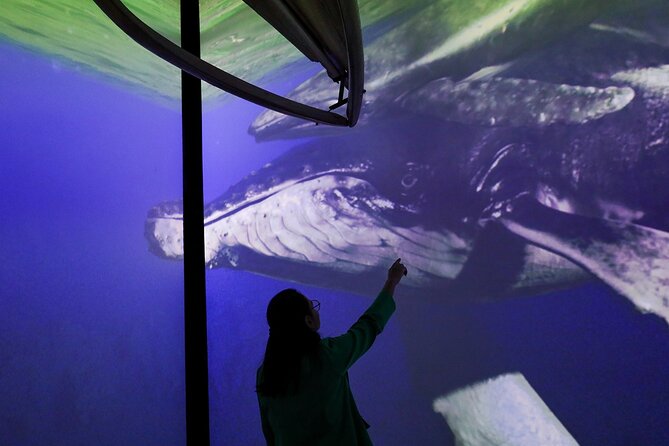
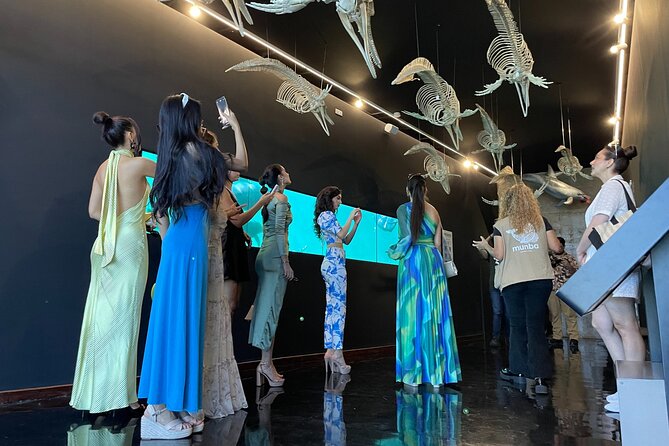
MUNBA is home to Latin America’s second-largest osteological collection. In plain terms, that means the museum focuses heavily on bones and skeletal structure. You will see specimens from whales, dolphins, and orcas, with each type of animal offering a different lesson in size, shape, and adaptation.
The world’s only sperm whale calf skeleton is the collection’s most unusual item. Its importance is easy to understand even if you are not a specialist. An adult whale can make it hard to imagine the animal at an earlier stage of life, while a calf skeleton gives you a more specific look at development and scale.
Large skeletons create an immediate sense of size, but the smaller specimens can be just as useful. They help you compare species instead of treating all marine mammals as simply large whales. The collection gives the museum a solid scientific foundation beneath its digital exhibits.
Expect this section to be more reflective than fast-paced. You may spend only a few minutes with some bones, then stop longer at a specimen that catches your attention. The museum’s moderate size works in its favor here because you can take in the important pieces without feeling lost in a huge collection.
Same water, a different way to meet the whales:
- Luxury Catamaran Whale Watching Cabo San Lucas
★ 5.0 · 2,107 reviews - Whale Watching Cabo-Women crew-Sightings Guaranteed & Free Photos
★ 5.0 · 1,743 reviews - SMALL GROUP Whale Watch | Cabo San Lucas | Biologist | FREE Pics
★ 5.0 · 1,106 reviews - La Paz Whale Shark Snorkeling Tour and Lunch From Los Cabos
★ 5.0 · 1,066 reviews
Talassa, conservation, and the bigger message
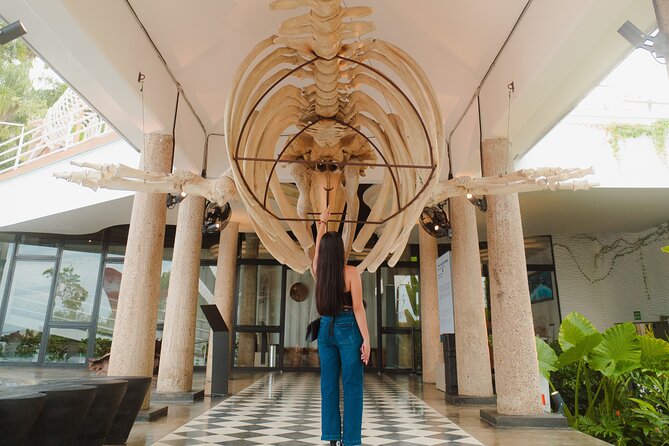
Talassa’s journey and the conservation displays help connect the museum to current environmental concerns. The exhibits focus on the challenges faced by marine species, so the visit is not only about admiring large animals. It also asks you to consider what puts them at risk.
The exact details of each conservation display are not specified, so I would not promise a particular species, campaign, or local project. What you can expect is a clear focus on marine protection and the problems that affect ocean life.
That message gives the museum more weight than a simple collection of bones. You leave with a better reason to care about the animals represented by the skeletons. The café also supports marine conservation, linking an ordinary break with the museum’s broader purpose.
If you are visiting Mazatlán with limited time, this connection can make the museum a worthwhile choice. You get entertainment, science, and an environmental theme in one indoor stop. It is a practical option on a day when you want something different from beach time.
The Children’s Zone for families
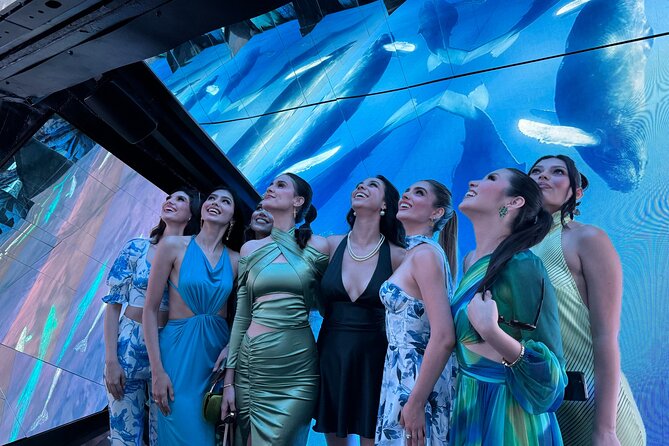
Families should pay close attention to the Children’s Zone. It offers creative and educational activities under expert supervision, allowing children to stay occupied while parents explore the museum’s other displays.
That arrangement can make a real difference. Parents often have to choose between keeping children engaged and spending time with the exhibits. Here, the dedicated area is designed to serve both needs. You can look at the skeletons and technology while children take part in activities suited to them.
The available information does not list the exact projects, ages, or activity schedule, so you should not plan around a particular craft or lesson. Still, the presence of a dedicated supervised area makes MUNBA a stronger pick for families than a museum with only adult-oriented wall panels.
Children who enjoy animals, sound, screens, or hands-on work are likely to get the most from the visit. Adults without children can also use the zone as a sign that the museum takes family learning seriously, even though you will probably spend most of your time with the main exhibits.
Is $17.30 a fair price?
Admission costs $17.30 per person. I consider that a reasonable price if you use the museum as a two to three-hour activity and take time with both the physical collection and the interactive exhibits.
The value comes from variety. You are not paying only to see a few large bones. Your ticket includes the museum admission, virtual reality, whale songs, marine ecosystem displays, Talassa’s story, and access to the Children’s Zone. The conservation focus adds another layer to the visit.
Still, the price may feel less attractive if you only want a quick look at the skeletons. MUNBA is not huge, and its moderate size means you should not expect a full day of exhibits. If you are prepared to spend only an hour, the cost may seem high compared with the time you get.
I would plan the museum as one part of a half-day in Mazatlán. Arrive with enough time to explore without rushing, use the café if you want a break, and treat the visit as an educational attraction rather than a short photo stop.
Timing, tickets, and practical planning
You receive a mobile ticket, and the experience is offered in English. The museum is open Tuesday through Sunday, from 10:00 a.m. to 5:00 p.m. Since Monday is not listed as an operating day, check your schedule carefully before booking.
The museum is near public transportation, which makes it easier to reach without arranging a private vehicle. The information does not provide a specific meeting point, transfer service, group size, or hotel pickup, so you should not assume transportation is included.
Most people can participate, and service animals are allowed. No special fitness level is indicated. Since the museum is an indoor attraction with interactive displays, it can work well when you want a change from outdoor activities, though the available information does not specify every facility or access feature.
Free cancellation is available if you cancel at least 24 hours before the experience starts, based on local time. Cancellations within 24 hours are not refunded, and late changes are not accepted. That policy is fairly flexible if you make your plans early, but it gives you little room for a last-minute change.
Who should book this museum visit?
I would choose MUNBA for families, curious adults, school-age children, and anyone who wants more substance than a quick photo stop. The supervised Children’s Zone is a strong practical feature for parents, while the skeletons and anatomy displays give adults something worthwhile to study.
It is also a good fit if you like museums that mix old-fashioned specimens with newer technology. The whale songs and virtual reality make the visit more active than a standard display hall, while the skeleton collection keeps it grounded in real science.
You may want to skip it if you are looking for a massive museum with enough galleries for a full day. The collection is notable, but the overall visit is moderate in length. Its best use is a focused two to three hours, not an all-day plan.
Should you book MUNBA in Mazatlán?
Book this experience if you want a family-friendly museum with real specimens, interactive technology, and a clear marine conservation purpose. The rare sperm whale calf skeleton and the combination of bones, whale songs, virtual reality, and ecosystem displays give you several different ways to understand marine life.
At $17.30, the visit offers fair value when you stay for two or three hours. Go in expecting a focused museum rather than a giant attraction, and you are more likely to enjoy the pace. For families, the supervised Children’s Zone makes the decision easier. For adults, the value depends on how much you enjoy anatomy, conservation, and interactive exhibits.
FAQ
Where is the Munba National interactive Whale Museum located?
It is located in Mazatlán, Mexico, at MUNBA Museo Nacional de la Ballena.
How much does admission cost?
The listed price is $17.30 per person.
How long does a visit take?
You should allow approximately two to three hours.
What are the museum’s opening hours?
The museum is open Tuesday through Sunday from 10:00 a.m. to 5:00 p.m.
Is the ticket mobile?
Yes. A mobile ticket is provided.
Is the experience offered in English?
Yes. English is listed as the available language.
What can I see at MUNBA?
You can see whale, dolphin, and orca skeletons, hear whale songs, explore underwater ecosystems, use virtual reality to examine dolphin anatomy, and learn about marine conservation.
Is there anything for children?
Yes. The museum has a dedicated Children’s Zone with creative and educational activities under supervision.
What is the cancellation policy?
You can cancel for a full refund up to 24 hours before the experience start time. Cancellations or changes made within 24 hours are not accepted and are not refunded.
Just added around Mexico
- Whale Watching in San Jose del Cabo★ 5.0 · 3 reviews
- Whale Watching Guaranteed Experience in Puerto Vallarta★ 5.0 · 7 reviews
- Whale Watching in La Paz – Gray Whale Encounter★ 4.4 · 4 reviews
- Cabo San Lucas: Whale Watching Experience on Catamaran★ 4.3 · 5 reviews
- Whale Watch Cabo: Zodiac Whale Adventure – FREE Photos★ 4.8 · 4 reviews
- Whale Watch Cabo: Group Whale Watching Tour – FREE photos★ 5.0 · 3 reviews
- Whale Shark swimming ocean safari all included tour★ 4.7 · 37 reviews
- From Cancún: Half-Day Snorkeling with Whale Sharks★ 4.5 · 50 reviews
Mexico Whale Watching Tours, compared.
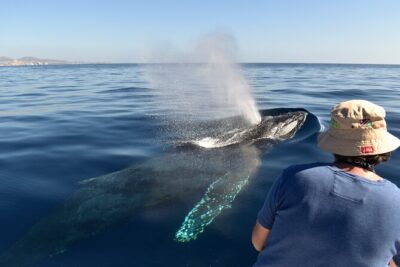
Whale Watching Cabo-Women crew-Sightings Guaranteed & Free Photos
Read our review →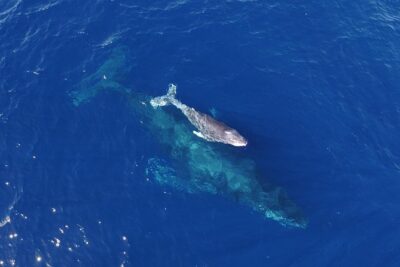
SMALL GROUP Whale Watch | Cabo San Lucas | Biologist | FREE Pics
Read our review →
La Paz Whale Shark Snorkeling Tour and Lunch From Los Cabos
Read our review →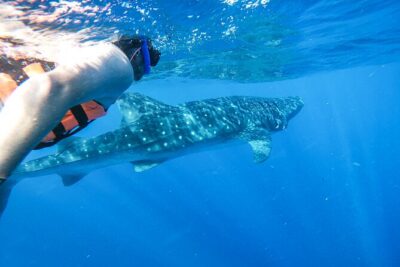
Whale Shark Adventure in Isla Mujeres and Cancun
Read our review →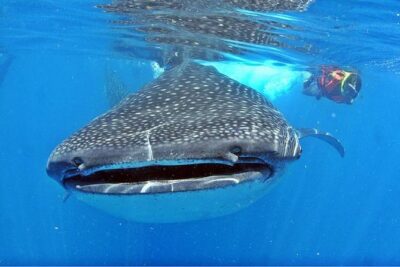
Whale Shark Tour from Cancun, Playa del Carmen, Tulum and Riviera Maya
Read our review →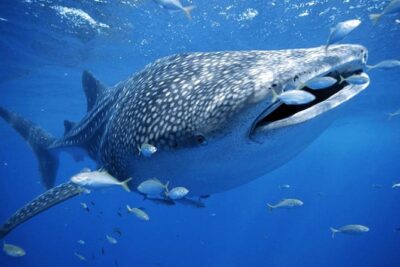
Whale Sharks Small-Group Tour in Cancun and Riviera Maya
Read our review →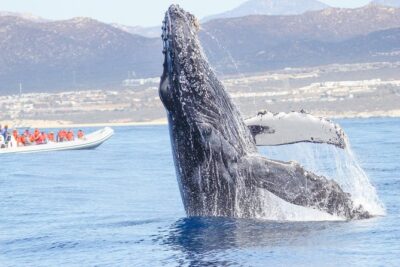
Whale Watching, The Famous Arch and Fast Boat Tour in Los Cabos
Read our review →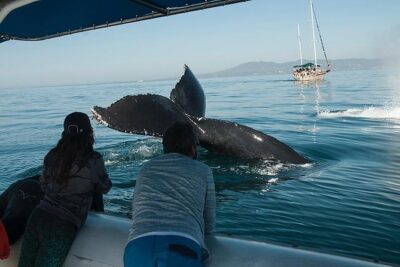
Whale and Dolphin Watching with a Biologist in Puerto Vallarta
Read our review →Browse the lists this tour appears in