
Review · PORTUGAL
Horta: University Startup Whale and Dolphin RIB Boat Trip
The Azores sit in a busy stretch of Atlantic water, and this Horta trip makes good use of it. Sperm whales live here year-round, while blue, fin, humpback, sei, and Bryde’s whales may appear with the seasons. Dolphins, turtles, seabirds, tuna, and even flying fish can add to the show.
I like two things right away: a marine researcher rides along, and the boat carries only 16 people. You get science while the animals are in view, not just a fast ride and a quick species name. I also like the careful use of land-based whale spotters around Faial and Pico, which helps the crew search in a more focused way.
The catch is the sea itself. A semi-rigid RIB can bounce hard, and the front seats may get wet. The activity is not suitable for children under five, pregnant women, or anyone with serious back trouble or recent surgery.
Key points to know before booking
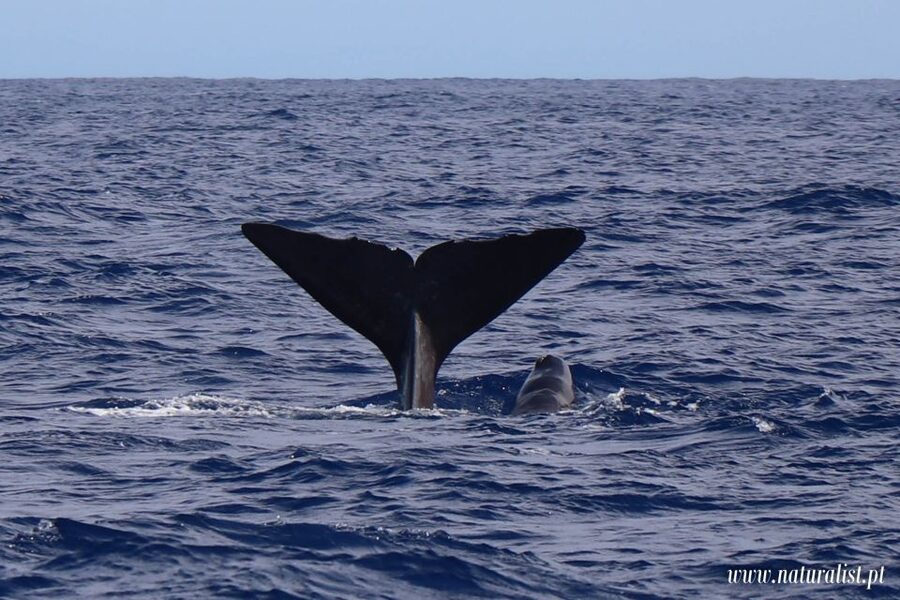
- Sperm whales are the main year-round hope, with blue and fin whales most likely in spring and sei, Bryde’s, and humpback whales possible at other times.
- A University-linked marine researcher joins the boat, offering current information and collecting data during the trip.
- The 16-person RIB is small enough for a personal feel, but its speed and open sides mean a rougher ride than a large covered vessel.
- The wildlife list goes beyond whales, including resident dolphins, turtles, shearwaters, terns, sharks, sunfish, squid, and flying fish.
- Waterproof jacket and trousers are supplied, but bring shoes that can get wet or dry quickly.
- Weather matters, and a canceled trip can be moved to another date or fully refunded.
Why Horta is such a strong place for whale watching
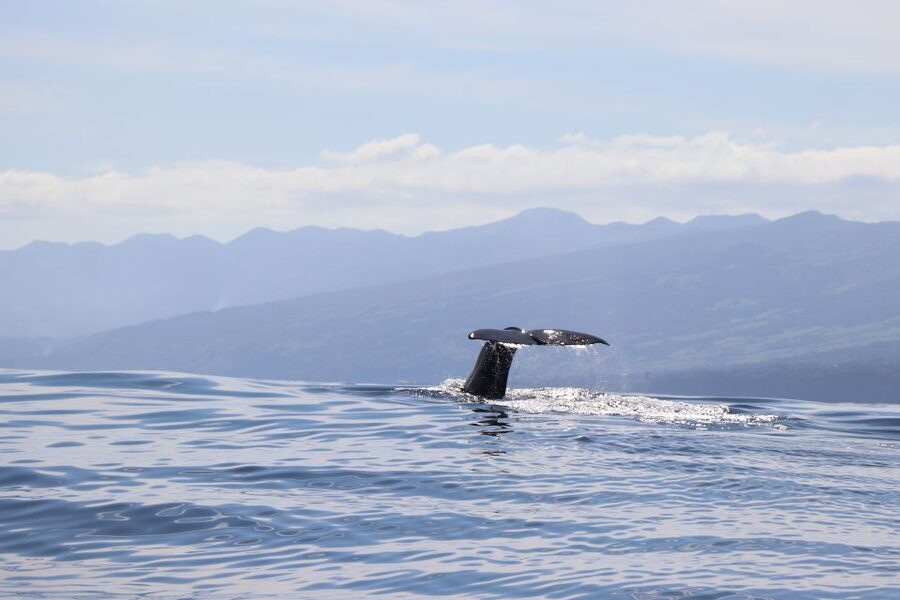
Horta lies on Faial, close to the deep Atlantic waters around the Azores. Pico sits across the channel, and the operator works with whale spotters on both islands. That land-based help matters because the crew is not simply driving out and hoping for luck.
The local waters hold more than 25 cetacean species. You might see two or three species on a typical outing, though no boat can promise a particular animal. Sperm whales are the most reliable large whale here because they remain in the region through the year.
Season changes the odds. Spring is the best stated period for blue and fin whales, two of the largest animals on Earth. Sei and Bryde’s whales can appear in summer, and humpbacks are among the migratory species that pass through. The trip can also produce a mixed scene: one outing included sperm, sei, and humpback whales, along with hundreds of dolphins and large numbers of feeding birds.
That variety is the real appeal. You are not booking a guaranteed whale performance. You are going out into a living food chain where dolphins may gather, birds may signal feeding activity, and a whale may surface for only a few breaths.
More Whale and Dolphin Tours in Portugal
- From Funchal: Ecological Catamaran Dolphin Whale Watching
★ 4.5 · 8,204 reviews - Funchal: Dolphin and Whale Watching Catamaran Cruise
★ 4.5 · 5,697 reviews - From Ponta Delgada: Whale and Dolphin Watching Trip
★ 4.7 · 4,109 reviews
Meeting the crew at Horta Marina
You meet Naturalist, Science and Tourism at the marina in Horta. Arrive 15 minutes early, at 8:45 for the 9:00 morning departure or 1:45 for the 2:00 afternoon trip. Hotel pickup is not included, so plan your own way to the marina.
The outing begins with a safety briefing of about 10 minutes. This is more than a formality on a fast RIB. You need to understand where to sit, how to hold on, and how to move safely on a boat that may pitch across open water.
You then receive waterproof clothing. The supplied jacket and trousers are a major help, especially on a cool morning or when spray comes over the bow. I would still wear shoes that can handle water. One passenger specifically advised bringing waterproof or fast-drying footwear, and that is sensible.
The boat holds 16 people, though one recent trip had 11 tourists and two marine biologists. A small group makes it easier to hear the guide and spot animals without a crowd pressing toward one side of the boat.
The ten-minute briefing adds real value
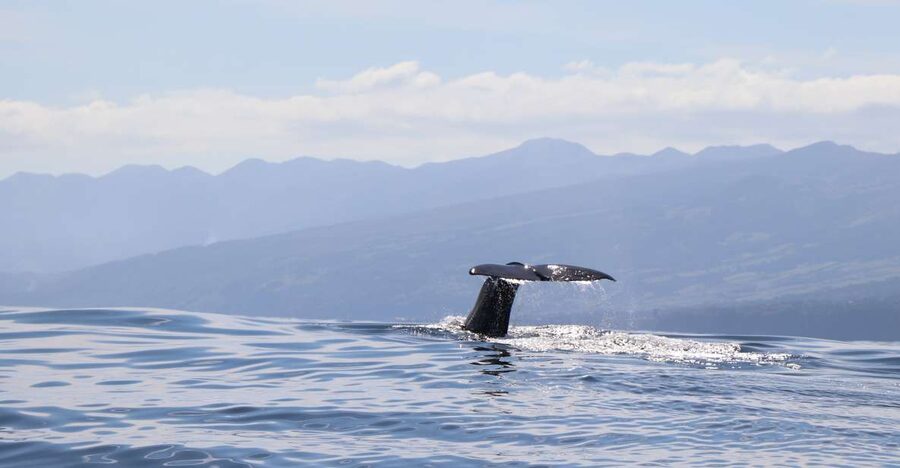
The briefing covers the region’s marine life and the species you may encounter. A marine researcher from the University of Lisbon and the University of the Azores is on board to collect data and explain animal behavior.
That changes the feel of the trip. You are not only waiting for a blow or a fin. You can learn why a sperm whale surfaces the way it does, how dolphins travel in groups, and what signs may point to feeding activity.
Anna served as the marine biologist on one highly praised outing, while Cristiana guided another. The staff can change, so you should not expect a specific person, but the trips clearly use trained marine staff rather than relying only on a boat captain.
The guide also helps you keep perspective. A whale may appear briefly and then vanish. That is normal, not a failed sighting. Good interpretation makes a short view meaningful.
Three hours on a fast RIB
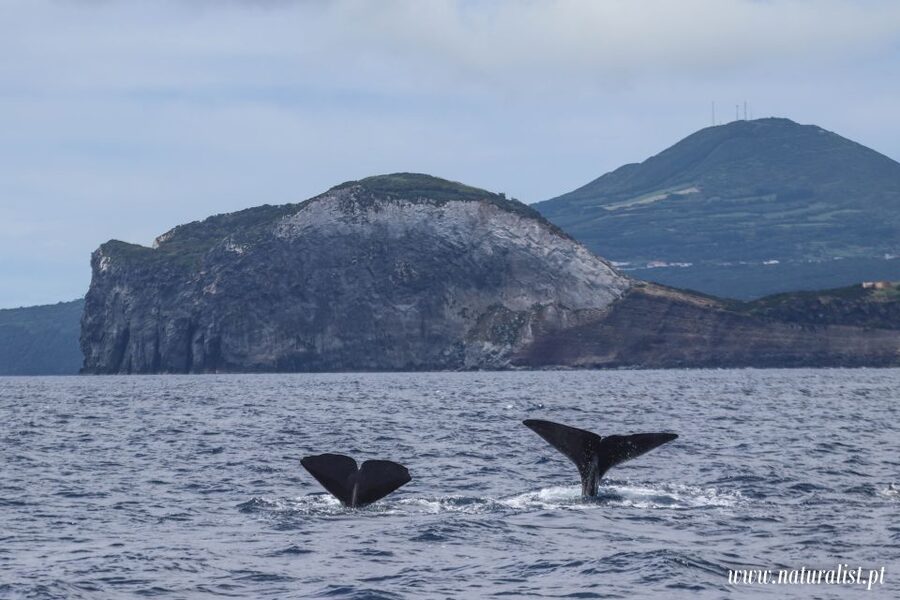
The core activity lasts about three hours. The RIB gives the captain speed, which is useful when the spotters report animals in another area. The boat can cover ground far faster than a slow sightseeing craft, but you pay for that speed with a firmer ride.
The itinerary includes a photo stop, guided wildlife viewing, dolphin watching, scenic views, and whale watching. The listed formal viewing segment is about 30 minutes, but the full expedition includes the ride out, searching, waiting, and moving between sightings. In practice, the animals determine the rhythm.
Some passengers compare the ride to a high-speed amusement attraction. That can be fun if you enjoy a lively boat, but it is not ideal for everyone. Conditions can turn rough, and the front seats take the most spray. If you want the smoothest possible ride, ask the crew where to sit.
The captain’s handling matters. One trip involved rough water but careful movement around whales, with the boat repositioning after waiting for a better view. The aim is to give you a clear sighting without crowding the animals.
More Zodiac and RIB Trips in Portugal:
- Funchal: Whale and Dolphin Watching Speed Boat Tour
★ 4.6 · 526 reviews - Pico Island: Azores Whale & Dolphin Watching on Zodiac Boat
★ 4.8 · 408 reviews - From Calheta: Whale and Dolphin Watching RIB Boat Tour
★ 4.9 · 298 reviews - Terceira: Whale and Dolphin Watching in a Zodiac Boat
★ 4.8 · 230 reviews
The wildlife you may see around Faial and Pico
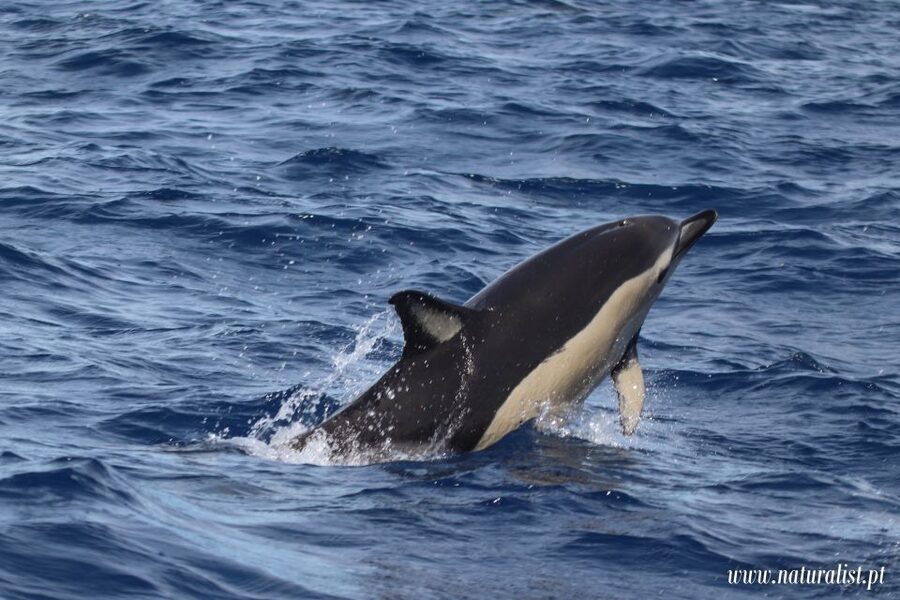
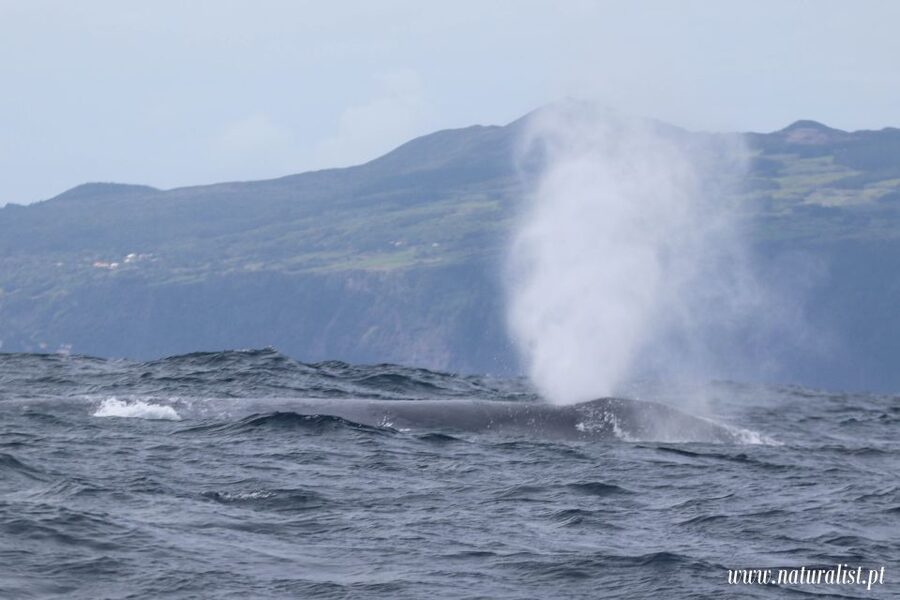
Sperm whales are the headline species. They are resident in the Azores, so they offer the best year-round chance of seeing a large whale. The sight of one surfacing in open water is powerful, even if you only get a few seconds before it slips below.
Blue and fin whales are linked with spring. Sei and Bryde’s whales may be found in summer, and humpbacks are migratory visitors. The timing is useful when choosing your trip, but it is not a promise. Ocean conditions and animal movements always control the result.
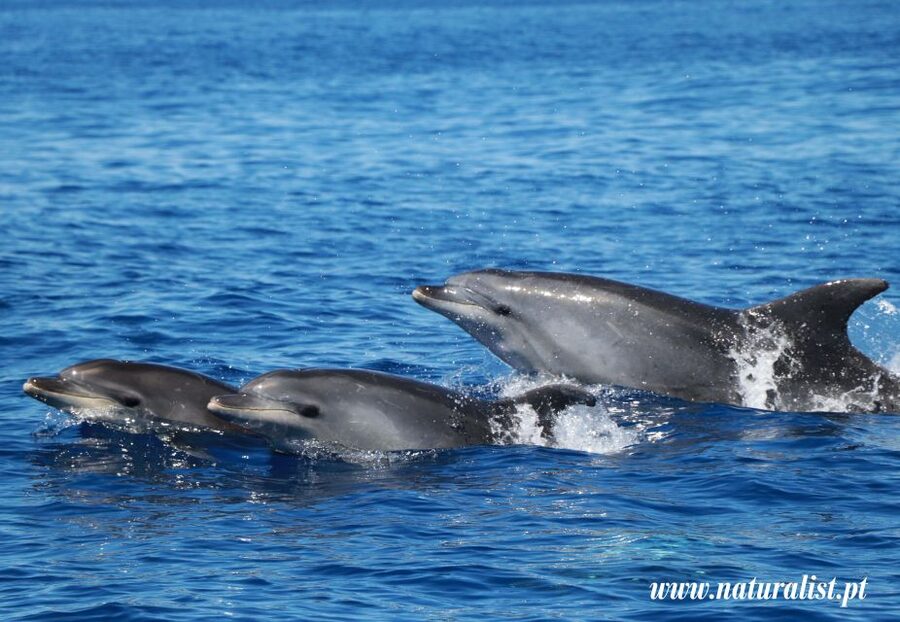
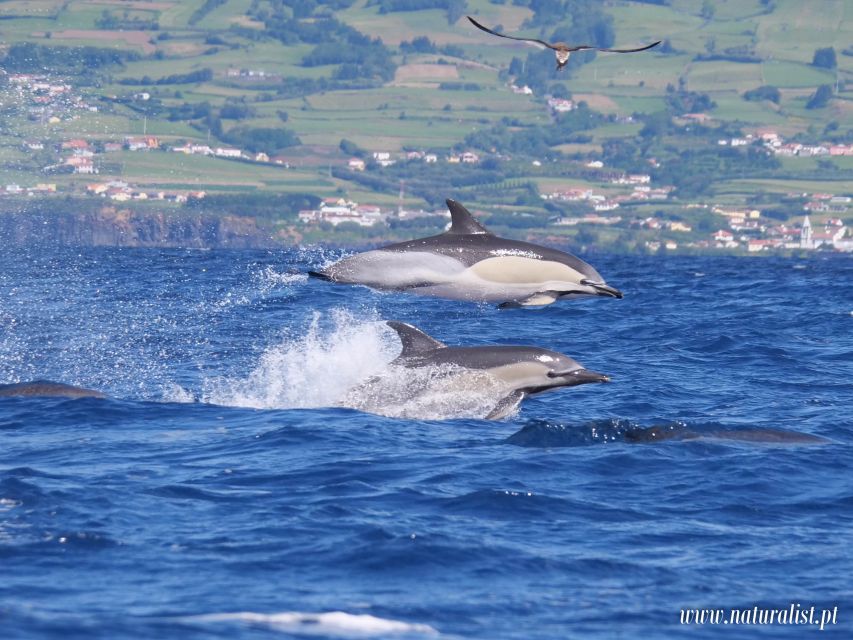
Dolphins may provide the most active encounter. Bottlenose, Risso’s, and common dolphins are resident, with several migratory species also possible. A group of dolphins moving beside the RIB can make the ride feel suddenly small and personal, though the boat should keep a respectful distance.
The wider list is unusually good:
- Loggerhead and green turtles live in the Azores, with leatherback and Kemp’s ridley turtles also possible.
- Flying fish, squid, octopus, sunfish, hammerhead sharks, and blue sharks may appear.
- Cory’s, great, and Manx shearwaters can pass overhead.
- Common and roseate terns add smaller, faster movement to the sea.
- Tuna may show up around feeding activity.
You should treat these as possibilities, not a checklist. One outing produced two loggerhead turtles along with dolphins. Another included tuna and shearwaters. The best moments often come from an unexpected combination of species sharing the same feeding area.
Respectful viewing, not a chase
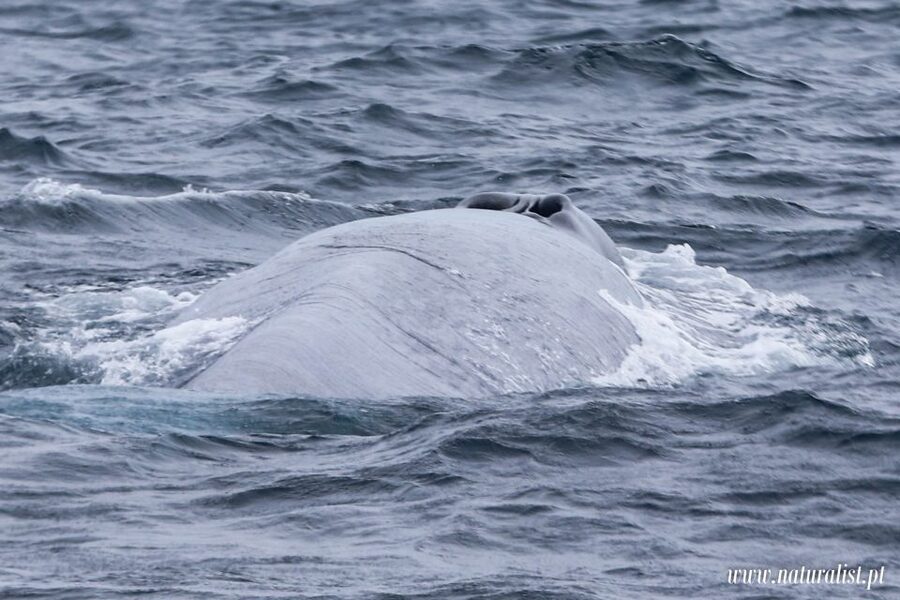
The operator presents the trip as both tourism and science. The marine researcher collects information, and some of the money supports research purposes. That gives the outing a useful purpose beyond taking you offshore for photographs.
The crew also appears to put animal welfare and passenger safety together. The boat keeps a certain distance, moves carefully near whales, and may reposition rather than rush directly at a group. The correct experience is not the closest possible approach. It is a good view without making the animals change course.
Photography can be rewarding, but do not let your phone take over. A whale’s blow can disappear before you frame it. Watch first, then take a few pictures. On some outings, the guide photographed the animals and supplied the best images afterward at no extra charge, though you should treat that as a reported feature rather than a guaranteed inclusion on every departure.
What the weather means for your decision
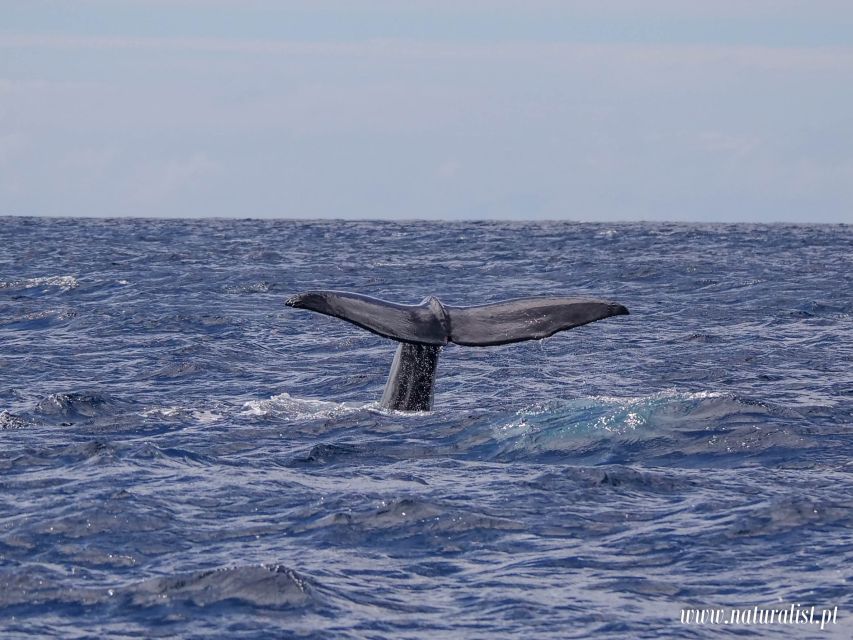
Weather can change the plan. A storm forced one departure to be rescheduled, and the operator handled the change proactively, even allowing the trip to start from Pico. Trips may be moved or canceled when conditions are unsafe, with a full refund if the operator cancels.
That flexibility is important because the Azores are ocean islands, and a clear marina does not guarantee calm water offshore. Keep some room in your schedule if the whale trip is a top priority. Booking it on your first day gives you more chance to move it later if conditions turn poor, though the stated cancellation policy allows a full refund when you cancel at least 24 hours ahead.
You should also think about seasickness. No special medication advice is provided, but the RIB format and open sea make this a more physical outing than a harbor cruise. If rough water usually bothers you, choose your seat carefully and ask the crew for practical guidance before boarding.
Is $101 a fair price?
At $101 per person, this is not the cheapest way to spend three hours in Horta. The value comes from what is included: a marine researcher on board, safety insurance, waterproof clothing, an animal briefing, a small 16-person boat, and a crew using land-based spotters.
A basic boat trip might offer scenery and a chance of whales. Here, you are paying for a more focused search and better interpretation. The University connection also matters if you care about marine research and want to understand what you are seeing rather than simply collect a photograph.
The price feels strongest when you value the guide. If the animals stay distant, the researcher still gives you a useful lesson in the Azores ecosystem. If the boat finds several species, the cost becomes easier to justify. The experience does not promise whales, so you should not judge the value only by the number of sightings.
Recent outings have included three whale types, five sperm whales, large dolphin groups, sea turtles, and many birds. Another trip saw only the general ocean experience without whales. That range is a reminder that nature sets the terms.
Who should book this Horta whale trip?
I would choose this outing if you want small-group wildlife watching with strong science content. It suits adults, older children who meet the age requirement, birdwatchers, photographers, and anyone who enjoys learning while outside.
It is also a good match if you are staying in Horta and want to connect the islands’ local marine setting with the wider Atlantic. The English and Portuguese departures make the trip accessible to many visitors. Spanish and French support may be possible by request and availability, but confirm before booking if language is important to you.
I would think twice if you dislike fast boats, have a serious back problem, are pregnant, recently had surgery, or need a fully sheltered vessel. Children under five cannot join. The operator does not include food, drinks, or hotel pickup, so bring your own water and arrange your route to the marina.
Should you book it?
Book this Horta whale watching trip if you want a serious wildlife outing rather than a guaranteed photo stop. The best reasons are the marine researcher, small RIB, land-based spotters, and broad list of possible species. The main tradeoff is a bouncy, wet ride with no promise of whales.
For the best chance at a rewarding day, check the seasonal whale information before departure, keep your schedule flexible, arrive 15 minutes early, and wear shoes that can get wet. If you can accept that nature may offer dolphins, turtles, or birds instead of a whale, the $101 price buys a thoughtful and well-supported three-hour experience.
FAQ
How long is the whale watching trip?
The expedition lasts about three hours.
Where does the tour leave from?
It leaves from the Horta Marina in Faial. Look for Naturalist, Science and Tourism, Whale Watching.
What time should I arrive?
Arrive 15 minutes before departure. For the morning trip, arrive at 8:45 for the 9:00 start. For the afternoon trip, arrive at 1:45 for the 2:00 start.
What languages are available?
The stated tour languages are English and Portuguese. Spanish or French may be possible in some cases, but French must be requested in advance and depends on availability.
How many people fit on the boat?
The semi-rigid RIB has space for 16 people.
Are waterproof clothes supplied?
Yes. Waterproof clothing is included. You should still bring waterproof shoes or footwear that dries quickly.
Is food included?
No. Food and drinks are not included.
Can the trip be canceled because of weather?
Yes. Trips depend on weather conditions and may be rescheduled. If the operator cancels, a full refund is provided.
Who should not take this trip?
The activity is not suitable for children under five, pregnant women, people with back problems, or people who have had recent surgery.
Can I cancel for a full refund?
Yes. You can cancel up to 24 hours before the activity for a full refund.
Just added around Portugal
- Madeira : Whales and Dolphins wooden boat excursion★ 4.1 · 247 reviews
- Madeira: Whale and Dolphin Watching Tour★ 4.6 · 174 reviews
- From Machico: Madeira Whale and Dolphin Watching Boat Tour★ 4.8 · 225 reviews
- Terceira Island: Whale & Dolphin Watching | Best Wildlife Tour★ 4.0 · 24 reviews
- Sesimbra: Arrábida Dolphin and Whale Watching tour with biologist★ 5.0 · 248 reviews
- Observation of Dolphins and Whales with Marine Biologist in Arrábida★ 5.0 · 224 reviews
- Whale Watching Activity in North Coast★ 4.5 · 49 reviews
- Among Whales Dolphins and Volcanoes Full Day Tour With Lunch★ 4.5 · 28 reviews
Portugal Whale Watching Tours, compared.
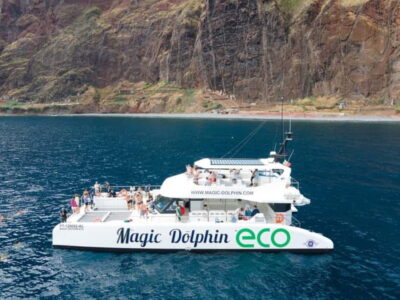
Funchal: Ecological Catamaran Dolphin Whale Watching
Read our review →
Funchal: Dolphin and Whale Watching Catamaran Cruise
Read our review →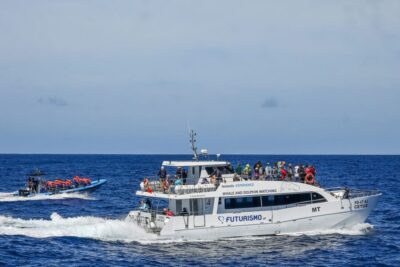
Ponta Delgada: Whale and Dolphin Watching Trip
Read our review →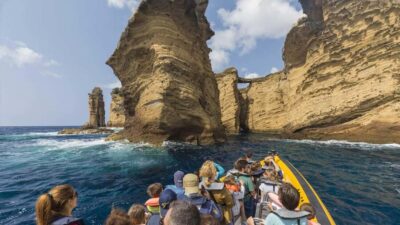
Azores: Whale Watching & Islet Boat Tour w/ Marine Biologist
Read our review →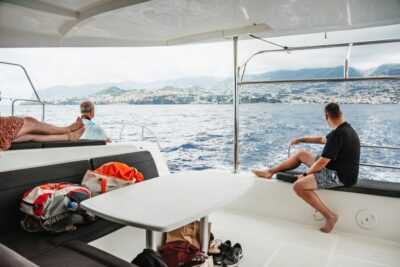
Funchal Bay: Dolphin & Whale Watch Luxury Catamaran Cruise
Read our review →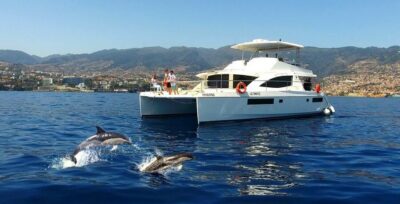
All Inclusive Whale and Dolphin Watching Luxury Tour
Read our review →
Madeira Dolphin and Whale Watching on a Ecological Catamaran
Read our review →
Funchal: Dolphin and Whale Watching by Luxury Catamaran
Read our review →Browse the lists this tour appears in