
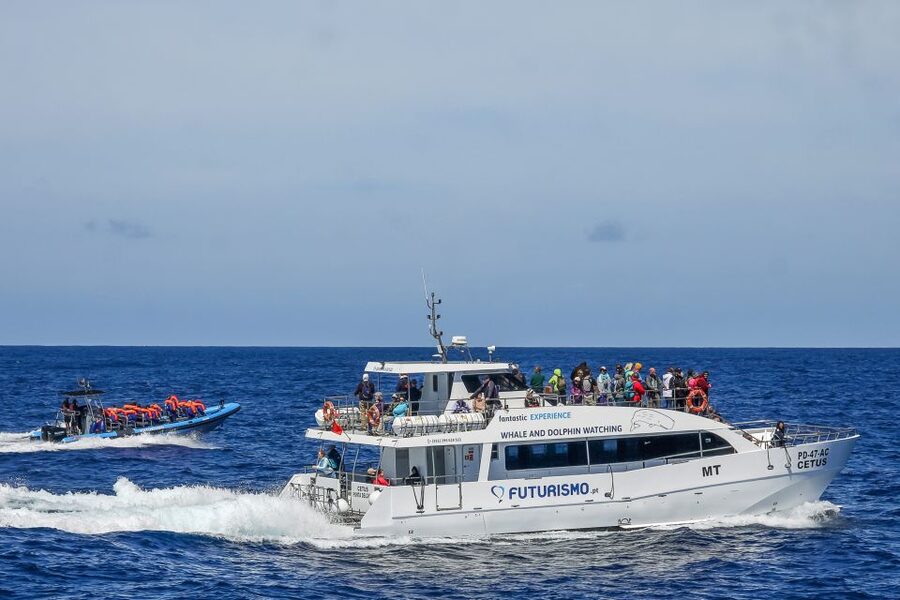
Review · SAO MIGUEL ISLAND
From Ponta Delgada: Whale and Dolphin Watching Trip
Off São Miguel, the Atlantic can deliver anything from hundreds of dolphins to a sperm whale surfacing beside the boat. This three-hour search at sea is less a scripted ride than a carefully managed wildlife outing, with the crew using local knowledge to find cetaceans while keeping a respectful distance.
I like the choice between a catamaran and Zodiac boat, and I like that a marine biologist stays involved rather than leaving you with a quick identification and little else. The tradeoff is simple: wildlife is never guaranteed, and the open Atlantic can be rough, especially on the smaller boat.
Key points to know
- More than 25 cetacean species can be found around the Azores, including sperm whales, several dolphin species, and migrating baleen whales.
- Spring offers the best chance for large migrating whales, including blue, fin, and sei whales.
- Summer often brings busy dolphin encounters, pilot whales, and striped dolphins.
- Choose your boat with care: the Zodiac feels closer to the water, while the catamaran is the calmer choice for many people.
- The marine biologist matters: guides explain animal behavior, local whaling history, safety rules, and conservation.
- A second trip is offered if no animals are seen, though weather can still cause cancellations.
Why Ponta Delgada is a strong base for whale watching
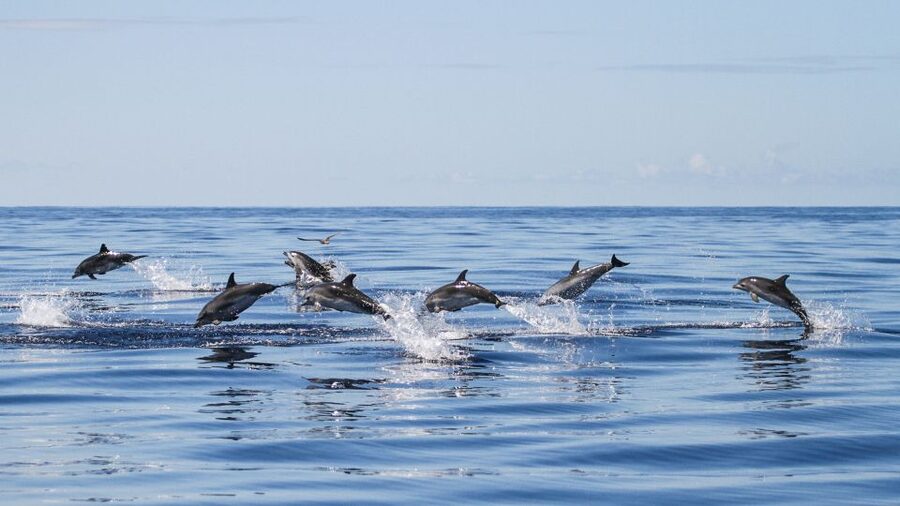
The Azores sit in the Atlantic between Portugal and North America, along routes used by both resident and migrating marine life. More than a third of the world’s whale and dolphin species can pass through or live in these waters.
That does not mean you will see a third of them in one morning. It does mean the setting has real ecological importance, and the possible sightings change with the season. Sperm whales, common dolphins, bottlenose dolphins, and Risso’s dolphins can be present throughout the year. Turtles and seabirds add variety when the larger animals stay below the surface.
I like this kind of outing because the reward is not limited to one famous species. You might see a large pod of Atlantic spotted dolphins one moment, then spend several quiet minutes watching for the blow of a whale. The uncertainty is part of the experience, though it can test your patience.
The trip begins at Futurismo Azores Adventures in Ponta Delgada Harbour, at Portas do Mar, Shop 26. Allow time to find the shop before departure. The harbor address is clear, but one visitor found the shop number and directions less obvious than expected.
More Whale and Dolphin Tours in Portugal
- From Funchal: Ecological Catamaran Dolphin Whale Watching
★ 4.5 · 8,204 reviews - Funchal: Dolphin and Whale Watching Catamaran Cruise
★ 4.5 · 5,697 reviews - Funchal Bay: Dolphin & Whale Watch Luxury Catamaran Cruise
★ 4.2 · 2,684 reviews
The 15-minute briefing sets the tone
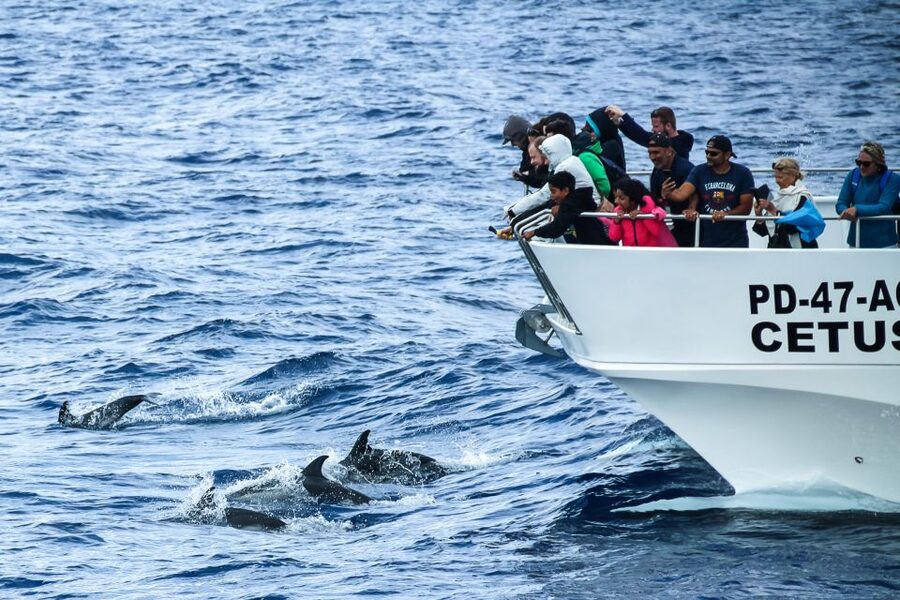
Before leaving the harbor, your guide gives a safety briefing lasting about 15 minutes. You hear about the history of whale watching in the Azores, boat safety, and the rules for approaching animals.
This short session has a real purpose. Good wildlife watching depends on restraint. Boats should not crowd an animal, chase it from behind for long periods, or cut across its path. The crew may shut off the engine when close to whales, allowing the animals to move naturally without extra noise.
That approach also makes the sightings feel more honest. You are not watching a trained show. You are waiting for an animal that may surface once, swim away, or choose not to cooperate at all.
The briefing is also the time to ask about motion sickness. Several people have found the sea rough on the smaller boat, and one passenger felt sick even on a successful trip. If you know you react badly to waves, ask about the catamaran and consider taking your usual motion-sickness medicine before departure.
Two boats, two very different moods
You choose between a catamaran and an inflatable Zodiac-style boat at booking. The choice affects comfort, views, and how exposed you feel to the sea.
The catamaran is the sensible pick for families, older visitors, and anyone who wants more stability. It is also the better option if you dislike spray, sudden movement, or sitting close to the water. One visitor was especially glad to have chosen the catamaran, and another described the ride as pleasant and comfortable.
The catamaran may feel less like a small expedition, but that is a fair trade for a steadier ride. It is also worth considering if you want more room to move around while watching the horizon.
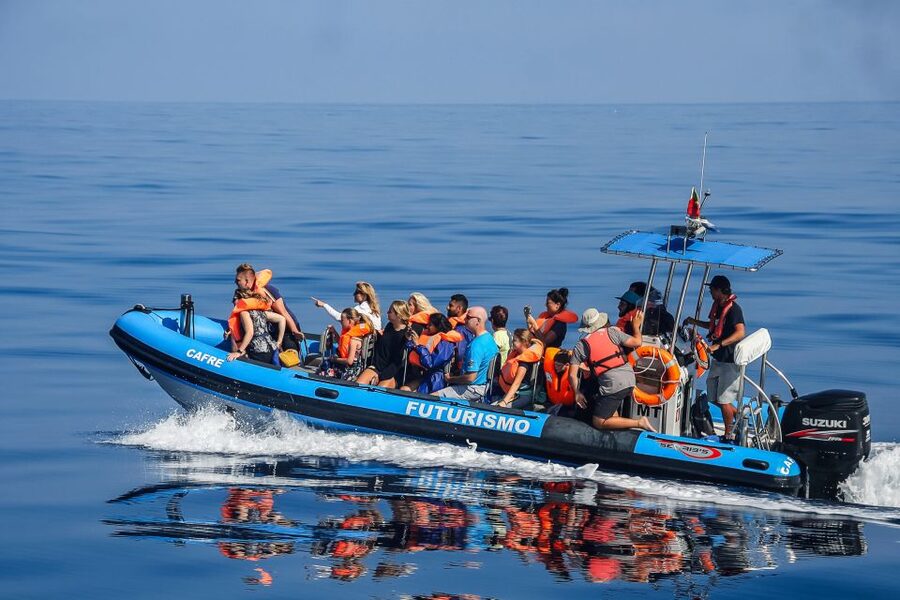
The Zodiac boat gives you a livelier ride and a lower viewpoint. Several people liked its closeness to the water, and one person described it as stable and safe despite its small size. Another preferred it because there were fewer people and the outing felt more like an expedition.
You will feel the waves more in the Zodiac. Spray is part of the deal, though raincoat and trousers are available for Zodiac passengers. Life jackets are mandatory on this boat. Wear practical clothing and shoes with good grip. High heels are not allowed, and you should expect to spend much of the trip exposed to wind and sea air.
The supplied information says the tour is not suitable for children under eight, pregnant women, or people with back problems. It also says the catamaran is recommended for families with young children, seniors, pregnant women, and people with mobility or back concerns. Those points do not fully match, so I would follow the stricter restriction and confirm directly before booking if any of those situations apply.
Two hours and 45 minutes of searching the Atlantic
After the briefing, you leave Ponta Delgada Harbour and head into open water. The whale-watching portion lasts about two hours and 45 minutes, making the total activity roughly three hours.
Do not picture a constant parade of animals. Your guide and skipper scan the water, follow signs of activity, and make decisions about where to go. You may spend time watching a calm horizon before a dorsal fin appears. That waiting is normal and helps you understand how difficult it is to find wild animals in a large ocean.
The guides use their marine knowledge to interpret what you see. A blow, a fin, a change in the water, or a distant group of birds may help point the boat toward life below. The marine biologist explains species, behavior, and the wider marine environment in English or Portuguese.
The best trips can be busy. Sightings have included large groups of dolphins, several species in one outing, and sperm whales with calves. Other departures have produced sei whales, Bryde’s whales, pilot whales, striped dolphins, and even orcas. Those examples show the range of what is possible, not a promise of what you will see.
Dolphins are often the most active part of the trip. Common, bottlenose, Risso’s, and Atlantic spotted dolphins may swim near the boat or travel in large groups. Watching them move through the waves is usually more immediate than waiting for a whale to surface, especially from the Zodiac.
Whales make you slow down. Sperm whales may surface, breathe several times, and disappear for a long stretch. Baleen whales such as sei, fin, and blue whales are more closely linked to spring migration. Summer can bring pilot whales and striped dolphins, while autumn and winter can still produce sperm whales and active dolphin sightings.
Same water, a different way to meet the whales:
- Azores: Whale Watching & Islet Boat Tour w/ Marine Biologist
★ 4.7 · 2,945 reviews - All Inclusive Whale and Dolphin Watching Luxury Tour
★ 4.9 · 2,573 reviews - Madeira Dolphin and Whale Watching on a Ecological Catamaran
★ 4.5 · 1,957 reviews - Funchal: Dolphin and Whale Watching by Luxury Catamaran
★ 4.5 · 1,709 reviews
What the marine biologist adds
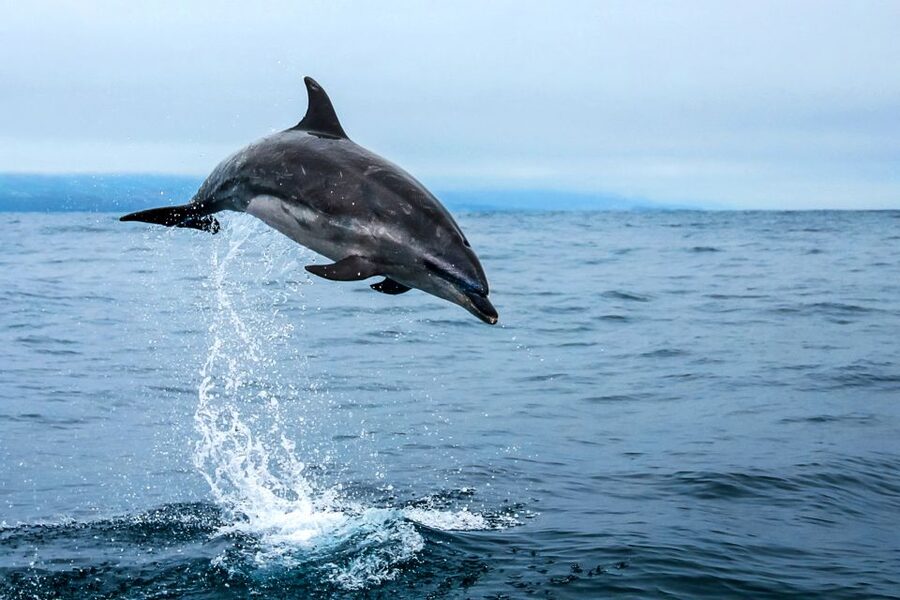
The guide is not simply there to point and shout. The best part of the commentary is the connection between the animal and the place.
You learn how whale watching developed in the Azores, how animals are approached, and why distance and engine use matter. The information makes a quick sighting more rewarding because you understand what you are seeing instead of collecting names.
Guides have also shown strong care for passengers. On one departure, a guide stayed with a seasick child and offered to return to the dock. On another, the crew kept searching beyond the planned time to give the group a better chance of finding a whale. Extra time is not guaranteed, but it shows the value of a crew that pays attention to both wildlife and people.
A marine biologist named Valeria has guided some departures and received particular praise for clear explanations. Your guide may be someone else, but the stated format includes a marine biologist or nature guide on board.
Seasonal planning: choose your expectations, not just your date
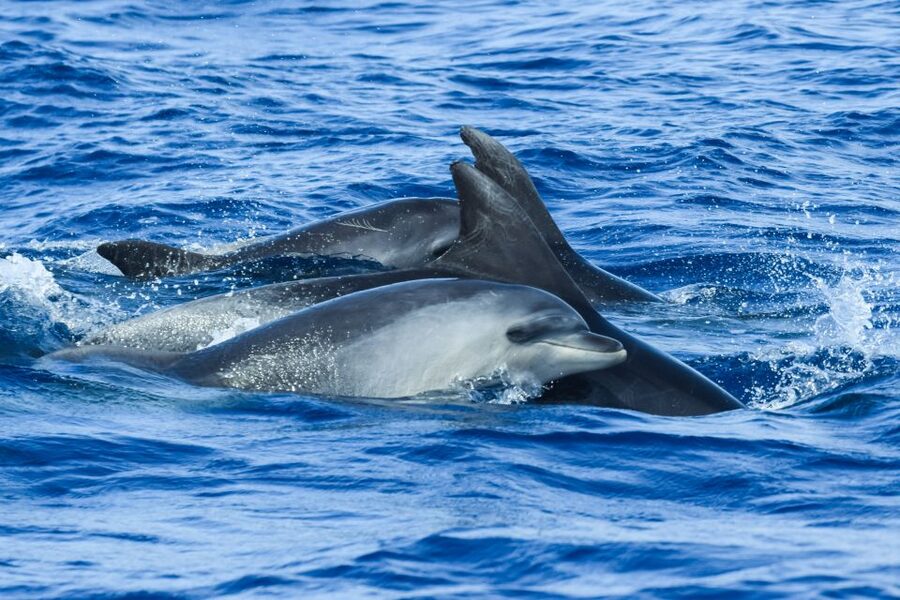
Spring is the most tempting season if your main goal is a large whale. Migrating blue, fin, and sei whales may pass through the area, and sei whales have also been seen outside the heart of spring.
Summer brings a strong mix of dolphins, pilot whales, and striped dolphins. The sea may feel busier with activity, and several species can appear during one outing.
The colder months are not a write-off. Sperm whales and several dolphin species remain possible throughout the year. Recent winter outings have included many dolphins and multiple whales, while another produced two species of dolphins but no whale. That is a useful reminder: season improves your odds for certain animals, but it never controls the ocean.
I would choose the date that fits your São Miguel plans, then use the season to shape your hopes. Go in spring if a migrating baleen whale is your priority. Go in summer if you want a lively dolphin-focused trip. Go in another season if you can accept uncertainty and still value time on the Atlantic.
The price makes sense if you value expert guidance
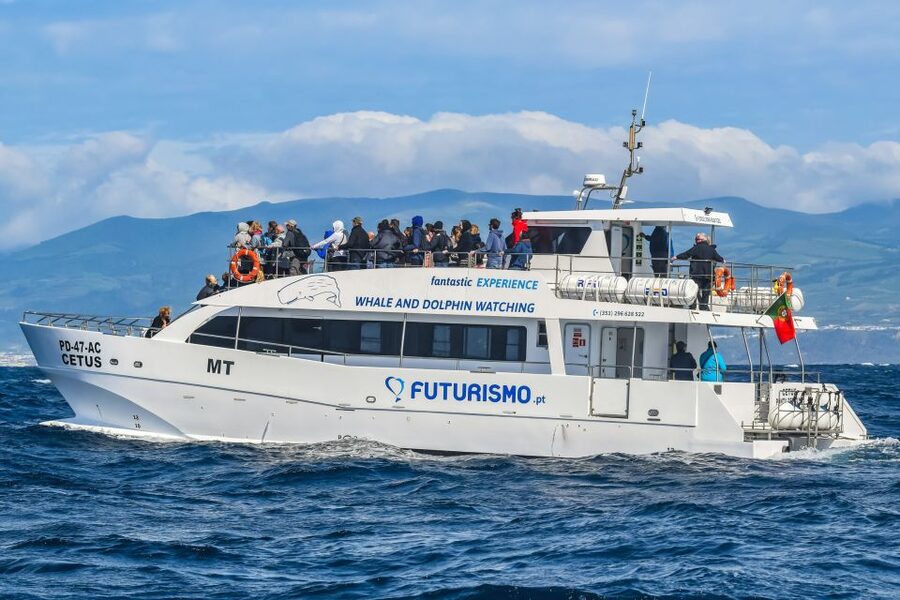
At $82 per person, this is not a cheap harbor ride. It is a three-hour marine wildlife outing with a safety briefing, boat crew, marine biologist or nature guide, and protective clothing on the Zodiac.
The value rises when you get several species in one trip. Seeing dolphins, sperm whales, and a sei whale in one outing would make the price feel strong. Even a dolphin-only trip can be worthwhile if the animals come close and the guide explains what you are seeing.
The risk is that nature may give you less. A trip can produce no whales, or no animals at all, despite a hard search. If no animals are sighted, a second tour is offered, which lowers the financial risk but does not guarantee a better result. Weather can also cancel a departure, and the company may cancel if minimum numbers are not reached.
Food, drinks, and hotel transfers are not included. Plan to reach the harbor yourself and eat before or after the outing. The activity is compact enough to fit into a morning or afternoon, but keep the rest of that day flexible if you are sensitive to motion or if the sea is rough.
Who will enjoy this most
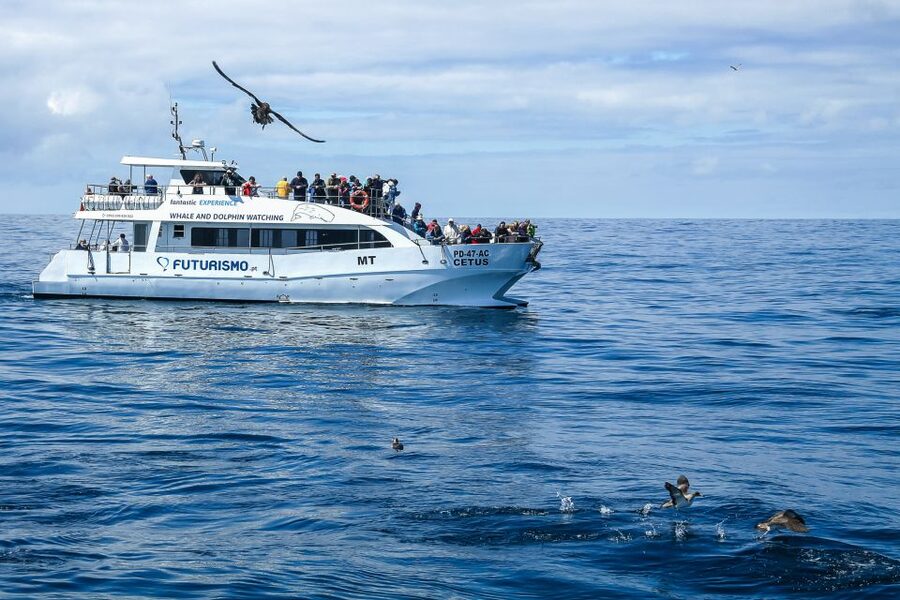
I would choose this trip if you want a serious wildlife outing rather than a sightseeing cruise. It suits people who are happy to wait, scan the horizon, and accept that the animals set the schedule.
It is particularly good for:
- People fascinated by whales, dolphins, and marine conservation
- Visitors who want a guide to explain behavior and local ecology
- Families with children aged eight and over, especially on the catamaran
- Photographers who want natural sightings rather than staged encounters
- Anyone willing to choose a boat based on comfort, not just price
I would think twice if you dislike open-water movement or need a fully predictable activity. The Zodiac is not the right choice for a bad back, serious motion sickness, or a strong dislike of wind and spray. The catamaran helps, but no boat removes the motion of the Atlantic.
Smoking, drones, alcohol, drugs, and nudity are not allowed. Those rules are sensible here: a drone can disturb wildlife, and the crew needs passengers alert and ready to follow instructions.
Should you book this whale-watching trip?
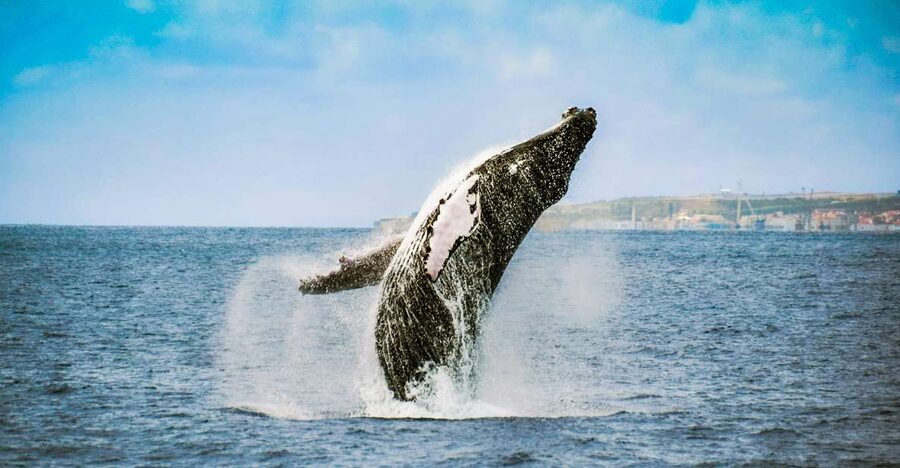
Book it if you can treat the outing as a search for wild animals, not a guaranteed whale photograph. The combination of several possible species, a marine biologist, responsible viewing rules, and a second-trip option when nothing is seen gives it good practical value.
Choose the catamaran for comfort and the Zodiac for a closer, more active ride. Aim for spring if large migrating whales matter most, summer for lively dolphin activity, and any season if you can enjoy the sea even when the sightings are modest. For an informed and flexible day on the Atlantic, this is a strong São Miguel choice.
FAQ
Where does the whale-watching trip leave from?
Meet Futurismo Azores Adventures at Ponta Delgada Harbour, Portas do Mar, Shop 26, 9500-771 São Miguel, Azores, Portugal.
How long does the experience last?
The full activity lasts three hours. This includes a 15-minute safety briefing and about two hours and 45 minutes of whale watching.
What animals might I see?
Possible sightings include sperm whales, minke whales, blue whales, fin whales, sei whales, pilot whales, common dolphins, bottlenose dolphins, Risso’s dolphins, striped dolphins, turtles, and seabirds. The exact species depend on season and conditions.
Is a whale sighting guaranteed?
No. Wild animals cannot be guaranteed. If no animals are sighted during the experience, a second tour is offered.
Which boat should I choose?
You can choose a catamaran or an inflatable Zodiac boat at booking. The catamaran is recommended for greater comfort, while the Zodiac offers a more exposed ride closer to the water.
Are children allowed?
The stated restrictions say the activity is not suitable for children under eight. If you are booking for a young child, confirm the current age rules and boat choice with the operator.
What is included in the price?
The price includes the pre-tour briefing, a marine biologist or nature guide, raincoat and trousers for Zodiac passengers, and a mandatory life jacket on the Zodiac.
Can I cancel the booking?
You can cancel up to 24 hours in advance for a full refund. Reserve now and pay later is also available, subject to the booking terms.
Just added around Portugal
- Madeira : Whales and Dolphins wooden boat excursion★ 4.1 · 247 reviews
- Madeira: Whale and Dolphin Watching Tour★ 4.6 · 174 reviews
- From Machico: Madeira Whale and Dolphin Watching Boat Tour★ 4.8 · 225 reviews
- Terceira Island: Whale & Dolphin Watching | Best Wildlife Tour★ 4.0 · 24 reviews
- Sesimbra: Arrábida Dolphin and Whale Watching tour with biologist★ 5.0 · 248 reviews
- Observation of Dolphins and Whales with Marine Biologist in Arrábida★ 5.0 · 224 reviews
- Whale Watching Activity in North Coast★ 4.5 · 49 reviews
- Among Whales Dolphins and Volcanoes Full Day Tour With Lunch★ 4.5 · 28 reviews
Sao Miguel Island Whale Watching Tours, compared.
Azores: Whale Watching & Islet Boat Tour w/ Marine Biologist
Read our review →
Terceira: Whale and Dolphin Watching in a Zodiac Boat
Read our review →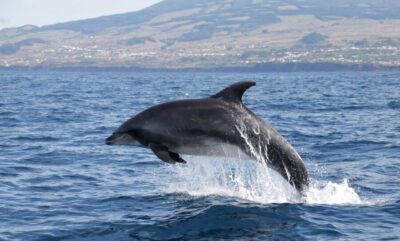
Terceira: Half-Day Dolphin and Whale Watching Tour
Read our review →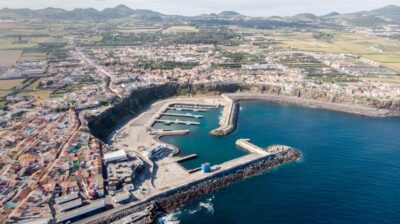
Rabo de Peixe: Sperm Whale Sanctuary Expedition
Read our review →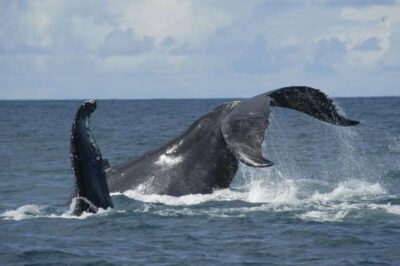
São Miguel: Whales & Volcano Full-Day Tour with Lunch
Read our review →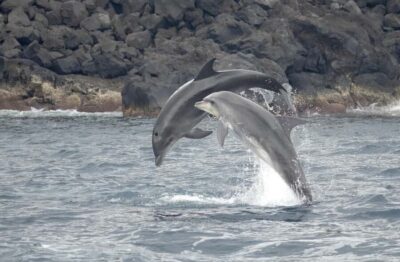
São Miguel: Whale Watching & Wild Dolphins Swimming Full-day
Read our review →Browse the lists this tour appears in