
Review · PORTUGAL
Azores Whale Watching Tour – Ponta Delgada
The best part of this Ponta Delgada outing is that you are not heading to a fixed display or a fenced viewing area. You are searching the open Atlantic, where the route changes with the latest sightings. More than 20 cetacean species pass through Azorean waters, so each trip has a genuine element of surprise. I like the marine biologists on board and the chance to choose between a fast RIB and a steadier catamaran. The main drawback is simple: wildlife makes the rules, and rough seas can make the ride hard on anyone prone to motion sickness.
I also like the tour’s wildlife-first approach. The crew gives a safety briefing, explains local conservation work, and keeps a respectful distance from the animals. The advertised sighting guarantee is useful, but read it carefully: you receive a full refund only if you see neither a whale nor a dolphin, not if you miss whales but see dolphins.
Key points to know before you book
- Searches recent sighting areas: The route changes with current whale and dolphin activity along the southern coast.
- Two boats give you a real choice: Take a speedy rigid inflatable boat for thrills, or choose the larger catamaran for more room, shelter, and a toilet.
- Marine biologists guide the trip: Expect species identification, safety advice, and information about conservation.
- Dolphins are often the safer bet: Sightings can include common, bottlenose, spotted, pilot, and Atlantic spotted dolphins, while whales are less predictable.
- Sea conditions matter: Wind and waves can lead to cancellations, soaked clothing, or a rough ride, especially on the speedboat.
- Plan ahead: The tour costs $78.60 per person, runs about two to three hours, and is often booked 23 days ahead.
Searching the Atlantic from Marina Pêro de Teive
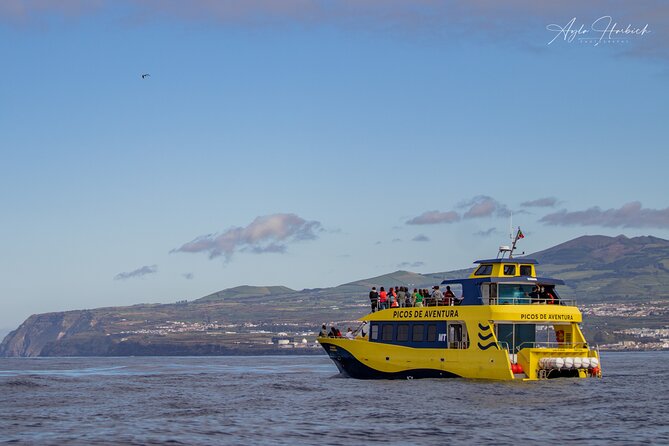
Your outing begins at Picos de Aventura in Marina Pêro de Teive, along Avenida João Bosco Mota Amaral in Ponta Delgada. Arrive 15 to 20 minutes before departure. That extra time is not wasted. You check in, receive safety instructions, and get ready for a trip where conditions can change quickly.
The briefing lasts about 15 to 20 minutes. Marine biologists explain what you may see, how the boat operates, and why the crew keeps its distance from whales and dolphins. You also get an introduction to local conservation work, which adds purpose to what could otherwise be just a fast ride around the bay.
The exact route is not fixed. Guides use a network of observation points along the southern coast and adjust the plan according to recent animal activity. That flexibility is important. A set route might be easier to advertise, but it would make little sense when whales and dolphins move freely through the ocean.
After the briefing, you board either a rigid inflatable speedboat or a catamaran. Raincoats and life vests are provided, and life vests are mandatory on the small boats. At the end, you return to the same marina. There is no hotel pickup or drop-off, so plan on reaching the marina independently.
A few more whale trips around Portugal worth a look
- From Funchal: Ecological Catamaran Dolphin Whale Watching
★ 4.5 · 8,204 reviews - Funchal: Dolphin and Whale Watching Catamaran Cruise
★ 4.5 · 5,697 reviews - From Ponta Delgada: Whale and Dolphin Watching Trip
★ 4.7 · 4,109 reviews
RIB or catamaran: choose the ride that fits you
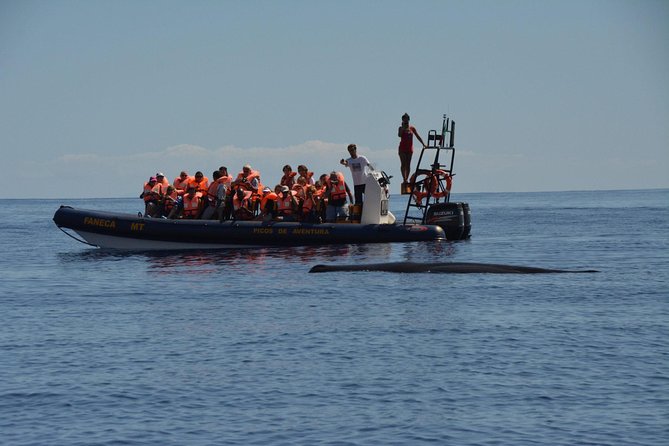
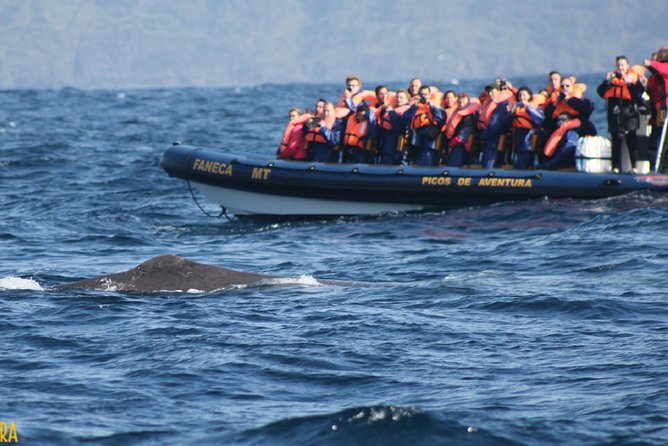
The rigid inflatable boat is the exciting option. You sit close to the water, feel the speed, and get a lively ride between sighting areas. It is a good match if you enjoy fast boat trips and want a close-to-the-sea view.
That same low, open design creates the chief drawback. Wind and spray can leave you wet, and waves may produce sharp turns and hard bumps. One account describes being completely soaked on a windy day, though the wildlife made it worthwhile. Take the raincoat even if the sky looks clear. It also cuts the wind.
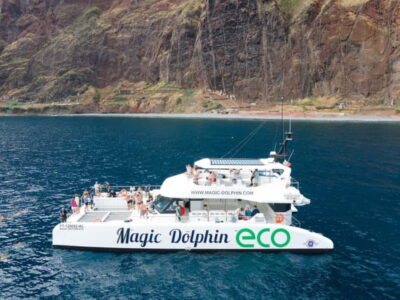
The catamaran gives you a calmer setup. It has more space to move around, a covered cabin, an open-air upper deck, and a toilet. It is the sensible choice for families with small children, anyone who dislikes a rough ride, or anyone who wants to shift between sheltered and open seating.
Do not assume the catamaran means poor viewing. Dolphins can be seen well from the larger boat, including from the front lower deck. You may lose some of the RIB’s speed and closeness to the water, but you gain comfort and a better chance of staying dry.
If you are prone to seasickness, prepare before departure. Several accounts describe rough water, particularly when the boat traveled many miles offshore. The supplied information does not specify medication, so ask a medical professional or pharmacist about suitable options before the trip. On the boat, keep your belongings secure and leave unnecessary items in the available lockers when using the speedboat.
What the two to three hours at sea are really like
Once you leave the marina, the boat heads into the Atlantic in search of active wildlife areas. The trip can last two to three hours, with some variation based on where the animals are found. A good part of that time may be spent traveling to the right patch of water.
That travel time is part of the experience, not a flaw in the schedule. Whales do not gather beside the marina on cue. You may spend long stretches scanning the horizon before the crew slows or changes course. The reward comes when the search turns into a sighting and everyone begins looking in the same direction.
Your guide helps identify the animals and explains their behavior. Possible sightings include sperm whales, baleen whales, sei whales, Bryde’s whales, humpback whales, and other migratory species. Dolphins may include common dolphins, bottlenose dolphins, spotted dolphins, pilot dolphins, and Atlantic spotted dolphins.
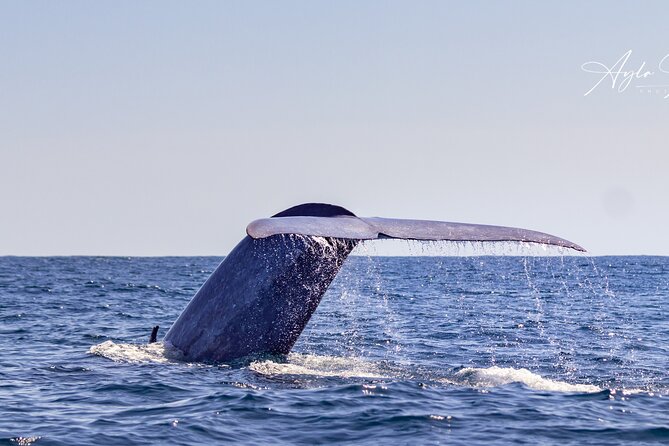
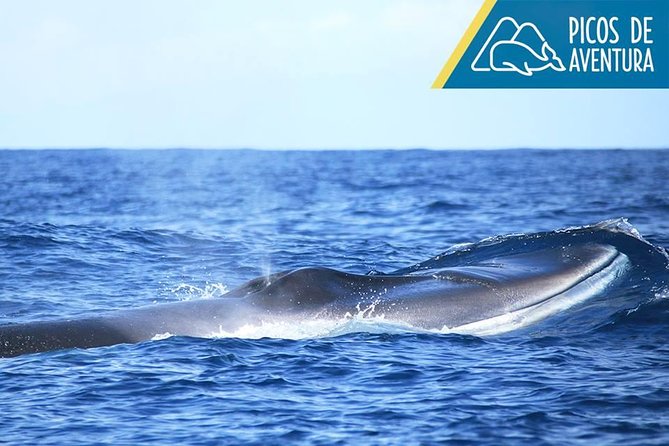
You might see a whale’s back, blow, fin, or tail before it disappears. Sometimes the sighting is brief or distant. That is normal wildlife watching, and it is worth keeping your expectations realistic. A trip can produce several species and still offer no close whale encounter.
The open ocean also gives you fine views of the Azorean coast. Even during a quiet wildlife stretch, you are looking back toward volcanic island scenery from the water. But the central activity remains patient observation. This is not a cruise with constant commentary or guaranteed action every few minutes.
Dolphins may provide the most reliable show
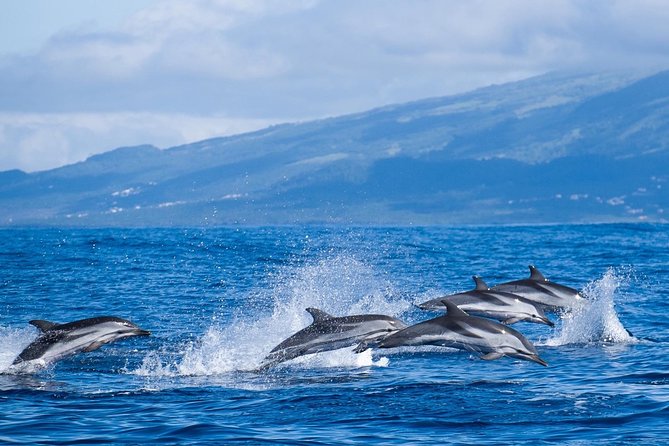
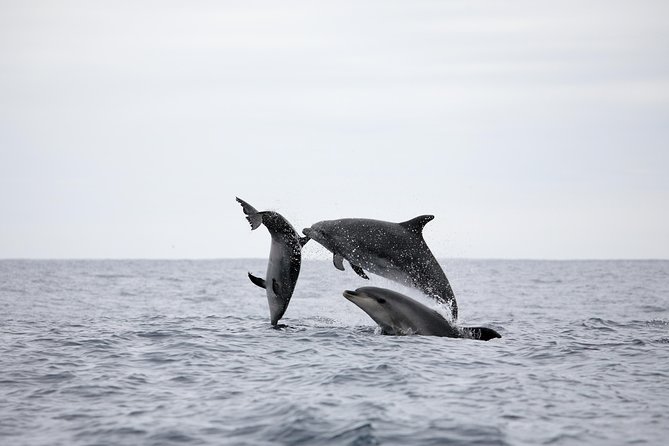
Dolphins often make the trip. They are easier to spot than whales because they travel in groups and may remain active near the boat for longer periods. Sightings have included large groups, with one outing producing hundreds of dolphins and another showing three different species.
Common dolphins, bottlenose dolphins, and Atlantic spotted dolphins are among the animals you may see. Pilot dolphins have also appeared. One especially unusual account described a difficult-to-see dolphin species, showing how varied the waters can be.
The behavior can be as memorable as the species list. Dolphins may travel in formation, surface repeatedly, or play near the boat. Still, they are wild animals. The boat may arrive after the group has moved, or the animals may appear only briefly.
The crew’s approach matters here. Guides aim to give the animals room rather than chase them aggressively. That can mean accepting a less dramatic photograph, but it also makes the outing more respectful. Bring a camera, but keep watching with your eyes. A phone held up at the wrong moment can make you miss the best sighting.
Same water, a different way to meet the whales:
- Azores: Whale Watching & Islet Boat Tour w/ Marine Biologist
★ 4.7 · 2,945 reviews - Funchal Bay: Dolphin & Whale Watch Luxury Catamaran Cruise
★ 4.2 · 2,684 reviews - All Inclusive Whale and Dolphin Watching Luxury Tour
★ 4.9 · 2,573 reviews - Madeira Dolphin and Whale Watching on a Ecological Catamaran
★ 4.5 · 1,957 reviews
Whale sightings are possible, not promised
The Azores are known for cetacean activity throughout the year, but the variety of species changes with migration patterns. The operator explains that there is not one strict whale season, though some months bring more migratory species and a greater range of large animals.
This distinction is important. You can see whales outside the peak migratory period, and several outings have produced sperm whales or other large species in the so-called off-season. Yet you can also spend a pleasant afternoon with dolphins and see no whale at all.
Recent trips have included sperm whales, sei whales, Bryde’s whales, humpback whales, and a right whale. One outing saw five species of whales and dolphins, while another found a sei whale and Atlantic spotted dolphins. These are excellent possibilities, not a promise for your departure.
The refund policy helps clarify the risk. If you see neither a whale nor a dolphin, the tour offers a full refund. If you see dolphins but no whales, the guarantee has been met. That is fair for a wildlife excursion, but it may disappoint you if your personal goal is specifically a whale.
I would book this with the mindset of seeing Azorean marine life, not checking one particular whale off a list. If sperm whales are your only acceptable result, you are taking a much bigger gamble.
The guides add more than species names
The strongest part of the experience is the crew’s role in making sense of what you see. A good guide points out a blow or fin that you might otherwise miss, then explains how to tell one species from another. You also learn about the animals’ lives and the pressures facing marine wildlife in the Azores.
The safety briefing sets the tone. You are told how to behave on board, what conditions may be like, and how the company protects the animals. That is especially useful for children, who may understand the outing better when it begins with a clear explanation rather than a rush to the boat.
Most accounts describe the guides as friendly, enthusiastic, and well prepared. One less positive experience reported little explanation during the trip. I would treat that as a reminder to ask questions if the water is quiet. The guides are there to help you interpret the wait, the route, and the behavior you are seeing.
The tour may operate with a multilingual guide, but English is the listed language. If you need another language, confirm availability before booking.
Is $78.60 good value?
At $78.60 per person, this is not a casual harbor cruise. You are paying for a two to three hour search in open water, a trained crew, marine biology guidance, safety equipment, and access to a boat that can travel to active areas.
The value is strongest when you care about the full experience: learning about cetaceans, seeing the southern coast from offshore, and taking part in a responsible wildlife search. It is weaker if you want a guaranteed whale sighting or a quiet scenic boat ride.
The catamaran also adds value for families and comfort-minded visitors. A covered cabin, room to move, and a toilet can make the difference between enjoying the full outing and wishing it would end. The RIB offers more excitement, but you need to accept the possibility of spray, wind, and a rough ride.
Because the trip is often booked 23 days in advance, I would not leave it until the last day of a short Ponta Delgada stay. Weather can cancel departures, and you may need a replacement date. Booking early gives you more room to move the trip if conditions are poor.
Weather, cancellations, and practical preparation
This activity requires suitable weather. Strong wind or rough seas can lead to cancellation, and children may not be allowed to participate if conditions create a safety concern. If the operator cancels for weather or because too few people have booked, you can choose another date or receive a full refund.
You can cancel for a full refund up to 24 hours before the start time. Changes or cancellations made less than 24 hours before departure are not accepted for a refund.
Dress for wind, even on a warm Azorean day. Use the supplied raincoat, especially on the RIB, and bring water or a snack because food and drinks are not included. Keep cameras and other valuables protected from spray.
The group can include up to 75 people. That is a sizeable maximum, though the boat type affects how crowded the outing feels. The catamaran spreads people over several areas, while the smaller boat feels more immediate and compact.
Most people can take part, but children must be accompanied by an adult. Sea conditions remain the deciding factor for young children and anyone with limited tolerance for motion or rough water.
Who should book this Ponta Delgada tour?
I would recommend it to families who want an active nature outing, couples who enjoy wildlife, and anyone curious about the Azores beyond land-based viewpoints. The guides, conservation focus, and range of possible species give the trip more substance than a simple boat ride.
Choose the catamaran if you have small children, want a toilet, dislike getting wet, or are worried about seasickness. Choose the RIB if speed, spray, and a close-to-the-water ride sound like part of the fun.
I would be more cautious if you have only one free day and need a whale sighting at a fixed time. Weather can cancel the trip, and whales may not appear even when dolphins do. Keep a backup plan and book early enough to allow a second attempt.
Should you book it?
Book this tour if you want a well-organized search for wild dolphins and whales, led by marine biologists and shaped by real conditions at sea. The most praised features are the crew’s care for wildlife, clear safety focus, strong explanations, and the number of dolphin species often seen.
Go in expecting nature rather than a show. You may see hundreds of dolphins and several whale species, or you may spend three hours scanning the ocean and return with dolphins as your main sighting. If that uncertainty sounds exciting, $78.60 is a reasonable price for one of Ponta Delgada’s most memorable ocean experiences.
FAQ
Where does the whale watching tour start?
The tour starts at Picos de Aventura in Marina Pêro de Teive, Avenida João Bosco Mota Amaral, 9500-771 Ponta Delgada, Portugal.
How long does the tour last?
The sea portion lasts about two to three hours. Allow an additional 15 to 20 minutes before departure for check-in and the safety briefing.
What animals might I see?
Possible sightings include sperm whales, sei whales, Bryde’s whales, humpback whales, right whales, baleen whales, common dolphins, bottlenose dolphins, spotted dolphins, pilot dolphins, and Atlantic spotted dolphins.
Are whale or dolphin sightings guaranteed?
A full refund is offered if you see neither a whale nor a dolphin. Seeing dolphins but no whales does not qualify for the refund.
What types of boats are available?
You can travel by rigid inflatable speedboat or catamaran. The speedboat offers a fast, close-to-the-water ride, while the catamaran has more space, a covered cabin, an open-air upper deck, and a toilet.
Is the tour suitable for children?
Children must be accompanied by an adult. Weather conditions may limit children’s participation for safety reasons, and the catamaran is described as the better option for families with small children.
Are food and drinks included?
No. Food and drinks are not included, so bring what you need for the time at sea.
What happens if bad weather cancels the tour?
You will be offered a different date or a full refund if the tour is canceled because of poor weather. A different date, another experience, or a full refund is also offered if the minimum number of participants is not reached.
Just added around Portugal
- Madeira : Whales and Dolphins wooden boat excursion★ 4.1 · 247 reviews
- Madeira: Whale and Dolphin Watching Tour★ 4.6 · 174 reviews
- From Machico: Madeira Whale and Dolphin Watching Boat Tour★ 4.8 · 225 reviews
- Terceira Island: Whale & Dolphin Watching | Best Wildlife Tour★ 4.0 · 24 reviews
- Sesimbra: Arrábida Dolphin and Whale Watching tour with biologist★ 5.0 · 248 reviews
- Observation of Dolphins and Whales with Marine Biologist in Arrábida★ 5.0 · 224 reviews
- Whale Watching Activity in North Coast★ 4.5 · 49 reviews
- Among Whales Dolphins and Volcanoes Full Day Tour With Lunch★ 4.5 · 28 reviews
Portugal Whale Watching Tours, compared.
Funchal: Ecological Catamaran Dolphin Whale Watching
Read our review →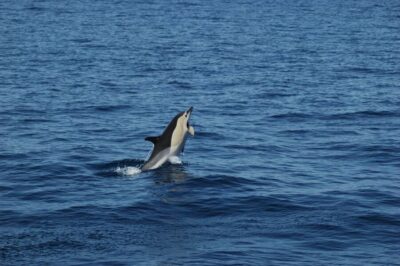
Funchal: Dolphin and Whale Watching Catamaran Cruise
Read our review →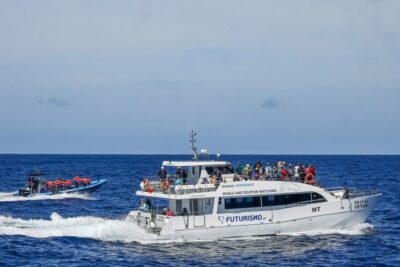
Ponta Delgada: Whale and Dolphin Watching Trip
Read our review →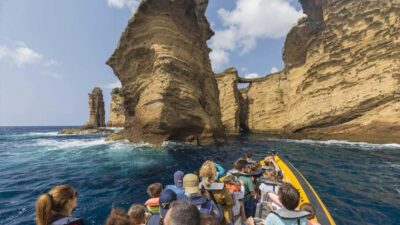
Azores: Whale Watching & Islet Boat Tour w/ Marine Biologist
Read our review →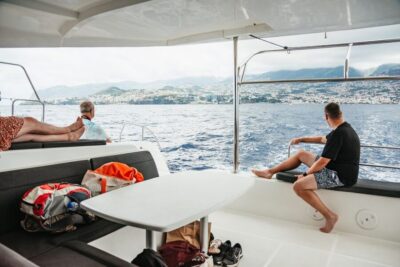
Funchal Bay: Dolphin & Whale Watch Luxury Catamaran Cruise
Read our review →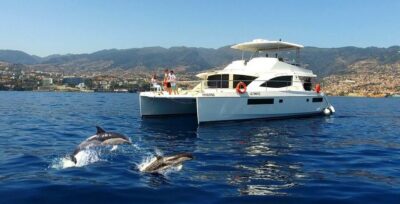
All Inclusive Whale and Dolphin Watching Luxury Tour
Read our review →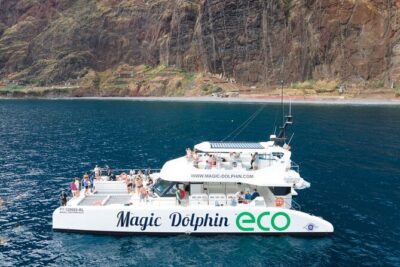
Madeira Dolphin and Whale Watching on a Ecological Catamaran
Read our review →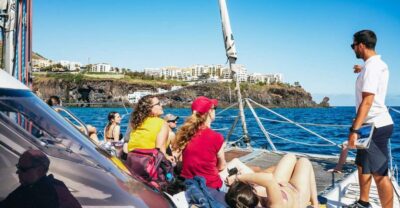
Funchal: Dolphin and Whale Watching by Luxury Catamaran
Read our review →Browse the lists this tour appears in