
Review · AUSTRALIA
Augusta: Whale Watching Tour
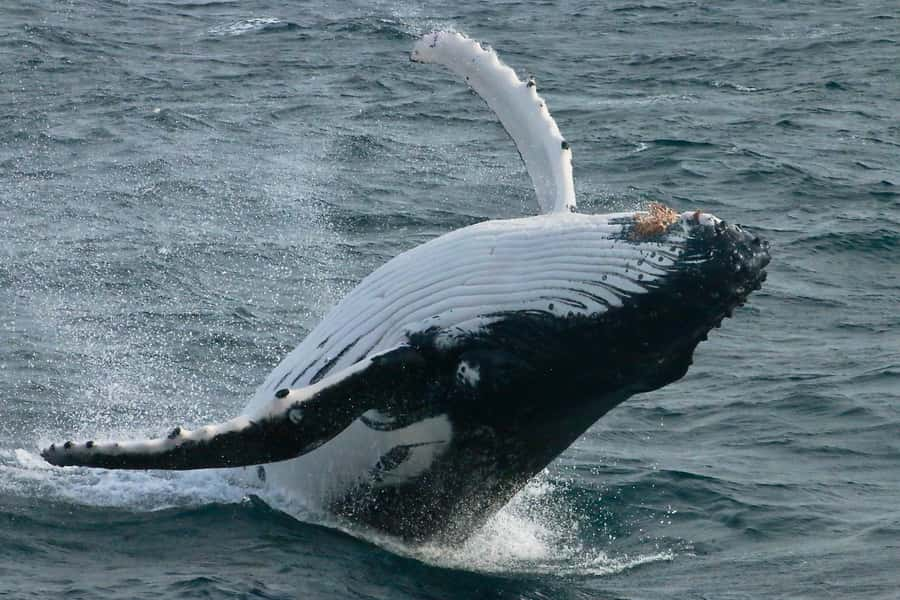
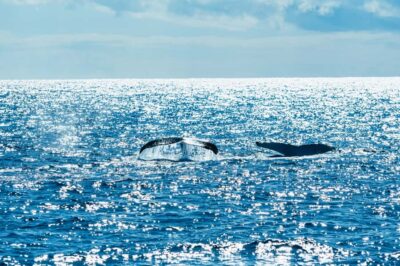
Augusta’s Flinders Bay is a resting place for migrating whales, so this cruise can bring you close to humpbacks, Southern Right whales, and dolphins soon after leaving the harbour. The two-hour trip runs on the Alison Maree, a purpose-built vessel with broad viewing areas and a reported 99 percent whale-sighting rate.
I like the onboard marine biologist, who explains whale movements and answers questions, and the chance to watch from several parts of the boat rather than from one fixed seat. I also like the simple comforts: tea, water, biscuits, and access to the skipper’s lounge.
The main consideration is boat traffic and crowding. One passenger found it difficult to move from side to side when the boat was busy, while another found the commentary hard to hear without a central PA system. Bring warm clothes and plan for possible seasickness.
Key points to know before booking
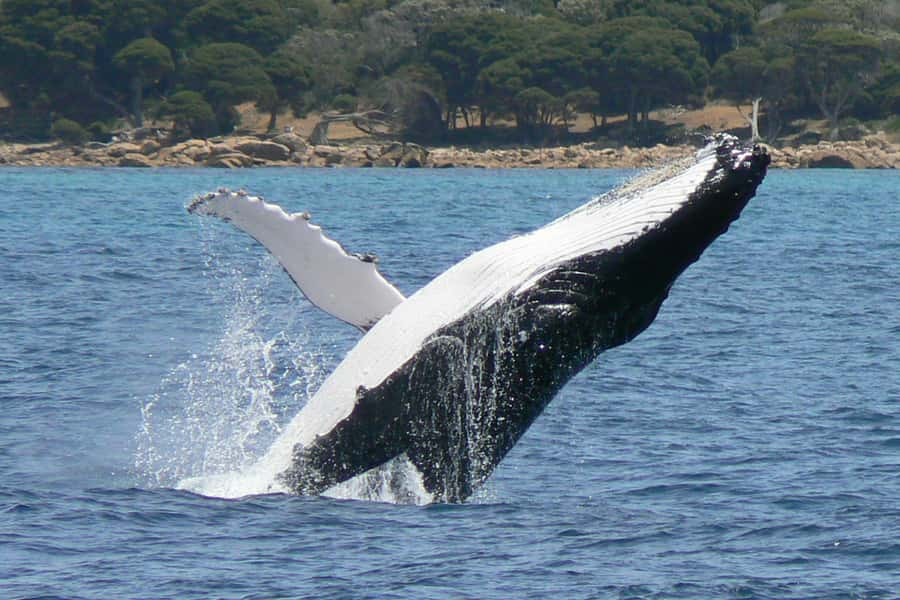
- Whales often appear soon after departure: Flinders Bay is used by migrating whales as a resting area on their northern journey.
- Three main whale species are possible: You may see humpbacks, Southern Right whales, and blue whales, along with dolphins.
- The Alison Maree is built for viewing: The vessel has viewing platforms, a skipper’s lounge, and open access around the boat.
- The marine biologist adds useful context: You can ask questions about whale behaviour, migration, and the past whaling industry.
- The tour includes a sighting guarantee: If you do not see whales, you can join another tour free of charge.
- The $74 price covers more than transport: You get a two-hour cruise, commentary, tea or water, biscuits, and a 10 percent restaurant discount that day.
Why Flinders Bay is a strong whale-watching setting
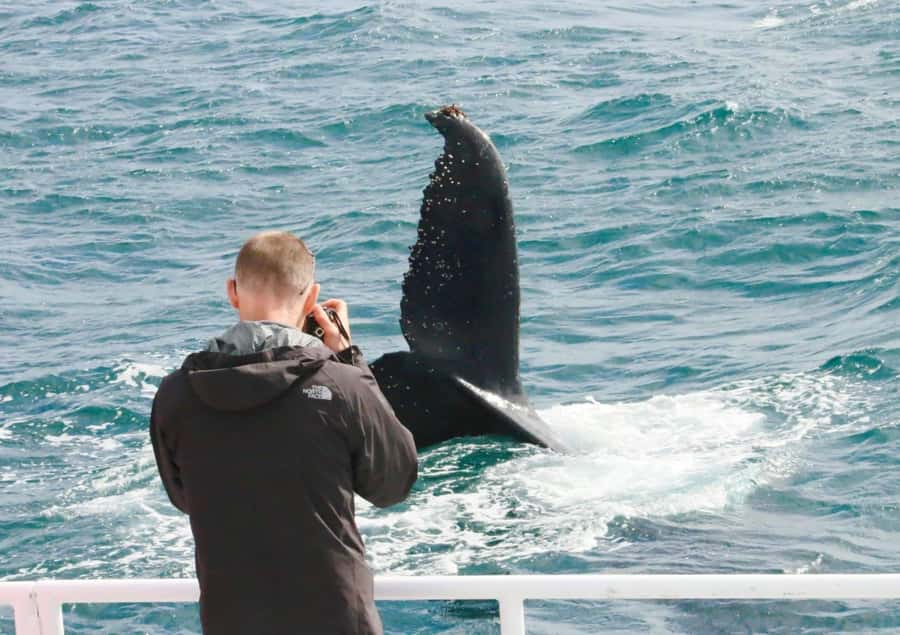
Augusta sits beside Flinders Bay in the southwest of Western Australia, where two ocean areas meet. The bay’s sheltered water gives migrating whales a calmer place to rest while moving north.
That matters because you are not simply heading out to sea and hoping something appears. The cruise operates in an area known for whale activity, and the operator reports a 99 percent success rate for whale sightings. No wildlife outing can promise exactly what an animal will do, but this is a useful sign when you are comparing tours.
The main species are humpback whales and Southern Right whales. Humpbacks are present in large numbers, with more than 35,000 migrating through the wider region. Southern Right whales are especially meaningful to see because hunting once pushed them close to extinction, and their numbers have recovered more slowly than those of humpbacks.
Blue whales are also listed among the possible sightings, although the experience is primarily described around humpbacks and Southern Right whales. Dolphins may appear as well. You should think of the trip as a chance to watch wild animals on their own terms, not as a staged wildlife show.
A few more whale trips around Australia worth a look
- Sydney: Whale Watching Adventure Cruise
★ 4.2 · 1,790 reviews - Brisbane Whale Watching Cruise from Redcliffe or Sunshine Coast
★ 5.0 · 997 reviews - Freedom 3/4 Day Hervey Bay Premium Whale Watching Cruise
★ 5.0 · 919 reviews
Leaving Augusta Boat Harbour
You meet the crew at the supplier’s desk in the undercover area of Augusta Boat Harbour on Leeuwin Road. The harbour is about a five-minute drive from Augusta town centre, so you will need to arrange your own way there.
The tour begins with a safety briefing. This is brief but important, especially if you want to move around the vessel during the cruise. Wear comfortable shoes, as you may spend time walking between viewing areas, and bring warm clothing even if the weather feels mild in town.
The boat is the Alison Maree, described as a luxury, purpose-built whale-watching vessel valued at $2.5 million. The important point for you is not the price tag itself. A purpose-built vessel should make it easier to view animals from different positions, and the trip includes access to the skipper’s lounge if you want a sheltered place to sit.
The boat is described as the sturdiest charter vessel in the southwest, but that does not remove the possibility of motion. If you are prone to seasickness, bring your preferred preventative before departure. The provided information does not specify which products are available onboard, so do not count on buying medication at the harbour.
Two hours among migrating whales
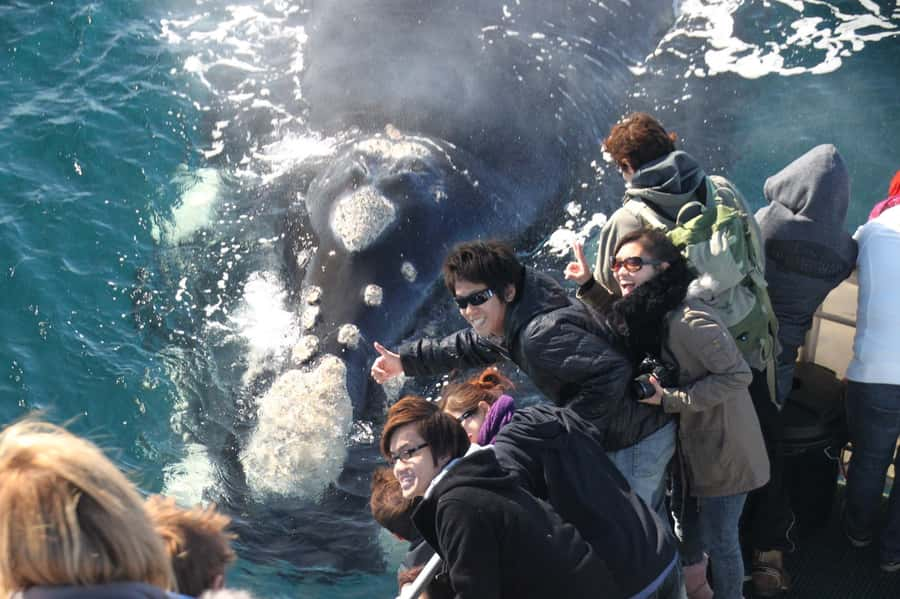
Once the Alison Maree leaves Augusta Boat Harbour, the main part of the trip takes place in Flinders Bay. The cruise lasts about two hours, though it can run longer when whale activity is strong. One recent trip stayed out for roughly 50 extra minutes because the whales continued to put on a good show.
That extra time is a pleasant bonus, but it can also affect your plans afterward. Avoid booking a tight lunch reservation or another activity immediately after the stated return time. The operator runs morning and afternoon departures, with starting times depending on availability.
The usual pattern is simple: the crew searches for whales, the boat positions itself for viewing, and the marine biologist explains what you are seeing. Because the bay is a resting area, you may not need binoculars. The supplied information says whales are often spotted not long after leaving the harbour, and the population passing through the area provides plenty of opportunity.
Still, whale behaviour is never fully predictable. A whale may surface several times, disappear for a while, or move away from the boat. The best approach is to watch patiently and listen for instructions from the crew rather than focusing only on getting a dramatic photograph.
Viewing platforms, lounge access, and boat movement
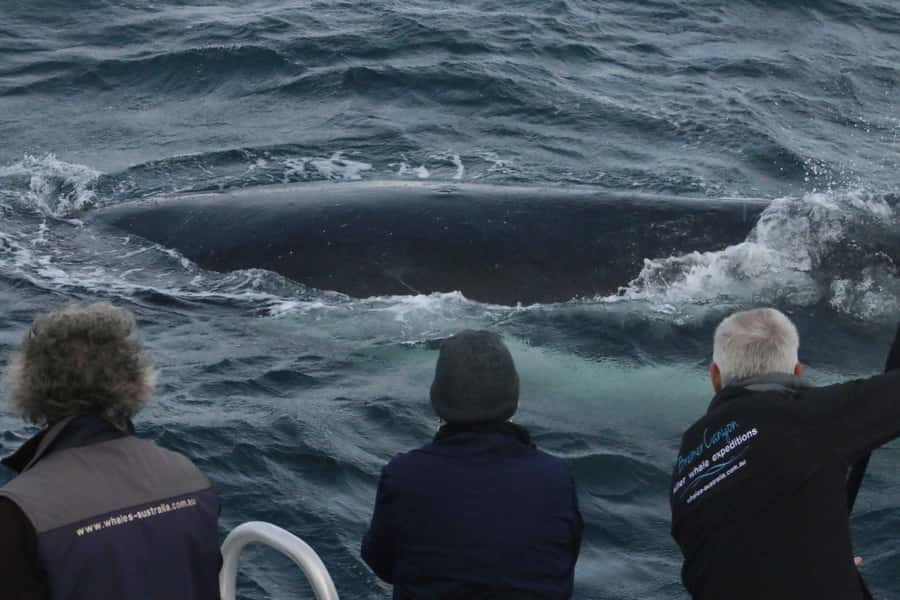
The Alison Maree offers several viewing platforms, which is one of its practical strengths. If a whale surfaces on one side, you have a better chance of finding a useful position than you would on a small boat with limited space.
The trade-off is that a popular departure may feel crowded. One passenger found it hard to move from one side to the other when many people were onboard. If you care about getting a clear view, move around early and pay attention to where the crew suggests standing.
You can also use the skipper’s lounge. This gives you a place to warm up, rest, or take a break from standing outside. Families and older passengers may appreciate that flexibility, particularly if the sea becomes choppy or the wind picks up.
The boat is promoted as family-friendly and suitable for all ages. Wheelchair access is available, though the supplied details do not explain the exact boarding arrangements or which viewing areas are accessible. If you use a wheelchair, confirm the practical details with the operator before booking.
Same water, a different way to meet the whales:
- Swim with Whale Sharks in the Ningaloo Reef: 3 Island Shark Dive
★ 5.0 · 919 reviews - Whale Watching Tour with Spirit of Gold Coast
★ 4.5 · 884 reviews - Sydney Whale-Watching Cruise Including Lunch or Breakfast
★ 4.5 · 878 reviews - Sydney: 2-hour Express Whale Watching Cruise
★ 4.2 · 756 reviews
What the marine biologist adds
The onboard marine biologist is more than a voice pointing out fins. You can ask about whale movements, migration, species identification, and the reasons Flinders Bay is useful to migrating animals.
This commentary gives the cruise some depth. A humpback’s blow may look like a quick burst of spray, but the explanation helps you understand what to watch for next. A Southern Right whale also carries a particular story, since its population suffered heavily during the whaling era and has not recovered as strongly as the humpback population.
You can speak with the marine biologist at the front of the vessel, while the skippers also share stories from the boat. One point to keep in mind is sound. A passenger found it difficult to hear some commentary because there was no central public-address system. If the natural noise of the boat and wind makes listening hard, move closer to the speaker when safe to do so.
The lack of a central PA system is a real weakness for anyone who values every bit of interpretation. The marine biologist is a major part of the experience, so clear commentary matters. You can still ask questions directly, but you may miss some information if you remain at the opposite end of the vessel.
Tea, biscuits, and the small comforts
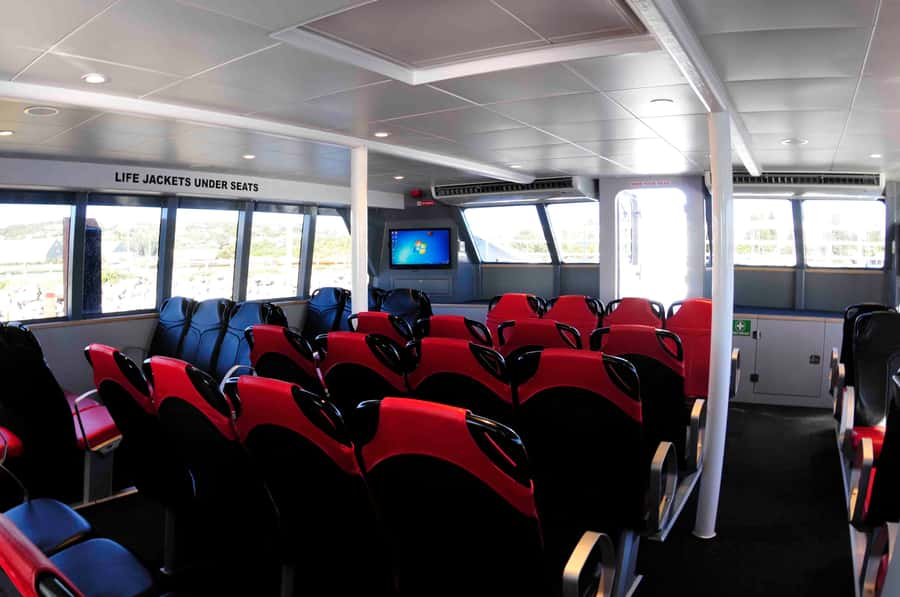
Morning or afternoon tea is included. You receive a hot drink or water, with biscuits available to help yourself. This will not replace a meal, but it is a useful touch during a two-hour cruise.
The included refreshments also make the $74 price easier to assess. You are paying for a guided wildlife cruise, a purpose-built boat, a marine biologist, and a sighting guarantee, not just a short ride around the bay. The 10 percent restaurant discount on the day adds a little extra value if you plan to eat locally afterward.
At $74 per person, this is not the cheapest possible way to spend two hours, but the price is reasonable if you want expert commentary and a strong chance of seeing whales. The free return offer also reduces the risk of paying for a trip with no whale sighting, although you will need enough time in Augusta to use it.
How the whale-sighting guarantee works for your planning
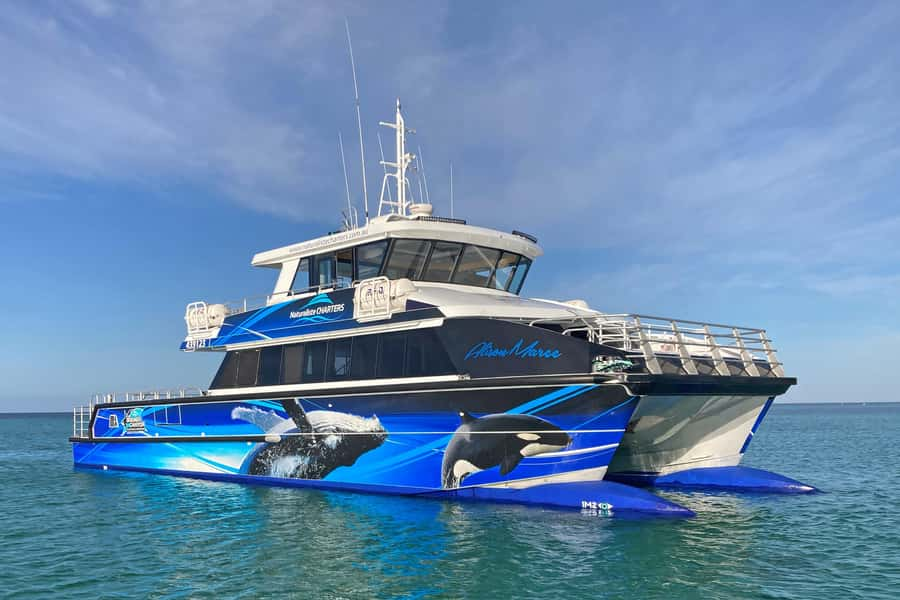
The operator offers a simple promise: see whales or join another tour free. That is useful because wildlife sightings are never completely under human control.
The 99 percent reported sighting rate makes a missed sighting unlikely, but you should still read the guarantee as protection rather than certainty. You must be able to fit another departure into your schedule, and the available times may not suit you if you are only passing through Augusta for a few hours.
If seeing whales is the main reason you are booking, consider choosing a morning or afternoon when you can leave room for a second attempt. This is especially sensible if you are driving a long distance and have no flexibility later in the day.
Who will get the most from this cruise
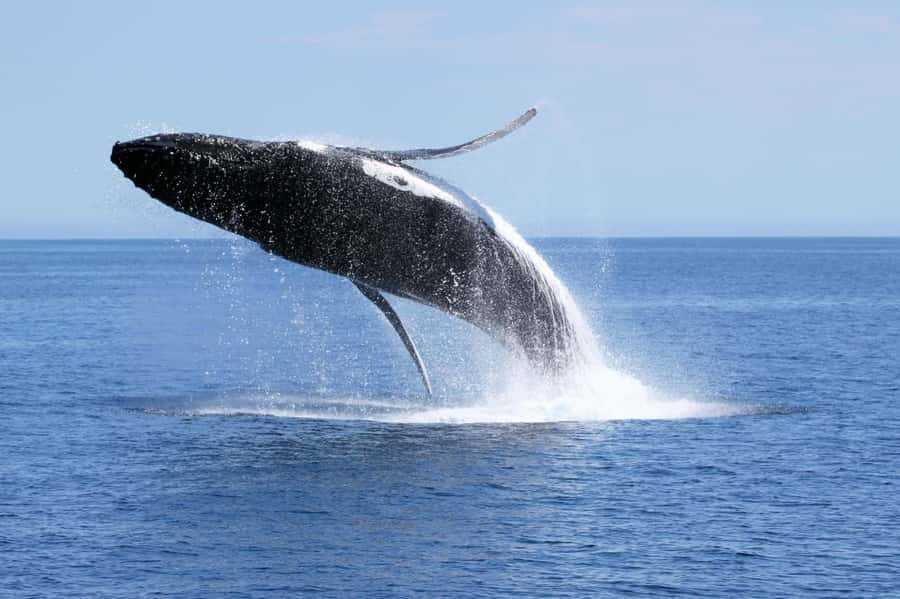
I would choose this tour for families, first-time whale watchers, and anyone who wants a guided look at the bay without committing to a full-day outing. Two hours is long enough to give you a proper chance at sightings while leaving time for Augusta’s other attractions.
It also suits people who prefer information with their wildlife viewing. The marine biologist can explain what you see, and the skippers add local stories. You are not required to know the difference between a humpback and a Southern Right whale before boarding.
The cruise may be less suitable if you dislike boats, have serious motion sickness, or need a quiet experience with very few people around you. The vessel has comfortable features, but it can still feel busy, and commentary may not be easy to hear from every spot.
Photographers should bring warm clothing and keep expectations sensible. You may get a memorable whale image, but wildlife does not pose on demand. A wide viewing area is more valuable here than a promise of close-up photographs.
Practical details that make the day easier
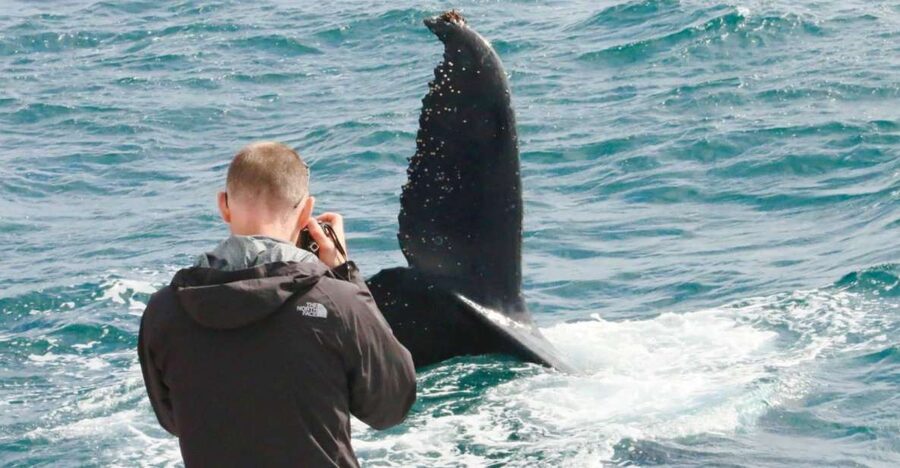
Book with enough time to reach Augusta Boat Harbour on Leeuwin Road. The harbour is close to town, but the meeting point is at the supplier’s desk in the undercover area, not simply anywhere along the waterfront.
Comfortable shoes are useful because you may move around the boat. Warm clothing is essential, even on a pleasant day, and a reusable water bottle helps you stay comfortable without relying only on the included drink.
The activity is conducted in English with a live guide. Free cancellation is available up to 24 hours before departure for a full refund, and you can reserve now and pay later. Starting times vary, so check availability when choosing your date.
The tour is wheelchair accessible, but the available information does not describe ramps, transfer help, or the layout of individual viewing platforms. Contact the operator before booking if you need those details.
Augusta: whale watching or something else?
The strongest reason to book is the combination of setting and access. Flinders Bay offers a known resting area for migrating whales, and the Alison Maree gives you multiple places to watch from. The marine biologist turns the outing into more than a search for a splash.
The main drawbacks are manageable but worth considering. A busy boat can make it harder to change sides, commentary may be difficult to hear in some positions, and the sea can still affect passengers despite the sheltered bay.
At $74, I think the tour is good value for most people who specifically want to see whales in Augusta. The sighting guarantee, included refreshments, two-hour duration, and possible extra time on the water strengthen the deal. I would book it if you have room in your schedule and want a family-friendly wildlife experience with useful interpretation. I would skip it only if you are highly sensitive to boat motion, need a very quiet outing, or cannot allow time for a possible return trip.
FAQ
Where does the whale-watching tour depart from?
The tour departs from Augusta Boat Harbour on Leeuwin Road in Western Australia. Meet the crew at the supplier’s desk in the undercover area.
How long does the cruise last?
The scheduled cruise lasts approximately two hours. It may run longer when whale activity continues, so allow extra time after the stated duration.
What animals might I see?
Possible sightings include humpback whales, Southern Right whales, blue whales, and dolphins.
Is whale watching guaranteed?
The operator reports a 99 percent whale-sighting rate and offers a free return trip if you do not see whales.
What type of boat is used?
The cruise operates on the Alison Maree, a purpose-built whale-watching vessel described as a $2.5 million luxury boat.
Is a marine biologist onboard?
Yes. An onboard marine biologist explains whale movements and history and answers questions during the cruise.
Is food or drink included?
Morning or afternoon tea is included, with a hot drink or water and biscuits.
Is the tour suitable for children and older people?
The tour is family-friendly and suitable for all ages. The vessel also has access to a skipper’s lounge for passengers who want a break from the viewing areas.
What should I bring?
Bring comfortable shoes, warm clothing, and a reusable water bottle. If you are prone to seasickness, bring any preventative treatment you need.
Can I cancel or pay later?
You can cancel up to 24 hours before departure for a full refund. Reserve now and pay later is also available.
Just added around Australia
- Wilsons Promontory: Whale Spotting Cruise with Lunch★ 4.9 · 20 reviews
- Whale Watching Safari Byron Bay★ 4.9 · 39 reviews
- Noosa: Epic Whale Watching Ocean Kayak Tour & Beach 4X4★ 4.8 · 7 reviews
- Western Australia: Swim with Humpback Whales★ 5.0 · 20 reviews
- Tweed Heads: Whale Watching Boat Tour★ 4.7 · 30 reviews
- Bremer Bay Orca Experience★ 5.0 · 79 reviews
- Wilsons Prom Whale Cruise★ 5.0 · 104 reviews
- Whale Watching and Wildlife Cruise Townsville and Magnetic Island★ 5.0 · 11 reviews
Australia Whale Watching Tours, compared.
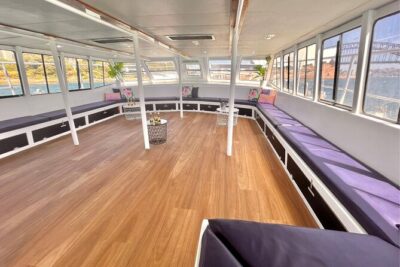
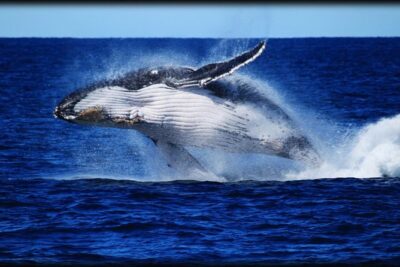
Brisbane Whale Watching Cruise from Redcliffe or Sunshine Coast
Read our review →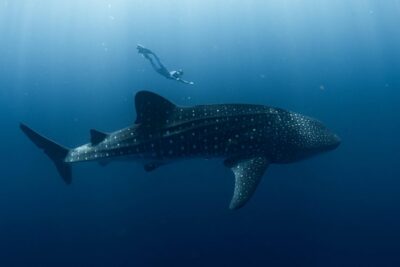
Swim with Whale Sharks in the Ningaloo Reef: 3 Island Shark Dive
Read our review →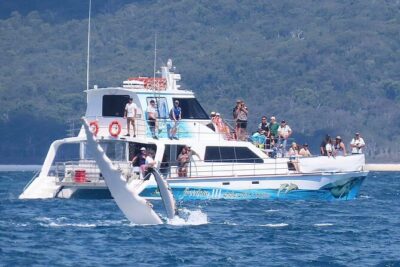
Freedom 3/4 Day Hervey Bay Premium Whale Watching Cruise
Read our review →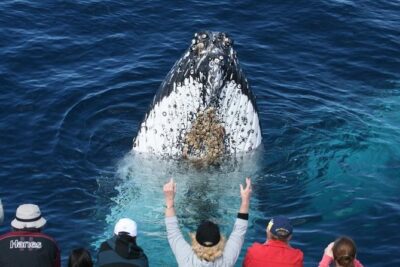
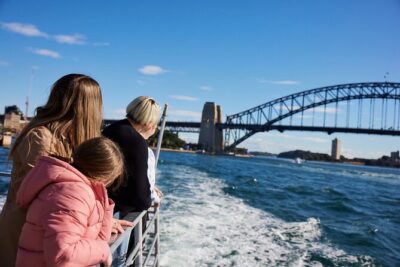
Sydney Whale-Watching Cruise Including Lunch or Breakfast
Read our review →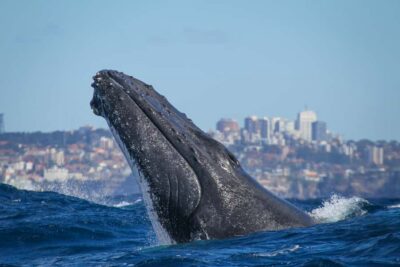
Spirit of Gold Coast 2.5-Hour Whale Watching Tour
Read our review →Browse the lists this tour appears in