
Review · AUSTRALIA
Noosa: Epic Whale Watching Ocean Kayak Tour & Beach 4X4
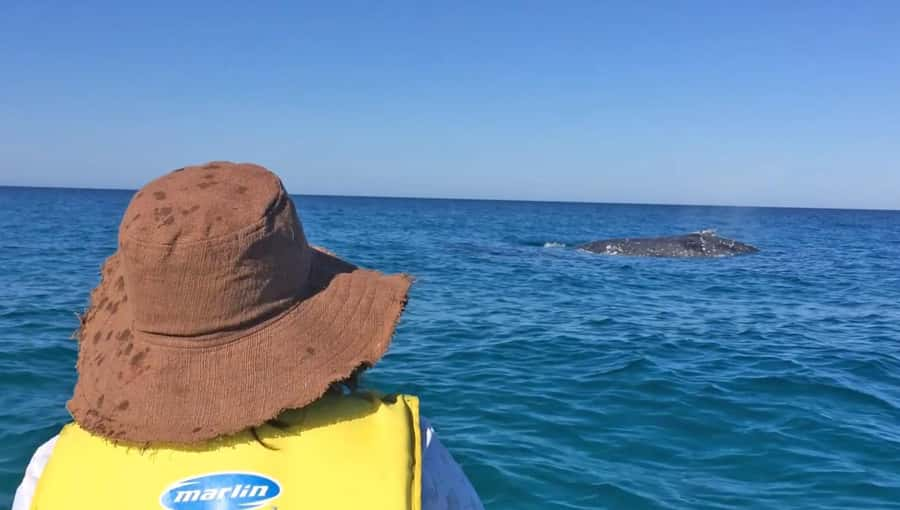
The best part of this Noosa outing is the chance to watch humpback whales from an ocean kayak, not from a crowded sightseeing boat. You travel by 4WD along Noosa North Shore to Double Island Point, then paddle into the protected waters of Great Sandy National Park.
I like the low-impact approach and the way the tour lets the whales set the terms. I also like the mix of a rugged beach drive, clear water, coloured sands, and time on the beach. The main drawback is simple: wildlife is unpredictable, so you may see whales far away, or not at all.
This is an active half-day trip. You need to swim, paddle, and handle open-water conditions. The guides keep the mood light and provide help when needed, but this is not a passive sightseeing ride. Bring a towel, spare clothes, sun protection, and a waterproof bag.
Key points to know before booking
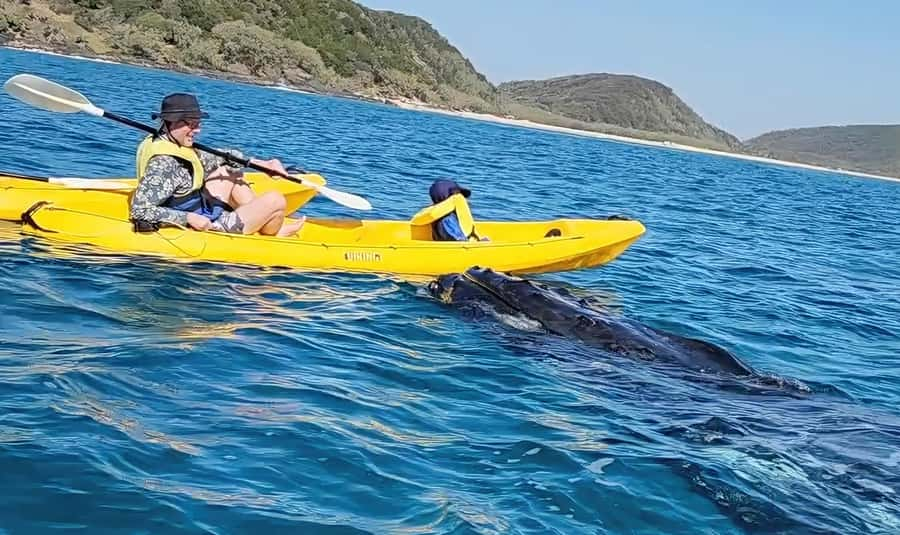
- Whales from an ocean kayak: You may watch humpbacks from the water during their seasonal migration, with encounters kept at a respectful distance.
- A real 4WD beach journey: Noosa North Shore and Double Island Point are reached by beach vehicle, giving you access to places that ordinary cars cannot reach.
- Two hours on the water: The kayaking section is long enough to feel like a proper activity rather than a quick photo stop.
- More than whale watching: Dolphins, turtles, and rays are also seen on this route, along with Honeymoon Bay and views toward K’Gari.
- Good guide support: The guides provide instruction, safety help, local commentary, equipment, water, and light snacks.
- Best for active adults and older children: You must be at least seven, able to swim, and comfortable with a physical outdoor activity.
Why this whale tour feels different
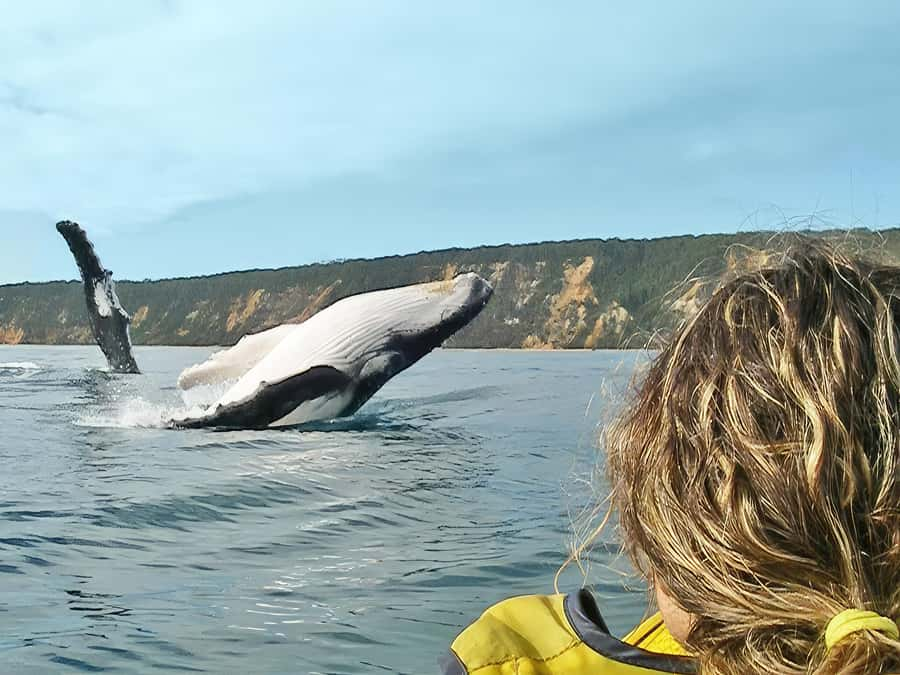
Most whale watching trips put you on a powered boat and take you toward the animals. This experience uses ocean kayaks, so the pace is slower and the setting feels more exposed. You hear the water, feel the movement of the kayak, and watch the horizon from close to sea level.
That does not mean you are guaranteed a close encounter. The tour follows a paddles up procedure when marine mammals approach. You stop paddling and allow the animals to decide how near they come. This is a sensible rule in a protected marine area, and it helps avoid turning wildlife into a staged performance.
During the migration season, humpback whales often pass close to the shore. Some rest with calves in the calmer waters around Double Island Point. On a lucky day, you might see several whales nearby. On another day, you may spot them at a distance. The tour is strongest when you accept that difference from the start.
I like this honest setup. You are not buying a guaranteed whale sighting. You are paying for a guided route through a beautiful national park, with whales as the hoped-for highlight and dolphins, turtles, and rays as welcome extras.
More Kayak Whale Watching in Australia:
- Noosa: Epic Whale Watching On Ocean Kayaks & Beach 4X4 Tour
★ 5.0 · 12 reviews - Whale Watching by Sea Kayak in Batemans Bay
★ 5.0 · 6 reviews - Rainbow Beach: Whale Watching Ocean Kayak Tour & Beach 4X4
★ 5.0 · 4 reviews
From Noosa Dr to the Great Sandy National Park
The meeting point is in front of The J Noosa Theatre Venue at the bus pull-out area with a bench seat. The full experience lasts about six hours, and the scenic drive to the national park takes roughly one hour each way.
The 4WD transfer is not just a way to get from town to the launch point. Noosa North Shore is reached by beach vehicle, and the drive gives you access to a part of the coast that is difficult to visit without your own capable 4WD. The route generally follows the low tide, when beach travel is most suitable.
This section may be a highlight if you enjoy changing scenery and a little roughness under the wheels. It also adds time sitting in a vehicle, so bring water and prepare for a full half-day rather than a short morning activity. The route leads into the Great Sandy National Park, away from the built-up parts of Noosa.
The setting here matters. Double Island Point is not a marina or a commercial waterfront. It is a more natural launch point, with beach, open sea, ancient coloured sands, and views toward K’Gari, also known as Fraser Island.
Double Island Point and Honeymoon Bay
After the drive, you get about 30 minutes of free time at Double Island Point before the main whale watching session. This is useful time to look around, settle into the surroundings, and prepare for the water.
Honeymoon Bay is one of the notable natural features in the area. The water can be remarkably clear, and the bay offers a calmer-looking setting than the open beach. You may have time for a swim or simply sit on the sand before or after kayaking, depending on the day’s conditions and timing.
The coloured sands add visual interest to the beach section. These tall ancient formations are one of the reasons the trip works even if the whales keep their distance. You are not spending six hours in one narrow activity. The day includes a beach drive, national park scenery, sea kayaking, and time to relax.
I would not treat the 30-minute stop as a long beach break. It is enough to get your bearings and enjoy the place, but the tour’s focus remains the two-hour ocean kayak session.
Two hours of kayaking with the whales
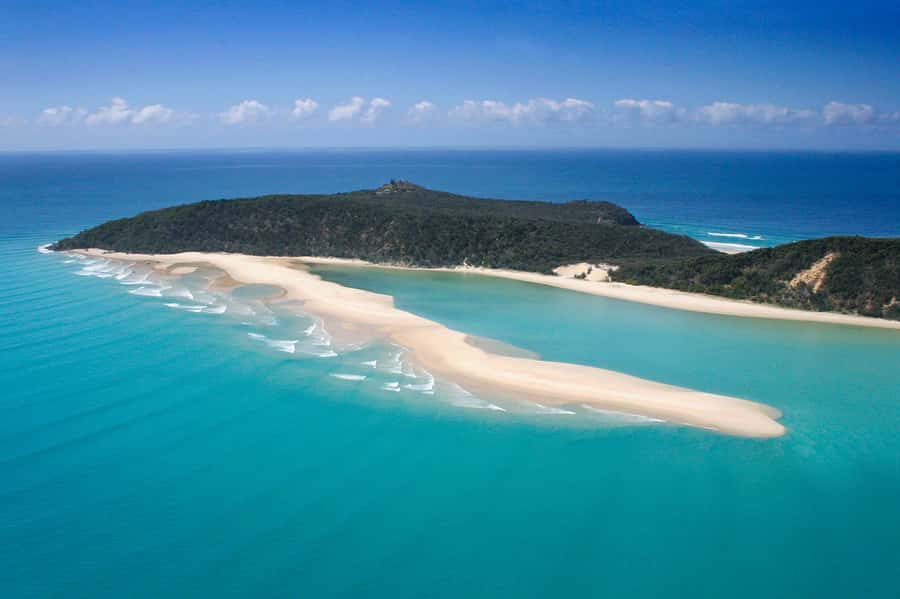
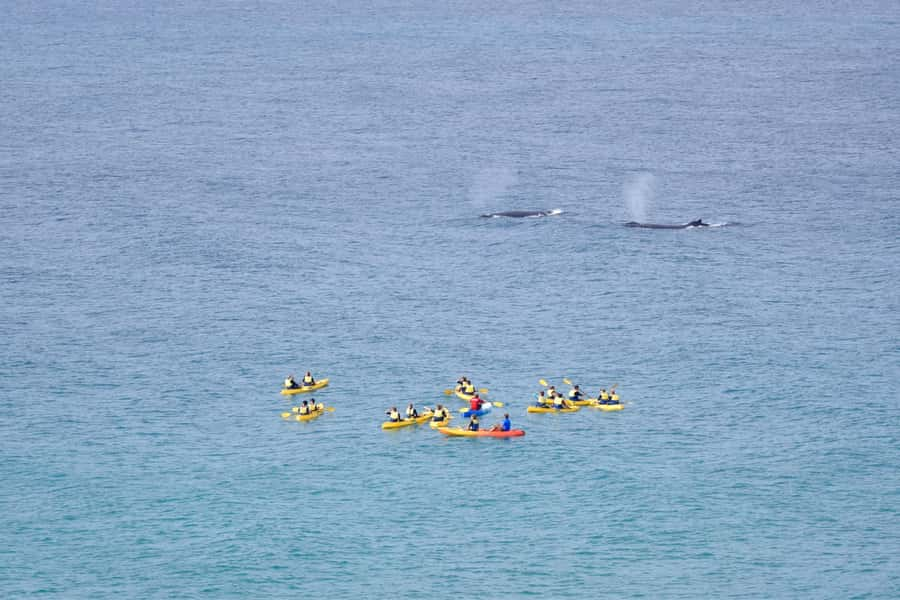
The kayaking section lasts about two hours, making it the heart of the trip. You receive the equipment and paddle with a guide through the coastal waters around Double Island Point.
You need to be comfortable in a kayak and able to swim. The tour is not suitable for non-swimmers, people with heart problems, or anyone over 220 pounds, or 100 kilograms. Children under seven cannot join. These restrictions are worth taking seriously because open-water kayaking requires more effort and balance than sitting on a boat.
The guide’s role is important here. They provide local commentary, help you on the water, and explain how to behave around marine mammals. One especially reassuring part of the experience is the emphasis on safety and calm decision-making. A past outing was praised for good equipment, clear organization, and a strong feeling of safety on the water.
The paddles up rule is easy to understand. When whales or other marine mammals come close, you stop paddling and watch. This gives the animals control over the encounter and reduces noise and movement from the kayaks. It also creates a quieter moment for you. You are not chasing a whale for a better photograph.
The whales may be humpbacks on their northward migration, or mothers resting with calves in the sheltered waters near Double Island Point. The number of whales in the area changes from season to season. The tour information gives an estimate of 40,000 humpbacks migrating north in one season, but that figure should not be treated as a promise for your particular day.
You may also see pods of dolphins, turtles, and rays. A previous outing had especially good luck with humpbacks and then spotted dolphins on the return. That kind of variety is part of the appeal, but it remains wildlife watching, not an aquarium visit.
More Paddling Trips in Australia:
- Orca Cove Sea Kayaking
★ 5.0 · 322 reviews - Kayak & Turtle Town Snorkel(Turtles Guaranteed) + Whale Watching
★ 5.0 · 196 reviews - South Maui: Whale Watch Kayaking and Snorkel Tour in Kihei
★ 4.7 · 93 reviews - Kayak and Whale Watching Tour
★ 5.0 · 63 reviews
What a close encounter really means
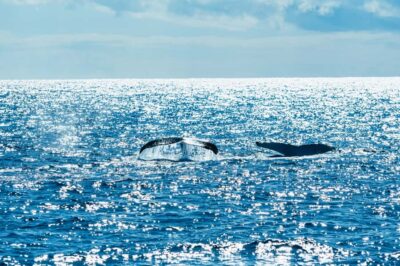
A close whale sighting from a kayak can be thrilling, but it also comes with responsibility. You are at water level, so even a distant whale can feel impressive. A blow, fin, or back breaking the surface may be all you see at first.
Some days bring whales very close. Other days, you only see them farther out. One outing had beautiful scenery and smooth organization but distant whale sightings. That is not a failure of the guide. The animals choose their route, speed, and distance.
I recommend booking this tour only if you can enjoy the setting even without a perfect whale photograph. If your main goal is a guaranteed close view, a kayak tour may frustrate you. If you value quiet observation, fresh air, and a respectful wildlife encounter, the uncertainty is part of the deal.
The approach also helps keep the tour from feeling intrusive. The guides do not promise to force a meeting. They position you to look for marine life and respond carefully when it appears.
Beach time, snacks, and the ride back
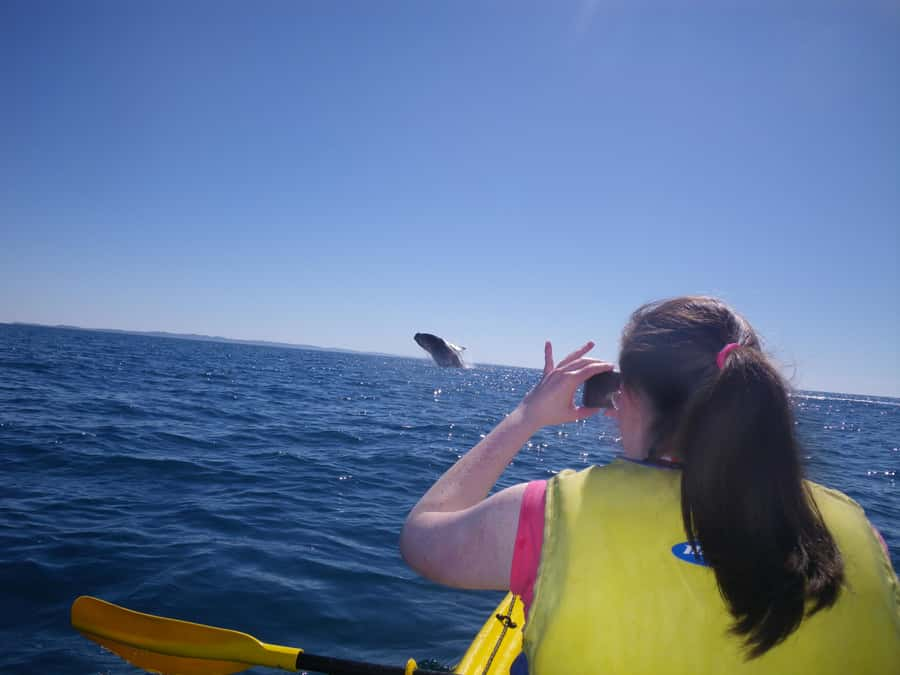
After kayaking, you have around 30 minutes for local snacks. Water and light food are included, so you do not need to plan a full meal during the activity.
The snack is practical rather than a major food stop. One person found it a little modest and wished it were more substantial. I would bring a small extra snack if you tend to get hungry after two hours of paddling, provided it fits the operator’s rules and is easy to carry.
You also get time to swim or relax on the beach. This gives your arms a break before the return journey and lets you enjoy Double Island Point without a strict rush from kayak to vehicle.
The 4WD drive back takes about an hour. The views toward K’Gari and the scenery around Cooloola and Noosa North Shore give the return trip real value. If you do not have your own 4WD, this may be one of the best ways to see the northern beaches and reach Double Island Point.
You return to the original meeting point at 60 Noosa Drive after roughly six hours. Starting times vary, so check the available departure time when booking.
Price and what you receive for $121
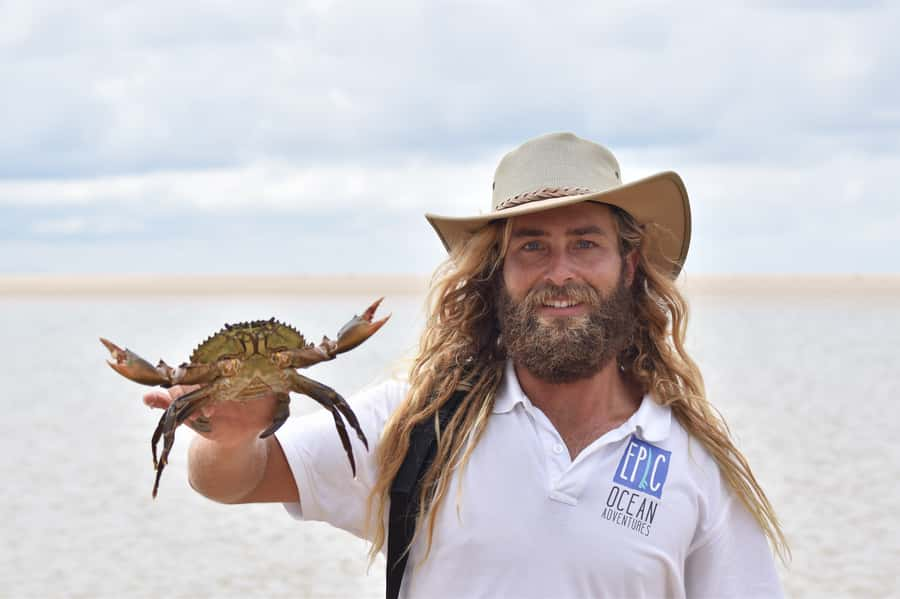
At $121 per person, this sits above a simple beach transfer but below many full-day wildlife excursions. The price includes the 4WD beach drive, guided ocean kayaking, equipment, local commentary, water, light snacks, and time to swim or rest.
I think the value is strongest for people who would otherwise need to arrange several pieces separately. You would need a suitable 4WD to reach Double Island Point, kayaking equipment, a guide, and enough local knowledge to manage the marine park responsibly. This tour brings those elements together in one six-hour outing.
The price is less compelling if you only want a quick whale sighting. It is also worth remembering that whale encounters are not guaranteed. You are paying for access to a special coastal area and a guided wildlife activity, with the animals setting the final result.
A flexible booking policy helps reduce the risk of committing too early. You can cancel up to 24 hours before the activity for a full refund, and you can reserve now and pay later. Check the exact conditions at the time of booking.
Who should book this outing
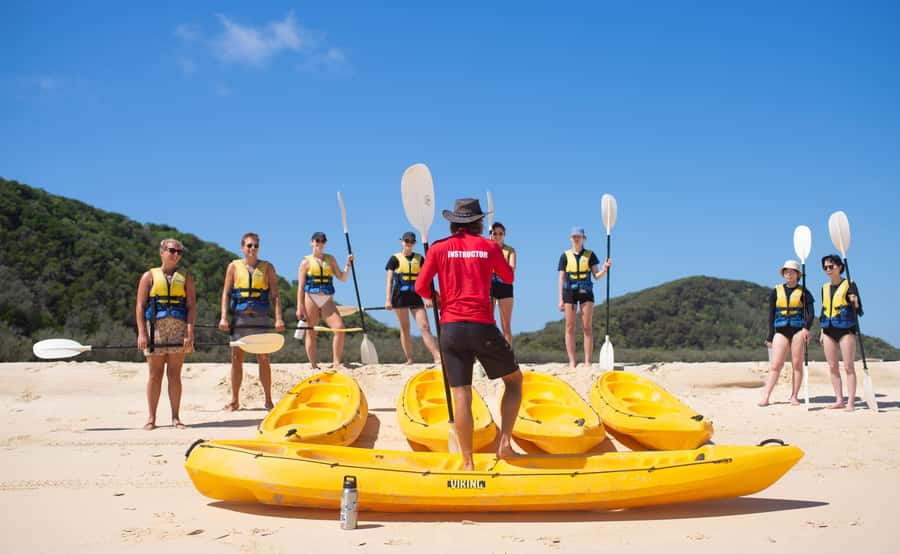
I would recommend it to you if you:
- Enjoy active outdoor trips more than coach sightseeing
- Are comfortable swimming and paddling for up to two hours
- Want to see Noosa North Shore without hiring a 4WD
- Prefer a low-impact approach to wildlife watching
- Can accept that whales might be distant or absent
- Like combining scenery, beach time, and wildlife in one outing
I would not choose it for a very young family, a non-swimmer, or anyone with a heart condition. It may also be a poor fit if you dislike open water, physical activity, or changing natural conditions.
Bring sunglasses, a hat, beachwear, a towel, spare clothes, and a waterproof bag. Alcohol, drugs, and pets are not allowed. The instruction is in English.
Is this Noosa whale tour worth booking?
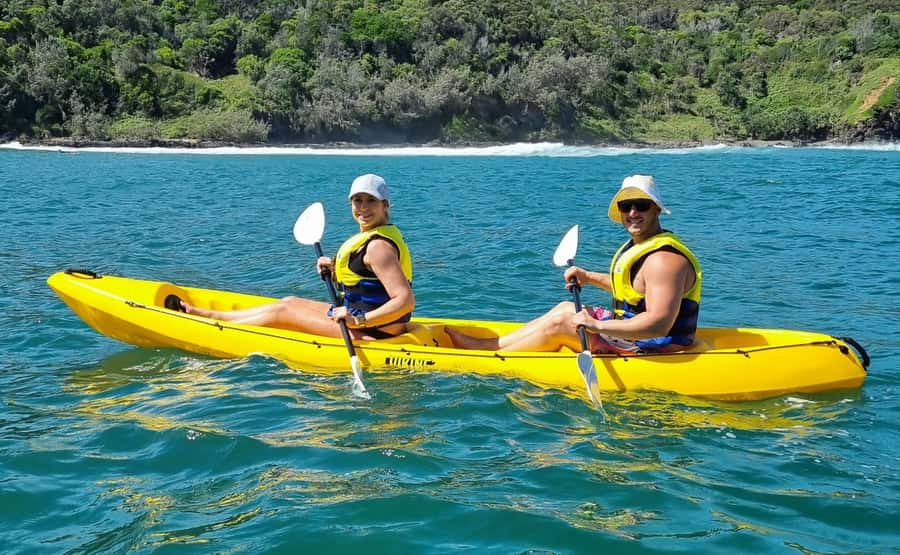
Yes, if you want a more active and respectful way to look for whales and you value the journey as much as the sighting. The 4WD beach drive, Double Island Point scenery, ocean kayaking, and chance of dolphins or turtles give the day substance even when the whales remain offshore.
I would book it for the combination of access and atmosphere, not for a guaranteed close encounter. You need to be fit enough to paddle, able to swim, and ready for nature to make the final call. For the right person, $121 is a fair price for a guided route into a part of the Great Sandy National Park that is difficult to reach alone.
FAQ
Where does the tour meet?
Meet in front of The J Noosa Theatre Venue, at the bus pull-out area with the bench seat. The listed address is 60 Noosa Drive.
How long does the activity last?
The experience lasts about six hours, including the 4WD beach drive, time at Double Island Point, kayaking, snacks, and the return trip.
Is whale watching guaranteed?
No. Whales are encountered on many days during migration, but wildlife sightings depend on the animals and natural conditions. You may see whales close to the kayak or farther away.
What other wildlife might I see?
The tour can also encounter dolphins, turtles, and rays. Sightings depend on the day.
Do I need to know how to swim?
Yes. The activity is not suitable for non-swimmers.
Can children join the tour?
Children under seven cannot join. The supplied information does not give a maximum age.
What should I bring?
Bring sunglasses, a hat, beachwear, a towel, a change of clothes, and a waterproof bag.
Can I cancel or pay later?
You can cancel up to 24 hours in advance for a full refund. The reserve-now, pay-later option lets you book without paying immediately.
Just added around Australia
- Wilsons Promontory: Whale Spotting Cruise with Lunch★ 4.9 · 20 reviews
- Whale Watching Safari Byron Bay★ 4.9 · 39 reviews
- Western Australia: Swim with Humpback Whales★ 5.0 · 20 reviews
- Tweed Heads: Whale Watching Boat Tour★ 4.7 · 30 reviews
- Bremer Bay Orca Experience★ 5.0 · 79 reviews
- Wilsons Prom Whale Cruise★ 5.0 · 104 reviews
- Whale Watching and Wildlife Cruise Townsville and Magnetic Island★ 5.0 · 11 reviews
- Whales of Sydney Sea Safari★ 5.0 · 2 reviews
Australia Whale Watching Tours, compared.
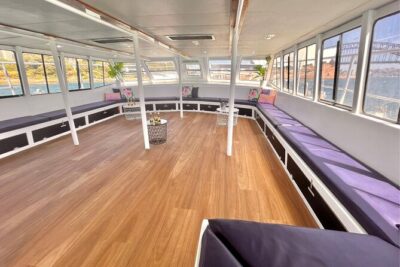
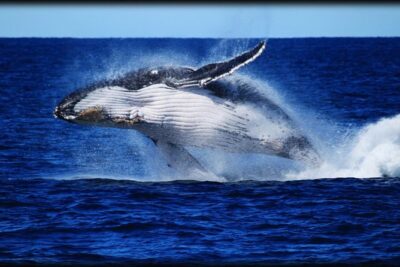
Brisbane Whale Watching Cruise from Redcliffe or Sunshine Coast
Read our review →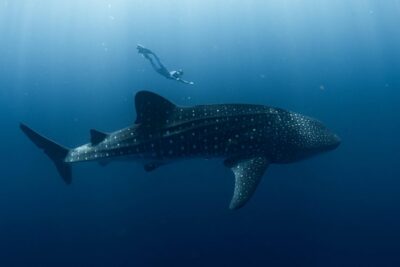
Swim with Whale Sharks in the Ningaloo Reef: 3 Island Shark Dive
Read our review →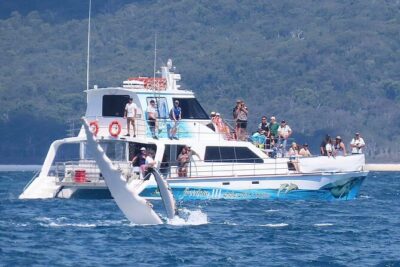
Freedom 3/4 Day Hervey Bay Premium Whale Watching Cruise
Read our review →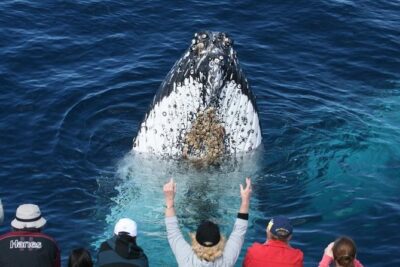
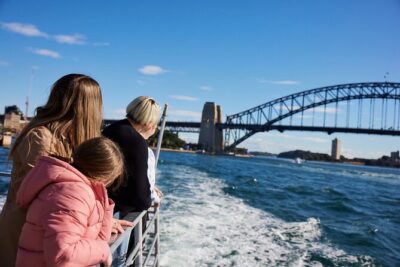
Sydney Whale-Watching Cruise Including Lunch or Breakfast
Read our review →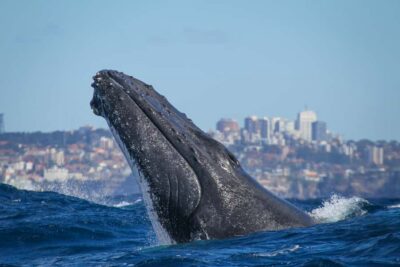
Spirit of Gold Coast 2.5-Hour Whale Watching Tour
Read our review →Browse the lists this tour appears in