
Review · NORWAY
Skjervøy: Whale Watching with RIB Boat and Local Guide
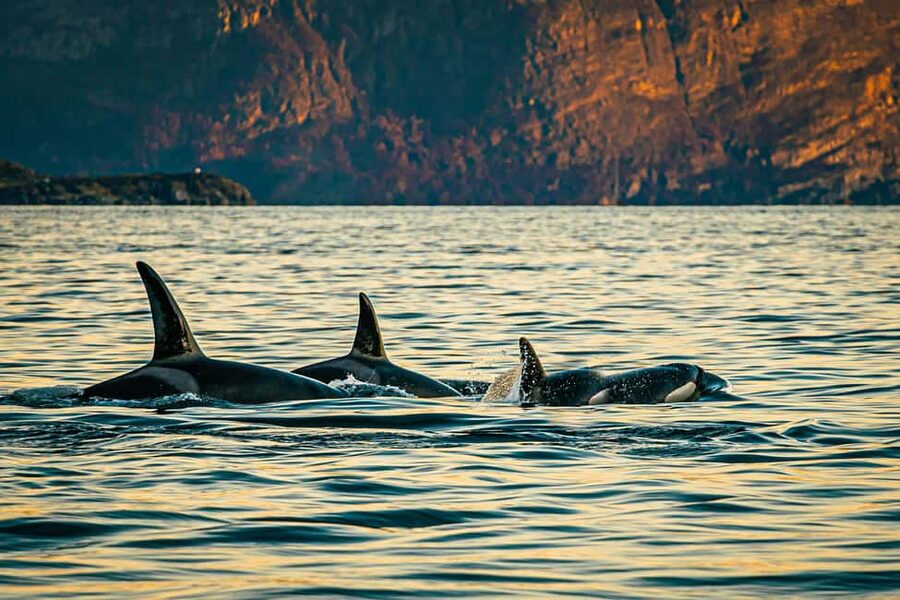
Seeing a pod of orcas work together around a herring-rich Arctic sea is the main reason to book this three-hour RIB safari. You may also find humpback whales nearby, and on lucky days fin whales join the show. The boat ride is quick and lively, with snow-covered mountains and open northern water all around you.
I like the practical setup: the local guide provides warm outerwear, boots, hats, goggles, and life jackets, then helps you get ready before departure. I also like the personal touch associated with guide Victor, who has been praised for finding whales, explaining their behavior, and sometimes offering hot chocolate and cookies afterward.
The catch is simple: this is a cold, exposed boat ride, not a warm sightseeing cruise. Gloves and neck protection matter, and rough water can make the trip tiring. Whale watching is never guaranteed, and the boat may spend time searching before the animals appear.
Key points to know before you book
- Orcas are the main prize: You may see family groups feeding together, sometimes close to the boat.
- Humpback whales are also common targets: Watch for powerful blows, tail flukes, songs, and occasional breaches.
- The RIB ride is part of the adventure: Expect speed, spray, wind, and some rocking in choppy water.
- Guide Victor gets frequent praise: He is known for spotting whales, sharing useful facts, and taking animal welfare seriously.
- The season runs from mid-October to February: Early and late season conditions can change quickly.
- You get serious cold-weather gear: Bring your own warm gloves and neck covering anyway.
Why Skjervøy is now the place for this safari
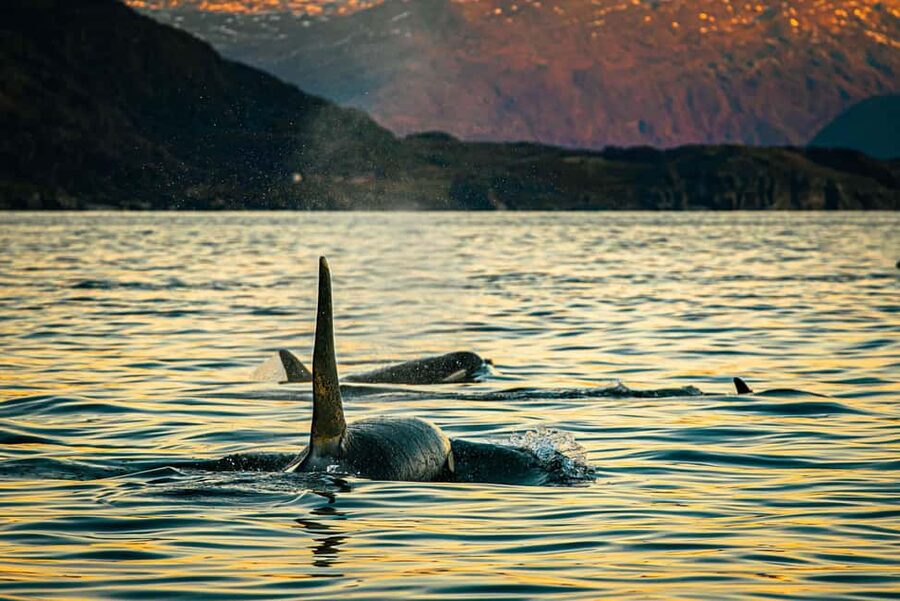
Skjervøy sits in northern Norway, well north of Tromsø, where seasonal herring movements attract large whales and orcas. That food source is the reason this area can offer such strong wildlife encounters during the colder months.
This is not a city harbor cruise with a few distant fins on the horizon. You head into open Arctic water in a small rigid inflatable boat, or RIB, with the mountains of northern Norway behind you and a good chance of seeing active marine life ahead.
The exact animals vary. Orcas may gather in family groups and cooperate while feeding. Humpback whales may appear alone or in small groups, rising slowly before showing their broad tails. Fin whales are also possible, and one January outing reportedly saw orcas, humpbacks, and fin whales at the same time.
That variety matters. You are not booking a simple ride to one fixed viewing area. You are joining a search for moving wildlife, guided by someone watching the water, the birds, feeding activity, and other signs that whales may be close.
More Zodiac and RIB Trips in Norway:
- Bleik: Whale Watching by Speedboat with Puffins and Muffins
★ 4.7 · 326 reviews - Whale Watching RIB Boat Tour in Skjervoy from Tromso
★ 4.5 · 102 reviews - Skjervøy: Whale and Orca Watching Tour by RIB Boat
★ 4.1 · 87 reviews
Finding the harbor meeting point
The meeting point is at Strandveien 96 in Skjervøy. Look for the backside of the old white building in the harbor, on the downside of the Ekstra grocery store. The listed coordinates are 70.02948760986328, 20.968090057373047.
This is worth taking seriously. The harbor has several operators and boats, and one account describes a busy departure area where many groups gather. Give yourself enough time to identify the correct company and find the changing area.
The provider is Reisafjord Xperience AS. The guide speaks English and Norwegian. Victor is the guide name that comes up most often in the feedback, though the assigned guide can depend on the date.
Once you find the base, you receive the equipment and change before heading to the RIB. The boat returns to the same location after roughly three hours on the water.
The three-hour itinerary, from harbor to whale country
The trip begins with a short briefing and a gear check. You receive a life jacket along with warm outerwear, a hat, thermal shoes, and goggles. The goggles are especially useful because spray can hit hard once the RIB picks up speed.
The boat then leaves Skjervøy harbor and heads toward the areas where orcas and whales have been feeding. The ride is not merely transportation. A RIB gives you a low, close-to-the-water position and a lively sense of movement, but it also exposes you to wind and spray.
The guide watches for blows, dorsal fins, groups of birds, and signs of feeding activity. If whales are not immediately visible, the boat may run back and forth while the guide searches. One early-season trip required extra time and distance before the group found orcas.
That searching is part of the reality of wildlife watching. A three-hour booking gives you a fair amount of time, but it cannot control the animals or the weather.
When the guide finds whales, the boat slows and keeps a respectful distance. The best sightings may involve animals choosing to approach on their own. One outing described a family group coming close to inspect the boat, while another found orcas feeding cooperatively and staying in the area long enough for the guide to extend the trip slightly.
The return to the harbor completes the scheduled activity. A few reports describe hot chocolate and cookies at the base, a welcome finish after sitting outside in Arctic weather. Treat that as a pleasant extra rather than a guaranteed part of every departure.
Orcas, humpbacks, and the behavior you may see
Orcas are easy to identify once they surface. Their black bodies, white patches, and tall dorsal fins make them unmistakable. The guide explains their social behavior and communication, including whistles and pulsing sounds that can be audible to people nearby.
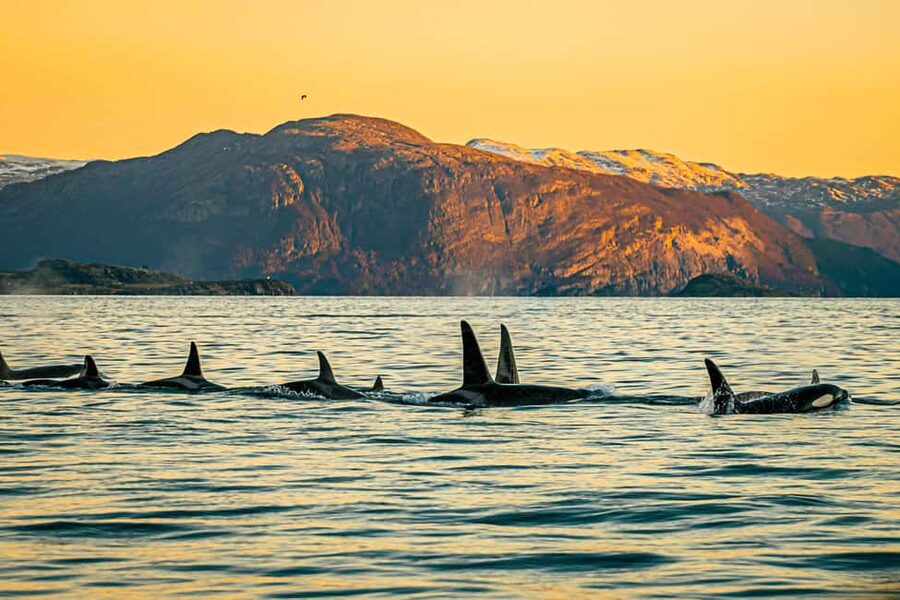
The most exciting sight is often a feeding group. Orcas may work together to herd fish, surfacing in a coordinated pattern. You might see several fins moving through the water, then watch the group change direction as it follows the fish.
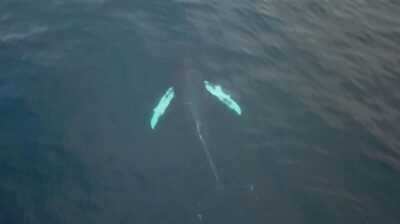
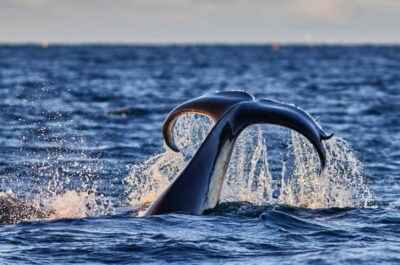
Humpback whales offer a different kind of encounter. They are often alone or in small groups and may appear more slowly than orcas. Look for the blow first, then the back, and finally the broad tail fin as the whale goes down.
Each humpback has an individual tail pattern. If you have a camera ready, a clean tail shot can help distinguish one whale from another. Breaching is possible, but it is not something anyone can promise. Several outings did include spectacular activity, including breaches and close humpback sightings.
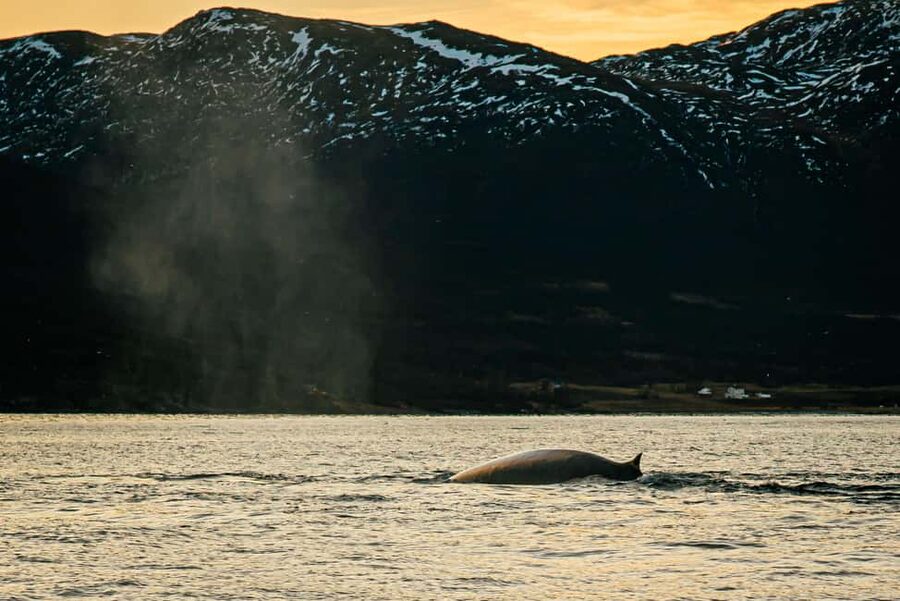
Fin whales may also appear during the season. They are less predictable, but seeing three species in one outing is possible based on the recorded experience from January.
The guide’s commentary adds value here. You are not simply pointing at black fins and guessing what they are. You learn to separate an orca from a humpback, notice feeding behavior, and understand why the animals gather in these waters.
A few more whale trips around Norway worth a look
- Húsavík: Whale Watching Tour with Guide
★ 4.6 · 2,761 reviews - Reykjavik: Whale Watching Tour with Expert Guide
★ 4.3 · 2,422 reviews - Whale Watching Tour with Professional Guide from Reykjavik
★ 4.5 · 744 reviews - Whale-Watching Boat Tour with Expert Guide from Reykjavik
★ 4.0 · 651 reviews
What the RIB ride feels like in Arctic weather
The RIB is exciting because it is small and responsive. You feel the boat accelerate, turn, and rise over the water. In calm conditions, that creates a fast, direct connection with the sea. In rougher conditions, it can feel like a proper ride, with rocking and spray.
One person described the boat as rough but fun. Another warned that even with the supplied suits, you should wrap up well. That is good advice. The gear helps block wind and water, but your hands, neck, and face remain the weak points.
Bring warm gloves unless the operator clearly confirms that suitable gloves are supplied. A neck covering is also important. One cold-weather account specifically found that insufficient hand and neck protection reduced the comfort of the final part of the trip.
Protect your camera or phone in a waterproof pouch or plastic bag. Spray can reach the seating area, especially when the boat is moving quickly or the sea is choppy. You will want both hands free when a whale surfaces, so a secure strap is useful too.
The supplied goggles are more than a novelty. They protect your eyes from spray and help you keep watching when the RIB is moving. Wear them even if the harbor looks calm.
How close are the whales?
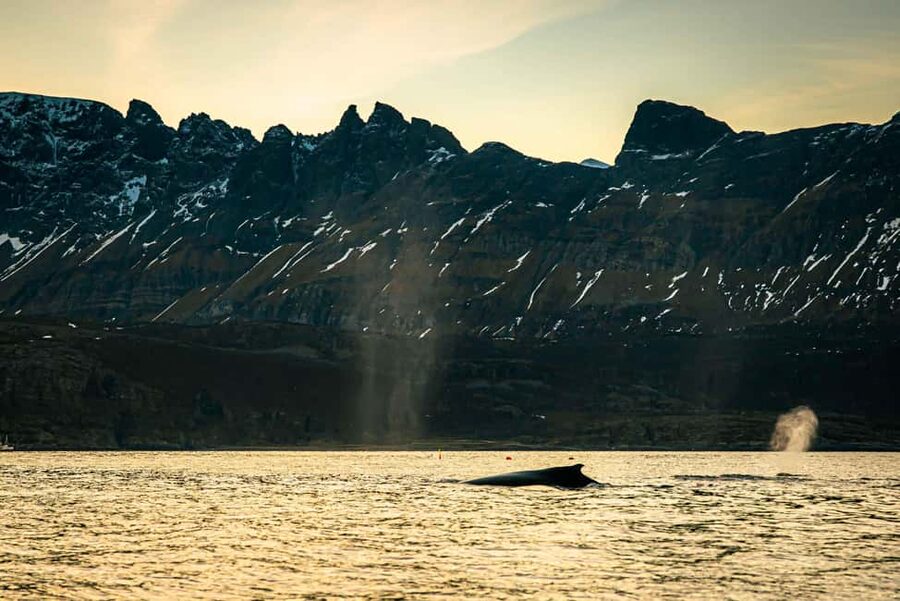
The tour aims for close and memorable sightings, but it does not promise a fixed distance. Responsible wildlife watching means the boat should keep an appropriate distance and allow the animals to decide if they want to approach.
This is a real strength of the experience. The guide is described as stopping at a respectful distance and caring about the whales’ well-being. That approach also tends to create better encounters. A curious orca that chooses to come closer is far more special than a boat chasing an animal across the water.
The guide’s skill matters here. Several accounts describe Victor finding whales quickly, even in poor weather, and adjusting the outing to give the group more time when the animals were particularly active.
Still, do not expect the guide to produce whales on demand. Weather, feeding patterns, sea conditions, and the herring’s location all affect the day. The earliest part of the season may require more searching, while a productive feeding area can produce repeated sightings.
Group size, comfort, and the guide’s role
The boat setup has been described as carrying 12 passengers plus Victor. That is a reasonable size for a RIB, though it is not an intimate private charter. Seating was described as comfortable, and everyone could view the animals from the boat.
The guide has several jobs at once. He operates the boat, searches for wildlife, explains what you are seeing, manages safety, and keeps the group moving. That means the commentary may be less detailed than on a larger, slower vessel.
A RIB also makes it harder for everyone to hear every word while the engine is running. If detailed natural history talks are your top priority, a heated cabin boat may suit you better. If you want speed and a close-to-the-water position, the RIB is the more exciting choice.
Victor has been praised for welcoming people, helping with jackets and equipment, recognizing some orcas by name, and asking what else the group hoped to see. That personal attention can make a difference, particularly for families or first-time whale watchers.
Getting to Skjervøy from Tromsø
This activity begins in Skjervøy, not Tromsø. If you are staying in Tromsø, the Arctic Route operates daily bus trips between Tromsø and Skjervøy, and bus tickets can be booked separately.
You need to check the bus timing carefully against the tour departure. The whale-watching activity lasts about three hours, but the full Tromsø day also includes the road journey in both directions. The transfer makes this a long day, even before the cold and sea conditions are added.
For many people, the trip is worth it because Skjervøy is where the whale activity has moved. The tradeoff is time. If you are already based in Skjervøy, the outing is simple. If you are coming from Tromsø, plan the day around transport rather than treating the safari as a quick add-on.
Best time to book this whale safari
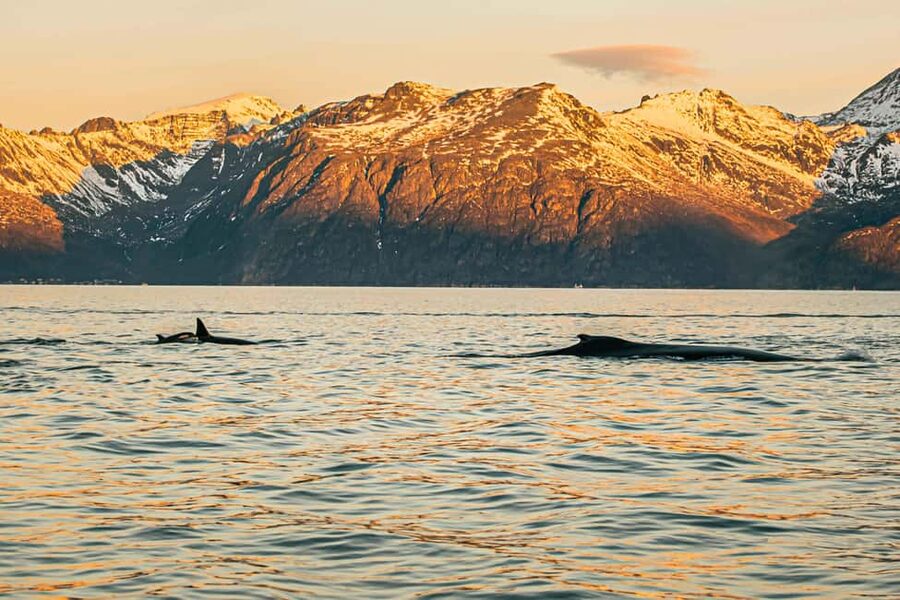
The advertised season runs from the middle of October through February. The season overlaps with the darker, colder part of the year, so expect changing weather and limited daylight conditions.
October can bring attractive mountain views and the first strong whale activity, but early-season sightings may require extra searching. November through January can offer excellent feeding activity, including large orca groups and humpbacks, but these months also bring colder conditions and more demanding weather.
February remains within the stated season, but the animals and sea conditions still determine the result on a particular day. No month removes the basic uncertainty of wildlife watching.
I would choose the date that fits your wider Norway plans, then build in flexibility if possible. The free cancellation policy allows cancellation up to 24 hours ahead for a full refund, and the reserve-now-pay-later option can help if your schedule is still shifting.
Is the experience good value?
No price is supplied here, so I cannot judge the exact cost against competing boats. I can judge what you are paying for.
The value is strongest if you want three things: a small fast boat, a local guide who actively searches for wildlife, and supplied cold-weather equipment. The experience also includes more than a brief sighting. You get a full three-hour period on the water, species identification, behavior explanations, and a chance to see feeding activity.
The value is weaker if you mainly want warmth, steady seating, or a long natural-history talk. A heated cabin cruiser may cost more or less depending on the operator, but it will provide a different kind of day.
The 4.9 rating from 109 recorded bookings points to a very strong overall experience, with repeated praise for organization, whale sightings, equipment, and the guide’s effort. The lower-scoring feedback is useful too: the departure area can feel crowded, commentary from a moving RIB may be limited, and the supplied clothing may not replace your own gloves and neck warmer.
Who should book it?
I would recommend this tour to couples, families with older children, photographers, and anyone who prefers action over a slow cruise. It suits you if the idea of speeding across cold Arctic water sounds exciting rather than uncomfortable.
You should also be prepared to wait and search. A good whale safari is not a guaranteed parade. The strongest outings involved patience, quick decisions, and a guide who knew where to look.
I would choose another format if you dislike cold, get uncomfortable on rough water, or need extensive commentary from a seated indoor cabin. The boat can rock, and the open sea is not gentle on every day.
FAQ
Where does the whale-watching tour start?
It starts at Strandveien 96 in Skjervøy. Meet behind the old white building in the harbor, on the downside of the Ekstra grocery store. The listed coordinates are 70.02948760986328, 20.968090057373047.
How long does the activity last?
The whale-watching portion lasts three hours, and the RIB returns to Strandveien 96 afterward.
What whales can I see?
The main targets are killer whales, also called orcas, and humpback whales. Fin whales have also been seen during the season, but sightings depend on conditions and animal movements.
What languages does the guide speak?
The live guide speaks English and Norwegian.
Is warm clothing provided?
Yes. The operator provides warm outerwear, life jackets, hats, thermal shoes, and goggles. You should still bring warm gloves and neck protection because the boat is exposed to cold and spray.
Can I travel from Tromsø to Skjervøy for this tour?
Yes. The Arctic Route operates daily bus trips between Tromsø and Skjervøy, with tickets booked separately. Check the bus schedule carefully against the whale-watching departure time.
Should you book the Skjervøy RIB safari?
Book it if you want the most energetic version of Arctic whale watching, especially if seeing orcas feed is high on your list. The combination of a small RIB, local guiding, strong whale activity, and dramatic northern scenery can produce a remarkable day.
Just bring serious winter clothing, protect your camera, and accept that nature controls the schedule. If you can handle the cold and a little rocking, this is a strong choice for seeing Skjervøy’s whales from close to the water.
Just added around Norway
- From Svolvær: Whale Watching Day Trip to Andenes★ 3.8 · 27 reviews
- Tromsø Whale Safari with MS Keiser Wilhelm★ 4.3 · 161 reviews
- Tromsø: Whale Watching on hybrid boat with scenic bustrip★ 4.1 · 30 reviews
- Tromsø: Orca and Whale Watching comfort heated boat Trip★ 4.8 · 107 reviews
- Tromsø: Responsible Whale Watching Cruise Aboard MS Alba★ 4.7 · 53 reviews
- Tromsø: 24hr Northern Lights & Whale Watching Cruise★ 4.9 · 46 reviews
- Silent Whale Watching on Hybrid-Electric Boat with Scenic Bustrip★ 4.0 · 48 reviews
- Whale Watching RIB Boat Tour in Skjervoy from Tromso★ 4.5 · 102 reviews
Norway Whale Watching Tours, compared.
Tromsø: Whale Watching Tour by Hybrid-Electric Boat
Read our review →
Silent Whale Watching by Hybrid-Electric Boat from Tromsø
Read our review →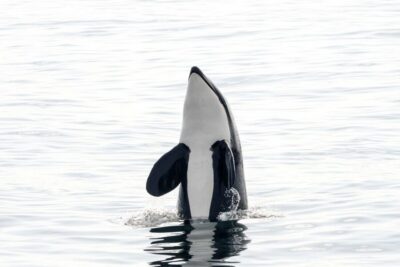
Bleik: Whale Watching by Speedboat with Puffins and Muffins
Read our review →

Browse the lists this tour appears in