
Review · TROMSO
From Tromso: Whale Watching in Magic Skjervoy
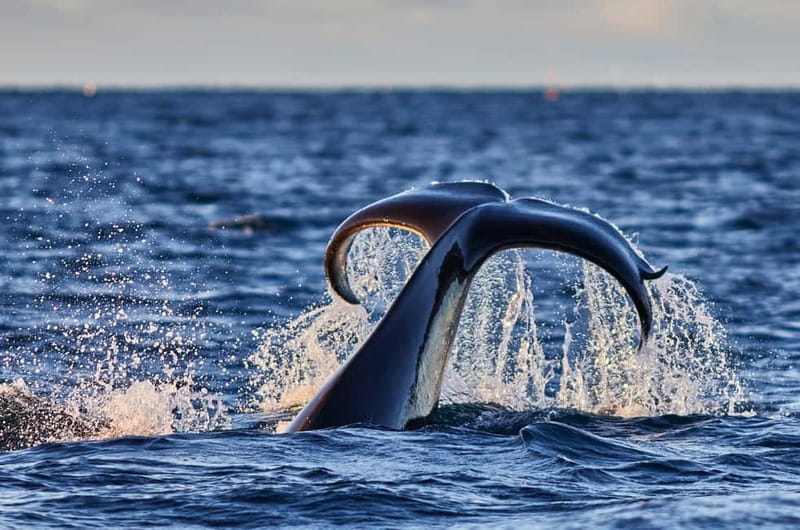
The main event here is a wild herring feast. From October through late January, orcas and humpback whales gather around Skjervøy, and a small RIB can put you close to the action without turning the encounter into a zoo show. I like that the crew respects the animals’ space, and I like the chance to see them against snow-covered fjords.
The two strongest points are the small boat, limited to 12 people, and the careful, experienced guiding. Guides such as Kristina, Brigit, and Norbert have been praised for spotting animals and explaining what you are seeing. The trade-off is simple: this is a 12-hour day, with a rough, cold ride that can test your stomach and your clothing.
Key points to know before booking
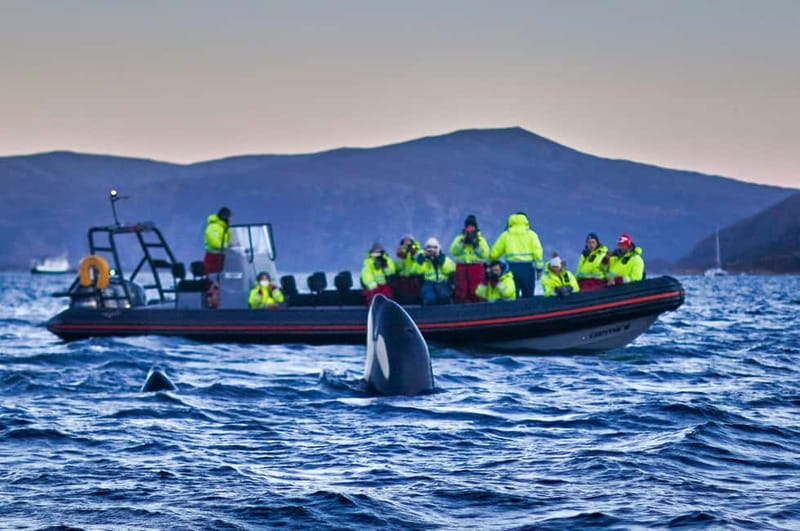
- Orca season: The best chance comes between October and late January, when herring attracts large pods and humpbacks to the Skjervøy area.
- Small RIB groups: Boats carry 4 to 12 people, giving you a better chance of seeing the water than on a large vessel.
- Long transfer: The bus ride from Tromsø to Skjervøy takes roughly 3.5 hours each way, so most of your day is spent in transit or at sea.
- Serious Arctic gear: You receive a flotation suit, boots, mittens, balaclava, and goggles, but you still need warm layers underneath.
- Wildlife is never guaranteed: You may see orcas, humpbacks, fin whales, or other cetaceans, but nature decides the schedule.
- Physical demands: Fast speeds, wind, spray, and heavy waves make this unsuitable for people with several medical or mobility conditions.
The 5:20 a.m. meeting at Prostneset
Your day begins before sunrise at Prostneset Bus Terminal in Tromsø. Be there by 5:20 a.m. for the 5:30 departure. The meeting point is on the ground floor behind the Magic Ice bar, at Samuel Arnesens gate 5.
Look for the large red bus marked Bussring or Arctic Route. Go inside and confirm your trip with the driver. This is not the time for a slow coffee or a last-minute wander around the terminal. The departure is early, and the whole schedule depends on reaching Skjervøy in time for the boat.
The bus journey is a major part of the experience. You travel through northern Norway with fjords, snow, mountains, and winter light outside the windows. Several buses used for the trip have been described as comfortable, with USB charging, WiFi, and toilets. The onboard toilet is useful, though space is tight.
Bring your own water and extra snacks. Sandwiches, tea, coffee, and biscuits are provided after the boat trip, but the long ride from Tromsø can make a snack worthwhile. Charge your phone before leaving, and bring a power bank if you plan to film. Several hours of whale footage can drain a phone quickly.
A few more whale trips around Tromso worth a look
- Tromsø: Whale Watching Tour by Hybrid-Electric Boat
★ 4.5 · 4,217 reviews - Tromsø Whale Safari with MS Gabriele
★ 4.3 · 1,937 reviews - From Tromsø: All-Inclusive Whale & Orca Safari
★ 4.5 · 1,221 reviews
The road to Skjervøy is part of the value
At $356 per person, this is not a cheap wildlife outing. The price makes more sense when you consider that it includes round-trip transport from Tromsø, a specialist boat trip, thermal gear, guides, food, drinks, photographs, and a full day of Arctic scenery.
Still, you should not think of this as a quick boat tour with a short bus transfer. The total trip lasts about 12 hours, and the road journey takes roughly 3.5 hours each way. That is a lot of time and money for a wildlife sighting that cannot be promised.
For me, the value depends on your priorities. If seeing wild orcas is high on your list, the combination of access, equipment, and experienced staff is strong. If you want a relaxed half-day activity, this is the wrong choice. You are paying for the chance to reach a seasonal feeding area far from Tromsø, not for a guaranteed performance.
The setting adds real value. The ride takes you away from the city and into a quieter part of northern Norway, where steep mountains meet cold fjords. The scenery is not filler between attractions. It is part of what makes the day feel like an Arctic expedition.
Suiting up in Skjervøy
When you arrive in Skjervøy, the pace becomes brisk. You go to a warm changing room, meet the local team, and get ready for the boat. Staff help you put on a one-piece flotation suit, waterproof boots, mittens, balaclava, and ski goggles.
Wear warm clothing beneath the suit. Good layers matter more than one thick coat. Thermal underwear, fleece, wool socks, and a warm mid-layer are sensible choices. Bring waterproof outer layers if you have them, though the supplied suit provides the main protection.
Take an extra full set of clothes. Spray and wet snow can reach you, especially when the RIB is moving quickly. A waterproof phone case is also a smart idea. The boat is open, the sea can be rough, and phones or cameras are easy to splash.
Getting dressed can feel rushed because the crew wants to maximize time on the water. That is practical, but it can feel chaotic when several people are changing at once. Allow yourself a moment to check your gloves, hood, and camera protection before heading to the dock.
The tour has a medium difficulty level. You must be at least 140 centimeters tall and weigh no more than 120 kilograms. The activity is not suitable for pregnant people or those with back, heart, respiratory, mobility, or seizure conditions. Claustrophobia is also listed as a concern because of the enclosed feel of the flotation gear.
A fast RIB ride into the fjords
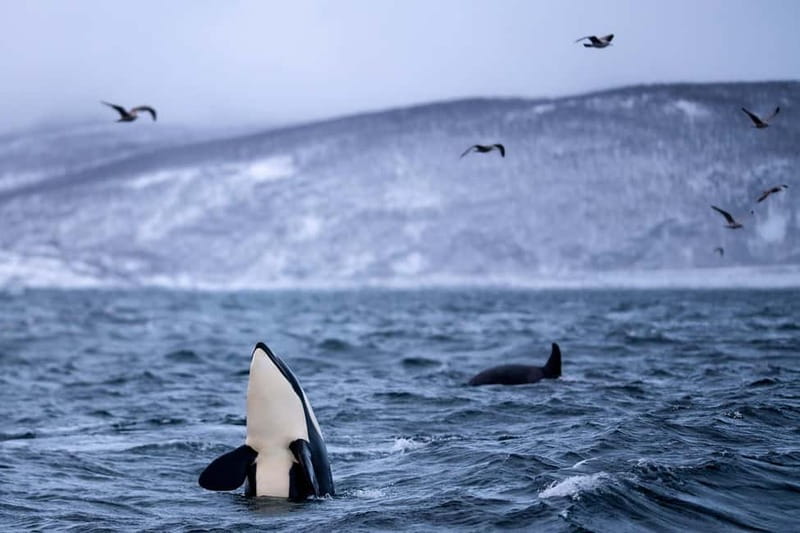
The rigid-inflatable boat carries between four and 12 people. That is a useful size. You are close to the water, but the group is still small enough for the guide to communicate with you and help you find the animals.
The ride is fast. Several accounts describe a hard run across open water before the boat reaches the whale area. The RIB can bounce over waves, and the wind makes the cold feel sharper than it does on land. If you get seasick easily, take this warning seriously. The return ride can be just as rough as the trip out.
You may find the flotation suit makes it harder to turn your body. Seating and layers limit movement, which matters if you are using a large camera. A 24 to 105 millimeter lens has been considered enough for the usual viewing distance. If you bring a larger lens, ask the company about sitting near the front, where there may be more room.
The guides work hard to direct attention around the boat. The animals may surface on one side, then appear behind you seconds later. You cannot expect the captain to reposition instantly every time, and the boat cannot control where an orca surfaces. Still, it is reasonable to hope the crew gives both sides chances to see the action when conditions allow.
Wind and engine noise can make explanations hard to hear. One useful improvement would be headsets, especially when the RIB is moving. Once the boat stops, communication is much easier.
Same water, a different way to meet the whales:
- Silent Whale Watching by Hybrid-Electric Boat from Tromsø
★ 4.5 · 1,017 reviews - Tromsø Whale Safari with MS Keiser Wilhelm
★ 4.3 · 161 reviews - Whale Watching RIB Safari at Skjervøy
★ 4.8 · 136 reviews - 24hr Northern Lights & Whale Watching Cruise
★ 5.0 · 114 reviews
Finding orcas and humpbacks near the herring
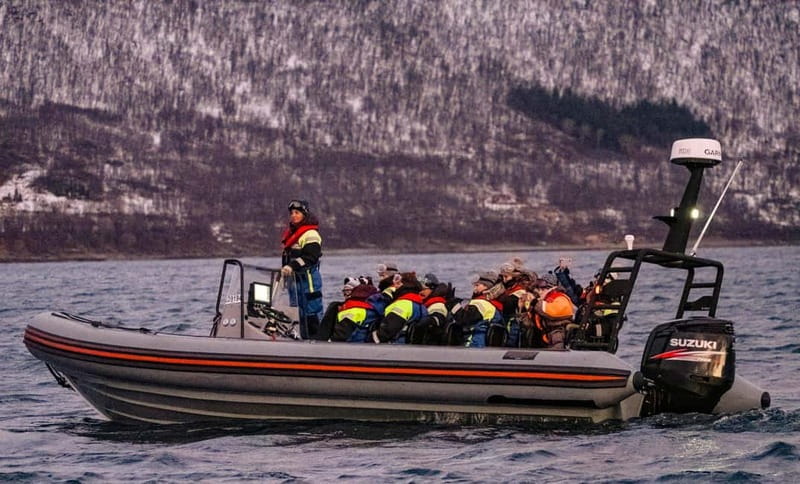
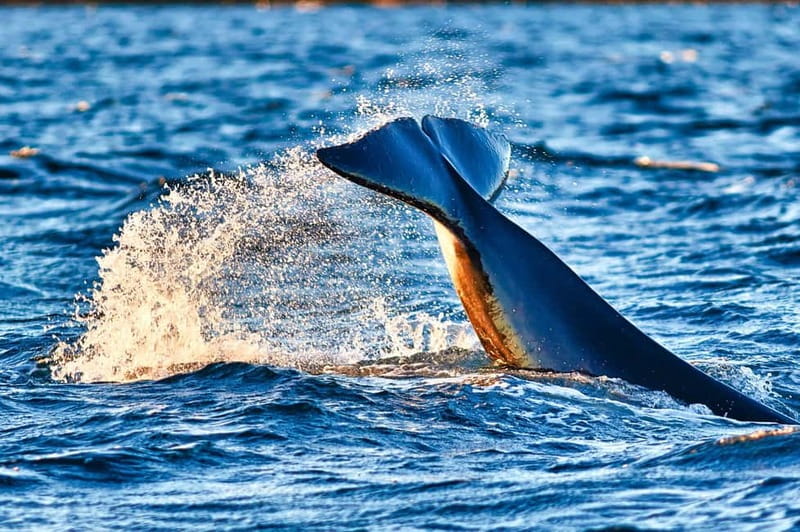
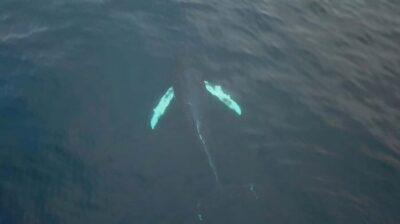
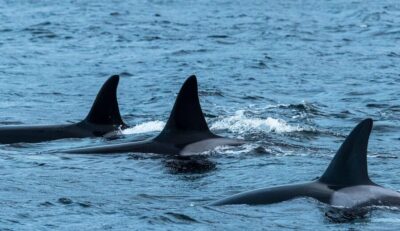
The reason this trip operates in winter is the herring. Large shoals draw predators into the fjords, creating a natural feeding scene that can include orcas, humpback whales, and fin whales.
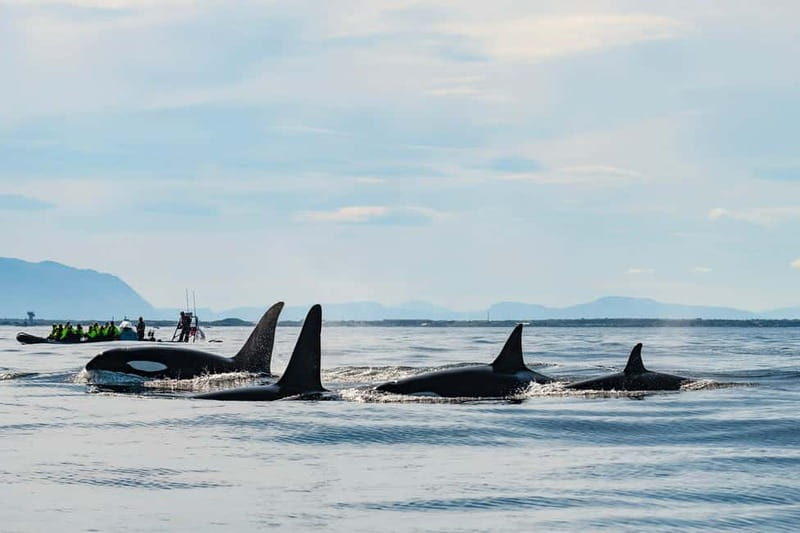
The scale of sightings can vary widely. On strong days, you might see pods of orcas with calves, several humpbacks, and fin whales in the same outing. Some groups have seen dozens of orcas, while others have had a smaller number of sightings. One group described around 50 orcas and 10 humpbacks, while another saw a few orcas and many humpbacks in good weather.
Those differences are not a flaw in the tour. They show why you need to book this as a wildlife search, not a guaranteed show. You might find the animals within 20 minutes of leaving the harbor, or spend longer moving between sightings. In some cases, weather can force a cancellation or change the schedule.
The best encounters happen when the animals choose to approach. Orcas have come within about 10 meters of a boat, and humpbacks have been seen around 25 meters away. That kind of distance can feel very close from a small RIB, but the guide should not chase or crowd the animals.
This is one place where the company’s approach matters. Some boats may move too close to fishing activity or other whales in an effort to improve photographs. The crew here has been praised for following distance rules and allowing the animals to come toward the boat. That may mean your view is not always perfect, but it is the better way to see wildlife.
Expect pauses rather than constant motion. The captain stops the boat so you can watch blows, backs, fins, and feeding behavior. The guides point out where to look and explain the animals’ habits. Kristina has been singled out for clear, useful guidance, while Brigit has been praised for confident boat handling and strong wildlife awareness.
What the fjords add to the day
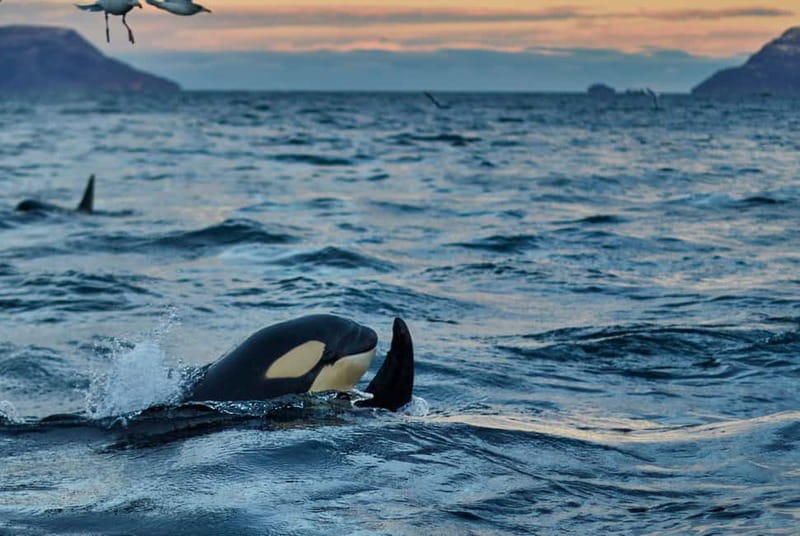
Skjervøy is not just a launch point. The surrounding fjords give the trip its sense of place. Snow-covered mountains rise around dark water, and winter weather can shift quickly from clear views to snow and spray.
The scenery can be spectacular even during a quieter wildlife period. If the whales stay below the surface, you still have a dramatic setting, but you should not confuse beautiful scenery with a substitute for sightings. The main reason to pay this price is the animals.
Winter light also changes the feel of the trip. On some days, the water and mountains appear under soft Arctic light. On others, heavy cloud, wind, or snow makes the ride more dramatic and much colder. The weather affects comfort, photographs, and sea conditions, so flexibility helps.
Food, warmth, and the trip back
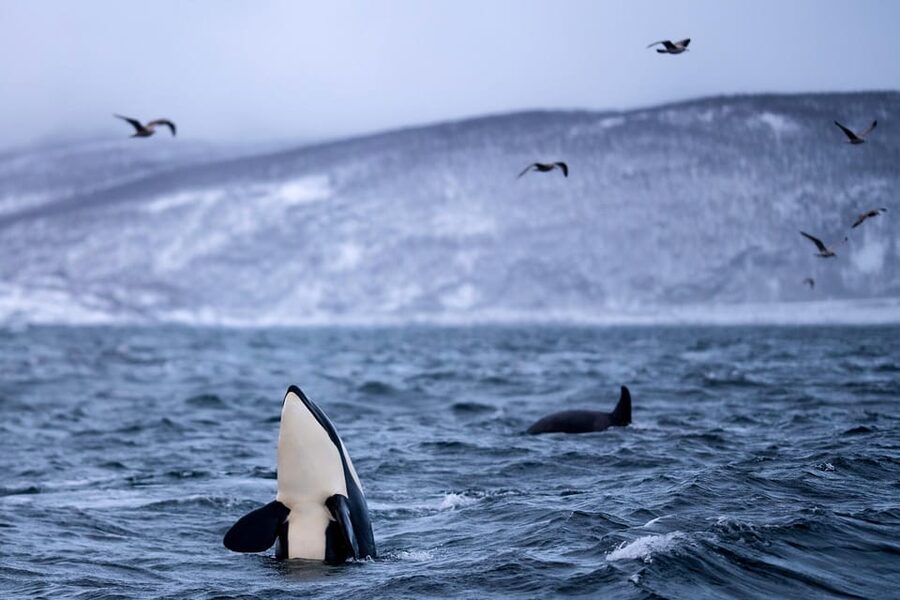
After the RIB returns, you can change in a warm, comfortable clubhouse. Fresh baguettes are available with chicken, ham and cheese, or cooked egg fillings. Tea, coffee, and biscuits follow. If you have a special diet, contact the company before the trip rather than waiting until arrival.
This meal is modest, but it is welcome. After two to three hours in cold air and sea spray, a hot drink and dry clothing do real work. Bring additional food if you need more than a sandwich.
The bus then returns to Tromsø. You may be tired, damp, and ready to sleep. The ride is long, but the comfortable bus gives you a chance to recover while the scenery passes outside.
The return can also produce surprises. Wildlife has been spotted from the road, including moose and, on at least one outing, the Northern Lights. Treat these as possible bonuses, not promised parts of the schedule.
The real drawbacks to consider
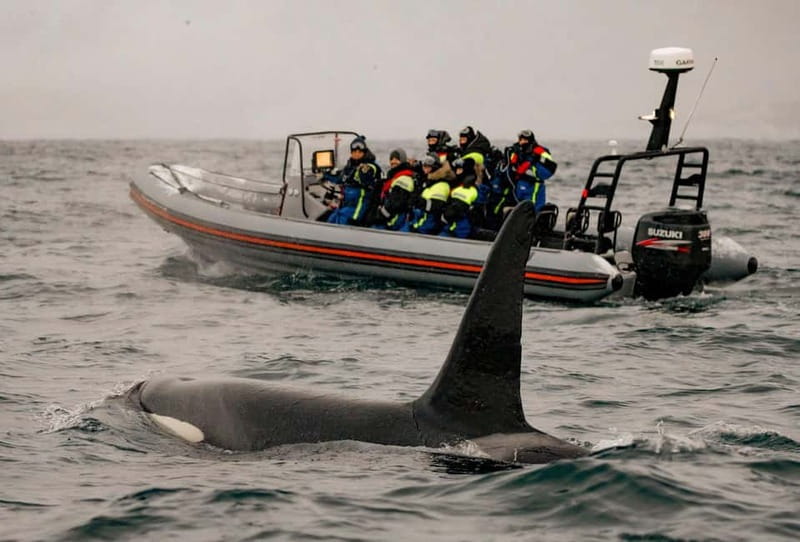
The cold is the first serious issue. Even with a flotation suit, your face, hands, and feet can feel the wind and spray. One person described the weather as far colder than expected, while another found the gear fully adequate. Your experience will depend heavily on conditions and how well you layer.
The sea is the second. This is not a smooth sightseeing cruise. The RIB moves quickly and can hit hard waves. People with back problems, heart or respiratory conditions, mobility limitations, epilepsy, or other medical issues should follow the stated restrictions carefully.
The third issue is camera access. You have limited room, bulky clothing, and little freedom to twist around. A phone can work well, but protect it from water and keep your setup simple.
Finally, sightings are uneven. The tour has a strong seasonal pattern, but nature remains in charge. You might see a huge feeding pod or only a few animals. The responsible approach is to value the encounter you receive rather than measure the day against someone else’s count.
Who should book this Skjervøy whale trip?
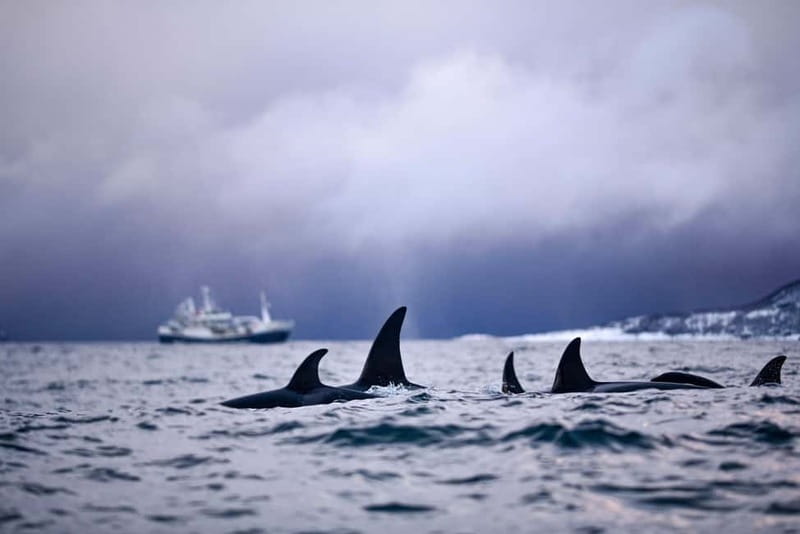
I would recommend it to people who want a serious Arctic wildlife outing and can handle a long day, fast boat, cold weather, and uncertain results. It suits photographers who can work with compact equipment, nature lovers who care about responsible viewing, and anyone who sees wild orcas as worth the cost.
I would not choose it for a relaxed family excursion, a short activity between city plans, or anyone prone to seasickness. Children must meet the 140-centimeter minimum, and the physical demands are real.
The company has a 4.7 rating from more than 1,200 bookings, with particular praise for the guides, bus comfort, thermal gear, and wildlife encounters. Free cancellation is available up to 24 hours in advance, and you can reserve now and pay later, which helps when northern weather may affect plans.
Should you book it?
Book this tour if you want the best practical chance to see orcas and humpbacks in their own environment and accept that the journey will be cold, long, and sometimes rough. The small RIB, experienced guides, warm gear, and responsible approach give it strong value for a major wildlife experience.
Skip it if you need comfort, a short schedule, or a guaranteed sighting. For everyone else, this is a demanding day with a very high ceiling: when the herring, whales, weather, and timing line up, you can watch a wild Arctic feeding scene from only a few meters away.
FAQ
Where does the tour meet in Tromsø?
Meet at Prostneset Bus Terminal, on the ground floor behind the Magic Ice bar, at Samuel Arnesens gate 5. Be there by 5:20 a.m. for the 5:30 departure.
How long does the full excursion last?
The complete round trip takes about 12 hours. The RIB whale-watching portion lasts approximately 2.5 to 3 hours.
How long is the bus ride to Skjervøy?
The bus ride takes roughly 3.5 hours each way according to the stated journey details and trip information.
When does whale watching operate?
The seasonal period is from October through late January, when herring attracts orcas and humpback whales to the waters around Skjervøy.
How many people are on each boat?
Each rigid-inflatable boat carries between four and 12 participants.
What clothing and equipment are provided?
You receive a warm flotation suit, mittens, balaclava, waterproof boots, and ski goggles. You should still bring plenty of warm clothing to wear underneath and an extra set of clothes.
What food and drinks are included?
The trip includes fresh baguettes with chicken, ham and cheese, or cooked egg fillings, plus tea, coffee, and biscuits. Contact the company in advance about special dietary needs.
Is the tour suitable for people who get seasick?
The RIB ride can be fast, windy, and rough, so it may be uncomfortable if you get seasick easily. The tour has a medium difficulty level.
What are the height and weight limits?
You must be at least 140 centimeters tall and weigh no more than 120 kilograms. The activity is also not suitable for pregnant people or those with several listed medical and mobility conditions.
Just added around Tromso
- Tromsø Whale Safari with MS Keiser Wilhelm★ 4.3 · 161 reviews
- Tromsø: Whale Watching on hybrid boat with scenic bustrip★ 4.1 · 30 reviews
- Tromsø: Orca and Whale Watching comfort heated boat Trip★ 4.8 · 107 reviews
- Tromsø: Responsible Whale Watching Cruise Aboard MS Alba★ 4.7 · 53 reviews
- Tromsø: 24hr Northern Lights & Whale Watching Cruise★ 4.9 · 46 reviews
- Silent Whale Watching on Hybrid-Electric Boat with Scenic Bustrip★ 4.0 · 48 reviews
- Whale Watching RIB Boat Tour in Skjervoy from Tromso★ 4.5 · 102 reviews
- 24hr Northern Lights & Whale Watching Cruise★ 5.0 · 114 reviews
Tromso Whale Watching Tours, compared.
Tromsø: Whale Watching Tour by Hybrid-Electric Boat
Read our review →
Silent Whale Watching by Hybrid-Electric Boat from Tromsø
Read our review →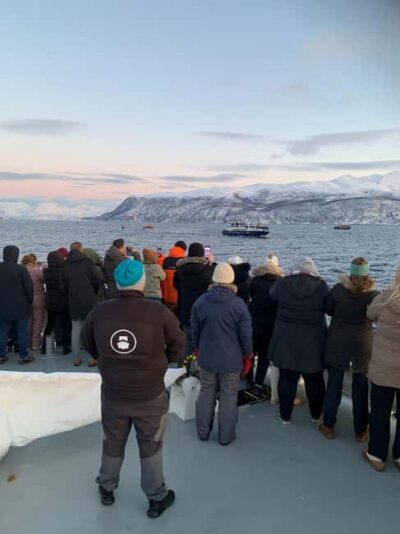
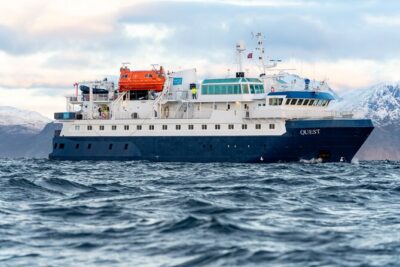
24hr Northern Lights & Whale Watching Cruise
Read our review →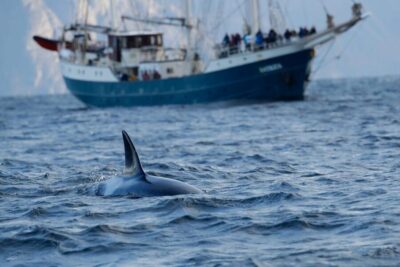
Tromsø: Orca and Whale Watching comfort heated boat Trip
Read our review →Browse the lists this tour appears in