
Review · USA
Kailua-Kona: Whale Watching Cruise on the Big Island
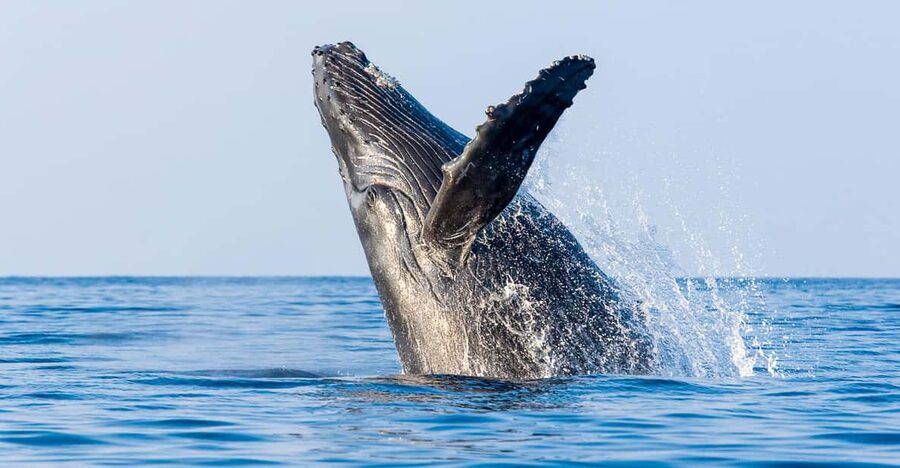
Humpback whales are the main event on this 2.5-hour cruise from Honokohau Harbor, but the best surprise may be hearing them sing underwater. A hydrophone turns the boat into a floating listening post, while the crew searches for mothers with calves, breaching whales, dolphins, and other sea life.
I like the serious effort from the captains and crew, who keep searching even after the first sighting, and I like the small comforts: covered seating, snacks, drinks, and a boat described as a 24-person catamaran. The main caution is simple: whales are wild animals. You may see several breaches, or you may spend much of the trip watching distant blows and flukes.
Key points to know
- Hear whale song through a hydrophone: The underwater speaker adds an intimate sound element that ordinary whale watching often lacks.
- Honokohau Harbor keeps the meeting point practical: It is 4.5 miles south of Kona Airport and 3.5 miles north of Kailua-Kona.
- The crew works hard to find action: Captains including Bryce, Aidan, Jacob, and Simon have been praised for repositioning the boat and continuing the search.
- Dolphins may join the show: Spinner dolphins are a recurring bonus, with occasional sightings of rays, sharks, flying fish, and other marine life.
- Snacks and drinks are included: Chips, granola bars, Rice Krispies, fruit snacks, water, juice, and ginger ale are available.
- Your whale sighting is backed by a second chance: If no whales are spotted, you receive another cruise at no charge, not a cash refund.
Why Hawaii is a winter home for humpbacks
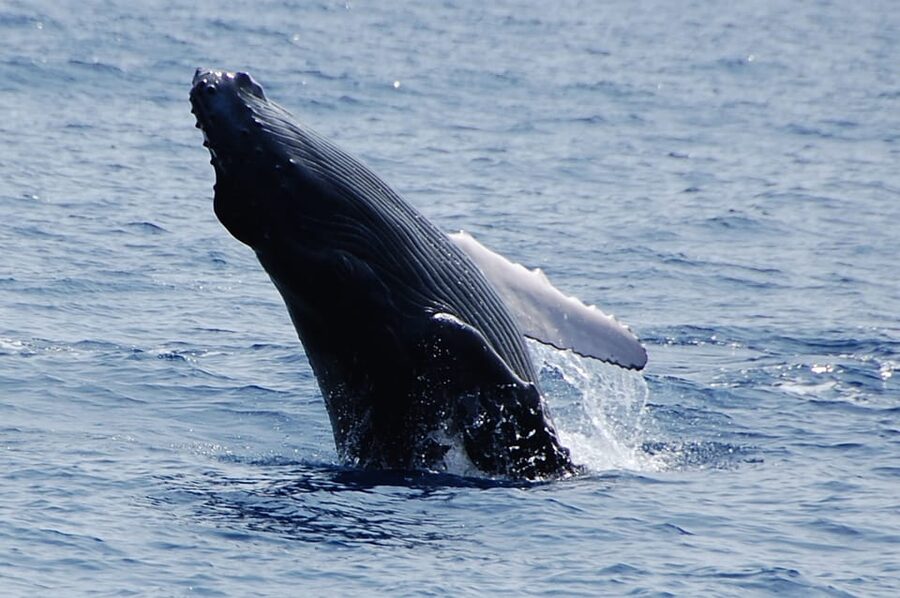
Hawaii is the only American state where humpback whales mate, give birth, and nurse their young. The warm water is a major reason they gather here, along with good underwater visibility, varied ocean depths, and a lack of natural predators.
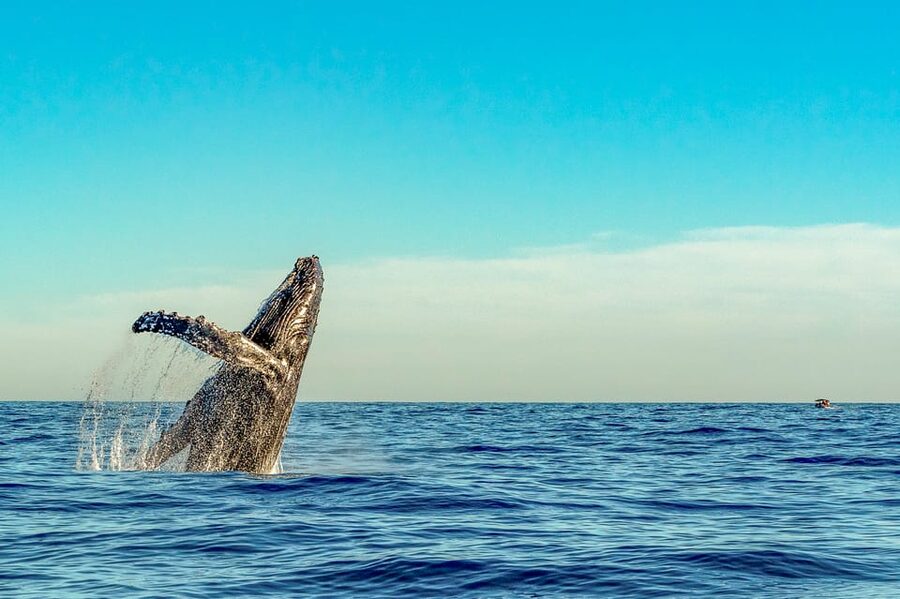
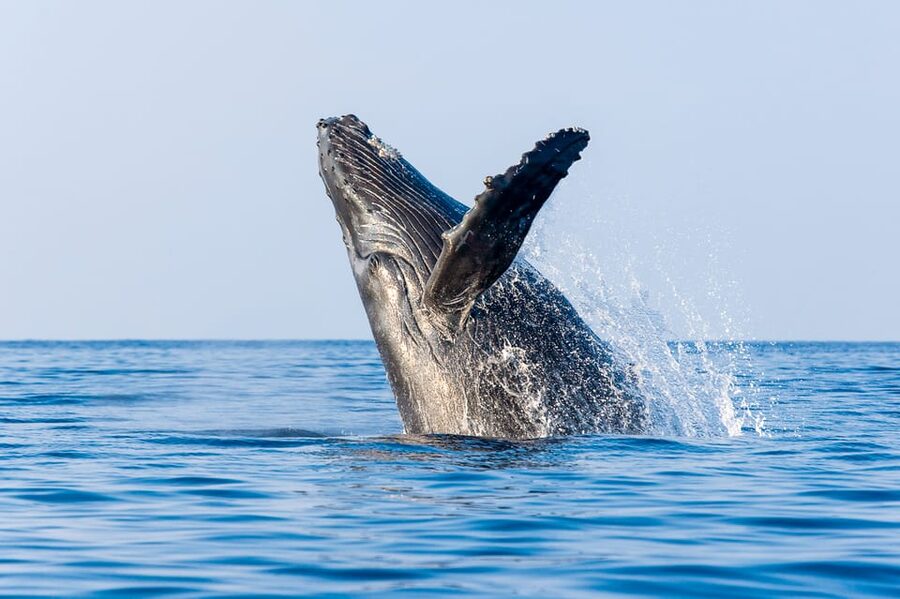
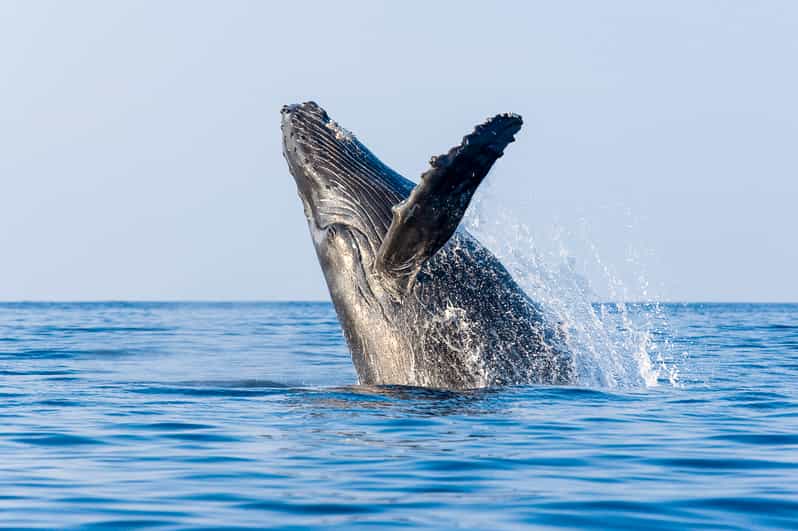
That makes this more than a quick search for a fin. You may see adults traveling with calves, males competing for females, or a whale showing off with a breach, tail slap, or pectoral fin wave. You may also see almost nothing for several minutes, then find a whale surfacing beside the boat. That uncertainty is part of the deal.
I like that the trip can reveal different parts of whale behavior. A mother and calf offer a quieter sight, while a group of males may create more drama. The crew’s job is to watch the water, read the movement of the animals, and place the boat where several people can see without crowding the whales.
Do not expect a guaranteed movie scene. One person saw whales from roughly 400 to 500 yards away and still considered the trip worthwhile. Another saw a breach right in front of the boat. Those two outcomes can happen on the same kind of cruise, and the difference is luck, timing, weather, and animal behavior.
More Whale Watching Cruises in the USA
- Boston: City Cruises Whale Watching Cruise
★ 4.5 · 4,710 reviews - City Cruises Boston Whale Watching Cruise by High-Speed Boat
★ 4.5 · 3,115 reviews - San Diego Whale Watching Cruise
★ 5.0 · 2,317 reviews
Starting at Honokohau Harbor
You meet the crew near the pavilion beside the public restrooms at Honokohau Harbor. After turning into the harbor, take the first right, follow the road as it bends left, and continue to the large parking lot. Drive left toward the boat ramp, where the meeting area is located.
The harbor is a useful base for a Kona outing because it sits between the airport and Kailua-Kona. It is about 4.5 miles south of Kona Airport and 3.5 miles north of Kailua-Kona, but hotel pickup and drop-off are not included. Plan your own ride and allow time to find the pavilion rather than arriving at the last minute.
The harbor setting also gives you a quick reminder that this is a working waterfront, not a resort departure dock. Wear shoes that are easy to walk in, bring your essentials, and keep your boarding routine simple. The boat, restrooms, and public parking are close to the stated meeting area.
The 150-minute search for whales
The cruise lasts 150 minutes, or 2.5 hours. After leaving the harbor, the captain and crew scan the water for blows, dorsal fins, flukes, splashes, and moving groups of dolphins.
This is not a ride with fixed stops. The route changes according to where the animals are. That flexibility matters because a whale sighting is not a monument you can schedule. Captains have repositioned the boat many times to give passengers a better angle, and some trips have continued searching after the expected viewing period.
Several accounts describe a slow beginning that improved on the way out or even on the return. That is worth knowing before you board. You may not see anything during the first stretch, then spot whales near the harbor or find more action as the boat heads home.
The boat has been described as a covered 24-person catamaran, a useful size for this kind of outing. A smaller group can make it easier to hear the crew and move your gaze from one side of the boat to the other. The covered area also helps with sun, though you should still use sunscreen because open sides and reflected light can be intense.
What you might see beside the humpbacks
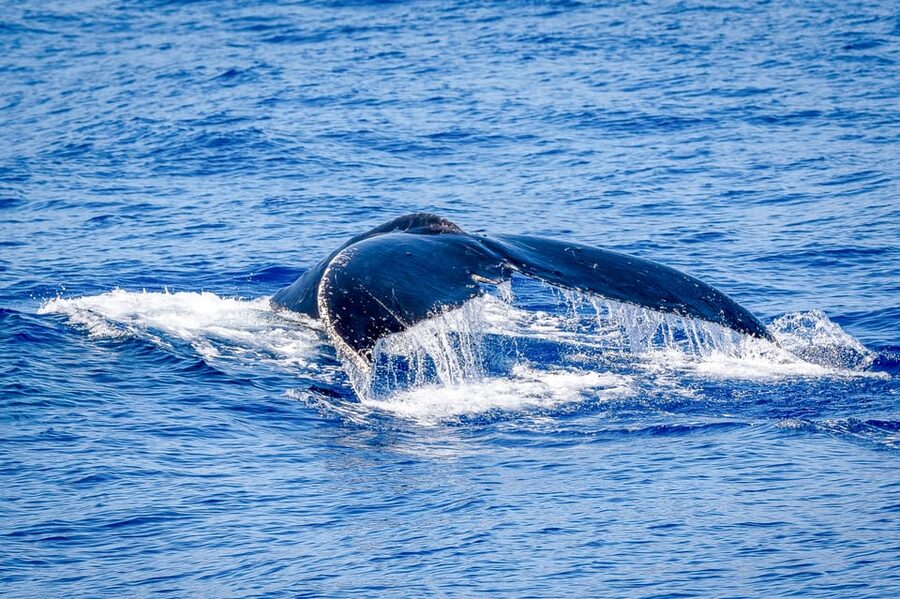
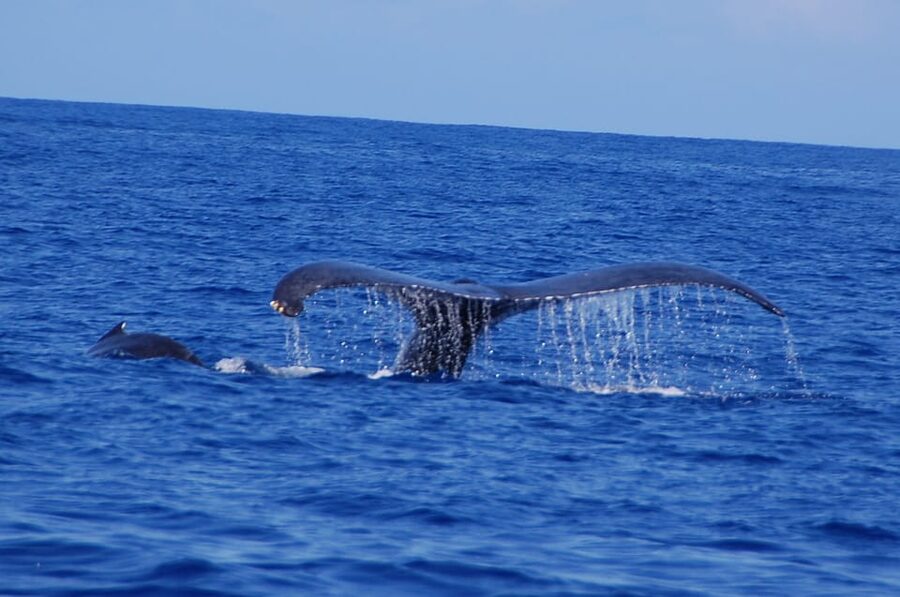
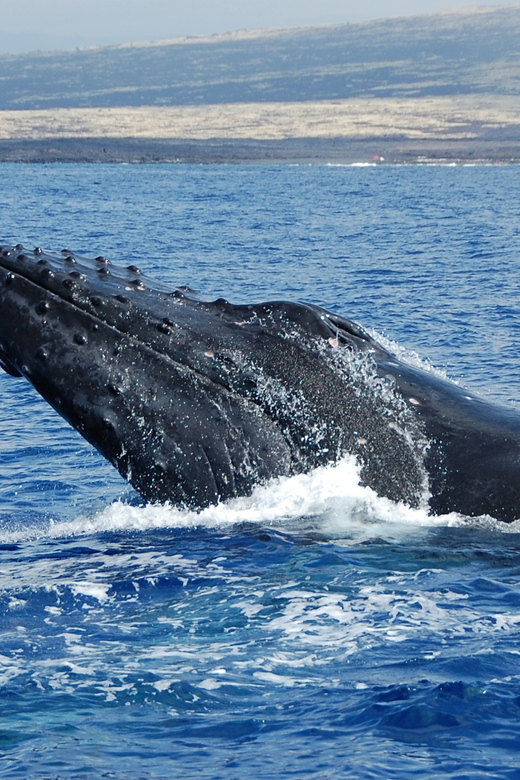
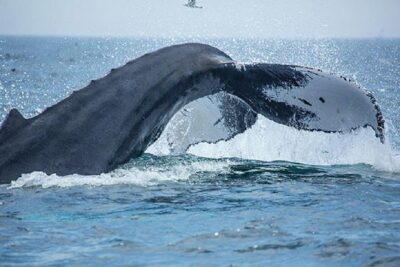
The most sought-after sight is a humpback surfacing close by. People have seen flukes, breaches, tail slaps, whales waving, and animals swimming alongside the boat. A breach is never promised, but it can happen with very little warning, so keep watching rather than relying only on the direction the crew gives you.
Mothers and calves are another major draw. A calf may stay near its mother, giving you a chance to see the difference in size and swimming style. The young whale may surface more often, but the pair may also remain low and appear only briefly.
Dolphins are a frequent bonus in the accounts of this cruise. Spinner dolphins have appeared near the harbor and in open water, sometimes racing the boat or flipping above the surface. You could also see a shark, manta ray, hammerhead shark, whale shark, flying fish, or other rays, but these sightings are extras, not promised parts of the trip.
That mix gives the cruise more texture. If the whales are quiet, dolphins may keep the ride lively. If the whales are active, the other animals become a welcome side note. I would still book this for humpbacks, not for a checklist of species.
Same water, a different way to meet the whales:
- Juneau Wildlife Whale Watching
★ 5.0 · 7,379 reviews - Juneau Wildlife Whale Watching & Mendenhall Glacier
★ 5.0 · 6,236 reviews - Whale Watching Tour in Gloucester
★ 5.0 · 4,460 reviews - Maui Eco-Raft Tour: Eye-Level Whale or Dolphin Watching – Lahaina
★ 5.0 · 2,482 reviews
Listening to the whales with the hydrophone
The hydrophone is one of the strongest reasons to choose this trip over a simple sightseeing boat ride. It places an underwater microphone in the sea and sends the sound through a speaker on board, letting you hear the low, eerie songs of humpbacks.
Seeing a whale is visual and fleeting. Hearing one changes the mood. You can watch an empty patch of water while the hydrophone carries a whale’s song through the boat, then wait for the animal to surface. It helps you understand that the whales are present even when they are below you.
The crew also uses the sound as part of the educational side of the cruise. You will hear explanations about whale habits and life, not just repeated directions to look left or right. That is valuable for children and adults who want more context than a quick sighting.
One practical note: the public address system was difficult to understand on one trip, and loud rock music made it harder for that passenger to focus on the whales. Other trips included island music, jokes, and a light, social atmosphere. If clear narration matters most to you, listen near the crew when possible and tell staff if you cannot hear. The hydrophone experience deserves a quiet moment.
The crew makes a real difference
A whale cruise is partly about biology and partly about boat handling. You need a captain who can search patiently, position the boat well, and keep everyone aware of where to look. Captains Bryce, Aidan, Jacob, Simon, and other crew members have been singled out for their humor, whale knowledge, and steady attention to passengers.
That matters when the ocean is wide and the animal appears for only a few seconds. The crew can point you toward a blow, help you follow a moving whale, and explain what you are seeing. Several captains have been praised for continuing the search after passengers had already seen whales, rather than treating one sighting as the end of the experience.
The human side is especially useful for families. Crew members have handed out snacks, checked on passengers, helped people feel safe, and entertained children with bubbles. The tone can be playful, with island music and jokes, but the basic job remains clear: find whales and help you see them.
You should also keep expectations measured. A friendly guide cannot control the whales, and getting close is never certain. The best crew can improve your odds and your understanding, not manufacture a breach.
Snacks, drinks, and comfort on board
The price is $115 per person. For that amount, you receive the 2.5-hour cruise, hydrophone access, snacks, and drinks. The food is basic rather than a meal: chips, granola bars, Rice Krispies, and fruit snacks. Beverages include water, juice, and ginger ale.
I see this as a fair value if you want a focused whale outing and appreciate a small group with a crew working hard to locate animals. The included refreshments are useful because you are not buying food at sea, especially with children aboard. They also make the trip more comfortable during a long period of waiting.
This is not the right choice if you want a luxury boat, a guaranteed close encounter, or a full meal. The value depends on what you care about. For me, the hydrophone and the attentive search add more value than a fancy onboard menu would.
Bring sunscreen, a hat, sunglasses, and a long-sleeve jacket or sweatshirt. Conditions can change on the water, and a light layer is useful even on a warm Kona day. Bring motion sickness medicine if you need it. The instructions say it works best when taken the night before and again on the day of the cruise at least one hour before departure.
Timing, weather, and the second-chance policy
The supplied information does not name a single best departure time. One person preferred a sunset trip after finding whales more active in the evening, but animal activity varies. Choose the time that fits your schedule, then allow the crew to do the searching rather than expecting a fixed performance.
Bad weather can affect the outing. One booking was moved to another day after a weather concern, and the change was handled easily. Still, check the terms carefully before booking. The stated policy allows cancellation up to 24 hours in advance for a full refund, while the important information also says cancellations within 48 hours of departure are nonrefundable. Those two statements do not match perfectly, so confirm the current rule before you rely on it.
If no whales are found, you receive another cruise free of charge. This is helpful if you have enough time on the Big Island to try again. It is less useful if your trip ends the next morning, and it is not a refund. Build the cruise early enough in your holiday to leave room for a second attempt if whale watching is a top priority.
Who should book this Kona cruise?
I would choose this trip if you want:
- A dedicated humpback outing rather than a general harbor ride
- The chance to hear whale song through a hydrophone
- A smaller boat setting with a covered area
- A crew that keeps searching and explains whale behavior
- A family activity with simple snacks and drinks included
- The possibility of dolphins and other marine life
I would think twice if you are pregnant or have heart or back problems, since the activity is not considered suitable for those conditions. You should also reconsider if you get seasick easily and are unwilling to prepare in advance.
The trip suits families, couples, solo visitors, and anyone with a strong interest in marine life. Children may enjoy the dolphins, snacks, and excitement of a breach, while adults may value the hydrophone and the chance to learn how humpbacks use Hawaiian waters.
Should you book it?
Yes, if you understand that whale watching is a search, not a guaranteed show. The strongest reasons to book are the hydrophone, the 2.5-hour duration, the included refreshments, and the crew’s repeated effort to reposition the boat and keep looking.
I would book early in a Big Island stay, especially if whales are a major goal. That gives you time to use the free return cruise if the first trip produces no sightings. If you want a quiet, purely natural experience, check the music and speaker situation when you board. For most people, though, this is a well-priced way to spend a morning or afternoon on the Kona coast, with a real chance of seeing one of Hawaii’s most impressive wild animals.
FAQ
Where does the whale watching cruise depart?
The meeting point is at Honokohau Harbor on the north side, near the pavilion and public restrooms.
How far is Honokohau Harbor from Kona Airport?
Honokohau Harbor is about 4.5 miles south of Kona Airport.
How far is the harbor from Kailua-Kona?
The harbor is about 3.5 miles north of Kailua-Kona.
How long is the cruise?
The cruise lasts 150 minutes, or 2.5 hours.
What happens if no whales are spotted?
You receive another cruise at no charge. The policy does not provide a refund for missing whales.
Are snacks and drinks included?
Yes. Snacks include chips, granola bars, Rice Krispies, and fruit snacks. Drinks include water, juice, and ginger ale.
Can I hear the whales underwater?
Yes. The boat uses a hydrophone speaker so you can listen to humpback whale songs underwater.
Is hotel pickup included?
No. You must arrange your own transportation to Honokohau Harbor.
What should I bring?
Bring sunscreen, a hat, sunglasses, a long-sleeve jacket or sweatshirt, and motion sickness medicine if needed. The medicine is most effective when taken the night before and at least one hour before the cruise.
Just added around the USA
- Newport Beach: Year-Round Whale Watching Cruise★ 4.2 · 151 reviews
- Juneau: Mendenhall Glacier and Whale Watching Tour★ 4.6 · 98 reviews
- West Oahu: Eco-Friendly Whale Watching Cruise★ 4.5 · 40 reviews
- Oahu: Waikiki Eco-Friendly Morning Whale Watching Cruise★ 4.4 · 119 reviews
- Whale Watch Sail Ma’alaea★ 4.9 · 27 reviews
- Whale and wildlife watching Private and Semi-Private tours★ 5.0 · 2 reviews
- Oahu: Waikiki Eco-Friendly Afternoon Whale Watching Trip★ 4.5 · 60 reviews
- Waikiki: Sunset Whale Watching with 2 Drinks (BYOB-Friendly)★ 4.3 · 34 reviews
USA Whale Watching Tours, compared.
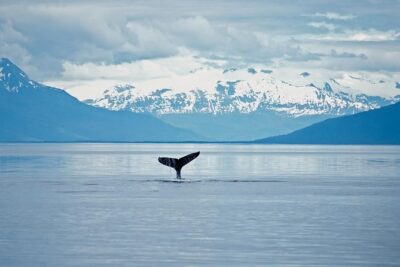
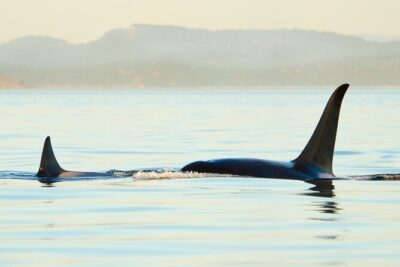
Juneau Wildlife Whale Watching & Mendenhall Glacier
Read our review →
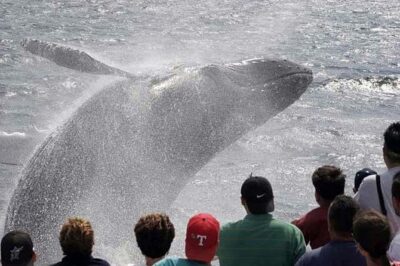
City Cruises Boston Whale Watching Cruise by High-Speed Boat
Read our review →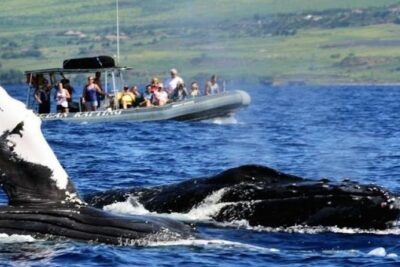
Maui Eco-Raft Tour: Eye-Level Whale or Dolphin Watching – Lahaina
Read our review →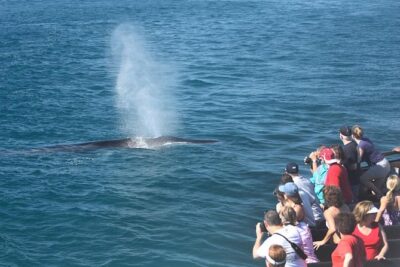
Browse the lists this tour appears in