
Review · HERMANUS
Hermanus: Boat Based Whale Watching Experience
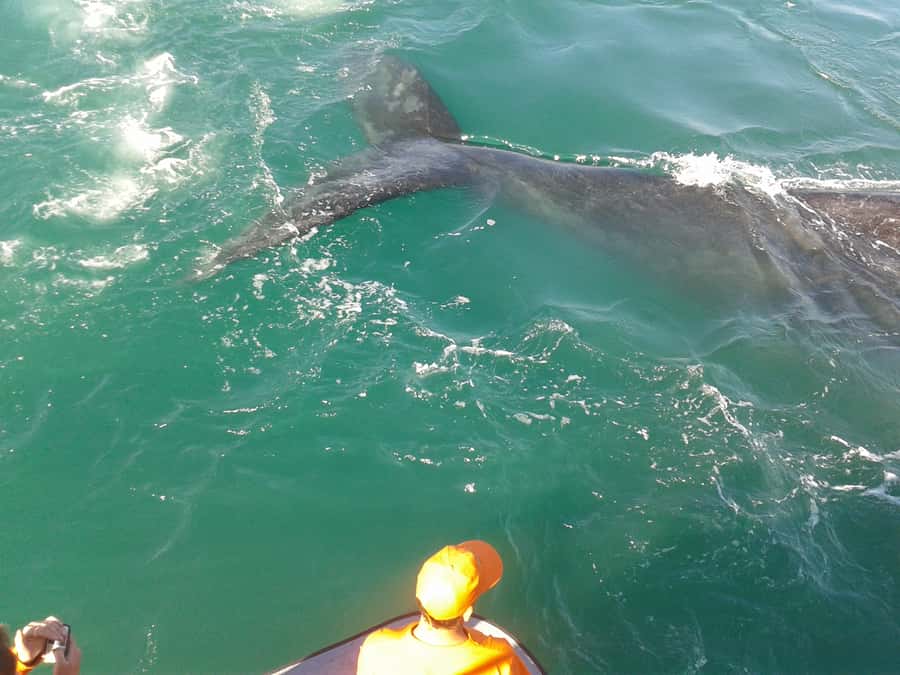
The best part of this Hermanus trip is the moment the engines go quiet beside a whale. You are not watching a show staged for a boat. You are looking into open water as a huge animal surfaces, rests, or swims close enough to make the boat feel surprisingly small. I especially like the respectful wildlife practice and the chance to see dolphins, seals, and seabirds along the way.
I also like the large upper deck, which gives you a clear view when the weather allows it, and the crew’s ability to explain what you are seeing. The main drawback is the sea itself. Rough water can bring seasickness, and whale sightings are never guaranteed, especially late in the season.
Key points at a glance
- Whales may approach the boat: Once whales are located, the vessel stops and disengages its engines to protect them from the propellers.
- A strong chance of varied wildlife: Sightings can include southern right whales, dolphins, seals, seabirds, and occasionally other marine life such as sunfish.
- The upper deck matters: You get the best open views from above, but access depends on weather and sea conditions.
- August to October is the safer timing choice: Late November and December can still produce sightings, but some whales may already have moved on.
- Guiding is a major part of the experience: Crew members such as Peter and Philip have been praised for clear explanations and patience with questions.
- Allow about two hours in practice: The advertised duration is 90 minutes, while the trip can run from 1.5 to 2 hours depending on conditions and sightings.
Setting out from Hermanus New Harbour
Your trip begins at Hermanus New Harbour, where you should arrive 30 minutes before departure. After entering the harbor, look for the orange building on the right-hand side. Tickets are issued on arrival, so bring your booking details and give yourself time to find the meeting point rather than arriving at the last minute.
There is a small harbor entrance fee of R5, paid separately. Coffee is provided when you arrive, and water is available on the boat. These are modest touches, but they are useful on a cool morning when you are getting ready to spend time on the water.
Before boarding, the crew gives a safety briefing. This is not wasted time. A whale-watching boat moves between harbor and open bay, and the briefing helps you understand where to sit, how to move around, and what to expect once the boat reaches the animals.
The trip is conducted in English. If you have questions, ask them. The crew’s explanations are one of the strongest parts of the outing, and guides such as Peter and Philip have been singled out for their calm, friendly way of handling repeated questions.
A few more whale trips around South Africa worth a look
- Hermanus: Whale and Dolphin Watching Boat Trip
★ 4.6 · 807 reviews - Whale, Dolphin & Penguin Island Cruise
★ 5.0 · 687 reviews - From Cape Town: Hermanus Whale Watching Boat Trip
★ 4.4 · 378 reviews
The ride across Walker Bay
Once the boat leaves the harbor, the ride itself becomes part of the experience. You get a fresh view back toward Hermanus and the Western Cape, with the town seen from the water rather than from its cliff paths and streets.
The boat travels out in search of whales, so this is not a fixed route with a guaranteed photograph at a particular spot. The crew watches the water and adjusts the trip according to what is happening in the bay. That makes the outing feel more like wildlife watching than a simple scenic cruise.
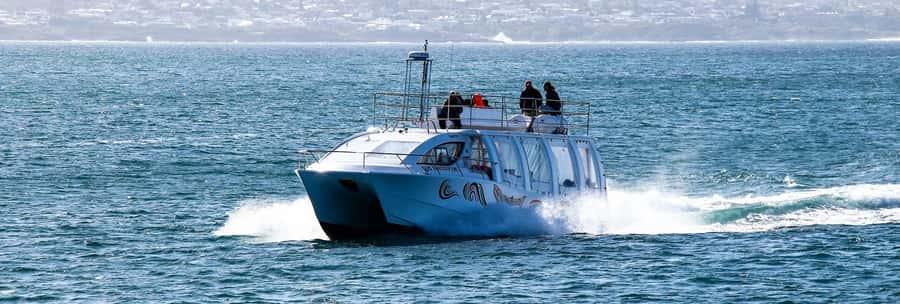
In good weather, you may be allowed onto the top deck before departure. This is the best place for wide views and photographs. If the weather is poor, the crew may keep everyone below until whales have been found, then allow access to the top deck when conditions are suitable.
That rule is sensible, but it means you should not assume you will spend the entire trip upstairs. Bring warm clothing, a windbreaker or jacket, flat shoes, a sun hat, and sunscreen. The sun can be strong even when the air feels cold, and wind on the bay can make the temperature drop quickly.
Watching whales without crowding them
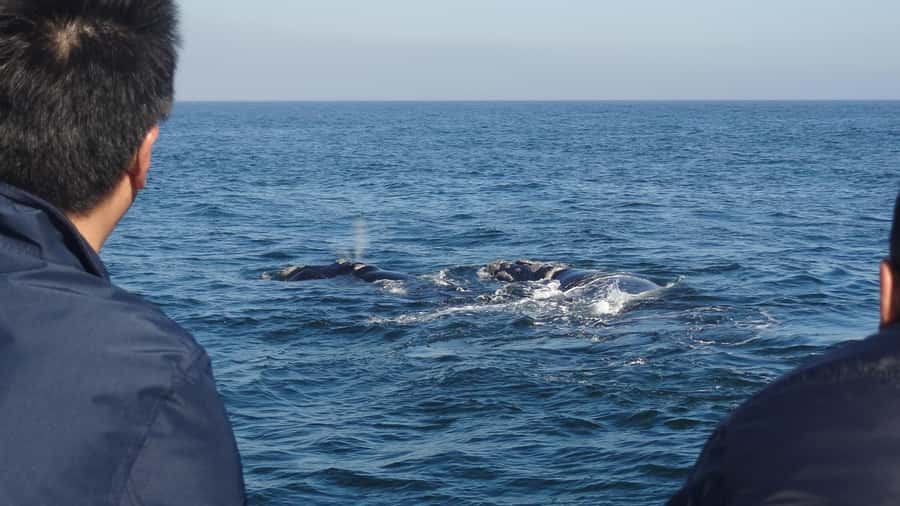
The key moment comes when the crew spots a whale. The vessel is permitted to move closer, then stops and switches off its engines. This protects the whales from the propellers and gives you a quieter, less intrusive view.
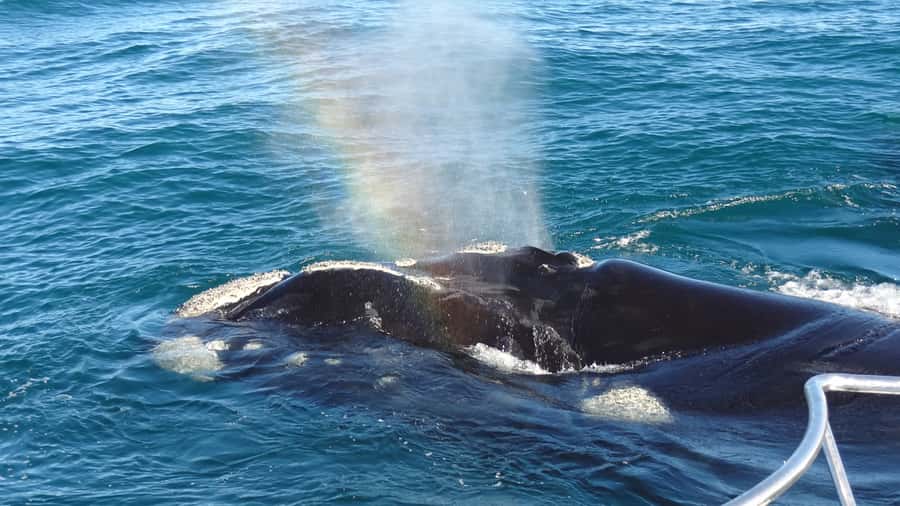
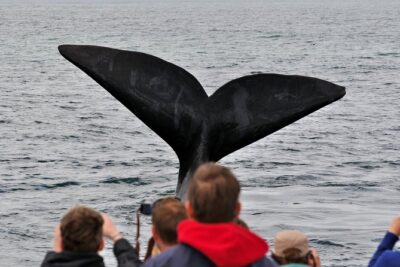
That detail matters. A close sighting is exciting, but the value of the experience comes from seeing the animals behave naturally, not from forcing the boat into their path. A whale may surface near the vessel, pass by, or even approach out of curiosity. If it comes closer, the encounter feels earned rather than manufactured.
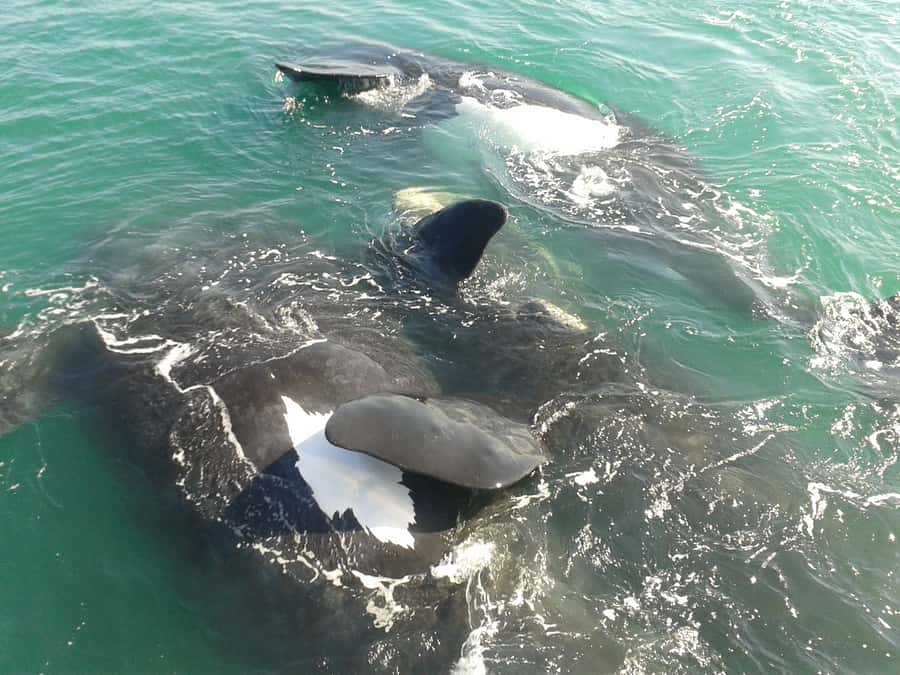
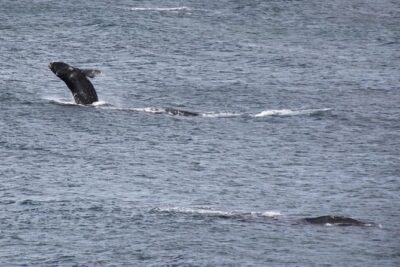
You might see a single whale, a mother and calf, or several animals in the same area. Sightings have included southern right whales, including mothers with calves, and some trips have produced all three possible whale types mentioned by the crew. Breaching is possible, but it is never something you should expect on demand.
The crew points out behavior that is easy to miss on your own. A whale can appear as little more than a dark shape, a blow, or a brief curve of back. With a guide watching carefully, you have a better chance of understanding what you are seeing and where to look next.
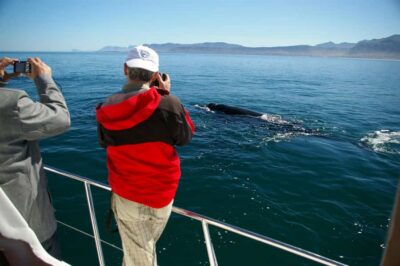
One particularly striking possibility is a calf beside its mother. The size difference makes the scene easier to read, and the pair may remain near the surface for a while. You might also see a whale approach the boat for what looks like a closer look at the people onboard. Keep your camera ready, but do not spend the whole trip staring through a screen.
Dolphins, seals, seabirds, and bonus sightings
Whales are the main reason to book, but the bay can provide a fuller picture of marine life. Dolphins are a frequent highlight in the strongest accounts of this trip, with sightings ranging from a few animals to large groups that surround or pass alongside the boat.
A pod of dolphins can change the mood at once. They are faster and more active than whales, and they may be easier to photograph as they move through the water. Still, their presence depends on the day, so think of dolphins as an excellent bonus rather than a promise.
Seals and seabirds may also appear as the boat moves along the coast and across the bay. One trip produced a sunfish close to the boat, an unusual sight but a reminder that the water holds more than the target species.
This variety is important if a whale takes time to locate. You are still reading the sea, watching for movement, and learning about the animals around you. On a quiet day, the guides help turn a long search into a useful wildlife lesson.
Same water, a different way to meet the whales:
- Plettenberg Bay: Whale Watching Boat Cruise
★ 4.4 · 362 reviews - Whale Watching from Gansbaai
★ 5.0 · 327 reviews - Knysna: Close Encounter Whale Watching Tour by Boat
★ 4.6 · 207 reviews - Boat Based Whale Watching from Hermanus
★ 4.5 · 205 reviews
How long the trip really takes
The advertised duration is 90 minutes, while the operating information allows roughly 1.5 to 2 hours. The exact length depends on weather, sea conditions, and how quickly the crew finds whales.
That flexibility is a good thing. If whales are spotted soon after reaching the bay, you can have substantial viewing time. If the crew needs longer to locate them, the outing may feel more like a search. You should leave extra room in your day rather than scheduling a tight lunch, transfer, or second activity immediately afterward.
The boat ride can be smooth enough for a relaxed family outing, but the bay can also become rough. Afternoon conditions may be less comfortable, and choppy water can make photography difficult. If you are prone to seasickness, this is the main issue to consider before booking.
The trip is suitable for all ages, but that does not mean every person will enjoy the motion. Warm clothes and flat shoes are specifically advised. Stand only where the crew permits, and use the handrails when the boat is moving.
Choosing the best season
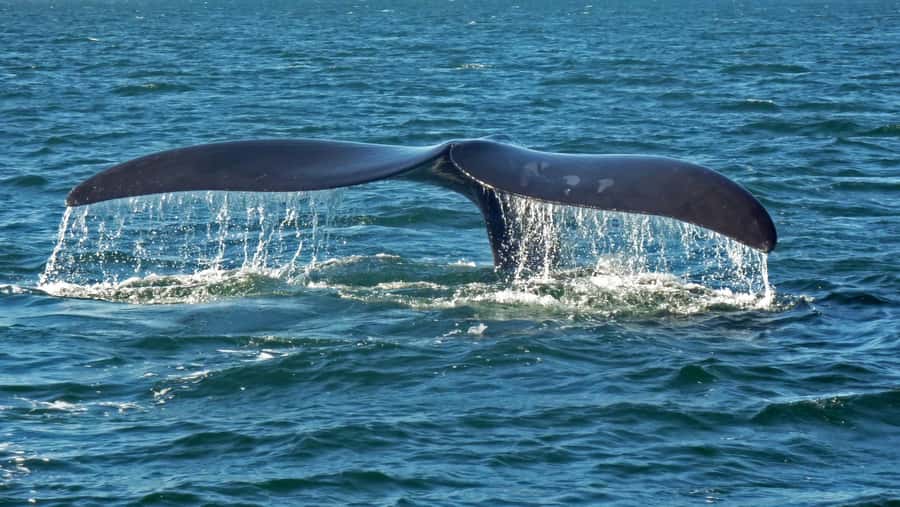
Hermanus is famous for whale watching because whales visit the waters along the Western Cape, but sightings change as the season progresses.
The strongest period suggested by the available experience is August through October. During these months, sightings have included several mothers and calves, close encounters, breaching, and groups of different whale types. September and October appear especially promising for a first visit.
November can still be very good. Trips during that month have produced whales, calves, seals, and large groups of dolphins. But by late November, the crew may need more time to find animals, and the number of whales in the bay can begin to drop.
December is less dependable. Some whales may already have migrated, although dolphins and other marine life can still make the trip worthwhile. If seeing a whale is the central purpose of your visit, book earlier in the season when possible.
No month can guarantee a sighting. This is a wild-animal experience, and the boat cannot control the weather or the animals’ movements. The crew’s honesty about conditions is a positive sign. If whales have moved on, you should be told rather than promised something the sea cannot deliver.
Is $93 a fair price?
At $93 per person, this is not a cheap harbor cruise. The value depends on how much you want a dedicated whale-watching outing rather than a general boat ride.
You are paying for a focused trip with a trained crew, a guide, marine-life interpretation, and time in the bay searching for whales. The vessel can stop with its engines disengaged once whales are found, giving you a better chance to watch without the noise and movement of a running engine. You also get water on the boat and coffee on arrival.
The upper deck adds value for photographers and anyone who wants a wide view. Some boats in the harbor may feel more crowded or offer less room above, while this operator has been praised for its larger upper-deck area. Group size and boat capacity can vary, so check the specific departure if having extra space matters to you.
The price feels justified if you are visiting Hermanus mainly for whales and want a proper wildlife outing. It feels less certain if you are simply looking for a quick scenic cruise, or if rough seas would make the experience uncomfortable.
Who will enjoy this most
I would recommend this trip to families, couples, photographers, and anyone who wants to see marine life without committing to a full-day expedition. The outing is short enough to fit into a day in Hermanus, but long enough to give the crew time to locate animals and wait with them.
It also suits people who prefer a guide-led experience. The crew does more than point at a fin. You receive a briefing, explanations about the whales and other animals, and help spotting movement in the water.
You should think carefully before booking if you get seasick easily. Rough conditions have made the trip unpleasant for some people, and the boat may move sharply as it crosses the bay. Take the weather seriously, wear the recommended clothing, and do not treat the top deck as guaranteed in poor conditions.
This is also not the right choice if you need a guaranteed whale encounter. Even in Hermanus, wild whales set the schedule. The best approach is to value the search and the wider marine setting, with a close whale sighting as the hoped-for reward.
Booking details that matter
You can cancel up to 24 hours before departure for a full refund, and the reserve-now, pay-later option keeps your plans flexible. Starting times vary, so check availability for your chosen date.
Arrive 30 minutes early at the orange building inside Hermanus New Harbour. Bring your booking information because the physical ticket is supplied on the day. Add the R5 harbor entrance fee to your budget.
Pack a warm layer even if the forecast looks mild. You will also want a windbreaker, sunscreen, a sun hat, weather-appropriate clothing, and flat shoes. Keep cameras and phones secure, especially on the upper deck.
Should you book the Hermanus whale trip?
Book it if you want a well-organized, wildlife-first outing with a good chance of seeing whales, dolphins, and seals in the same trip. The strongest reasons to choose it are the respectful approach to the animals, the informative crew, and the useful upper-deck viewing space.
For the best odds of a memorable whale encounter, aim for August, September, or October. November can still reward you, while December requires more patience and flexibility. If the sea is rough or you suffer from motion sickness, this may not be your ideal activity.
For everyone else, $93 buys a focused two-hour look at Walker Bay from a very different angle. That is a fair price for the chance to watch a whale surface beside a quiet boat, with the Western Cape behind you and no aquarium glass between you and the animal.
FAQ
Where does the whale-watching trip begin?
The trip begins at Hermanus New Harbour. After entering the harbor, go to the orange building on the right-hand side.
How early should I arrive?
Arrive 30 minutes before the scheduled departure time. Physical tickets are provided when you arrive on the day.
How long does the boat trip last?
The advertised duration is 90 minutes, while the trip may last about 1.5 to 2 hours depending on conditions and sightings.
What animals might I see?
You may see whales, dolphins, seals, and seabirds. Some trips have also spotted sunfish.
Is the tour suitable for children and older adults?
Whale watching is suitable for all ages. You should still consider the sea conditions, as rough water can cause discomfort.
What should I wear and bring?
Wear warm clothing, a windbreaker or jacket, flat shoes, and weather-appropriate clothing. Bring a sun hat and sunscreen.
What happens if the weather is poor?
Trips operate weather permitting. In poor conditions, access to the top deck may be restricted until the whales have been found and conditions are suitable.
Just added around South Africa
- Whale Watching Knysna – Close Encounter Experience Ocean Odyssey★ 4.5 · 65 reviews
- Hermanus Land based Whale Tour with Dave de Beer★ 5.0 · 24 reviews
- Hermanus Whales and Wine Full Day Private Tour★ 5.0 · 2 reviews
- Whale Watching Hermanus – Boat base★ 4.5 · 17 reviews
- Hermanus Whale Watching Day Trip from Cape Town★ 3.5 · 29 reviews
- Whale Watching Tour from Cape Town★ 3.5 · 9 reviews
- Hermanus Whale Watching & Penguins Shared Tour from Cape Town★ 4.0 · 14 reviews
- Whale Wonders: Majestic Marine Adventures in Hermanus★ 5.0 · 3 reviews
Hermanus Whale Watching Tours, compared.
Whale Watching Walking Tours (Land-Based) – from JUNE 2025
Read our review →
Hermanus Land based Whale Tour with Dave de Beer
Read our review →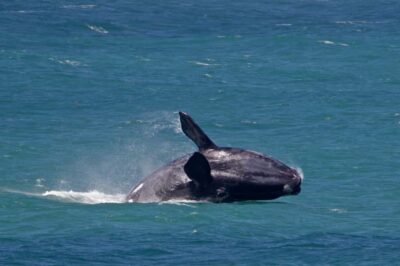
Cape Town: Full Day Hermanus Whale Watching Tour
Read our review →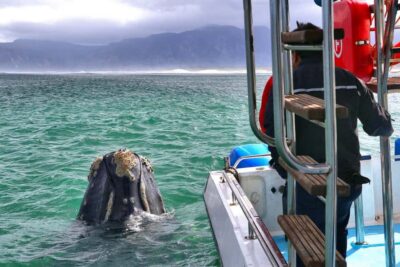
Cape Town: Hermanus Whale Watching Shared Boat & Penguins
Read our review →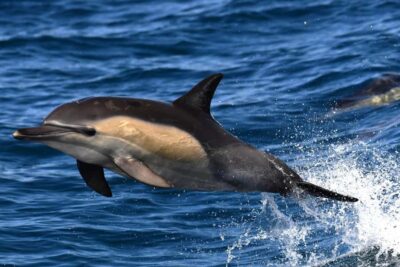
Browse the lists this tour appears in