
Review · AUSTRALIA
Wilsons Promontory: Whale Spotting Cruise with Lunch
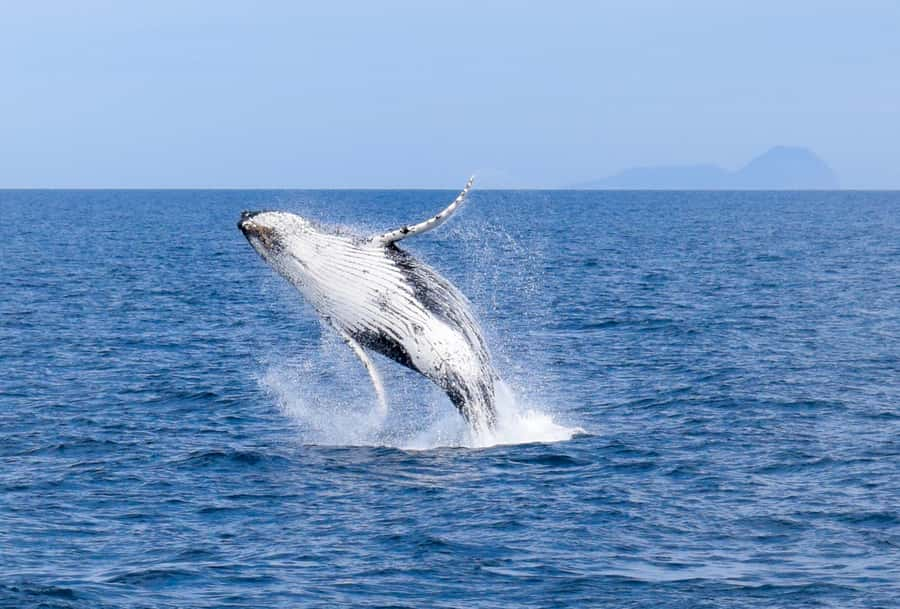
Humpback whales are the main event here, and Wilsons Promontory gives you a fine natural stage for their southerly migration. The cruise follows a rugged coast with remote beaches, rocky points and coves, while the captain keeps watch and explains what you’re seeing. A stated 90% whale-sighting rate makes this a stronger bet than a cruise that simply promises a scenic boat ride.
I like two things in particular: the chance to see whales and dolphins on the same outing, and the way the six-hour route combines wildlife with hard-to-reach coastal scenery. Morning tea and a homemade lunch also make the long trip easier, especially since there is no need to rush back to shore.
The main consideration is comfort. One passenger found the boat cold and not especially comfortable, while another described the lunch as ordinary. Pack warm layers, and book this for the wildlife rather than for a polished dining experience.
Key points before you book
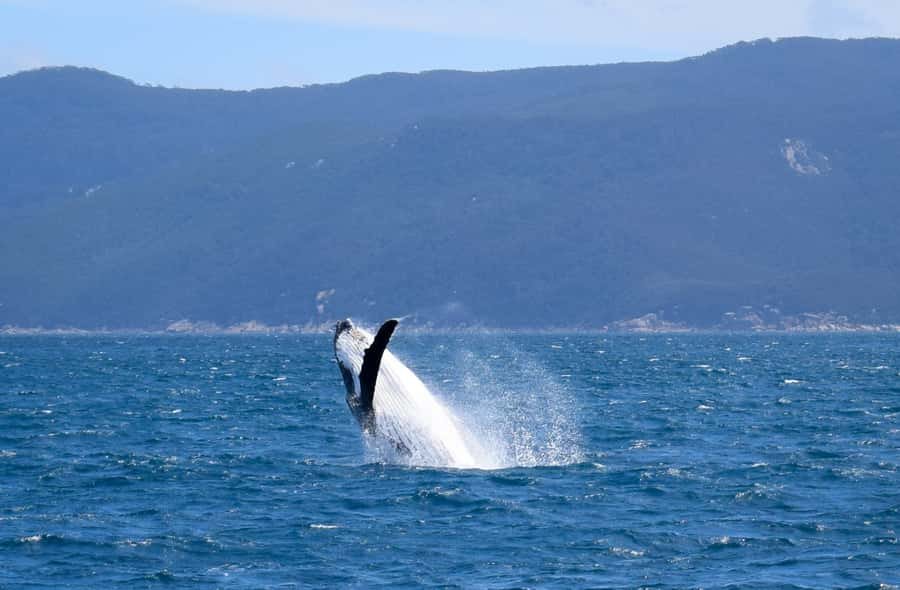
- A 90% whale-sighting rate: This is not a guarantee, but it is a useful sign that the crew regularly finds whales during the migration season.
- Six hours on the water: You get time to search the coast properly, but the length can feel demanding if you dislike boats or rough weather.
- Remote Wilsons Promontory scenery: Rabbit Island, Sealers Cove and Refuge Cove are part of the coastal route.
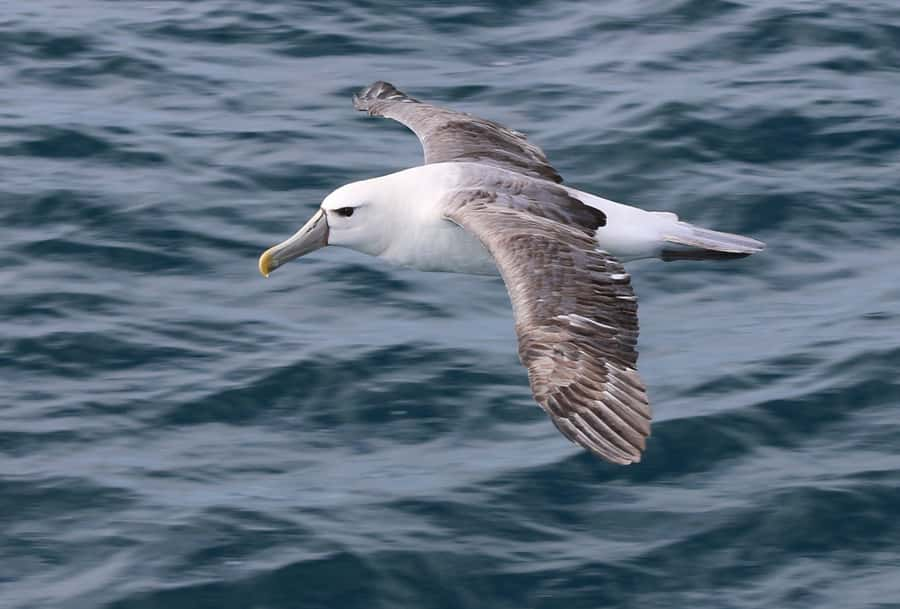
- More than whales: Dolphins, Australian fur seals, shy albatrosses and other seabirds may appear during the cruise.
- Food is included: Morning tea, tea, coffee and a homemade lunch are provided, though the meal is best viewed as practical rather than gourmet.
- Weather matters: The cruise can be changed or cancelled because of weather or minimum numbers.
Why Wilsons Promontory makes a good whale-watching setting
Whale watching works best when the boat can cover a broad area and the coast offers plenty to look at between sightings. Wilsons Promontory does both. The cruise follows a striking stretch of Victoria’s coastline, giving you remote beaches and rocky coastal formations while the crew searches for whales moving south.
The target species are humpback whales and southern right whales. Their annual migration is the reason for the trip, but wildlife in the area is not limited to the large animals. You might also see dolphins, Australian fur seals, shy albatrosses and other seabirds.
That variety matters. Whale watching always involves patience. Even with the stated 90% success rate, animals are wild and sightings depend on weather, sea conditions and timing. A seal resting near the water or a pod of dolphins can keep the cruise worthwhile while you wait for the larger show.
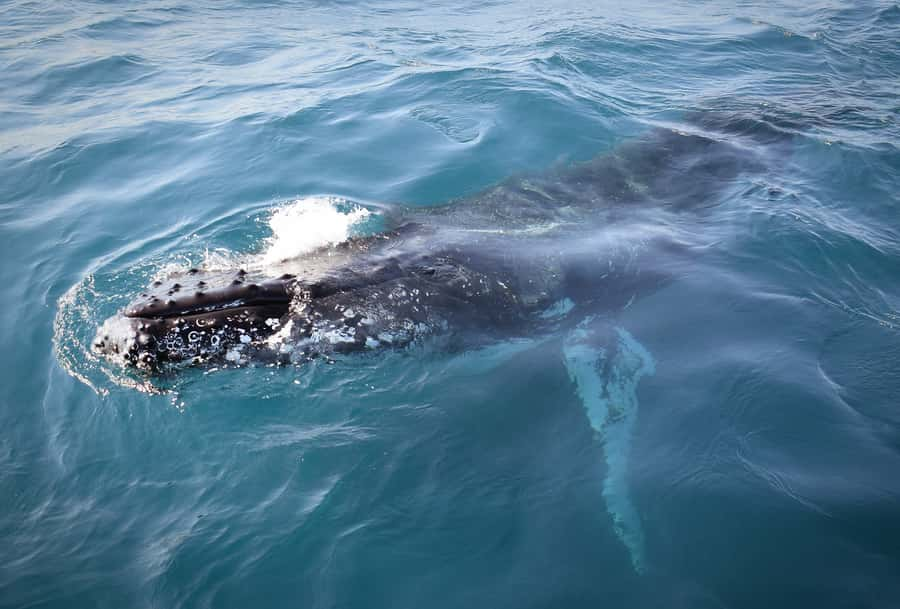
The best whale encounters can be dramatic. One passenger described whales staying close to the boat and entertaining the group for hours. Another reported seeing several humpback whales, including one very close encounter. Those moments cannot be scheduled, but the crew’s local experience helps put you in the right part of the coast at the right time.
A few more whale trips around Australia worth a look
- Sydney Whale-Watching Cruise Including Lunch or Breakfast
★ 4.5 · 878 reviews - Brisbane: Whale Watching Cruise with Lunch
★ 4.8 · 448 reviews - Sydney Whale Watching Cruise with Breakfast or Lunch
★ 4.4 · 340 reviews
Six hours along Rabbit Island, Sealers Cove and Refuge Cove
This is not a quick trip around the harbor. The cruise lasts six hours, allowing time to travel along the Wilsons Promontory coastline and search for wildlife rather than turning around after one short viewing area.
The route includes Rabbit Island, which adds a sense of remoteness to the journey. You also pass Sealers Cove and Refuge Cove, coastal places that are difficult to appreciate from an ordinary road-based sightseeing tour. From the boat, you get a different view of the headlands, beaches and coves.
The exact order and time spent near each place can change because the crew needs to follow wildlife. If whales are active in one area, the captain will naturally focus attention there rather than stick rigidly to a sightseeing timetable. This is good for wildlife viewing, though it means you should not expect a fixed schedule with a long stop at every named location.
The coastal scenery is one of the trip’s strongest secondary attractions. Even during a quiet stretch for whales, you have open water, isolated beaches and the changing outline of Wilsons Promontory to watch. Several people particularly enjoyed the combination of spectacular coast, seabirds and marine animals.
What the captain and crew add to the day
The captain provides live commentary in English throughout the cruise. That is useful for two reasons. First, it helps you understand what you are looking at. Second, it keeps the long periods of scanning the water from feeling aimless.
Wildlife spotting can be surprisingly hard. A whale may surface only briefly, and a distant dark shape can be difficult to identify from a moving boat. Commentary gives you clues about where to look and helps explain the behavior of the animals once they appear.
The crew also seems to be an important part of the experience. Multiple passengers praised the staff as friendly, helpful and well informed. One person specifically said the captain and staff knew where to go to find the whales. Since this is a search rather than a guaranteed performance, that local judgment has real value.
No individual captain or guide names are provided, so you should not expect a named specialist as part of the booking. The advertised guide language is English, and the captain’s commentary is a core part of the outing.
Whale sightings are likely, but never certain
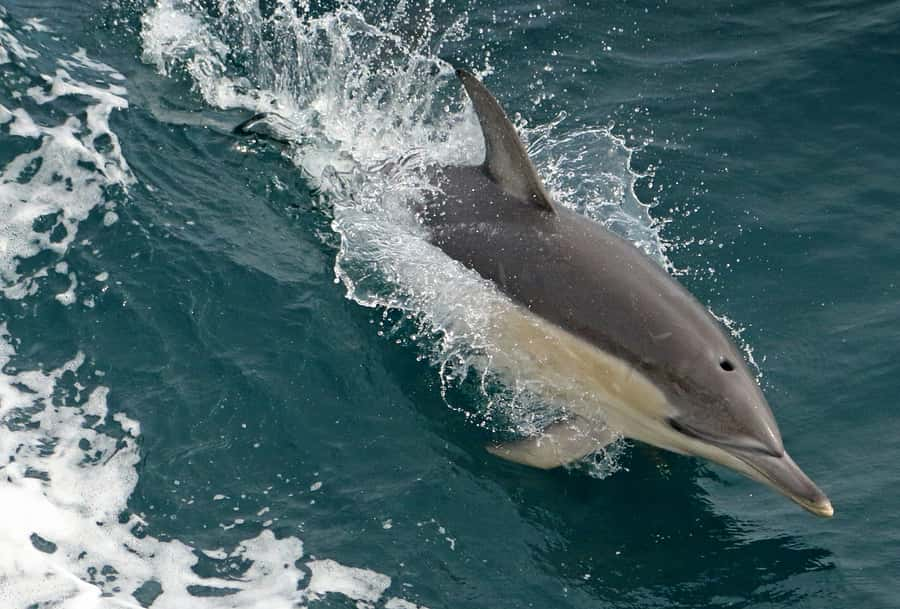
The 90% success rate is the most useful figure attached to this cruise. It suggests that nine out of ten trips have some kind of whale sighting under the operator’s stated conditions. Still, it does not promise close approaches, breaching, long viewing periods or a particular species.
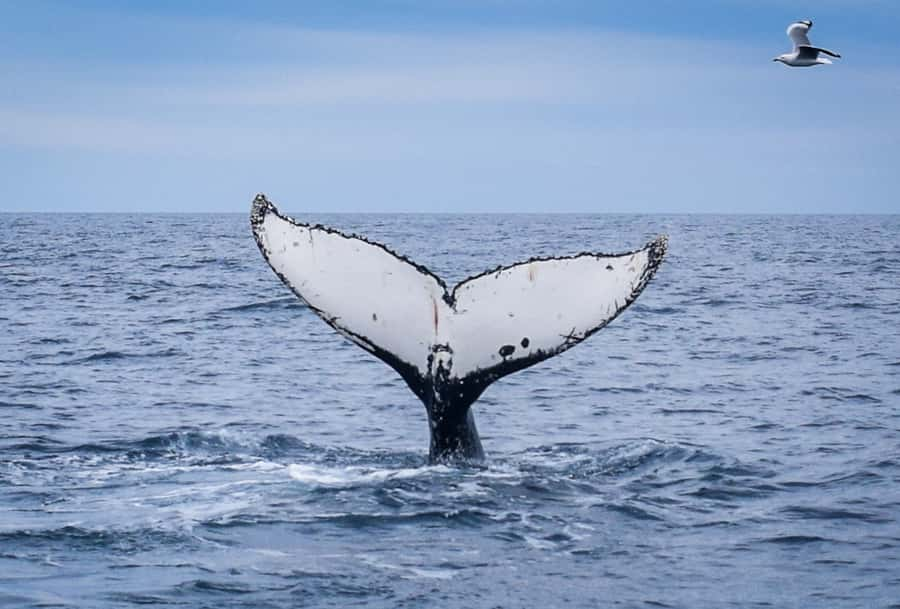
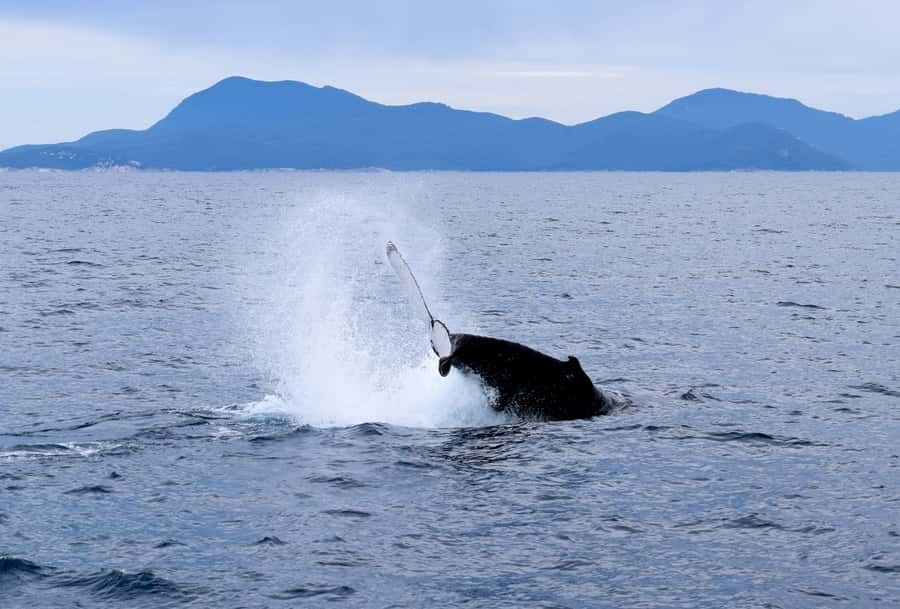
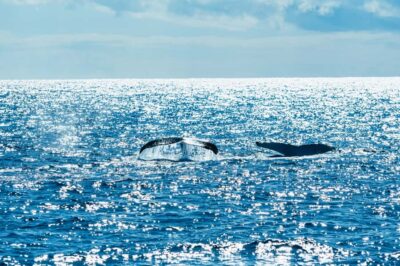
A successful whale trip can mean many things. You might see a distant back rising from the water, a tail disappearing below the surface or a whale staying near the boat for an extended period. The strongest accounts describe several humpbacks and close viewing, but you should treat those as fortunate conditions rather than a standard guarantee.
The season is tied to the whales’ southerly migration. The available feedback includes trips in August, September, October and November, with strong whale sightings reported across those months. That gives you a useful indication that the cruise operates during a productive migration period, though the supplied information does not identify a single best month.
I would choose this outing when your priority is the possibility of a memorable wildlife encounter, not certainty about exactly what you will see. The high sighting rate improves the odds, but nature still makes the final decision.
Same water, a different way to meet the whales:
- Sydney: Whale Watching Adventure Cruise
★ 4.2 · 1,790 reviews - Brisbane Whale Watching Cruise from Redcliffe or Sunshine Coast
★ 5.0 · 997 reviews - Freedom 3/4 Day Hervey Bay Premium Whale Watching Cruise
★ 5.0 · 919 reviews - Swim with Whale Sharks in the Ningaloo Reef: 3 Island Shark Dive
★ 5.0 · 919 reviews
Dolphins, seals and seabirds keep the search interesting
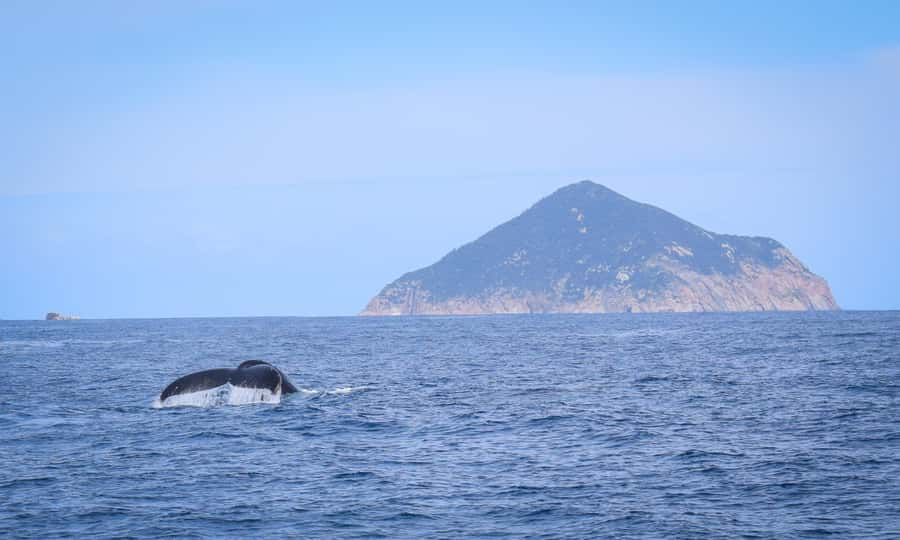
Whales receive the headline, but the supporting wildlife can make the cruise feel full even when the larger animals stay elusive.
Dolphins are a particularly welcome bonus. Several sightings included both whales and dolphins, which can give you two very different kinds of marine encounter in one day. Dolphins may be easier to spot because they often travel in groups, but the information provided does not promise their appearance.
Australian fur seals are another possible sighting. They fit naturally into the rocky coastal setting around Wilsons Promontory and add variety to the trip. You may also see shy albatrosses and other seabirds, giving the captain more wildlife to point out as the boat moves along the coast.
The seabirds are worth paying attention to. A whale trip can turn into a simple exercise in staring at the horizon if you ignore everything else. Watching bird activity, seals and dolphins gives you more ways to read the water and makes the long six-hour outing feel more varied.
Morning tea and lunch: useful, not the main reason to go
Food is included in the price: morning tea, tea and coffee, plus a homemade lunch. That is a practical advantage on a six-hour cruise. You do not need to plan the day around finding food on shore, and a hot drink can be welcome during a cool stretch on the water.
The lunch has received mixed but fair feedback. One person enjoyed it, while another described it as nice enough but pedestrian. That is a reasonable way to set expectations. You are getting a meal that supports a full day at sea, not a destination dining experience.
I would still see the included food as part of the value. A six-hour wildlife trip can feel expensive if every drink or meal costs extra. Here, the catering is built into the $180 price, which makes the total easier to understand.
The available information does not give a menu or dietary details. If you have a particular food requirement, check before booking rather than assuming the homemade lunch will suit you.
Comfort, clothing and the realities of open water
The strongest criticism concerns the boat’s comfort and temperature. One passenger found the boat less comfortable than expected and said it was very cold, with blankets not provided. That is important because six hours on the water is a long time, even on a sunny day.
Pack warm clothing regardless of the forecast. A calm, sunny day can still feel chilly on the water, and you may spend long periods standing or sitting while scanning for a surfacing whale. The supplied information does not promise blankets, so do not count on them.
Sea conditions are another consideration. The cruise is subject to weather, and poor conditions can affect both comfort and the operator’s decision to run the trip. If you are prone to motion sickness, the six-hour duration deserves serious thought, although no specific seasickness policy or onboard treatment is provided.
The cruise is not suitable for children under four or for wheelchair users. No other age restrictions are stated. The booking information also does not specify group size, boat layout or seating arrangements, so ask the operator if those details matter to you.
Is $180 good value for six hours?
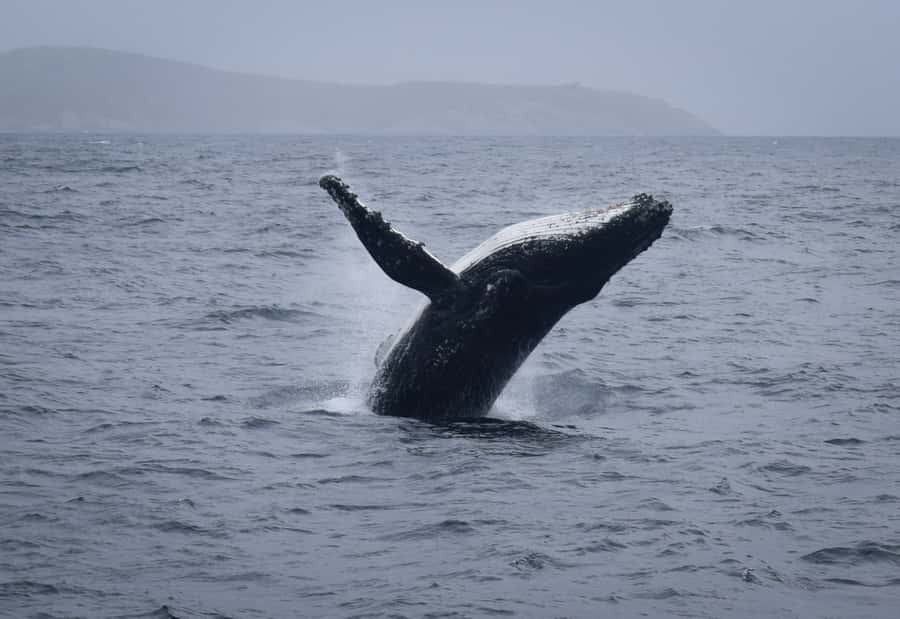
At $180 per person, this is not a cheap sightseeing cruise. It can be good value if you place a high price on wildlife viewing and want a long route along one of Victoria’s most striking coastal areas.
You are paying for six hours on the water, an English-speaking captain, wildlife searching, coastal sightseeing, morning tea, hot drinks and lunch. The 90% stated whale-sighting rate also gives the price more weight than a general scenic cruise with only a vague chance of seeing marine life.
The value depends on your priorities. If you want guaranteed close whale encounters, the price may feel high because no operator can control the animals. If you are happy to spend a full day outdoors and appreciate seals, dolphins, seabirds and coastal scenery as well as whales, the package is easier to justify.
The mixed food comments do not change my view of the price much. Lunch is included and useful, but it should not be the reason you book. The real value lies in the time spent searching a productive migration route and the chance of a rare, close encounter.
Who will enjoy this cruise most?
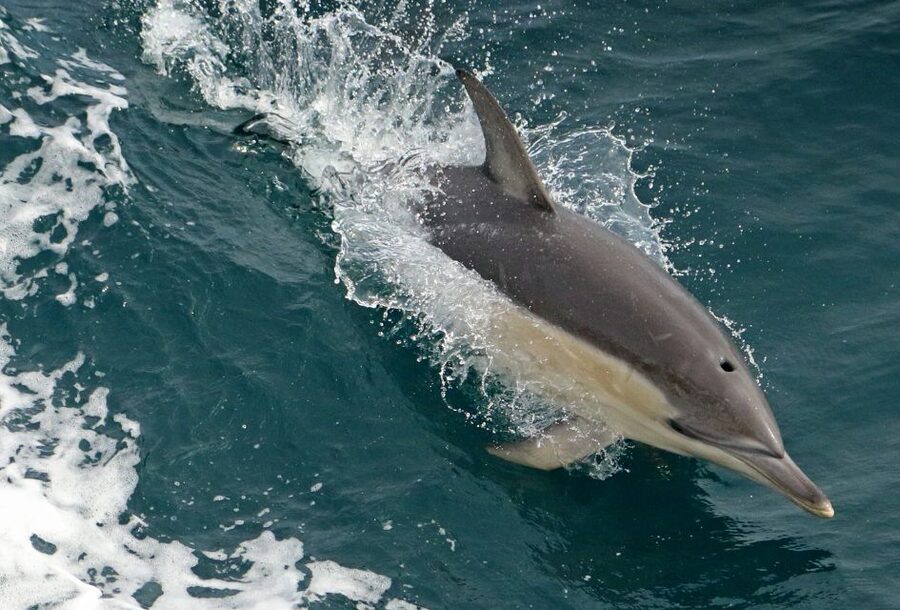
I would recommend it to wildlife fans, photographers, birdwatchers and anyone who wants to see Wilsons Promontory from the sea. It also suits people who prefer a full-day activity with one clear focus, rather than a short boat trip squeezed between other stops.
You will get the most from it if you can be patient. Whale watching involves waiting, scanning and accepting that the best moment may last only seconds. The possibility of several whales, dolphins and seals rewards that patience.
It is less suitable if you need a highly comfortable boat, dislike cold weather or want a carefully timed sightseeing itinerary. Families with children under four cannot book, and wheelchair users should choose another activity because this cruise is not suitable for them.
The English-language commentary makes it a straightforward choice for anyone comfortable following a live guide in English. The captain’s explanations should help you stay engaged during the search and understand the wildlife you encounter.
Booking, cancellation and weather planning
You can cancel up to 24 hours in advance for a full refund, which gives you some protection if your plans change. You can also reserve now and pay later, useful if you are arranging several Victoria activities and want to keep your budget flexible.
The cruise depends on weather and minimum numbers. Check availability for the starting time and confirm the trip is operating before setting aside your full day. Since the duration is six hours, avoid placing a tightly timed activity immediately afterward.
Allow extra mental space for the day. A whale cruise is governed by sea conditions and animal behavior, not by a fixed timetable. The more flexible you are, the easier it is to enjoy both the wildlife search and the coastal ride.
Should you book the Wilsons Promontory whale cruise?
Book it if whales are your main reason for visiting Wilsons Promontory, and you are willing to trade some comfort and certainty for a real chance of seeing migrating humpbacks or southern right whales. The high stated sighting rate, strong crew feedback and reports of close whale encounters make this a serious wildlife outing, not just a scenic boat ride.
You should also book if dolphins, fur seals, seabirds and remote coves sound worthwhile when whales are not performing. Skip it if you want a short, gentle cruise, a polished meal or guaranteed warmth. For the right passenger, the combination of migration wildlife, knowledgeable crew and rugged coast makes $180 a fair price for a full six hours.
FAQ
How long is the Wilsons Promontory whale cruise?
The cruise lasts six hours.
How much does the cruise cost?
The listed price is $180 per person.
Which whales might I see?
The cruise searches for humpback whales and southern right whales during their southerly migration along the Wilsons Promontory coastline.
What is the whale-sighting success rate?
The stated success rate is 90 percent. This does not guarantee a close encounter or a particular whale species.
What other wildlife might I see?
You might see dolphins, Australian fur seals, shy albatrosses and other seabirds.
Which coastal places does the cruise pass?
The route includes Rabbit Island, Sealers Cove and Refuge Cove, along with coastal formations and remote beaches.
Is food included?
Yes. Morning tea, tea and coffee, and a homemade lunch are included.
What language is the tour conducted in?
The live tour guide and commentary are in English.
Can I cancel or pay later?
You can cancel up to 24 hours in advance for a full refund. You can also reserve your place and pay later.
Just added around Australia
- Whale Watching Safari Byron Bay★ 4.9 · 39 reviews
- Noosa: Epic Whale Watching Ocean Kayak Tour & Beach 4X4★ 4.8 · 7 reviews
- Western Australia: Swim with Humpback Whales★ 5.0 · 20 reviews
- Tweed Heads: Whale Watching Boat Tour★ 4.7 · 30 reviews
- Bremer Bay Orca Experience★ 5.0 · 79 reviews
- Wilsons Prom Whale Cruise★ 5.0 · 104 reviews
- Whale Watching and Wildlife Cruise Townsville and Magnetic Island★ 5.0 · 11 reviews
- Whales of Sydney Sea Safari★ 5.0 · 2 reviews
Australia Whale Watching Tours, compared.
Brisbane Whale Watching Cruise from Redcliffe or Sunshine Coast
Read our review →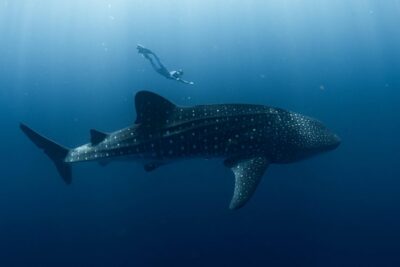
Swim with Whale Sharks in the Ningaloo Reef: 3 Island Shark Dive
Read our review →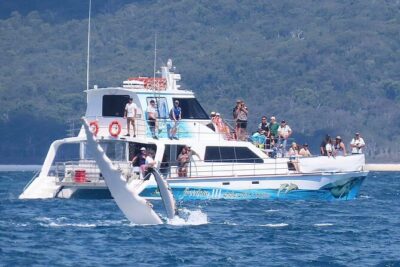
Freedom 3/4 Day Hervey Bay Premium Whale Watching Cruise
Read our review →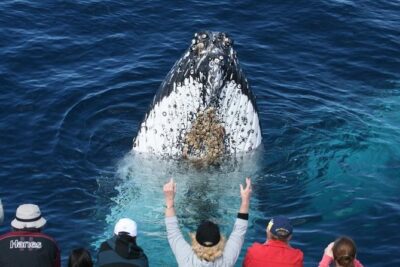
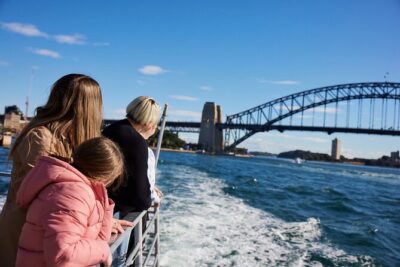
Sydney Whale-Watching Cruise Including Lunch or Breakfast
Read our review →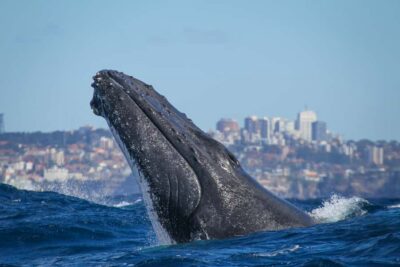
Spirit of Gold Coast 2.5-Hour Whale Watching Tour
Read our review →Browse the lists this tour appears in