
Review · MEXICO
Dolphin & Whale Watching with Marine Biologists
Huatulco’s best wildlife show happens offshore, where humpback whales breach, dolphins race the boat, and sea turtles surface beside you. Oceanico takes a small group of no more than 14 people beyond the usual nearshore waters, using local spotters and a hydrophone to help find and hear marine life.
I like the direct access to marine biologists, and I like the care taken around the animals inside Huatulco National Park. The crew may include people such as Scarlett, Tito, Peter, or Tony, depending on the departure. The main drawback is simple: this is wild nature, not a staged performance, and rough seas, bright sun, or an empty stretch of ocean can all be part of the morning.
I also like the early 8:00 a.m. start. It gives you a good chance to be on the water before the day grows hot, though the small open boat has limited shade, so a hat, sunglasses, water, and reef-friendly sunscreen matter.
Key points to know before you book
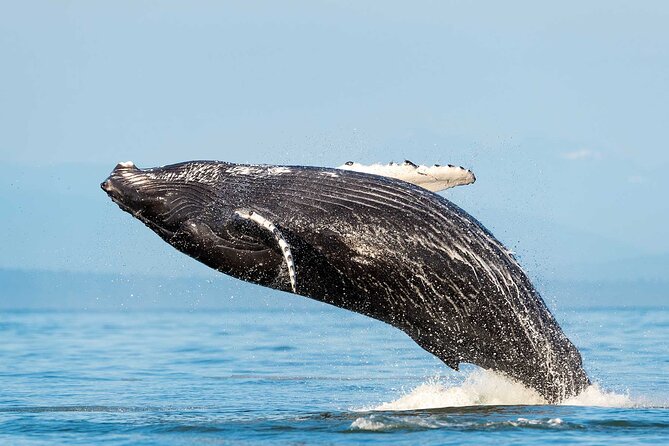
- Whales are most likely from December through March: Humpback whales are seen on about 90 percent of tours during this period.
- The hydrophone adds another layer: You may hear whales singing or dolphins communicating below the boat.
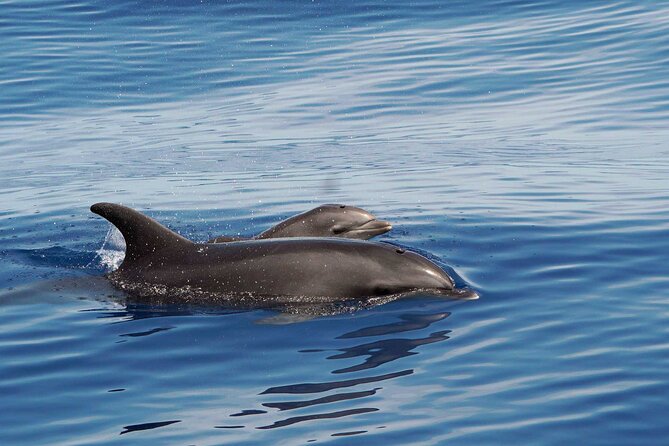
- Wildlife can be wonderfully varied: Sightings have included humpbacks, bottlenose and spotted dolphins, Olive Ridley and green turtles, mobula rays, manta rays, sea snakes, and sailfish.
- The group stays small: A maximum of 14 people leaves more room to move around and a better chance of finding an unobstructed view.
- Bring cash for two local fees: The Huatulco National Park fee is 65 pesos, and the Chahué Marina fee is 10 pesos per person.
- The boat returns to Chahué Marina: Plan on roughly two and a half hours from departure to the short closing debrief.
A marine biology lesson that happens at sea
This is more than a boat ride with a hope of spotting a whale. Oceanico begins with a short briefing about Huatulco’s whales, dolphins, and sea turtles, then turns the trip into a moving field lesson.
That setup matters. You learn what to watch for before the search begins, and the guide can explain what the animals are doing when they appear. A whale’s back may show for only a few seconds. A dolphin pod can vanish as quickly as it arrives. Understanding the behavior helps you appreciate a brief sighting instead of waiting only for a dramatic breach.
The crew also discusses current research and answers questions as the boat moves. If you enjoy natural history, ask plenty. This is one of the rare excursions where your guide may be a marine biologist, not simply a boat operator with a memorized script.
The crew has been praised for clear English and for sharing useful details without losing sight of the animals. Some crew members are also conversant in several languages, though English is the stated language for the activity. Names connected with different departures include Scarlett and Tito, as well as Peter and Tony. The exact crew can vary, but the focus remains the same: observation, explanation, and responsible conduct.
More Whale and Dolphin Tours in Mexico:
- Whale and Dolphin Watching with a Biologist in Puerto Vallarta
★ 5.0 · 666 reviews - Whale & Dolphin Watching Cruise in Puerto Vallarta All Inclusive
★ 4.0 · 212 reviews - Ocean Safari: Sea Lions, Mobula Rays, Dolphins, Orcas & Whales
★ 5.0 · 85 reviews
Leaving Chahué Marina at 8:00 a.m.
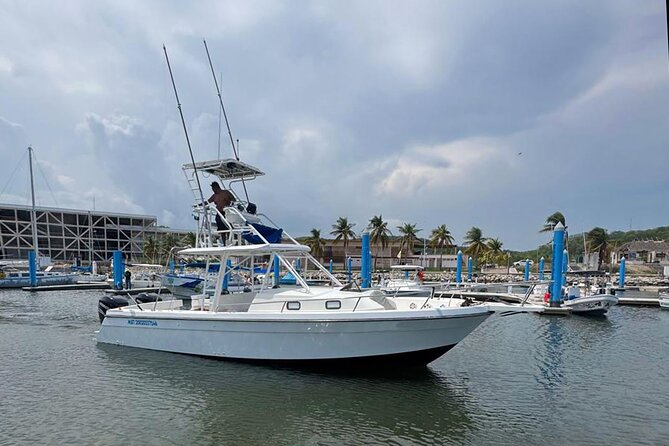
You meet Oceanico at Sector P in Chahué Marina, on Boulevard Benito Juárez. The tour ends at the same place, which keeps the morning simple if you are staying near the marina or using local transport. Public transportation is nearby, and confirmation is provided when you book.
The early departure is practical rather than glamorous. At 8:00 a.m., you get onto the water before the strongest heat of the day, and the light can be pleasant for watching and photography. The boat itself is small, with canvas cover over the boat, but you should not expect full protection from sun or spray.
I would arrive ready to board, with your hat secured and sunscreen already applied. The ride may be comfortable in calm conditions, but one report describes large swells, with the pilot handling them well. If you are sensitive to motion, sit where the crew suggests and keep your attention on the horizon.
Lifejackets are available for children from age three and for adults up to 130 kilograms. People over 130 kilograms cannot participate. The minimum age is three, and most people who meet those limits can take part.
Huatulco National Park and the offshore search
The main setting is Huatulco National Park, a protected marine area made up of bays and coastal waters. The tour does not follow a fixed wildlife script. Instead, the crew travels toward places known to its network of local spotters, adjusting the route when animals are reported elsewhere.
That flexibility is a major strength. A whale does not read a timetable, and a dolphin pod will not wait beside a marked buoy. Going farther offshore can improve the chance of finding wildlife, but it also means more exposure to swell and sun. You are trading the certainty of a short harbor cruise for a better search.
The crew may look for the blow of a humpback, the dark shapes of dolphins moving in formation, or the small heads of turtles breaking the surface. The boat may pause or circle at a respectful distance once animals are found. The stated goal is observation, not chasing or touching.
That distinction becomes important around mothers and calves. Sightings have included a humpback mother with a calf, sometimes accompanied by another adult. Seeing a young whale near the surface can be thrilling, but the best part is watching without forcing the encounter.
The park fee is not included. Bring 65 pesos in cash per person for Huatulco National Park, plus another 10 pesos in cash for the Chahué Marina fee. These are small costs, but knowing about them before you arrive prevents an awkward search for change at the dock.
What you might see beyond whales
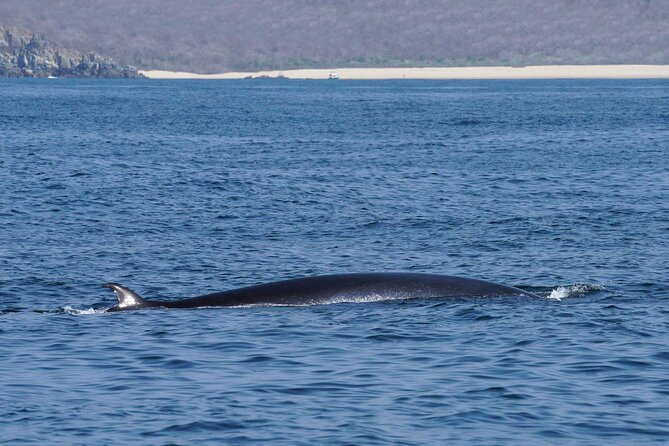
Humpback whales get top billing, especially from December through March, when the tour reports sightings on about 90 percent of departures. That is a strong seasonal figure, but it is not a guarantee for your particular morning. Outside that period, whale sightings may be less likely.
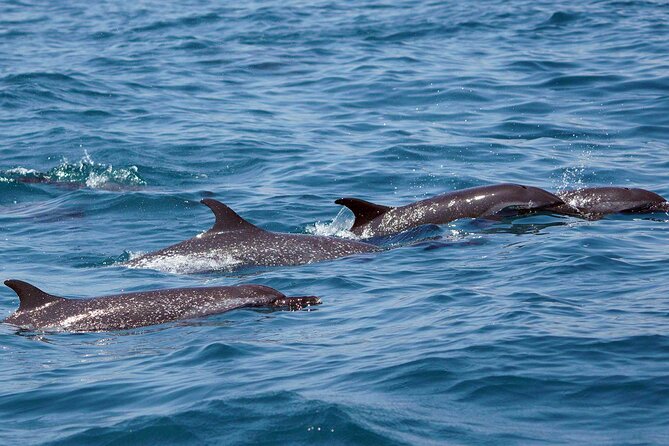
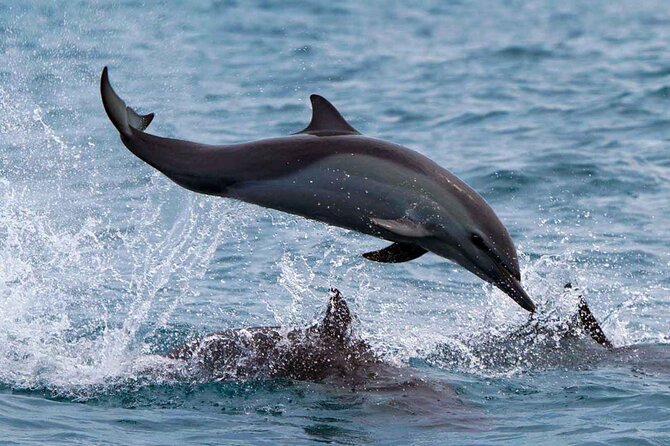
The dolphin encounters can be just as memorable. The area holds bottlenose and spotted dolphins, and a pod may number in the dozens or even around 300 animals. Dolphins can move quickly beside the boat, spread across the water, or pass in a tight group. The hydrophone may let you hear their communication and echolocation, turning a visual encounter into an audible one.
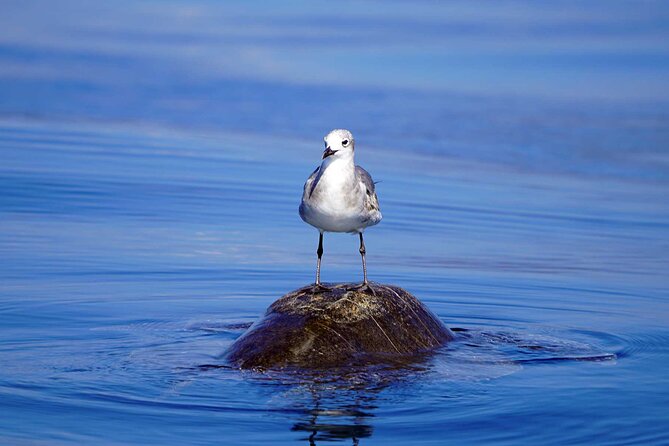
Sea turtles are another dependable possibility. Sightings have included Olive Ridley and green turtles, sometimes many in a single trip. The nearby coast is associated with major Olive Ridley nesting activity, which helps explain why turtles are such a regular part of the Huatulco marine story.
You may also encounter creatures that feel like bonus scenes in a nature program:
- Mobula or manta rays flipping above the water
- Yellow-bellied sea snakes
- A leaping sailfish
- Spotted dolphins and bottlenose dolphins on the same outing
- Groups of turtles surfacing in calm water
- Orcas, though this would be an exceptional sighting rather than something to expect
One remarkable outing included several orcas, whales, turtles, rays, and a sea snake. Another produced a large dolphin pod but no whale. That contrast tells you exactly how to approach the tour: book it for the quality of the search and the chance to see a broad mix of marine life, not only for a single target species.
A few more whale trips around Mexico worth a look
- Luxury Catamaran Whale Watching Cabo San Lucas
★ 5.0 · 2,107 reviews - Whale Watching Cabo-Women crew-Sightings Guaranteed & Free Photos
★ 5.0 · 1,743 reviews - SMALL GROUP Whale Watch | Cabo San Lucas | Biologist | FREE Pics
★ 5.0 · 1,106 reviews - La Paz Whale Shark Snorkeling Tour and Lunch From Los Cabos
★ 5.0 · 1,066 reviews
The hydrophone makes the quiet moments count
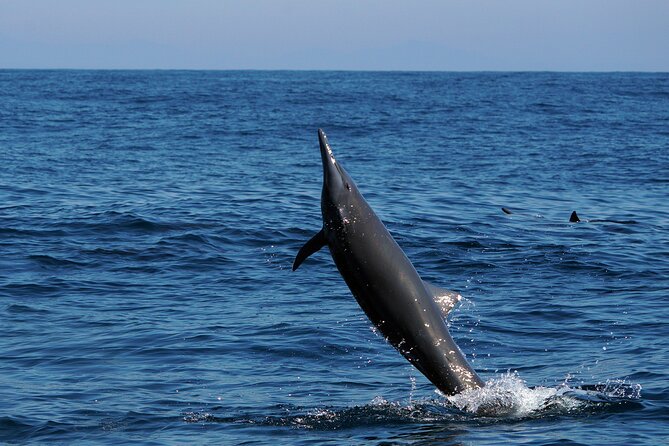
Wildlife tours have slow periods. You may spend several minutes watching empty water while the boat moves toward a report. The hydrophone gives those pauses a purpose.
This underwater microphone can pick up whale songs and dolphin communication. Hearing sound from animals beneath the surface changes the mood. You are no longer simply scanning for a fin or blow. You are getting a small sense of the unseen world below the boat.
The guide can connect what you hear with what you see and explain why the sounds matter. You may not get a dramatic recording every time, and the water can be noisy, but the equipment makes this more than a sightseeing cruise.
I would bring a camera if you want one, but do not let it take over. Wildlife is unpredictable, and a whale may surface while you are checking your screen. One person was even given permission to enter the water with a GoPro, but the dolphins were too quick to film. That kind of opportunity should never be assumed, and you should follow the crew’s instructions rather than asking to swim with the animals.
Small-group comfort and the open-boat tradeoff
The maximum group size of 14 is one of the strongest practical reasons to choose this outing. A crowded boat can turn wildlife watching into a contest for one narrow view. Here, you should have more room to shift position and watch from the front or side.
A small boat also keeps the experience personal. The marine biologist can answer questions more easily, and the captain can respond to sightings without moving a large group. One guide and captain team may include Peter and Tony, while another departure may be led by Scarlett and Tito.
The tradeoff is comfort. The boat is small, and the shade is limited even with a canvas roof. Wear light clothing, a hat, sunglasses, and reef-friendly sunscreen. Bring extra water if you need more than the included bottled water.
The sea can be smooth, but it can also be choppy. The captain’s boat-handling skills matter, and reports describe the pilot managing large swells well. Still, this is not the right pick if you need a completely calm, enclosed ride.
Is the $59.74 price good value?
At $59.74 per person, the price is fair for a two-and-a-half-hour marine wildlife trip led by a marine biology crew. Bottled water is included, but the 65-peso park fee and 10-peso marina fee are extra. The real value comes from the small group, local wildlife knowledge, access to a hydrophone, and the effort to search beyond the immediate harbor.
You are not paying for a guaranteed whale encounter. You are paying for time on the water, a serious search, and explanations that make every sighting more meaningful. If you see a mother and calf, a large dolphin pod, or rays leaping nearby, the price feels especially reasonable. If you see turtles and dolphins but no whale, the tour can still be worthwhile.
For budget planning, add the two cash fees and allow for sunscreen, a hat, and any extra drinks you want. The mobile ticket makes booking easy, but the experience itself is hands-on and weather-dependent.
Who will enjoy this Huatulco boat trip?
I would recommend it most strongly to people who like wildlife, photography, marine science, and small-group outings. Families can join if children are at least three years old and fit the lifejacket limits. The chance to hear whales and dolphins on the hydrophone also gives children something to focus on during quiet stretches.
It suits curious people who ask questions. A conservation photographer, for example, could get more from the trip than someone who only wants a quick postcard image. The guides can discuss animal behavior, research, and conservation, so your interest helps shape the experience.
It is less suitable if you require guaranteed whale sightings, full shade, a large stable vessel, or a short ride close to shore. It may also be a poor choice for someone who dislikes open water or rough swells.
The cancellation terms are strict: the booking is non-refundable and cannot be changed. If bad weather forces a cancellation, you are offered another date or a full refund. If the minimum number of people is not met, you receive the same choice of another date or a full refund. Since wildlife and weather both matter, check the forecast and commit only when your schedule is flexible enough.
Should you book Oceanico?
Book this tour if you want a serious wildlife search with a small group and a marine biologist explaining what you see. The best reasons are the hydrophone, the local spotter network, the chance of humpbacks from December through March, and the wide mix of dolphins, turtles, rays, and other sea life.
I would choose an early departure and bring a hat, sunglasses, reef-friendly sunscreen, cash, and a light layer for spray. Keep your expectations realistic. You may watch a mother whale and calf for half an hour, or you may spend the morning with dolphins and turtles instead.
If that uncertainty sounds like part of the fun, Oceanico offers one of Huatulco’s better ways to meet the animals without treating them like a show.
FAQ
Where does the tour start?
The tour starts at Oceanico Huatulco in Sector P at Chahué Marina, Boulevard Benito Juárez, Bahías de Huatulco.
What time does the tour begin?
The listed start time is 8:00 a.m.
How long does the experience last?
The tour lasts approximately two hours and 30 minutes.
Where does the tour end?
The activity ends back at the Chahué Marina meeting point.
How many people can join the boat?
The tour accepts a maximum of 14 people.
What animals might I see?
Possible sightings include humpback whales, dolphins, sea turtles, mobula or manta rays, sea snakes, and sailfish. Wildlife sightings are not guaranteed.
When are humpback whales most often seen?
Humpback whales are seen on about 90 percent of tours from December through March.
Are children allowed to participate?
Children must be at least three years old. Lifejackets are available for children from age three and for adults up to 130 kilograms.
What extra fees should I bring?
Bring 65 pesos in cash per person for the Huatulco National Park entrance fee and 10 pesos in cash per person for the Chahué Marina fee.
Just added around Mexico
- Whale Watching in San Jose del Cabo★ 5.0 · 3 reviews
- Whale Watching Guaranteed Experience in Puerto Vallarta★ 5.0 · 7 reviews
- Whale Watching in La Paz – Gray Whale Encounter★ 4.4 · 4 reviews
- Cabo San Lucas: Whale Watching Experience on Catamaran★ 4.3 · 5 reviews
- Whale Watch Cabo: Zodiac Whale Adventure – FREE Photos★ 4.8 · 4 reviews
- Whale Watch Cabo: Group Whale Watching Tour – FREE photos★ 5.0 · 3 reviews
- From Cancún: Half-Day Snorkeling with Whale Sharks★ 4.5 · 50 reviews
- Whale Shark swimming ocean safari all included tour★ 4.7 · 37 reviews
Mexico Whale Watching Tours, compared.
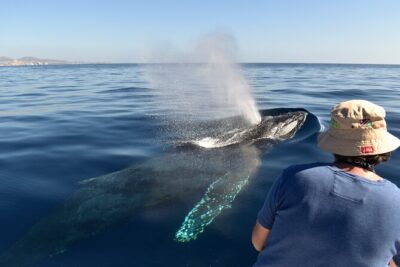
Whale Watching Cabo-Women crew-Sightings Guaranteed & Free Photos
Read our review →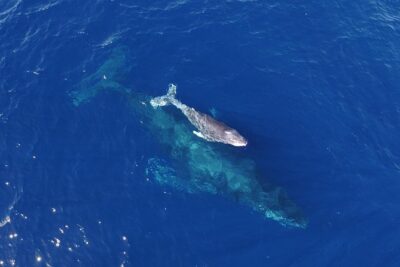
SMALL GROUP Whale Watch | Cabo San Lucas | Biologist | FREE Pics
Read our review →
La Paz Whale Shark Snorkeling Tour and Lunch From Los Cabos
Read our review →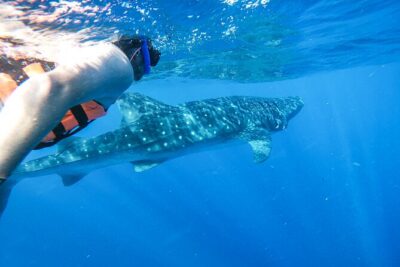
Whale Shark Adventure in Isla Mujeres and Cancun
Read our review →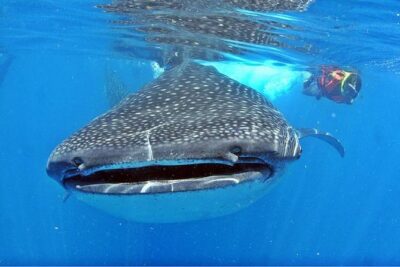
Whale Shark Tour from Cancun, Playa del Carmen, Tulum and Riviera Maya
Read our review →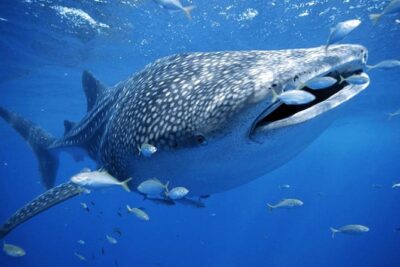
Whale Sharks Small-Group Tour in Cancun and Riviera Maya
Read our review →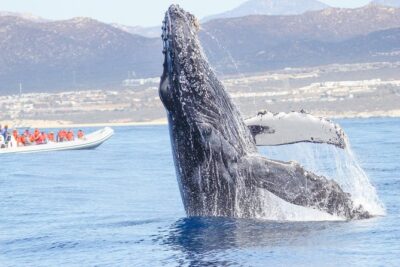
Whale Watching, The Famous Arch and Fast Boat Tour in Los Cabos
Read our review →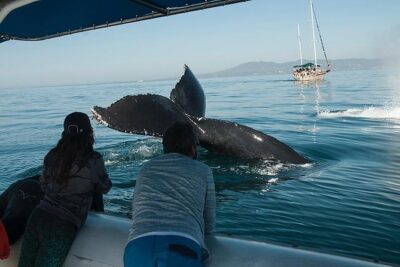
Whale and Dolphin Watching with a Biologist in Puerto Vallarta
Read our review →Browse the lists this tour appears in