
Review · BIG ISLAND
Whale Watching Tour – Big Island, Hawaii
The best part of this Kona boat trip is the chance to hear whales beneath the hull, not just watch them surface. The crew has used a hydrophone on some outings, letting you hear whale calls while searching the blue water for mothers, calves, breaching adults, dolphins, and the occasional whale shark.
I like the small 30-person boat and the crew’s lively narration. I also like the fair whale-sighting policy: if you see no whale, you receive a free return trip when space is available. The main concern is rough water. Several outings have been smooth and thrilling, but seasickness is a real possibility.
Key points to know before you book
- Whale songs may be part of the show: The crew has lowered a listening device into the sea so you can hear whales underwater.
- The Kibou carries no more than 30 people: That gives you a better chance of seeing from the rail instead of peering over a packed crowd.
- The humpback season is seasonal: The whales return after migrating from Alaska, so your odds depend on the time of year.
- The crew works hard to extend the experience: On some trips, the boat stayed out longer while wildlife activity continued.
- Expect more than whales: Dolphins, manta rays, rays, and whale sharks have appeared on outings, though none is guaranteed.
- Plan for motion: The Kona coast can be beautiful and exposed, and seasickness is the chief practical drawback.
A small boat, a big ocean, and a seasonal prize
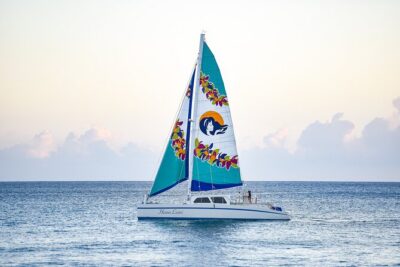
This is a focused two-hour search along the Kona coast. You board at Iruka Hawai‘i Dolphin and Manta Tours at 74-380 Kealakehe Parkway in Kailua-Kona, then head out aboard the Kibou, a boat built for a maximum of 30 people.
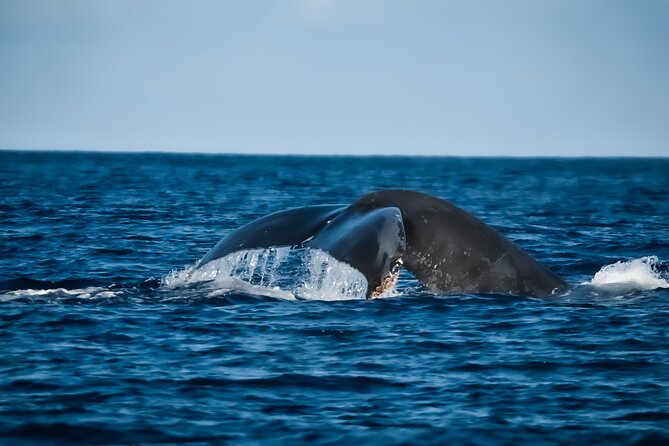
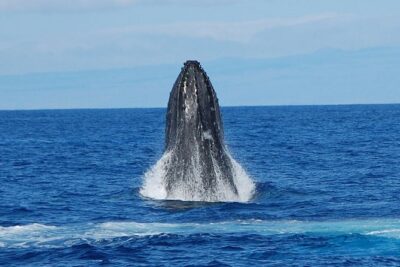
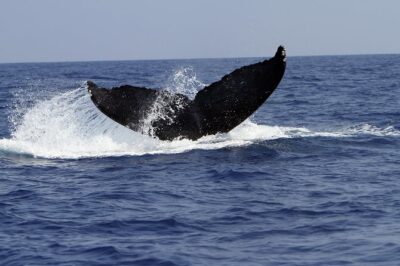
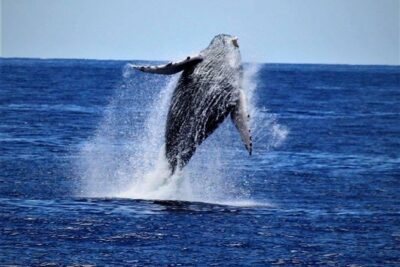
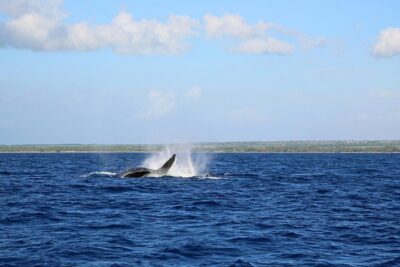
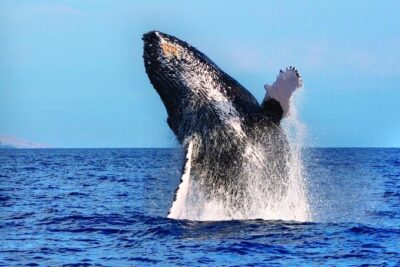
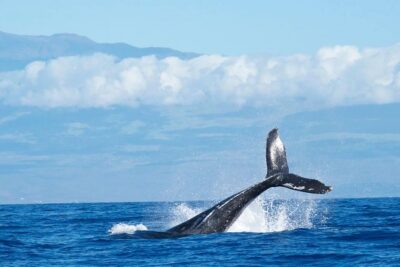
The aim is simple: find humpback whales that have returned to Hawaii after their annual migration from Alaska. You may see a blow first, then a back, fluke, breach, or a mother traveling with her calf. Sometimes the whales remain visible for several surfacings. Sometimes the ocean gives you only a distant glimpse.
That uncertainty is part of the deal. Whales are wild animals, and no crew can promise a sighting. This operator softens the risk with a free rain check if no whale appears, subject to a later available tour. That policy matters because the $99 price buys you time on the water and skilled searching, not a guaranteed animal on cue.
The boat’s size is a useful middle ground. You are not on a giant sightseeing vessel with a large crowd, but you are also not paying for a private charter. With up to 30 people aboard, you should have a reasonable chance to move around and find a clear angle when a whale surfaces.
A few more whale trips around Big Island worth a look
- Whale Watching On The Big Island
★ 5.0 · 573 reviews - Big Island: Pelagic Whale Watch Tour
★ 5.0 · 557 reviews - Zodiac Raft Whale Watching Adventure
★ 5.0 · 456 reviews
Leaving Kailua-Kona for the whale grounds
The first itinerary point is Kailua-Kona, both the meeting area and the coastal base for the trip. You meet at the Iruka Hawaii Dolphin and Manta Tours location, and the activity ends back there after the boat ride.
The early part of the outing gives you a pleasant view of the Kona coast. The mountains and shoreline look different from the water, and the boat ride itself is part of the appeal. One useful detail is that the whale-search area may be only about 20 minutes from the departure point, depending on conditions and the captain’s choice of route.
The crew provides narration and spotting advice as you go. That can change how you watch the sea. Instead of scanning randomly, you learn to look for a blow, a change in the water, a moving back, or a repeated surfacing pattern.
Guides named in the tour’s recent operating crew include Lena, Diego, Mitch, Tamae, Trevor, Maddie, Nick, and Tammi. The exact team can vary, but the pattern is clear: the crew plays an active part in the experience. Captains have stopped whenever whales resurfaced, and guides have kept watch while explaining what you are seeing.
The Kona coast also gives you a helpful visual reference if you are worried about seasickness. One account noted that land remained visible during much of the trip. That will not prevent motion sickness, but it can feel more comfortable than being far offshore with no shore in sight.
Searching the waters around the Island of Hawaii
The second itinerary point is listed as the Island of Hawaii. This is not a separate land stop with time to walk around. It refers to the waters off the island, where the boat searches for whales and other marine life.
The search is not a straight ride to one fixed viewing spot. The captain may move between areas where whales have been seen, then pause and wait. That patience can pay off. Groups of five whales have been observed resurfacing over 45 minutes to an hour, and some trips have counted ten, twelve, fifteen, or even around 20 whales in total.
Those numbers are possibilities, not promises. You could see several whales close to the bow, or you could spend much of the tour watching for a sign. The crew’s rain-check policy is important for exactly this reason.
When the activity is strong, the crew may keep the boat out beyond the scheduled time. That has happened while waiting for a whale to show itself again or while several kinds of wildlife were active. It is a welcome touch, but you should still plan your day around the stated two-hour duration rather than assume every trip will run long.
The open-water setting also creates the main drawback. The boat may encounter rough water, even when the outing remains safe and enjoyable. If you are prone to seasickness, think carefully before booking, and consider asking the operator what preparation they recommend. The supplied information does not state that medication is provided, so do not count on it being available onboard.
What you might see besides humpbacks
Humpback whales are the central reason to book, but the ocean can add surprises. Dolphins have appeared on several outings, including spinner dolphins putting on a lively display. Manta rays and other rays have also been seen.
One particularly unusual outing included a whale shark that came close to the boat. Crew members entered the water with snorkeling equipment to capture underwater video for a research group, then shared the footage with people onboard. That is an extraordinary possibility, but it is not a scheduled part of the tour and should not be treated as something you will receive every time.
The crew has also followed other marine life without letting it take over the trip. On one early-season outing, the guides gave the group time to look for rare animals, but continued the whale search rather than ending the main purpose of the tour. The group eventually saw a humpback.
This is the right way to think about wildlife variety here. Dolphins, whale sharks, manta rays, and rays are welcome bonuses. You are paying for a whale-searching boat trip, not a fixed menu of animals.
Same water, a different way to meet the whales:
- Whale Watch Excursion from the Big Island
★ 4.5 · 263 reviews - Wake Up With the Whales Cruise on Seasmoke
★ 5.0 · 159 reviews - Waikoloa Deluxe Whale Watch
★ 4.5 · 124 reviews - Humpback Whale and Dolphin Watch in Kona
★ 4.5 · 62 reviews
The hydrophone makes the whales feel closer
A hydrophone is one of the most memorable details connected with this trip. The crew can lower a listening device into the water, allowing you to hear whale sounds below the surface.
That changes the mood onboard. A whale seen at a distance can feel brief and visual. Hearing its calls adds another sense and helps you understand that the animal is present even when it has disappeared below the boat.
The timing depends on the whales and the crew’s equipment, so it is not a guaranteed feature on every departure. Still, it is worth asking about when you board. Guides have also shared underwater GoPro footage on some outings, including footage gathered during an encounter with a whale shark.
The crew sets the tone
The crew receives especially strong praise for its energy, humor, and care. Names that come up often include Lena, Diego, Mitch, Tamae, Trevor, Maddie, and Nick, though your crew may be different.
Lena has served as captain on outings where she chose good viewing areas, played music, and kept the mood relaxed. Diego has been described as funny and full of useful facts. Other crew members have helped with spotting, narration, video, and keeping an eye on wildlife.
That mix matters on a short tour. Two hours can feel long if nobody explains what you are looking at. It can feel quick when the captain is alert, the guide keeps the group informed, and everyone on the boat reacts together when a whale surfaces.
The crew also seems attentive to different abilities. One outing included an 85-year-old passenger, and the staff treated her with patience and kindness. Most people can participate, and service animals are allowed. The tour is near public transportation, though the supplied details do not specify exact transit routes or parking arrangements.
Snacks, water, shade, and the restroom question
The $99 fare includes snacks and bottled water. That is useful on a two-hour trip, especially when you are outside in sun and wind, but do not mistake the snacks for a meal. Eat before departure if you need something substantial.
The boat has some shade, according to the information provided by people who have been aboard. You should still prepare for changing exposure to sun and spray. Kona’s coast can look calm from land while the boat feels much more active once it is underway.
There is a small inconsistency about the bathroom. The tour details state that a bathroom is onboard, but one account specifically said the boat did not have a restroom. If that facility is important to you, confirm its current status with Iruka Hawaii Dolphin before you pay.
The activity is offered in English, and the ticket is mobile, which keeps arrival simple. Confirmation is sent within 48 hours of booking, subject to availability.
Is $99 a fair price?
At $99 per person, this is not the cheapest way to see the Kona coast, but the price is reasonable for a two-hour wildlife boat with a 30-person limit, crew narration, snacks, water, and a free return option if no whale is spotted.
The strongest value comes from the crew’s effort. They do not simply drive to one area and wait. They search, stop when whales resurface, explain behavior, and sometimes extend the outing when the water is active. That gives the fare more weight than a basic sightseeing cruise.
The value is weaker if you mainly want a guaranteed photo. No wildlife tour can promise that, and even a busy whale day may produce distant animals or short appearances. Book this for the full experience of searching the coast, hearing the ocean, and sharing the sudden excitement of a breach or calf sighting.
The 30-person limit also matters. You are paying for a shared experience, but not for a huge boat with hundreds of people. That smaller scale can make it easier to hear the guides and move to a good viewing position.
Timing, weather, and cancellation rules
The tour lasts about two hours and ends where it begins. Free cancellation is available when you cancel at least 24 hours before the local start time.
Cancellations made within 24 hours are not refunded, and changes inside that window are not accepted. The operator may cancel because of poor weather or because the minimum number of participants is not reached. In those cases, you are offered another date or activity, or a full refund.
Because the trip depends on sea conditions, keep some flexibility in your schedule if possible. A weather cancellation is not a sign that the trip is poorly run. It is a sensible response to conditions on open water.
The tour is booked, on average, 19 days ahead. That suggests you should reserve early if your Kona dates are fixed, especially during the part of the year when humpbacks are present.
Who will enjoy this most?
I would choose this trip for couples, families, solo visitors, and friends who want a short wildlife outing rather than a full-day cruise. It suits people who enjoy learning while they watch and who can accept that nature sets the schedule.
Families can appreciate the snacks, short duration, and steady narration. Older passengers may also enjoy the manageable length, though rough water remains a concern. Anyone with strong motion sensitivity should weigh that carefully before booking.
This is less suitable if you need a guaranteed whale encounter, a fully calm ride, or a formal meal. It is also not the right choice if you want to spend the day snorkeling, since the main activity is searching from the boat and any crew water entry is an unusual event, not part of the standard plan.
Should you book the Kibou whale trip?
Book it if you want a smaller Kona boat, an active crew, and a real chance to see humpbacks, dolphins, and other marine life in one outing. The hydrophone, the free whale-sighting rain check, and the crew’s willingness to keep searching add real value.
I would also book it if you can leave room in your schedule for weather or a return visit. Just prepare for motion, confirm the restroom situation, and remember that a great wildlife trip is measured by the quality of the search as much as by the number of whales.
FAQ
Where does the whale-watching tour depart?
It departs from Iruka Hawai‘i Dolphin and Manta Tours at 74-380 Kealakehe Parkway, Kailua-Kona, Hawaii 96740.
Where does the tour finish?
The activity ends back at the meeting point in Kailua-Kona.
How long does the tour last?
The tour lasts approximately two hours.
How many people can join the boat trip?
The tour has a maximum of 30 travelers aboard the Kibou.
What animals might I see?
The main target is seasonal humpback whales. Dolphins, manta rays, rays, and whale sharks have also been seen, but sightings of any wild animal are not guaranteed.
Are whale sightings guaranteed?
No. Whales are wild animals, so a sighting cannot be promised. If no whale is seen, you are offered a free return trip on the next available tour.
What is included in the price?
Snacks, bottled water, and an onboard bathroom are listed as included. Because one account reported no restroom, confirm that detail with the operator before booking if it matters to you.
Is the tour offered in English?
Yes. The tour is offered in English.
Are service animals allowed?
Yes. Service animals are allowed.
What happens if bad weather cancels the tour?
You are offered a different date or activity, or a full refund, if the operator cancels because of poor weather.
Just added around Big Island
- Sunset Cruise with the Whales on our Power Catamaran★ 5.0 · 2 reviews
- Small Group Whale Watching in Kona Hawaii★ 5.0 · 5 reviews
- Sunset Cruise with the Whales on our Sailing Catamaran★ 5.0 · 48 reviews
- Waikoloa Deluxe Whale Watch★ 4.5 · 124 reviews
- Whale Watching on Big island★ 4.5 · 19 reviews
- Wake Up With the Whales Cruise on Seasmoke★ 5.0 · 159 reviews
- Royal Humpback Whale Exploration★ 5.0 · 9 reviews
- Sunset Whale Watching Shared Activity★ 4.5 · 5 reviews
Big Island Whale Watching Tours, compared.
Browse the lists this tour appears in