
Review · BIG ISLAND
Big Island: Pelagic Whale Watch Tour
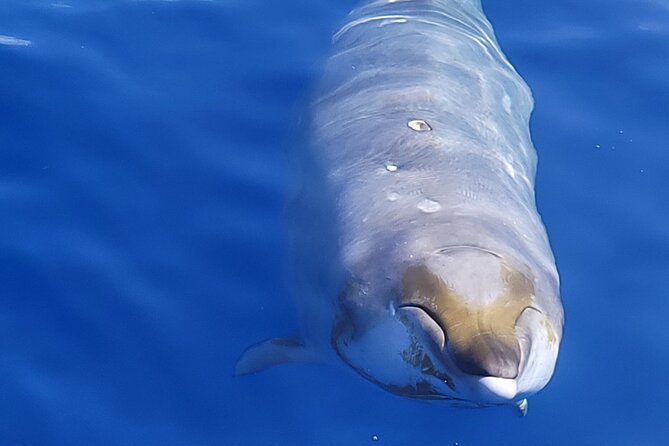
Kona’s best surprise is how quickly this tour can move from coastal waters into the pelagic zone, where the sea drops to thousands of feet. That wider search area gives you a real chance at pilot whales, beaked whales, sperm whales, whale sharks, and several dolphin species, not just the humpbacks people expect in winter.
I like two things right away: the open 360-degree viewing from the 46-foot catamaran Artemis, and the marine naturalists who explain what you are seeing. Guides such as Andrew and Olivia have earned special praise for making animal behavior easier to understand, from spinner dolphins riding the bow to whales raising their eyes above the surface.
The catch is simple: wild animals do not follow a schedule. You could see humpbacks, dolphins, sharks, and flying fish in one morning, or spend three hours searching with little to show for it. The ride can also feel choppy, so take seasickness seriously.
Key points to know before booking
- The boat reaches pelagic waters: Offshore certification lets the crew search far beyond the immediate coast for species rarely seen on standard coastal trips.
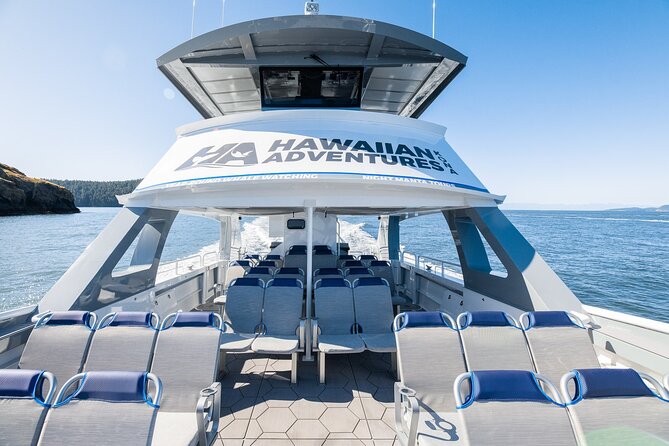
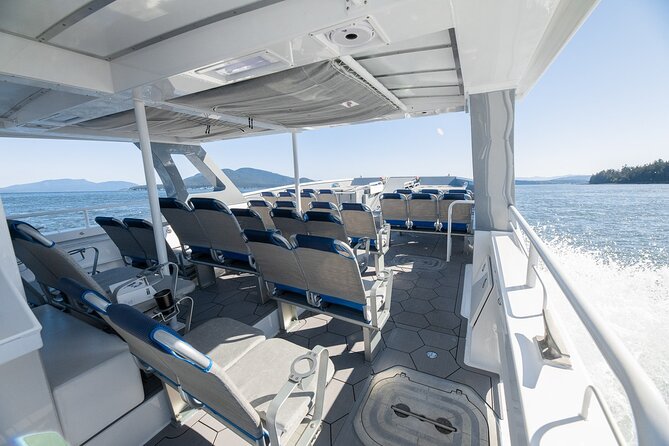
- The 46-foot Artemis is built for viewing: Padded seating, handholds, shaded and sunny areas, and open sightlines help you keep watch from many spots.
- Winter brings humpbacks: Humpback sightings are strongest in the winter season, but Kona also has year-round pilot whales, dolphins, sharks, and other marine life.
- The guides are a major part of the experience: Andrew, Olivia, Dennis, and other naturalists add useful context about migration, feeding, behavior, and local sites.
- The tour lasts 3 to 4 hours: That longer outing gives the crew time to search both nearshore and offshore zones.
- The wildlife is never guaranteed: A no-sighting day can happen. The company says it offers a return trip at 50 percent off if no whales or dolphins are seen.
Why Kona is such a strong whale-watching base
Kona has a useful combination of calm coastal water, steep underwater drop-offs, and varied marine life. The shore can fall away into very deep water not far from land, so a boat does not need to spend the whole morning traveling to reach open-ocean habitat.
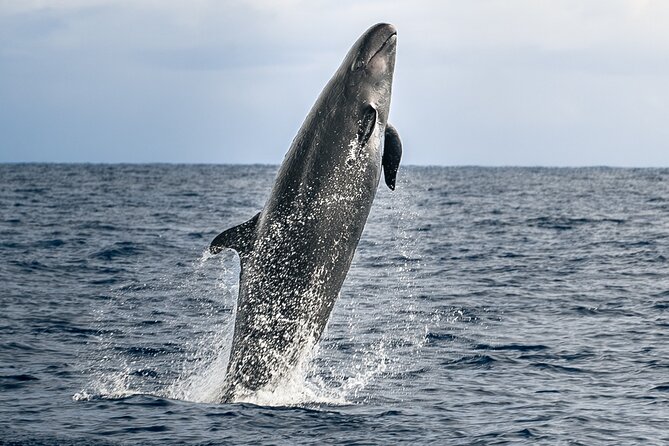
That geography shapes this tour. Nearshore waters may produce humpbacks in winter, spinner dolphins, bottlenose dolphins, manta rays, and flying fish. Farther out, the crew can search for short-finned pilot whales, beaked whales, sperm whales, spotted dolphins, whale sharks, and oceanic white tip sharks.
I like this broader approach because it makes the trip more than a single-species hunt. If humpbacks are quiet, a pod of spinner dolphins may become the highlight. If dolphins stay out of sight, pilot whales, sharks, or flying fish may still make the morning worthwhile.
The advertised list includes more than a dozen whale and dolphin species, but that does not mean you will see all of them. Treat the list as a picture of what can live in these waters, not a promised checklist.
A few more whale trips around Big Island worth a look
- Whale Watching On The Big Island
★ 5.0 · 573 reviews - Zodiac Raft Whale Watching Adventure
★ 5.0 · 456 reviews - Whale Watch Excursion from the Big Island
★ 4.5 · 263 reviews
Leaving Honokohau Harbor at 8:30 a.m.
The meeting point is at 275 Kealakehe Parkway in Kailua-Kona, at Honokohau Harbor. The tour starts at 8:30 a.m. and returns to the same place, with no hotel transportation included.
That morning departure is useful for anyone arranging a full day around the excursion. You can spend the afternoon along the Kona coast or back at your hotel. It also gives you daylight for coastline views as the boat moves between search areas.
From the harbor, you can expect the crew to begin scanning the nearshore zone before ranging farther out. The actual order depends on ocean conditions and animal movement, so this is not a fixed sightseeing route with timed stops.
The harbor area has free parking according to one onboard account, though parking details can change. I would still allow extra time to find the vessel, park, and check in without rushing. The booking confirmation arrives at the time of purchase.
Nearshore waters: dolphins, humpbacks, rays, and flying fish
The first part of the search may stay close to the Kona coast. This area offers attractive views back toward the Big Island and the possibility of seeing several species without going far offshore.
Spinner dolphins are among the most entertaining sightings. They may leap, spin, or travel near the bow. Bottlenose dolphins and pantropical spotted dolphins also appear in the area, and the exact species can change from one outing to the next.
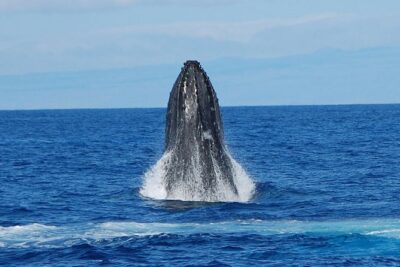
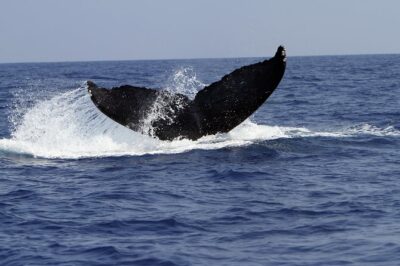
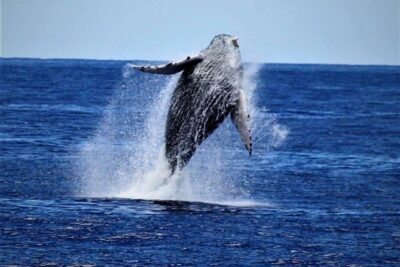
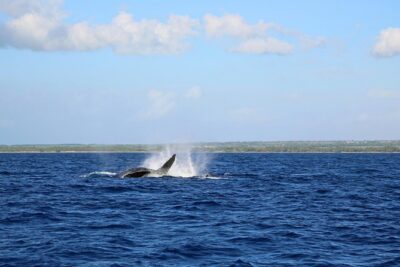
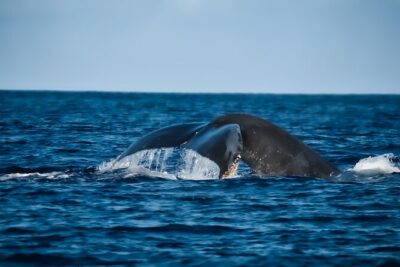
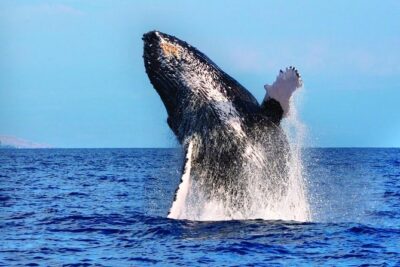
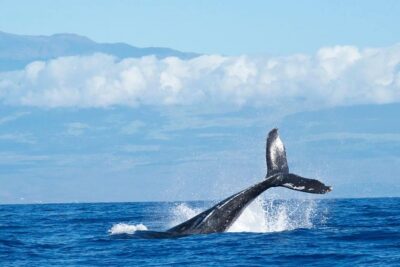
Humpbacks are the main seasonal draw. During winter, they visit Hawaiian waters, and the crew may find them surprisingly close to shore. Sightings can range from brief blows and backs at the surface to more dramatic behavior such as breaching, chin slaps, spyhops, and close passes beneath the boat.
The coastal zone can also produce manta rays and flying fish. Those may sound like minor additions beside whales, but they help turn the outing into a broader look at Kona’s marine life. A school of flying fish skimming across the water is a quick sight, yet it can be one of the morning’s memorable details.
One important point: humpbacks are not restricted to deep water here. Some outings have found them in water only 50 to 200 feet deep, close to the coast. That is good news for anyone hoping to see whales without spending the whole trip in open ocean.
The pelagic search: where the unusual sightings happen
The tour’s strongest feature is its ability to reach the pelagic zone. The operator holds United States Coast Guard offshore certification, which allows the Artemis to travel into waters thousands of feet deep.
This is where the species list gets more unusual. Short-finned pilot whales are a common year-round possibility, and several outings have encountered multiple pods. These large, social whales may surface together, vocalize, roll, or approach the boat to inspect it.
The offshore area can also produce Cuvier’s beaked whales, sperm whales, spotted dolphins, and oceanic white tip sharks. Whale sharks and scalloped hammerhead sharks are much less common, but they have appeared on individual outings. You should think of these as fortunate possibilities, not expected sightings.
The wider range matters because the crew has more water to search. A 3 to 4 hour tour provides time to work both coastal and offshore areas rather than making a quick run to one known location and returning.
The drawback is motion. The farther offshore you go, the more likely you are to feel ocean swell. Even though Kona is known for relatively calm waters, the boat can still move enough to cause nausea or leave you tired from bracing yourself.
Same water, a different way to meet the whales:
- Wake Up With the Whales Cruise on Seasmoke
★ 5.0 · 159 reviews - Whale Watching Tour – Big Island, Hawaii
★ 5.0 · 148 reviews - Waikoloa Deluxe Whale Watch
★ 4.5 · 124 reviews - Humpback Whale and Dolphin Watch in Kona
★ 4.5 · 62 reviews
The Artemis catamaran and its viewing setup
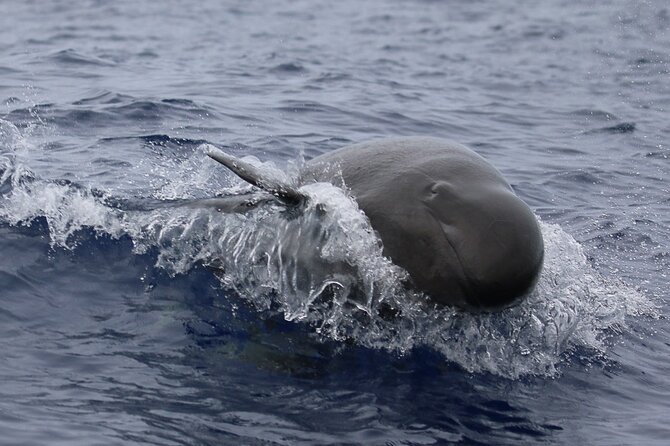
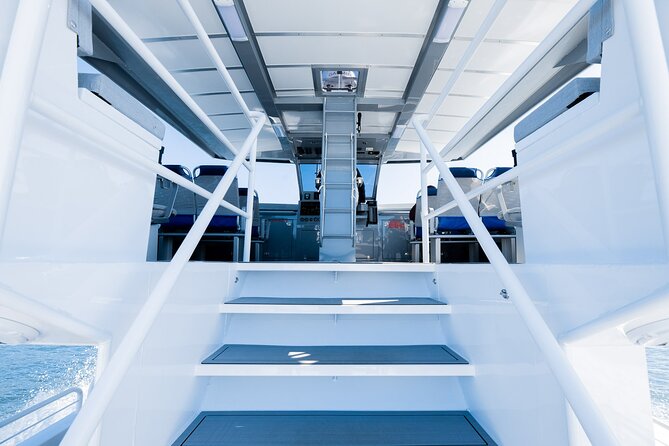
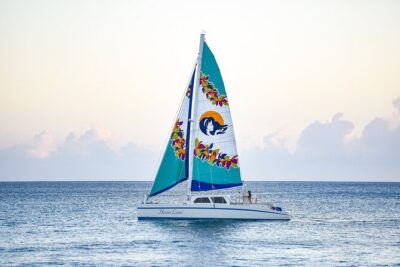
The vessel is the 46-foot catamaran Artemis. Its two-hull design helps it move through larger swells with more stability than a single-hull boat, though no boat can remove all motion from the sea.
The setup is designed for wildlife watching rather than a formal seated presentation. You get padded seating, soft foam flooring, surround railings, and handholds. There are shaded areas and full-sun areas, so you can adjust as the morning changes.
The open design gives you viewing chances from many positions. This matters because wildlife may surface on either side, behind the boat, or ahead of the bow. You are not limited to one forward-facing row of seats.
There is one practical weakness. On a busy boat, people may move toward the front or stand in the best viewing spots. The vessel has open sightlines, but your view can still be blocked if someone ignores the space around other passengers. It is worth moving around when safe and listening to crew instructions.
The maximum group size is 42 people. That is not an intimate private charter, but the boat’s size and open layout keep it from feeling like a packed small craft. You also get more room than you would on a narrow rigid inflatable boat.
Cold soft drinks and bottled water are included. That is a small touch, but welcome during a long morning in the sun. You should still bring any personal medication and sun protection you need.
The guides turn sightings into an education
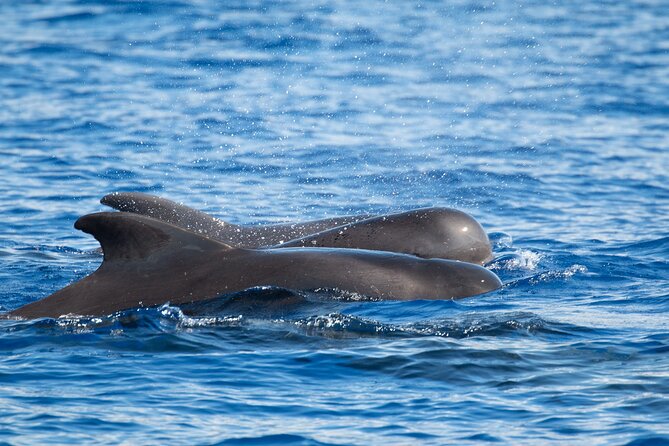
The crew is one of the most praised parts of this experience. A good whale watch depends on spotting animals, but a strong naturalist helps you understand what happens after the sighting.
Andrew and Olivia have been singled out for their clear explanations and friendly manner. Dennis has also received praise for adding depth to the trip. The crew discusses whale migration, food, purpose, behavior, and the role different animals play in the ocean.
That information makes a difference during a brief sighting. A whale that simply surfaces and disappears becomes more interesting when you understand why it may be spyhopping, vocalizing, traveling with a pod, or checking the boat.
The commentary is not limited to animals. The crew may point out coastal sites and local operations such as fish farms and a seahorse farm. You also get a different view of the Kona coastline from the water, which adds a useful geographic layer to your visit.
The best guides also keep safety in view. The crew works around the animals rather than chasing them aggressively, and the explanations help you appreciate why a respectful distance matters. That approach suits anyone who wants wildlife encounters without turning the ocean into a performance stage.
What the 3 to 4 hours feel like
This is not a quick harbor cruise. The length gives the captain and naturalist time to scan a broad area, change direction, and wait for useful sightings.
A typical morning may include the departure from Honokohau Harbor, coastal scanning, a longer run toward offshore water, and a return along the coast. The exact pattern changes with weather, sea conditions, and reports of animal activity.
You may spend stretches simply watching the water. That is part of the experience, not wasted time. Whales and dolphins surface unpredictably, and constant scanning is how the crew finds them.
When animals appear, the pace can change quickly. A pod of dolphins may travel beside the boat for several minutes. Pilot whales may surface together. A humpback may give you one breach and then vanish for several minutes.
The long duration improves your odds, but it also asks more from you physically. If you get bored during quiet periods, this may feel slow. If you enjoy open water, changing views, and the anticipation of a sudden sighting, the time works in your favor.
Wildlife success, uncertainty, and the no-sighting policy
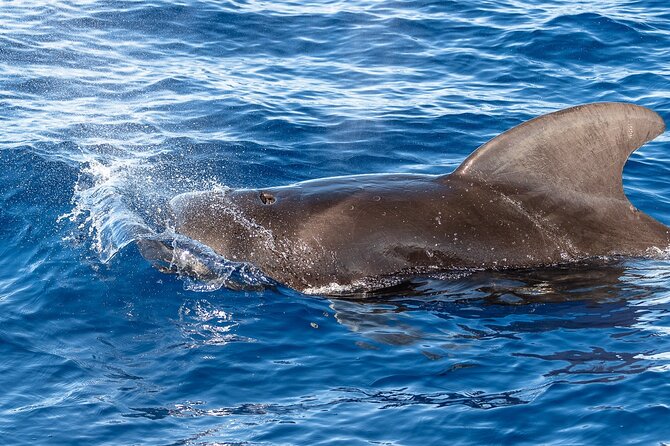
The experience carries a 4.9 rating from 557 reviews, with 97 percent recommending it. Those numbers point to a consistently strong operation, especially in crew service and education, but they do not change the basic rule of wildlife watching: no sighting can be promised on a particular morning.
Most outings described in the supplied material had at least one memorable species. Some included spinner dolphins, bottlenose dolphins, pantropical spotted dolphins, short-finned pilot whales, humpbacks, sperm whales, sharks, and flying fish. One outing even combined a whale shark with pilot whales.
A few outings had a different result. One person saw pilot whales but no dolphins and found the ride fast and choppy. Another saw no whales or dolphins at all, though the crew still helped with seasickness and kept the trip informative.
That honesty matters when you decide how to spend your money. The company states that if you see no whales or dolphins, you may return on another trip for 50 percent off. This is not the same as seeing the animals on your scheduled tour, so I would treat it as a partial safety net rather than a guarantee.
Is $129 a good value?
At $129 per person, this is not a budget harbor ride. You are paying for a 3 to 4 hour offshore-capable vessel, a professional crew, onboard naturalist commentary, soft drinks, water, and access to both nearshore and pelagic search areas.
I think the price makes more sense if you value the search area and the naturalist as much as the chance of a dramatic breach. The pelagic certification is a meaningful difference from a short coastal cruise, and the longer duration gives the crew more time to look for animals.
The value is strongest for visitors with only one whale-watching morning available. You get a broad species range and a serious search effort in one outing. It is also a good fit for repeat visitors who have already done a basic coastal cruise and want a wider look at Kona’s marine life.
The value is weaker if your only goal is a guaranteed humpback show. A winter trip improves your odds, but even then you may see only brief activity, or the whales may stay out of sight.
Motion sickness, age limits, and who should book
The operator does not recommend this activity for children under 10. Most other passengers can participate, and service animals are allowed. The meeting point is near public transportation, but hotel pickup and drop-off are not provided.
Motion sickness deserves more attention than the short list of amenities might suggest. Several accounts praise the crew for helping people who felt sick, but the crew cannot control ocean conditions. If you are prone to seasickness, take your usual remedy before departure rather than waiting until the boat is already offshore.
I would book this for adults, older children who meet the age requirement, couples, families with strong ocean interest, and anyone who wants informed wildlife watching rather than a quick photo stop. I would be more cautious if you dislike boat motion, need a guaranteed attraction, or want a very quiet and private outing.
The tour is offered in English. You should also expect the full group size, up to 42 people, rather than a private experience.
Cancellation details and timing
You can cancel at least 24 hours before the 8:30 a.m. start time for a full refund. Changes or cancellations made inside that window are not accepted for a refund.
The trip depends on good weather and a minimum number of participants. If the operator cancels for either reason, you can choose another date or experience, or receive a full refund.
Because the excursion returns to its departure point, it is easy to pair with other Kona plans later in the day. I would avoid scheduling a must-not-miss activity immediately afterward, though, since the return time is approximate and sea conditions can affect the duration.
Should you book the Big Island Pelagic Whale Watch?
I would book it if you want one of Kona’s more serious wildlife outings, especially from December through the humpback season. The combination of an offshore-capable catamaran, a 3 to 4 hour search, and strong naturalist commentary gives you more substance than a short sightseeing cruise.
Book with realistic expectations. You might watch spinner dolphins leap beside the bow, see pilot whales vocalizing at the surface, or witness a humpback breach. You might also spend much of the morning searching in rolling water and return with only distant glimpses.
For the best chance at a satisfying day, choose a morning when you can handle the full time on the water, prepare for motion sickness, and value the search itself. At $129, it is a fair buy for broad wildlife access and an informed crew, but not for anyone who needs a guaranteed whale or dolphin encounter.
FAQ
Where does the Pelagic Whale Watch Tour leave from?
The tour leaves from 275 Kealakehe Parkway in Kailua-Kona, at Honokohau Harbor.
What time does the tour start?
The tour starts at 8:30 a.m.
How long does the whale-watching tour last?
The outing lasts approximately 3 to 4 hours.
Where does the tour end?
It returns to the same meeting point at Honokohau Harbor.
What animals might I see?
Possible sightings include humpback whales, short-finned pilot whales, beaked whales, sperm whales, spinner dolphins, bottlenose dolphins, spotted dolphins, manta rays, whale sharks, sharks, and flying fish.
Can I see whales all year?
Kona has several year-round whale species, including short-finned pilot whales. Humpback whales are associated with the winter season.
Does the tour guarantee whales or dolphins?
Wildlife sightings are not guaranteed on a specific outing. The company states that if you see no whales or dolphins, you may join another trip for 50 percent off.
What is included in the price?
The price includes the whale-watching tour, professional crew, soft drinks, and bottled water.
Is hotel pickup included?
No. Hotel pickup and drop-off are not included, so you need to reach the Honokohau Harbor meeting point yourself.
Is the tour suitable for children?
The activity is not appropriate for children under 10. Most other participants can take part, and service animals are allowed.
How many people can join the tour?
The maximum group size is 42 travelers.
What happens if weather cancels the tour?
If poor weather cancels the trip, you can choose another date or experience, or receive a full refund.
Just added around Big Island
- Sunset Cruise with the Whales on our Power Catamaran★ 5.0 · 2 reviews
- Small Group Whale Watching in Kona Hawaii★ 5.0 · 5 reviews
- Sunset Cruise with the Whales on our Sailing Catamaran★ 5.0 · 48 reviews
- Waikoloa Deluxe Whale Watch★ 4.5 · 124 reviews
- Whale Watching on Big island★ 4.5 · 19 reviews
- Wake Up With the Whales Cruise on Seasmoke★ 5.0 · 159 reviews
- Royal Humpback Whale Exploration★ 5.0 · 9 reviews
- Sunset Whale Watching Shared Activity★ 4.5 · 5 reviews
Big Island Whale Watching Tours, compared.
Browse the lists this tour appears in