
Review · AUSTRALIA
Albany’s Whale Story
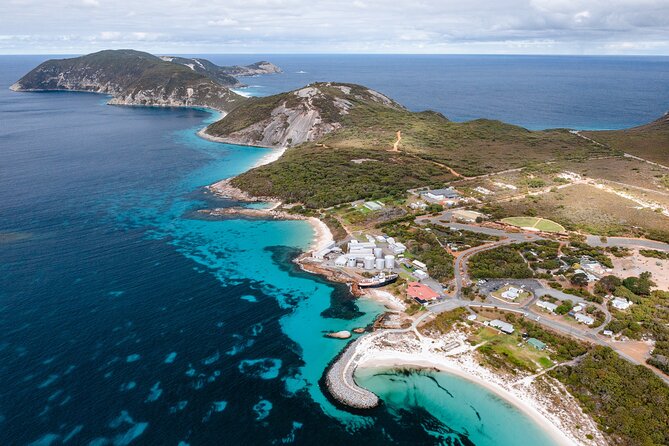
Albany’s old whaling station gives this tour its emotional punch. At Discovery Bay, you can walk through the former industry, climb aboard the Cheynes IV whale chaser, study enormous whale skeletons, and see how whaling shaped the young community around Albany. The story is not polished or comfortable, which is exactly why it matters.
I like the small maximum group of 11, which leaves room for questions and makes the 30-minute drive from central Albany feel more personal. I also like the pairing of the station with The Gap, Natural Bridge, and Misery Beach, so you get both difficult history and powerful Southern Ocean scenery in one morning.
The main drawback is time. Two hours at the whaling station is useful, but the collection is substantial, and you may want longer. Misery Beach is only a short stop, and the open coastal platforms can be cool, so bring layers and good walking shoes.
Key points to know before you book
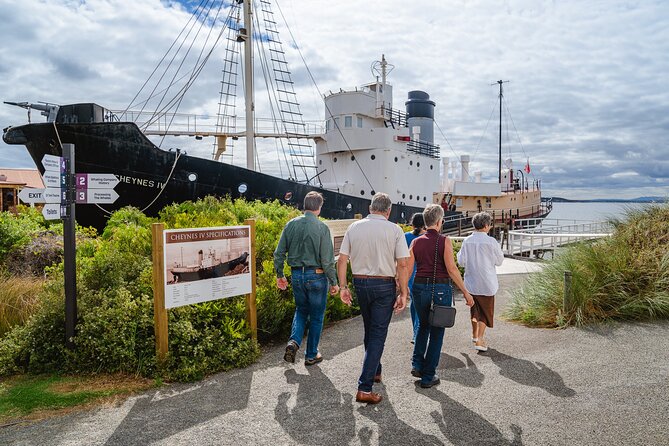
- The Cheynes IV is the centerpiece: You can climb over and through the former whale chaser rather than viewing it from behind a barrier.
- The tour puts whaling in local context: Your guide explains how the industry helped Albany grow and why the station’s closure affected the community.
- The Gap adds serious coastal drama: A platform reaches over the granite coast, giving you a close view of the Southern Ocean’s force.
- Morning tea is part of the experience: Tea or coffee with scones, jam, cream, and cake is served overlooking the ocean.
- The group stays small: The vehicle carries no more than 11 people, with hotel pickup and drop-off in Albany.
- Misery Beach has an unsettling story: The beach is beautiful, but its connection to whaling is grim rather than postcard sweet.
Why Albany’s whaling station is worth your morning
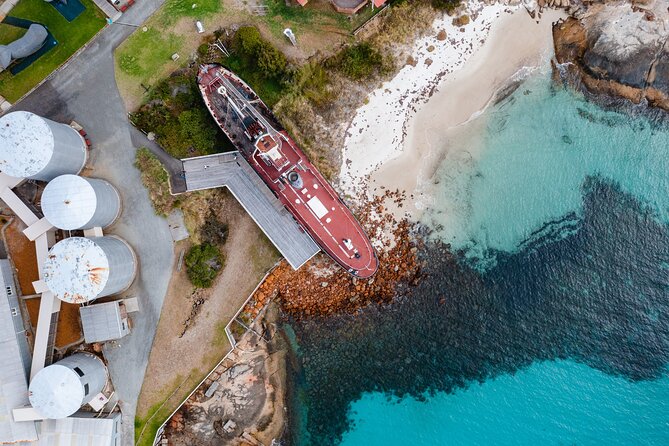
Albany’s Historic Whaling Station is more than a museum about whales. It presents the full working operation of a former whaling base, including the vessels, equipment, films, displays, and remains that explain what happened here.
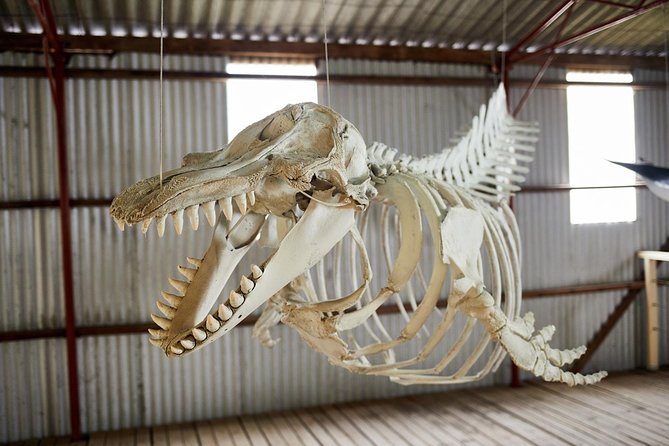
That matters because whaling can become an abstract topic. At Discovery Bay, the subject becomes physical. You see the size of a whale’s skeleton, stand on the deck of a whale chaser, and look at the machinery and spaces linked to the work.
The station was the last operating whaling station in Australia. Its closure brought an important local industry to an end, and the site now preserves that chapter rather than pretending it never happened. I appreciate that direct approach. You are not being asked to admire whaling, but to understand its place in Albany’s past and the cost of that industry.
The experience is especially useful if you want more than scenic lookouts. Albany has spectacular coastlines, but this tour adds the human decisions, jobs, economic pressures, and hard memories behind the scenery.
A few more whale trips around Australia worth a look
- Sydney: Whale Watching Adventure Cruise
★ 4.2 · 1,790 reviews - Brisbane Whale Watching Cruise from Redcliffe or Sunshine Coast
★ 5.0 · 997 reviews - Freedom 3/4 Day Hervey Bay Premium Whale Watching Cruise
★ 5.0 · 919 reviews
The 30-minute ride from Albany sets the scene
The day begins at 9:00 am from the Albany Visitor Centre on York Street. Pickup and drop-off are provided in Albany, which saves you from arranging a separate drive to Discovery Bay.
The ride to the station takes about 30 minutes from central Albany. That is not a long transfer, and it gives the guide time to explain the area before you arrive. Local guides such as Joy have provided much of the commentary, and the drive is used to connect the whaling station with Albany’s development.
One account of the experience describes pickup at the port for people arriving on a cruise ship. That makes the tour a practical choice if you have limited time in Albany and need to return to the port area after the outing. The published meeting point is the Albany Visitor Centre, so confirm the pickup arrangement when booking if you are staying elsewhere or arriving by ship.
The small vehicle matters here. With no more than 11 people, the ride should feel less like a large coach transfer and more like an outing with a local driver and guide. It also gives you a better chance to ask about the places you pass.
Torndirrup National Park: 25 minutes above the Southern Ocean
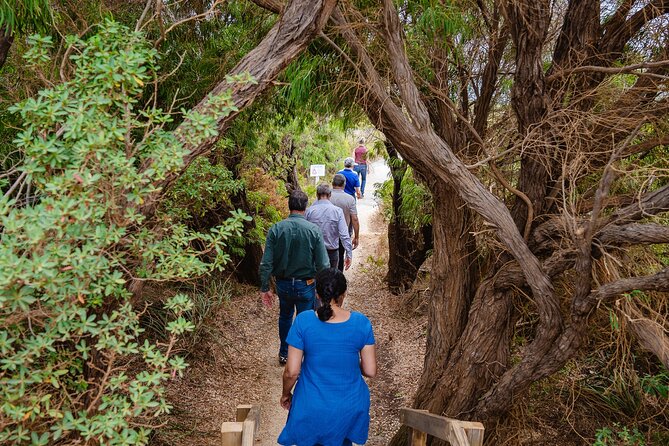
The first stop is Torndirrup National Park, where you visit The Gap and Natural Bridge. This is a short stop, but it brings you straight to the wild coast.
At The Gap, a platform reaches out over the granite shoreline. Below, the Southern Ocean pushes into the cliffs and channels. The point is not a gentle beach view. You come here to feel the force of the water and see how exposed the coast is.
Natural Bridge adds another view of the rock formations and breaking surf. The stop lasts about 25 minutes, with admission included. That gives you enough time to look from the platform and take photographs, but not enough for an extended walk through the park.
You should wear shoes with a good grip and bring an extra layer. The coast can feel cooler than Albany, especially with wind coming off the water. The platforms make the main viewpoints accessible to most people, but this remains a rugged coastal setting, not a flat garden path.
I like having this stop before the whaling station. It gives you a physical sense of the ocean that made Albany’s whaling industry possible, and it keeps the morning from becoming a museum visit alone.
Inside the station, the story becomes physical
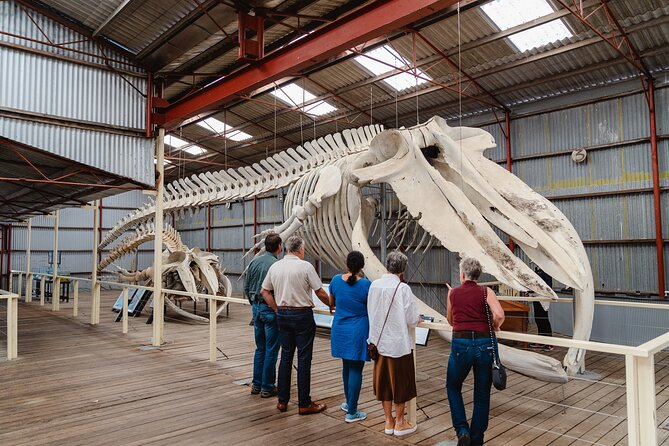
You spend about two hours at Albany’s Historic Whaling Station, including a fully guided visit and time to look around. That is the heart of the tour.
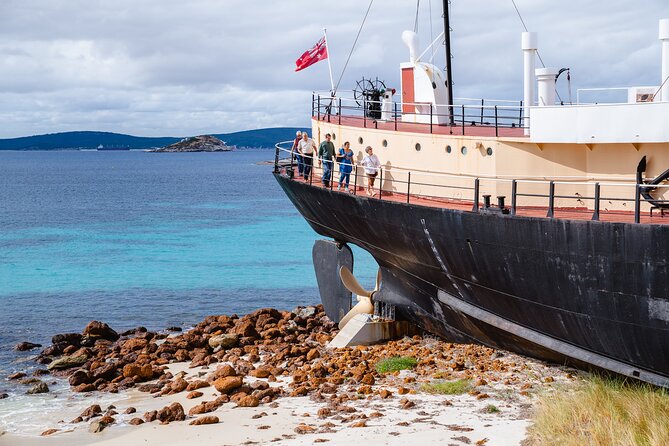
The most memorable feature is the Cheynes IV, a former whale chaser that you can climb over and into. Its size and working layout help explain the practical side of the industry in a way that a written display cannot. The vessel is not simply a prop for photographs. It helps you picture the people, equipment, and dangerous work involved.
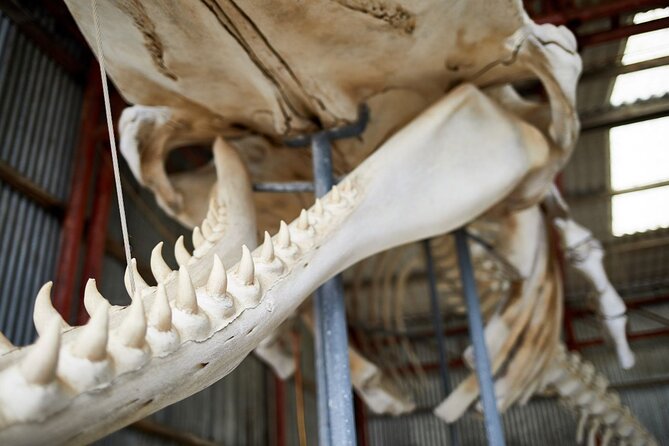
The station also has artifact galleries and enormous whale skeletons. These displays show the scale of the animals and give the subject a physical weight. A whale skeleton is difficult to ignore. It shifts the story away from ships and machinery and back to the creatures at the center of the operation.
Films and guided explanations add another layer. The presentation covers how the industry operated, why it mattered to Albany’s emerging community, and why the station’s closure felt so significant locally. I would pay close attention during the guided portion, then use the free time to return to the parts that interest you most.
The attraction is large enough that two hours can pass quickly. If you are fascinated by maritime history, industrial history, or conservation, you may wish the visit were longer. Still, the guided format helps you use the time well, especially if you are visiting Albany on a short schedule.
Some people may find the subject confronting. That is not a flaw, but it is worth knowing before you go. This is not a light animal encounter or a cheerful marine-life outing. It deals with a working industry that involved killing whales, and it presents that past in a fairly direct way.
Same water, a different way to meet the whales:
- Swim with Whale Sharks in the Ningaloo Reef: 3 Island Shark Dive
★ 5.0 · 919 reviews - Whale Watching Tour with Spirit of Gold Coast
★ 4.5 · 884 reviews - Sydney Whale-Watching Cruise Including Lunch or Breakfast
★ 4.5 · 878 reviews - Sydney: 2-hour Express Whale Watching Cruise
★ 4.2 · 756 reviews
Tea, scones, and a useful pause
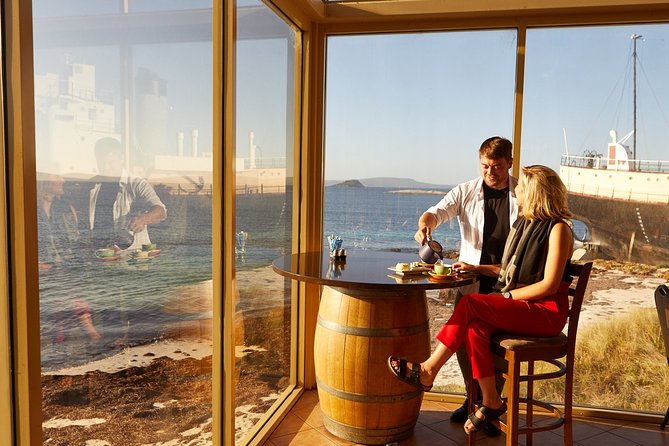
Morning or afternoon tea is included, depending on the timing of your departure. You receive tea or coffee with scones, jam, cream, and cake while looking out toward the ocean.
This is a small touch, but it improves the rhythm of the visit. The station covers heavy material, and a seated pause gives you time to process what you have seen. The ocean view also places the discussion back in the setting that shaped the industry.
If you have dietary needs, state them when booking. Vegetarian food is available, and specific dietary requirements should be provided in advance. Do not wait until the morning of the tour if you need something different.
The refreshment stop is not a full meal, so have breakfast before the 9:00 am start. The included tea and scones work best as a mid-morning break rather than a substitute for lunch.
Misery Beach looks beautiful, but the name is not decorative
The final stop is Misery Beach, one of Australia’s highly regarded beaches. You get about 15 minutes here, with no separate admission charge.
The short visit works as a final contrast. After the machinery and galleries at the station, you see a broad coastal setting that appears peaceful. The guide also explains the beach’s grim connection to whaling on the south coast of Western Australia.
That contrast is important. It is easy to admire Albany’s coast without thinking about the work once carried out around it. Misery Beach ties the natural setting to the human story one more time.
Do not expect a long beach walk or swimming stop. Fifteen minutes is enough to look around, hear the explanation, and take in the view. It is not enough for a relaxed afternoon at the shore. The beach can also feel cooler, so layers are sensible even on a mild Albany day.
What the $121.21 price includes
At $121.21 per person, the tour is not the cheapest way to reach the whaling station. Its value comes from what is bundled together.
Your price includes transport from Albany, a driver-guide, entry to Albany’s Historic Whaling Station, the guided station visit, and tea or coffee with scones and cake. You also receive stops at Torndirrup National Park and Misery Beach without having to organize the route yourself.
A self-drive visit could give you more time at the station, but you would need to arrange the car, pay for entry separately, and handle the driving between Albany, Discovery Bay, Torndirrup National Park, and Misery Beach. You would also miss the local commentary during the transfer.
The tour makes the strongest financial sense if you do not have a car, have only one morning in Albany, or prefer a guide to explain the connections between the places. If you already have a vehicle and want to spend half a day at your own pace, independent travel may suit you better.
The small group adds value. A maximum of 11 people is a useful middle ground: more personal than a large coach, but not as costly as a private outing.
Who will get the most from this experience
I would recommend this tour to you if you want Albany’s scenery and history in the same outing. It suits people interested in maritime stories, industrial heritage, local communities, and the changing way Australia understands its whaling past.
Families can enjoy the physical parts, especially climbing aboard the whale chaser and seeing the skeletons. Children must be accompanied by an adult, and most people can take part, but parents should decide if the subject is suitable for their children.
It also works well for cruise ship visitors and anyone with limited time in Albany. The three-and-a-half-hour duration leaves part of the day free, while the pickup and return arrangement makes the morning easier to manage.
You should think twice if you want a relaxed beach tour, a wildlife encounter, or a long national park walk. The coast is included, but the main purpose is the whaling station and its history.
Service animals are allowed. Wear suitable walking shoes, dress in layers, and mention vegetarian needs or other dietary requirements when booking.
A few practical limits to keep in mind
The tour requires at least two people per booking. It can also be canceled if the minimum number is not met, in which case you are offered another date or experience, or a full refund.
Free cancellation is available up to 24 hours before the start time. Cancellations or changes made inside that window are not refunded or accepted, so keep the local cutoff time in mind.
The experience is offered with a mobile ticket, and confirmation is provided when you book. The published start point is the Albany Visitor Centre, with the activity ending back at the meeting point.
The schedule is fairly tight. Torndirrup National Park receives 25 minutes, the whaling station about two hours, and Misery Beach 15 minutes. That balance favors variety and convenience over slow exploration.
Should you book Albany’s Whale Story?
Book it if you want a clear, guided introduction to Albany’s whaling past without giving up the coast. The combination of the Cheynes IV, whale skeletons, artifact galleries, The Gap, Natural Bridge, Misery Beach, and morning tea gives you a full half-day for the price.
I would be most likely to choose it without a rental car, during a short stay, or when visiting Albany from a cruise ship. The small group and local commentary also make it a better choice than simply driving to the station and looking around alone.
Skip it if you want to set your own pace or find the subject of whaling too confronting. The station is the focus, and the short scenic stops support that story rather than replace it. For many visitors, that is precisely the point: Albany’s coast is beautiful, but this tour helps you understand the difficult history behind it.
FAQ
Where does the tour start?
The tour starts at the Albany Visitor Centre, 221 York Street, Albany, Western Australia.
What time does the tour begin?
The stated start time is 9:00 am.
How long does the experience last?
The tour lasts approximately 3 hours and 30 minutes.
Does the tour include hotel pickup and drop-off?
Hotel pickup and drop-off in Albany are included as a tour feature. The published meeting point is the Albany Visitor Centre, and the activity ends back at the meeting point.
How large is the group?
The tour has a maximum of 11 participants.
How long is the drive to Albany’s Historic Whaling Station?
The journey from central Albany to the station takes about 30 minutes.
What is included in the price?
The price includes entry to Albany’s Historic Whaling Station, a driver-guide, and morning tea or cake. Tea or coffee with scones, jam, and cream is provided.
Can children join the tour?
Yes. Children must be accompanied by an adult.
What should I wear and bring?
Wear suitable walking shoes and dress in layers because it can be cooler at Misery Beach. Specific dietary requirements and vegetarian requests should be provided when booking.
Just added around Australia
- Wilsons Promontory: Whale Spotting Cruise with Lunch★ 4.9 · 20 reviews
- Whale Watching Safari Byron Bay★ 4.9 · 39 reviews
- Noosa: Epic Whale Watching Ocean Kayak Tour & Beach 4X4★ 4.8 · 7 reviews
- Western Australia: Swim with Humpback Whales★ 5.0 · 20 reviews
- Tweed Heads: Whale Watching Boat Tour★ 4.7 · 30 reviews
- Bremer Bay Orca Experience★ 5.0 · 79 reviews
- Wilsons Prom Whale Cruise★ 5.0 · 104 reviews
- Whale Watching and Wildlife Cruise Townsville and Magnetic Island★ 5.0 · 11 reviews
Australia Whale Watching Tours, compared.
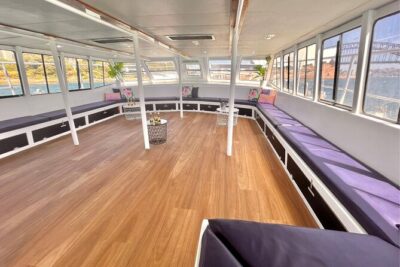
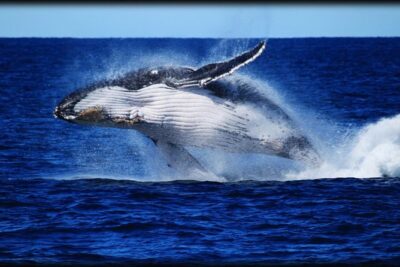
Brisbane Whale Watching Cruise from Redcliffe or Sunshine Coast
Read our review →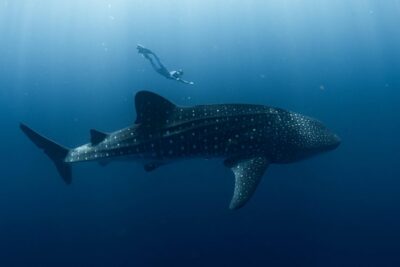
Swim with Whale Sharks in the Ningaloo Reef: 3 Island Shark Dive
Read our review →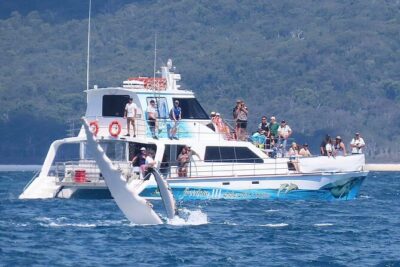
Freedom 3/4 Day Hervey Bay Premium Whale Watching Cruise
Read our review →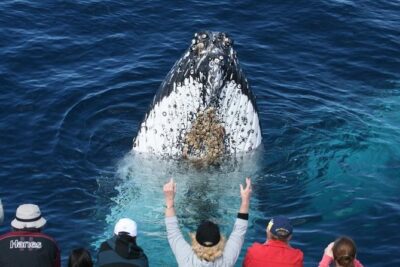
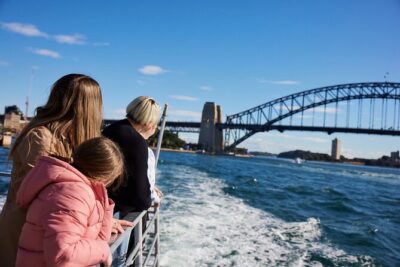
Sydney Whale-Watching Cruise Including Lunch or Breakfast
Read our review →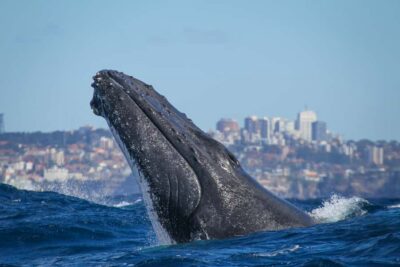
Spirit of Gold Coast 2.5-Hour Whale Watching Tour
Read our review →Browse the lists this tour appears in