
Review · MAURITIUS
Whale watching
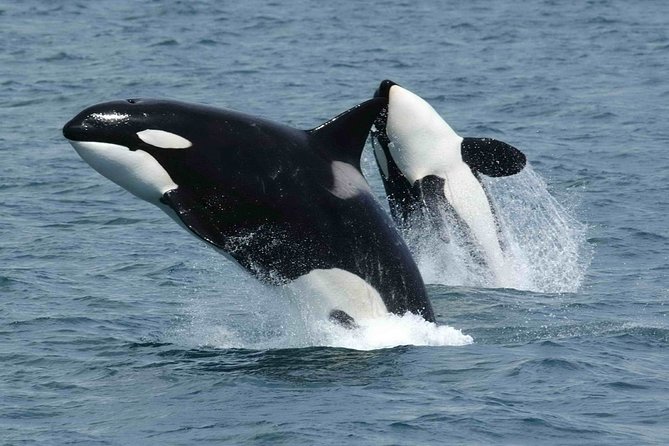
Seeing a sperm whale surface beside a small boat is the main draw here, but the encounter starts with a search. The crew listens through a hydrophone and watches for blows along Mauritius’s west coast, sometimes spending about an hour reaching the area where whales may be found. I like that the boat carries no more than eight people, and I like the crew’s stated effort to keep a legal, respectful distance rather than offer swimming with whales.
The strongest reports praise guides including Clovis and Yobis for safety, clear explanations, and care around the animals. The tradeoff is simple: the advertised chance is 60 percent, not a promise. The speedboat can also be bumpy and wet, so bring protection from spray and a change of clothes.
Key things to know before you book
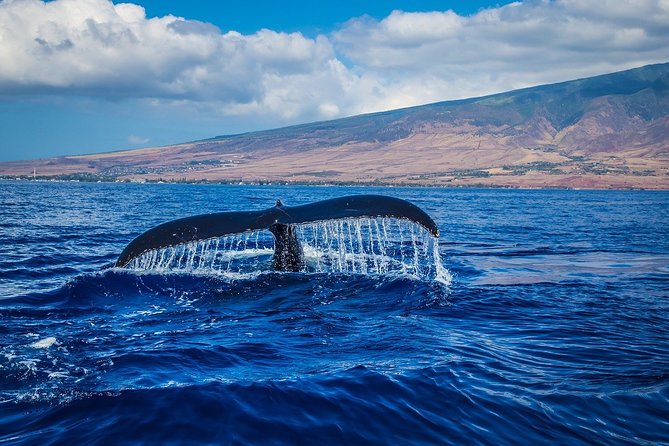
- Sperm whales can appear year-round: Humpback sightings are seasonal, generally from June through October.
- A hydrophone guides the search: The crew listens underwater and also watches for whale blows.
- The boat holds up to eight people: That gives you more room than a large sightseeing vessel.
- The tour lasts about two and a half hours: It begins at 10 a.m. and usually ends around 1 p.m. at La Jetée Road.
- Whales are not guaranteed: The stated chance is 60 percent, so treat the trip as a wildlife search, not a fixed show.
- Expect spray and rough water: A small speedboat makes the ride exciting, but wet-weather gear is sensible.
Starting at La Jetée Road in Grande Riviere Noire
You meet at La Jetée Road in Grande Riviere Noire on Mauritius’s west coast. The tour starts at 10 a.m. and returns to the same meeting point, with no hotel pickup or drop-off included.
Allow extra time to find the departure spot. One person had trouble locating the start, and another arrived 20 minutes late after a road accident and could not join the boat. The operator says departures cannot be held for late arrivals because other people are waiting, so this is not the morning to cut your driving time close.
There is no office or passenger facility at the departure point. Plan to arrive ready to board, with sunscreen, water-resistant clothing, and anything you need before the boat leaves. Bottled water and soft drinks are supplied during the trip.
The small-group limit matters here. With a maximum of eight people, you have a better chance of seeing over the side and moving your camera into position than you would on a large vessel. It also gives the crew a more manageable group to brief before approaching whales.
A few more whale trips around Mauritius worth a look
- Black River: Dolphin Swim and Whale Watching by Speedboat
★ 4.5 · 595 reviews - Lydia Boat Mauritius :Private boat tour:Whales&Dolphins encounter
★ 5.0 · 409 reviews - Whale Dream ltd – Whales watching and swim with dolphins
★ 5.0 · 308 reviews
The speedboat ride is part of the experience
The first part of the trip is not a quick shuttle to a whale. You travel offshore in a speedboat while the crew searches for signs of life. Some outings reach the likely whale area in about an hour, leaving a meaningful part of the two-and-a-half-hour trip for the ride and the search itself.
That ride can feel like an expedition. It can also be rough. The boat is described as comfortable but bumpy, and spray may leave you soaked, especially when wind or rain picks up. I would wear quick-drying clothes, protect your phone, and bring a dry change of clothes in a sealed bag. A light rain jacket or poncho is a sensible extra, even if the forecast looks decent.
The boat’s speed helps the crew cover more water than a slow craft, but it does not remove the uncertainty. Whales move, visibility changes, and the sea conditions affect how long the search takes. You may spend much of the first hour scanning the water rather than photographing animals.
That is worth understanding before you book. If you need a guaranteed sighting at a fixed time, this is the wrong kind of outing. If you enjoy the search itself, the changing sea, and the possibility of a sudden blow on the horizon, the uncertainty is part of the appeal.
How the hydrophone changes the search
The crew uses a hydrophone in the water to help localize whales. This is more than a visual lookout exercise. The guide listens for underwater sounds, then combines that information with visible blows and the crew’s knowledge of where whales may be moving.
Once the boat reaches a likely area, the crew gives you more information about the marine mammals and explains what you are seeing. The live commentary is included, and the best outings appear to combine practical spotting help with basic information about Mauritius’s sea life.
Whale watching requires patience. You might see a blow, wait for a whale to surface, and then lose sight of it as it slips below the water. A camera with a fast response and plenty of storage will help, but keep your attention on the ocean rather than staring at a screen. Whale appearances can be brief.
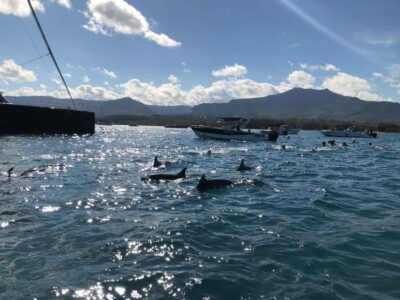
The crew may also identify other sea life. Dolphins have appeared on the return journey for some groups, but they are a bonus, not the advertised focus. Do not book this as a dolphin trip or assume that a dolphin sighting replaces a whale search.
Sperm whales all year, humpbacks from June to October
Mauritius offers two main whale possibilities on this outing. Sperm whales may be seen throughout the year. Humpback whales are seasonal, with the stated viewing period running from June through October.
That seasonal difference should guide your expectations. Outside the humpback season, the trip is mainly a search for sperm whales. During June through October, you may have a chance to see humpbacks, including pairs such as a mother and calf, but no particular species is promised on a given departure.
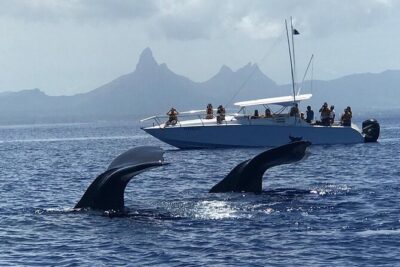
Sperm whales can be especially memorable because you may see only part of the animal at first: a blow, a dark back, or a tail as it descends. Several successful outings have included multiple whales, family groups, and repeated sightings. Other departures may produce no whales at all, which is why the operator gives a 60 percent chance rather than a guarantee.
The crew’s behavior around the animals is an important part of the experience. The boat is meant to maintain a safe distance and avoid disturbing the whales. This means you may not get the extremely close approach that some people expect from wildlife excursions, but the distance is the point. You are watching wild animals, not calling them to a performance.
Swimming with whales is not offered here. The crew’s approach is to locate the animals, explain what is happening, and watch from the boat. That is a meaningful advantage for anyone who wants a more responsible encounter.
Same water, a different way to meet the whales:
- Dolphins Encounter and Whale Watching
★ 4.5 · 153 reviews - Mauritius Eco Whales Quest, 3-4 hours Expedition
★ 3.7 · 23 reviews - Dolphins & Whales, Private Tour Snorkeling
★ 4.2 · 21 reviews - Dolphins & whale watching
★ 4.5 · 17 reviews
What happens when whales are found
The most exciting moment may be quiet. The engine slows, everyone looks toward a patch of water, and the crew waits for the next blow. Guides such as Clovis and Yobis have been praised for helping people stay safe while giving the boat a good chance of finding whales without putting pressure on them. Julian and Fletcher have also been singled out for clear safety instructions and honest expectations.
You should listen closely when the crew explains where to look. On a small boat, the best view may be on either side, and whale activity can change quickly. Keep your camera ready, but do not expect a nonstop show. A group may surface several times, disappear, and then reappear somewhere else.
Some successful outings have seen two sperm whales, several whales, or a mother and calf. One particularly fortunate trip included three humpbacks. These are memorable possibilities, not a standard itinerary.
The ethical limits can also affect your photographs. Keeping a respectful distance may mean the whales look smaller in your pictures than they would from an aggressively approaching boat. That is a fair trade. You get a chance to see natural behavior without encouraging a close encounter that stresses the animals.
The crew may end the search and return if conditions worsen or if the outing cannot continue safely. One poor experience involved a much shorter search and only a brief dolphin stop before returning to shore. That appears to be an unhappy exception rather than the planned schedule, but it shows why you should confirm what happens if the whale search is cut short.
Food, drinks, and the confusing lunch detail
Bottled water and soft drinks are included. Live commentary on board is included as well.
The tour description refers to a light lunch and beverages in one place, but the inclusions list says lunch is not included, and another section specifically excludes breakfast and lunch. I would not count on a meal. Eat before the 10 a.m. departure and bring a small snack if you need one, while following the operator’s rules about food on the boat.
The trip ends around 1 p.m., so you will likely want lunch afterward. This timing works well if you plan another west-coast activity later in the day, but remember that the boat ride, wind, and sun can leave you more tired than the short duration suggests.
Is $69.79 good value?
At $69.79 per person, the price is reasonable for a small-group marine wildlife trip if the boat runs for the full advertised two and a half hours and you value responsible whale watching. The maximum of eight people is a real benefit. You are not paying for a huge boat packed with people, and the hydrophone adds a useful search tool rather than relying only on luck and eyesight.
The value depends heavily on your expectations. If you see whales, the cost compares well with the time on the water, the guide commentary, and the small group. Several whales, dolphins on the way back, or a mother and calf would make the outing feel especially worthwhile.
If you do not see whales, the value is harder to judge. You still receive a boat trip, commentary, and a chance to learn about local sea life, but wildlife is the central reason to book. The 60 percent chance should be part of your purchase decision, not a footnote.
I also like that the crew does not promise a close encounter at any cost. A cheaper or more exciting-looking trip that allows people to swim with whales may create a worse experience for the animals. Here, a respectful distance is part of what you are paying for.
Who will enjoy this whale trip?
This outing suits you if you enjoy wildlife, can handle an uncertain result, and do not mind a fast, wet boat ride. It is also a good fit for photographers who want a small group and for families with children who can follow safety instructions. Children must be accompanied by an adult.
It may not suit you if you get seasick, dislike spray, need dry clothing throughout the day, or want a gentle sightseeing cruise. The ride can be bumpy, and a bad-weather day may make the search uncomfortable even if the boat remains safe.
The experience also rewards patience. You may spend much of the trip scanning empty water before a whale appears. That waiting feels worthwhile when the search pays off, but it can feel long if you expect a guaranteed sighting within minutes.
Most people can participate, according to the operator. The supplied details do not provide a specific accessibility assessment for the boat, so ask Dolswim Ltd directly if you have mobility or boarding concerns.
Booking, weather, and cancellation details
You receive confirmation when you book, and the activity uses a mobile ticket. It is commonly booked about 22 days ahead, so reserving early is sensible if your Mauritius schedule is tight, especially during the June to October humpback period.
Free cancellation is available if you cancel at least 24 hours before the local start time. Changes or cancellations inside that window are not accepted for a refund. If poor weather cancels the trip, you are offered another date or a full refund. The same applies if the minimum number of people is not reached.
I would place this tour early enough in your Mauritius stay to leave room for a weather-related change. That is useful not only for the forecast, but also because wildlife sightings are uncertain and you may prefer a second chance rather than a rushed decision.
Should you book this Dolswim whale-watching trip?
Book it if you want a small, safety-minded whale search and accept that nature sets the timetable. The strongest reasons are the eight-person limit, the hydrophone, the live commentary, and the crew’s repeated emphasis on keeping a respectful distance.
Go in with practical expectations. You may see several sperm whales, a humpback mother and calf, or dolphins as a bonus. You may also spend much of the morning searching in rough, wet conditions and return without a whale sighting. Eat before departure, bring dry clothing, arrive well before 10 a.m., and do not assume lunch is provided.
For an ethical wildlife outing at a moderate price, I would consider this a good choice, especially from June through October if humpbacks are high on your wish list. It is not the right pick for anyone who needs certainty, comfort, or a guaranteed close-up photograph.
FAQ
Where does the whale-watching tour begin?
It begins at La Jetée Road in Grande Riviere Noire, Mauritius, and ends back at the same meeting point.
What time does the tour start?
The tour starts at 10 a.m. and ends at around 1 p.m.
How long does the experience last?
The expected duration is approximately two hours and 30 minutes.
How likely am I to see whales?
The operator states a 60 percent chance of seeing whales, but sightings cannot be guaranteed.
Which whale species can I see?
Sperm whales may be seen year-round. Humpback whales are generally seen between June and October.
What is included in the price?
Bottled water, soft drinks, and live commentary on board are included. Hotel transfers, breakfast, and lunch are not included.
How many people can join the boat?
The maximum group size is eight people. Children must be accompanied by an adult.
Just added around Mauritius
- Whale & Dolphins Swimming – Private Speedboat Exclusive Tour★ 4.2 · 3 reviews
- Whale Watching and Private Ocean Safari Experience in Mauritius★ 5.0 · 16 reviews
- Whale and Dolphin Watching Private Boat Tour from Mauritius★ 5.0 · 14 reviews
- Dolphins Encounter and Whale Watching★ 4.5 · 153 reviews
- Private Dolphin Encounter and Whale Watching★ 4.7 · 7 reviews
- Private :Whales and dolphins watching/Swimming with dolphins★ 5.0 · 3 reviews
- Dolphins & whale watching★ 4.5 · 17 reviews
- Dolphins & Whales, Private Tour Snorkeling★ 4.2 · 21 reviews
Mauritius Whale Watching Tours, compared.
Black River: Dolphin Swim and Whale Watching by Speedboat
Read our review →
Lydia Boat Mauritius :Private boat tour:Whales&Dolphins encounter
Read our review →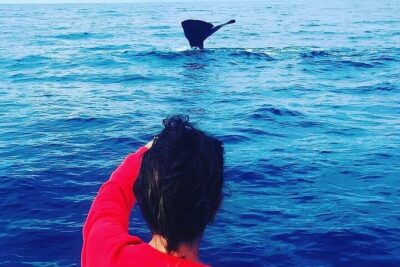
Mauritius Eco Whales Quest, 3-4 hours Expedition
Read our review →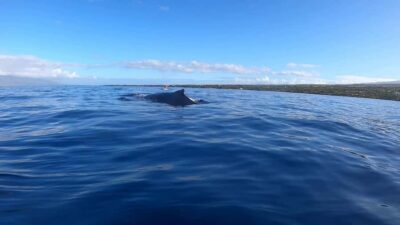
Whale Watching and Private Ocean Safari Experience in Mauritius
Read our review →Browse the lists this tour appears in