
Review · VICTORIA
Victoria: 3-Hour Whale Watching Tour
The best part of this Victoria whale watching trip is the chance to see orcas and humpback whales in the same outing. The Marauder IV gives you open-air viewing without forcing you to stay outside, and the naturalists explain the whales, birds, and Salish Sea as the boat moves along.
I like the heated cabin with hot drinks, especially when wind turns a sunny afternoon into a cold one. I also like the free photo package, which lets you watch the water instead of wrestling with a camera. The main drawback is simple: whales are wild animals, so even a well-run trip cannot promise an orca sighting, and commentary can be harder to hear from the back.
Key points
- Orcas and humpbacks are the main targets, with seals, sea lions, porpoises, otters, birds, and the occasional bear also possible.
- The Marauder IV has indoor and outdoor viewing, including a 360-degree walk-around deck.
- Hot drinks, extra weather gear, and a washroom make the boat more comfortable than a bare-bones wildlife cruise.
- The marine naturalists add real value, explaining individual whales, feeding behavior, local ecology, and British Columbia’s coast.
- Check in at 1119 Wharf Street, not at the marina, at least 30 minutes before departure.
- Plan for cold and changing weather, even in summer. Wear layers, long trousers, and closed-toe shoes.
The Salish Sea is the real attraction
Victoria’s whale watching tours head into a working marine environment, not a theme park. You leave the harbor and enter the Salish Sea, where tides, weather, boats, birds, seals, and whales all share the same broad stretch of water.
That makes the trip exciting, but it also means sightings are never guaranteed. One day may bring two orca pods, several humpbacks, sea lions, porpoises, and a bald eagle. Another may bring only one whale. The crew can search carefully and use its local experience, but no captain can schedule a wild animal.
The three-hour trip is a good length for this kind of outing. You have enough time to reach productive whale areas, watch animals without rushing, and still return to Victoria in time for dinner or another afternoon plan. The actual time on the water is usually between three and three and a half hours.
The tour is operated by SpringTide Whale Watching, using the Marauder IV Ocean Cruiser. You’ll have an English-speaking captain and marine naturalists on board. Names vary by departure, but the crew has included guides such as Katie, Morgan, Heather, Ali, Ian, Jasper, and Poppy. Their work is more than pointing at fins. They explain how whales feed, how researchers identify individual animals, and why this part of British Columbia matters to marine life.
More Half-Day Whale Watching in Canada
- Victoria Half-Day Whale Watching Adventure with Free Photos
★ 5.0 · 2,259 reviews - Victoria: 3-Hour Zodiac Whale-Watching Tour
★ 4.6 · 651 reviews - Victoria, BC: 3-Hour Ultimate Whale & Marine Wildlife Tour
★ 4.6 · 191 reviews
Checking in at Wharf Street
Your first stop is not the boat. Check in at the SpringTide office at 1119 Wharf Street, between Fort and Yates Streets. Look for the whale sign above the entrance.
This detail matters because the office is on street level, while the boat is at the marina. Allow at least 30 minutes before departure for check-in and the walk to the vessel. The company may contact you with practical information before the trip, including reminders about clothing and parking.
Parking can be difficult during Victoria’s busy summer months. Several parking lots are near the office, but availability changes as the day fills. I would not leave parking until the last minute. Give yourself another 30 minutes to find a space, then check in without rushing.
The marina is only a short walk from the office, but the group needs to move together so nobody is left behind. Check-in is also the time to ask about weather gear if you are unsure what to wear.
Boarding the Marauder IV
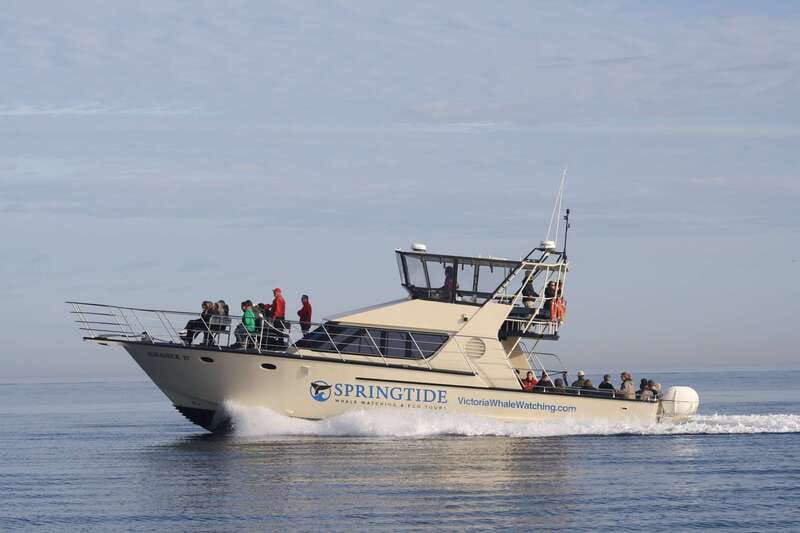
The Marauder IV is a motor yacht with both enclosed and open viewing areas. It is not a tiny rigid inflatable boat, so you get more room to sit, walk around, and change your position when wildlife appears on another side.
The boat’s 360-degree outdoor deck is its biggest practical advantage. You can look forward, aft, or to either side without being trapped behind one fixed row of seats. This helps when a whale surfaces unexpectedly, since the best view can change in seconds.
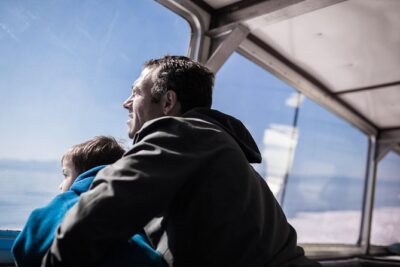
When the wind picks up, you can retreat to the indoor cabin. The covered area is particularly useful in rain or on colder mornings. You may still want to spend much of the trip outside, but having shelter makes a major difference to your comfort and patience.
There is a washroom on board, a small feature that becomes important during a three-hour cruise. Complimentary coffee, tea, or hot chocolate is also available. Extra all-weather jackets and pants can be provided, though you should still arrive dressed for the conditions.
The boat includes an on-board sound system for commentary. Even so, sound can be harder to catch at the rear or when people are spread across several decks. If the naturalist begins an explanation, move closer when you can. You will get more from the trip if you hear the story behind the sighting, not just the announcement that a whale is nearby.
What happens during the three-hour route
The exact route changes with whale movements, weather, and sea conditions. That flexibility is necessary. The captain and naturalists are not following a fixed sightseeing loop. They are looking for signs of life and choosing where to spend time.
More Half-Day Whale Watching in Victoria:
- Vancouver Half-Day Whale Watching Adventure with Free Photos
★ 5.0 · 5,000 reviews - Akureyri: 3-Hour Classic Whale Watching Tour by Ship
★ 4.6 · 3,000 reviews - Tadoussac/Charlevoix: 3-Hour Whale Watching Boat Tour
★ 4.2 · 2,179 reviews - 2-Hour Oahu Whale Watch from Ala Wai Harbor, Waikiki
★ 4.5 · 1,929 reviews
Leaving Victoria Harbour
The first part of the outing gives you a look at the harbor and the rocky coast near Victoria. The crew uses this time for safety instructions and an introduction to the Salish Sea.
You may hear about local marine mammals, seabirds, coastal geology, and the history of British Columbia’s shoreline. The captain’s role is not limited to steering. The crew works together, watches the water, and keeps the group informed as the boat moves toward areas where whales have been seen.
The harbor departure is also your chance to test the viewing areas. If you are prone to motion discomfort, you might find the rear section more stable. One passenger specifically found the back of the boat steadier and received commentary there while the vessel traveled.
Searching for orcas
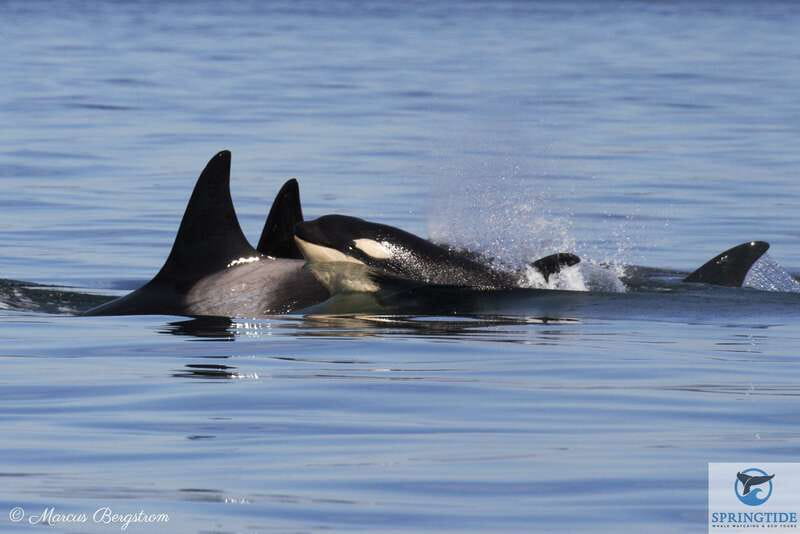
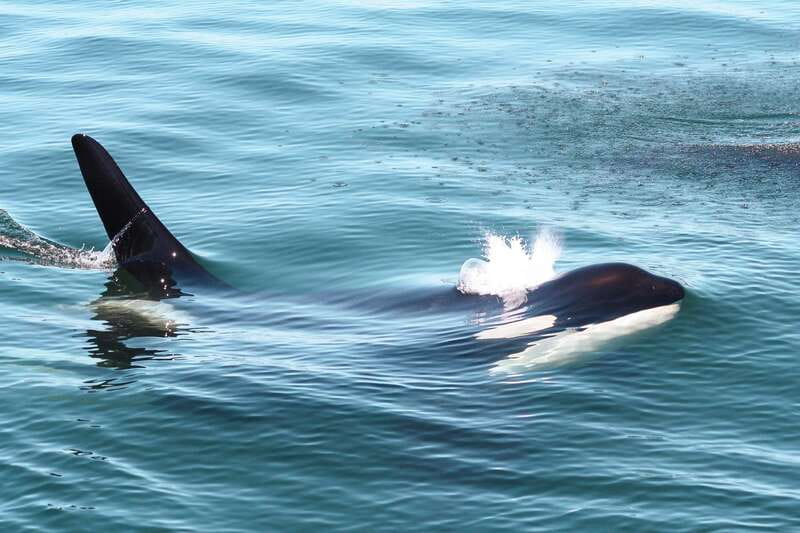
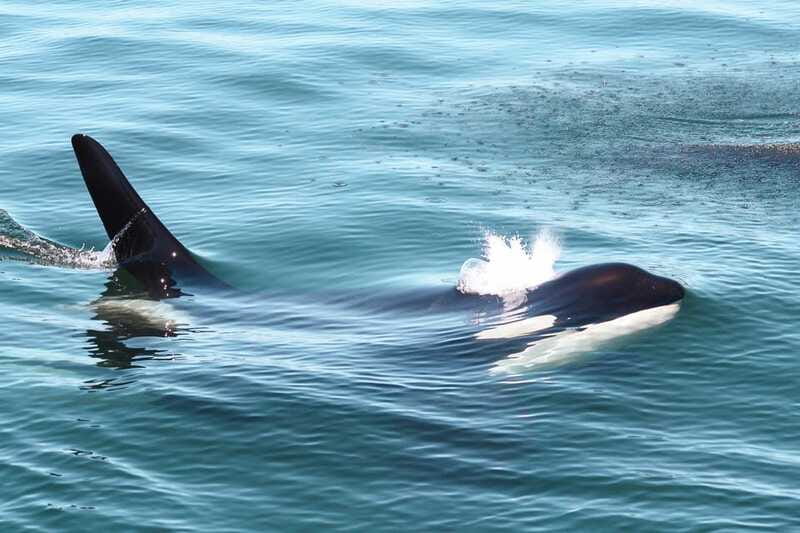
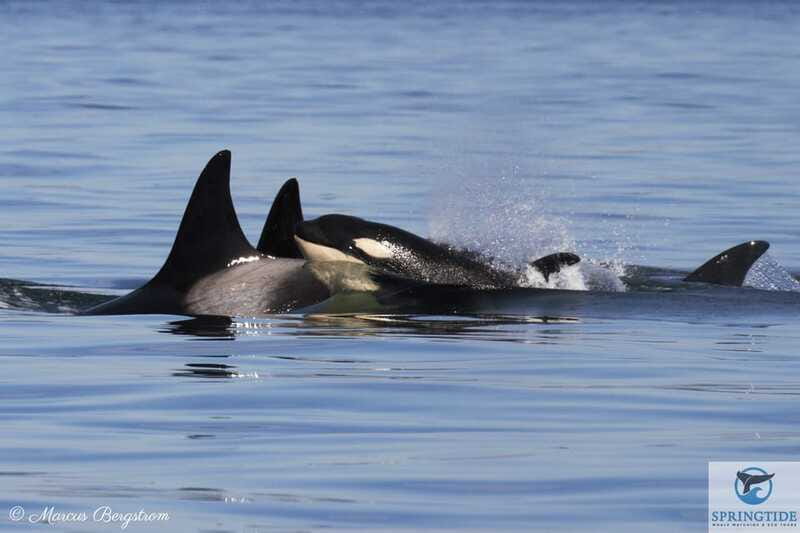
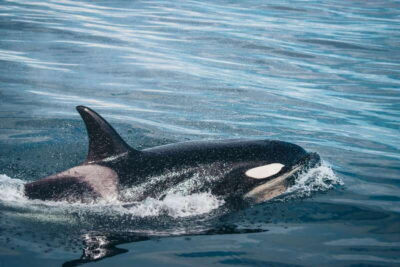
Orcas are often the sighting people hope for most, but they are not guaranteed. If the crew finds an orca pod, the pace of the trip changes. You may see a dorsal fin appear, vanish, and surface again farther away. Naturalists can help you understand whether the animals are traveling, feeding, or staying together as a family group.
The guides have explained behaviors such as food sharing and hunting. They may also identify individual whales by name, giving you a sense of the animals as known members of the local population rather than anonymous shapes in the distance.
Some outings have included two separate orca pods. Others have seen a smaller group, such as three or four whales. A sighting can last only a few minutes, or a whale may remain near the boat for much longer. The uncertainty is part of the experience, though it can be frustrating if you arrive expecting a guaranteed show.
The crew’s respectful approach matters here. You are there to watch, not control the encounter. The boat’s size and open viewing deck let you see without needing to crowd around one tiny spot.
Looking for humpback whales
Humpbacks are another major focus, and sightings can be especially rewarding because their behavior is varied. You might see a back roll through the water, a tail lift, a flipper, or repeated surfacing in one area.
Several departures have encountered groups of humpbacks, including mothers with calves and young whales playing near the surface. One outing included a juvenile humpback close enough to make the animal’s size and movement easy to appreciate. Another saw a whale remain with the boat for about an hour.
Naturalists explain feeding patterns and help you distinguish one whale from another. They may also share names used for known individuals, such as Merlin. This turns a quick glimpse into a more meaningful encounter, especially when you understand why a whale is behaving a certain way.
Humpbacks are not always dramatic. Sometimes the reward is a quiet series of surfaces from a calm, enormous animal. If you can accept that whale watching is about patient observation, this part of the trip can be deeply satisfying.
Smaller mammals and coastal birds
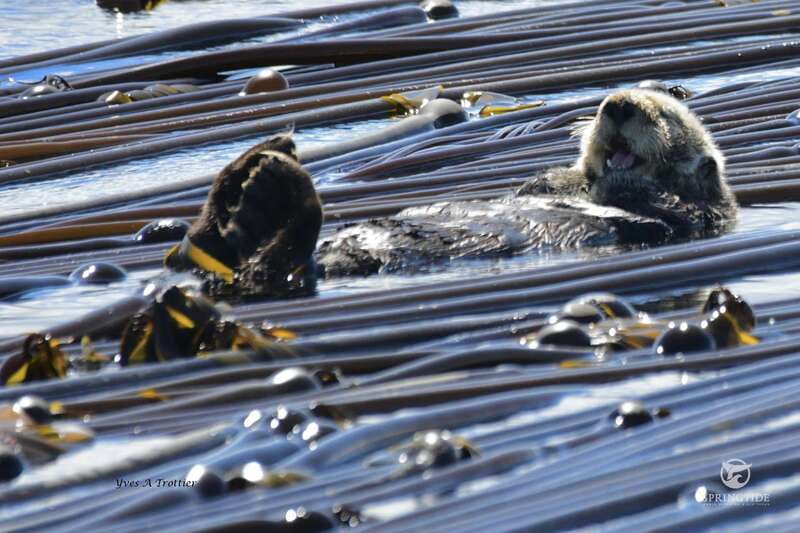
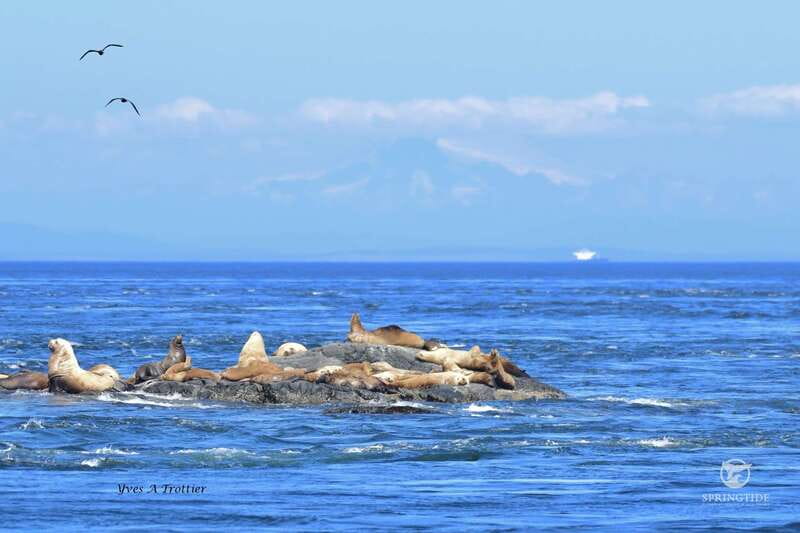
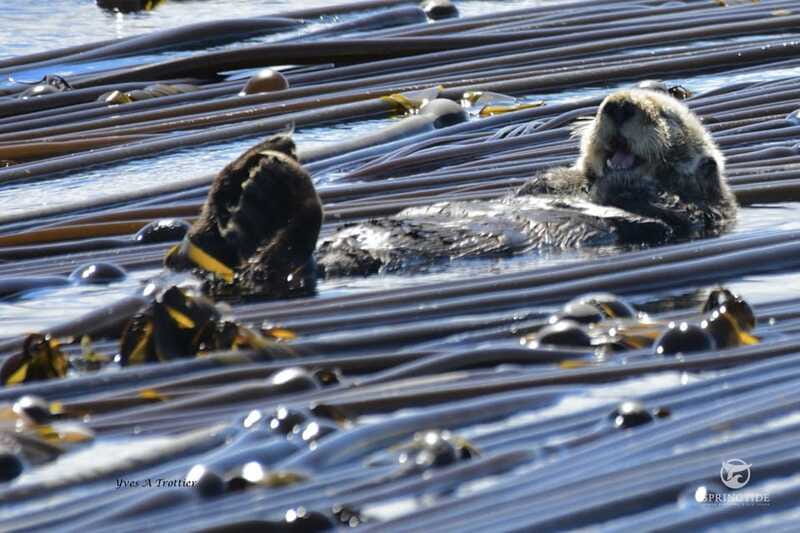
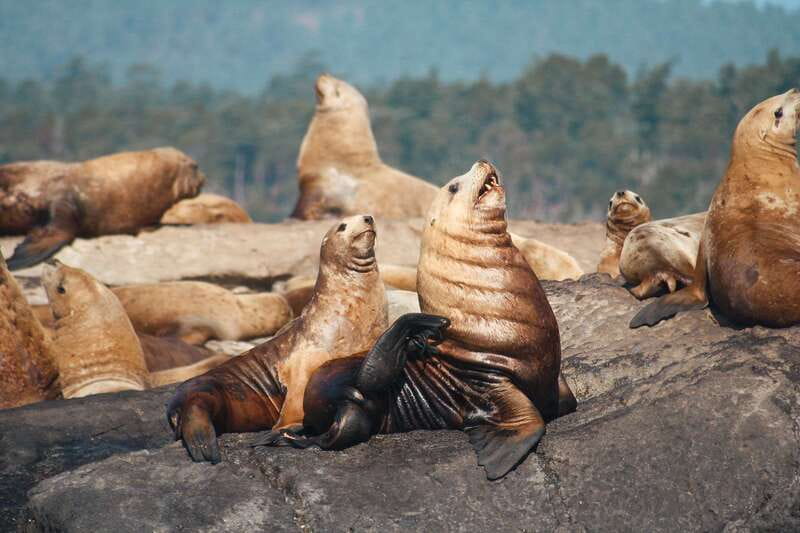
The trip is not a failure if the orcas stay away. Seals, sea lions, porpoises, and sea otters often add plenty of interest.
Sea lions can be noisy and active, while harbor seals may appear as heads in the water or bodies resting near shore. Some trips have included sea otters with nicknames such as Ollie or Oscar. Porpoises are quicker and easier to miss, so listen closely when the crew points them out.
Birds are also part of the outing. You might see bald eagles, juvenile eagles, and large groups of seabirds. One trip included thousands of birds, and another featured a particularly large bald eagle. The naturalists connect these sightings to the wider food web, showing why the area supports so many different species.
A bear has even been spotted on land during one outing, but that should be treated as a lucky extra, not something to expect. The same applies to grey whales and unusual sightings. The crew watches widely, yet nature decides what appears.
Why the guides make a difference
A boat ride alone would give you sea views, but the naturalists add the meaning. They explain what you are seeing, answer questions, and connect individual animals to the wider marine environment.
The strongest part of the guiding is the mix of science and local knowledge. You may learn how humpbacks feed, why whales travel in groups, how individual orcas are recognized, and how seals, sea lions, birds, and whales depend on the same waters.
The crew also watches the group. Extra jackets and pants are offered when people get cold, and hot beverages are brought around during the trip. Families with children have found the safety briefing clear and the crew attentive. That does not remove the need for adult supervision, but it helps make the outing easier for mixed-age groups.
Try to move near the guide when an explanation begins. The sound system helps, but distance and wind can still affect what you hear. This is one small area where the experience is better from the middle or front than from the far back.
Comfort, weather, and what to wear
The enclosed cabin is a major reason to choose this cruise over a completely open boat. You can step inside when rain arrives, warm up with a drink, and return outside when the water becomes calmer or wildlife appears.
Still, do not dress as if you are spending three hours on land in downtown Victoria. It can feel much colder once the boat leaves the harbor. Wear several layers, long trousers, warm clothing, and closed-toe shoes. A waterproof outer layer is wise, even when the forecast looks friendly.
All-weather jackets and pants are available, but I would see those as backup rather than your entire clothing plan. A hat and gloves may also be useful, though only warm clothing and closed-toe shoes are specifically required.
The boat has seating throughout, and you can move between viewing positions. That flexibility helps you balance comfort and sightlines. If you get cold, go inside before you are miserable. You are more likely to enjoy the next whale sighting if you are warm enough to stay alert.
Is the $123 price good value?
At $123 per person, this is not the cheapest casual boat ride in Victoria. It is also more than a simple harbor cruise. You are paying for roughly three hours on the water, a purpose-built whale watching vessel, naturalists, hot drinks, weather gear, a washroom, and a photo package.
The photo package is useful value. Wildlife photography is difficult, especially when a whale surfaces for only a few seconds. Having trip photos available means you can keep your attention on the water rather than trying to hold a camera steady in wind and spray.
The vessel also affects the value. A smaller boat can feel more immediate, but the Marauder IV gives you shelter, toilets, seating, and several viewing areas. For a three-hour outing, those practical features can matter as much as the size of the boat.
I would consider the price fair for you if seeing marine wildlife is a priority and you want an educational trip with reasonable comfort. If you only want a quick boat ride or are unwilling to risk a day with limited sightings, the cost may feel high.
Who should book this cruise?
This trip suits first-time whale watchers, families, couples, and anyone who wants a longer wildlife outing without giving up an indoor cabin. Children can enjoy the excitement of spotting fins and sea lions, while adults get more from the natural history and conservation explanations.
It is also a good fit if you dislike the idea of sitting in a small open boat for several hours. The Marauder IV offers protection from rain and wind, although you should still expect a real ocean outing, not a smooth indoor sightseeing ride.
You should think twice if you need wheelchair access, since the tour is not suitable for wheelchair users. You should also reconsider if you need a guaranteed orca encounter. The crew may work hard and still find that whales are elsewhere.
For photographers, the boat offers many angles and the included photo package is a plus. For people prone to motion sickness, the rear may feel steadier, but the supplied information does not promise a seasickness-free trip. Plan your clothing and personal needs carefully.
Booking details that matter
You can cancel up to 24 hours before departure for a full refund, and you can reserve now and pay later. That flexibility is useful because weather and your Victoria schedule can change.
The tour is offered in English. Check availability for departure times, then arrive at the Wharf Street office at least 30 minutes early. Remember that parking may take another 30 minutes in summer.
SpringTide’s rating is 4.8 from 288 reviews, and the repeated strengths are clear: friendly crew, strong wildlife knowledge, a comfortable boat, good organization, and thoughtful touches such as hot chocolate and extra layers. The occasional criticism is also worth noting: sound can be difficult to hear from the back, and sightings vary because whales are wild.
Should you book it?
I would book this tour if you want a serious chance to see whales from a comfortable, well-equipped boat and you value explanation as much as the photograph. The combination of orcas, humpbacks, smaller mammals, birds, hot drinks, shelter, and a free photo package gives the $123 fare a solid case.
Book with realistic expectations. You might see several species, including both orcas and humpbacks, or you might have a quieter outing with fewer whales. If you can accept that uncertainty and dress warmly, this is a strong Victoria choice for a memorable half-day on the Salish Sea.
FAQ
Where does the whale watching tour meet?
Check in at the SpringTide Whale Watching office at 1119 Wharf Street, between Fort and Yates Streets. Do not go directly to the dock for check-in.
How early should I arrive?
Arrive at least 30 minutes before departure. Allow extra time to find parking, especially during the busy summer season.
How long does the tour last?
The tour lasts about three hours, with the actual time generally ranging from three to three and a half hours.
What whales might I see?
The main targets are orcas and humpback whales. Grey whales have also been seen, but sightings depend on wildlife movements and cannot be guaranteed.
What other animals might appear?
You might see harbor seals, sea lions, sea otters, porpoises, bald eagles, other marine birds, and occasionally a bear on land.
Is the boat heated?
The Marauder IV has an indoor cabin for shelter and warmth. Complimentary hot beverages are available, and all-weather jackets and pants can be provided.
Is there a washroom on the boat?
Yes. The Marauder IV has a washroom on board.
What should I wear?
Wear warm layers, long trousers, and closed-toe shoes. Conditions can feel much colder once the boat leaves the harbor.
Can wheelchair users join the tour?
No. The tour is not suitable for wheelchair users.
More 3-Hour Experiences in Victoria
- Reykjavik: the Original 3-Hour Whale Watching Tour
★ 4.5 · 908 reviews - 3-hour Whale and Dolphin Watching and Listening Tour
★ 5.0 · 808 reviews - Alaska Whale Watching Cruise w/ 3 HOURS on the water
★ 5.0 · 801 reviews - Whale and Dolphin Watching Sailing Tour – Los Gigantes (3H)
★ 4.7 · 691 reviews
Just added around Victoria
- Victoria: Whale and Wildlife Semi-Covered Boating Tour★ 4.8 · 51 reviews
- Victoria Waterfall, Skywalk, Beach Picnic, Castle and Whales★ 4.9 · 7 reviews
- Victoria: Sunset Whale Watching Tour on Semi-Covered Boat★ 4.8 · 8 reviews
- Victoria, BC: 3-Hour Ultimate Whale & Marine Wildlife Tour★ 4.6 · 191 reviews
- Victoria: Morning Whale-Watching Tour in Scarab Boat★ 4.9 · 39 reviews
- Victoria: Whale Watching Adventure in a Zodiac Boat★ 4.5 · 129 reviews
- Wilsons Prom Whale Cruise★ 5.0 · 104 reviews
- Winter Victoria Whale and Wildlife Zodiac Tour★ 5.0 · 229 reviews
Victoria Whale Watching Tours, compared.
Victoria Half-Day Whale Watching Adventure with Free Photos
Read our review →
Victoria Whale Watching Tour on a Covered Vessel
Read our review →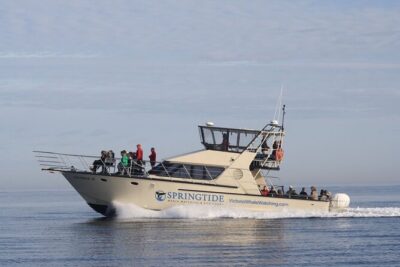
Victoria: Covered Whale Watching Adventure with Free Photos
Read our review →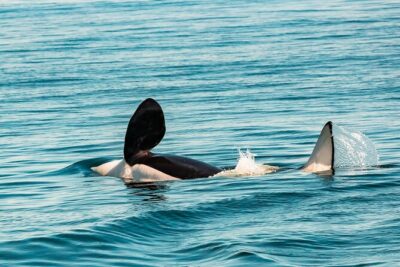
Summer Whale Watching Tour in a Zodiac Boat in Victoria
Read our review →Browse the lists this tour appears in