
Review · GUIDED
Roseau: Guided Dolphin and Whale Watching Tour With Drinks
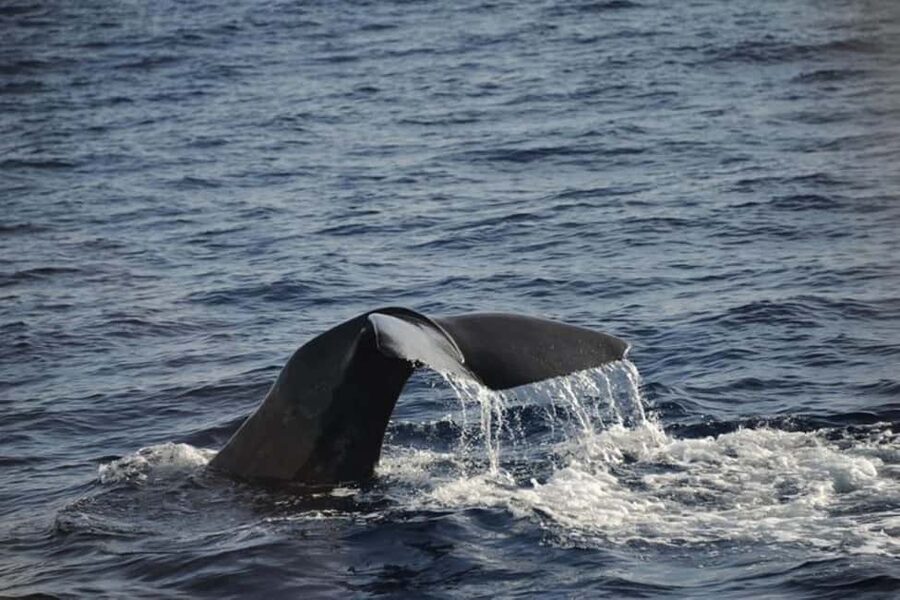
Dominica’s best wildlife encounter happens offshore, where sperm whales live year round in the world’s first Sperm Whale Sanctuary. This three-hour trip takes you out from Roseau in search of sperm whales, pilot whales, humpbacks, and dolphins, with a hydrophone on board so you can listen for whale sounds.
I like the local feel of this outing. Captains such as Jeff, Captain Beans, Michael, and Dwayne use their experience on Dominica’s waters to spot animals quickly, and the small boat can reach the open sea efficiently. I also like the drinks, marine naturalist, reef tax, park fees, and whale-listening equipment included in the $106 price.
The trade-off is comfort. This is a low-to-water speedboat, not a roomy cruise vessel. The ride can be bumpy, there is no toilet, and you should expect spray, rain, and wet clothes. On rough days, the boat may feel lively under you.
Key points before you book
- Sperm whales are the main prize: Dominica’s resident whales can be seen throughout the year, with an advertised sighting rate of about 80 percent.
- Small boat, close-to-the-water views: The boat carries up to about 12 people, making it easier to move around and spot animals, but the ride can be rough.
- Experienced captains matter: Jeff, Captain Beans, Michael, and Dwayne are repeatedly praised for spotting whales and explaining what you are seeing.
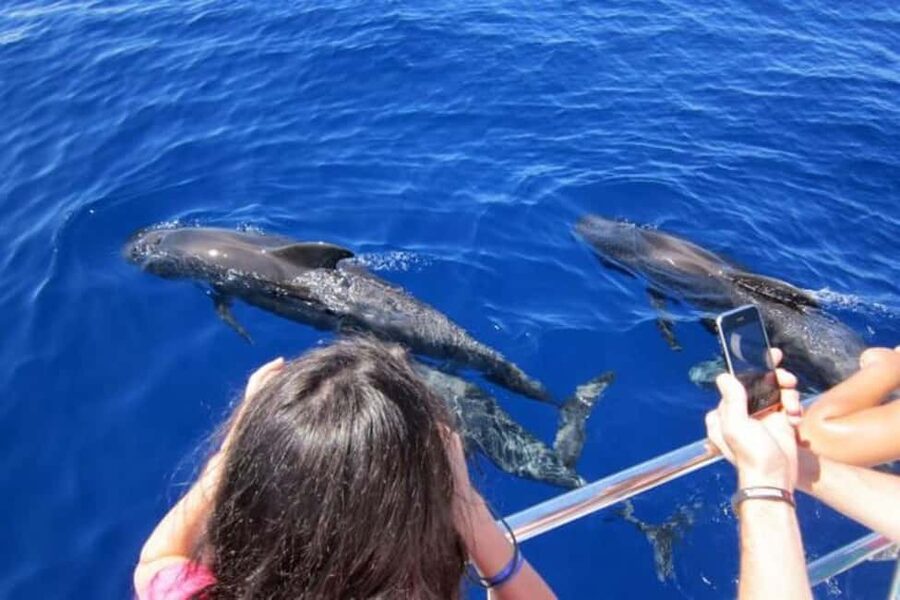
- Dolphins are part of the search: Depending on conditions, you may see pilot whales, several dolphin species, humpbacks, or flying fish activity.
- Bring clothes that can get wet: Ocean spray and light rain are normal, and the boat travels low over the water.
- The trip supports protected waters: Reef and national park charges are included, along with a marine naturalist and a hydrophone.
Why Dominica is special for whale watching
Dominica is one of the Caribbean’s strongest places for seeing sperm whales because these animals use its waters as a long-term home. You are not simply passing through a seasonal feeding area and hoping for a lucky sighting. The island’s waters are known for resident sperm whales, and research on marine mammals has made Dominica an important whale-watching center in the region.
That does not make a sighting guaranteed. Wild animals set the schedule. One trip may bring several sperm whales, mothers with calves, pilot whales, and a large dolphin pod. Another may involve a long search with no animals at all. The stated sighting rate of 80 percent is encouraging, but you should still book this as a wildlife search, not a staged show.
Sperm whales are especially rewarding because of their size and behavior. You may first see a blow on the horizon, then a dark back, followed by the tail as the whale heads below the surface. Several outings have found groups of three to seven sperm whales, including large females and calves. That is a powerful sight, but the waiting is part of the experience.
More Whale and Dolphin Tours in the world:
- Tenerife: Eco-Yacht Whale and Dolphin Watching and Swimming
★ 4.7 · 15,619 reviews - Los Cristianos Respectful No-Chase Whale and Dolphin Safari
★ 4.6 · 12,782 reviews - From Funchal: Ecological Catamaran Dolphin Whale Watching
★ 4.5 · 8,204 reviews
Meeting in Roseau and heading offshore
Pickup is offered at several Roseau locations, including the cruise ship dock, Fort Young Hotel and Dive Resort, St. James Guesthouse, the Dominica Museum, La Flamboyant Hotel, VIP Residence, Roseau Hostel and Beach Front Property, and 3 Victoria Street. If you arrive by cruise ship, the usual meeting point is outside the terminal, directly below the Dominica Museum and tourism office.
From the pickup area, you walk about three minutes to the boat. That is useful to know if you are carrying camera gear or trying to fit this around a ship schedule. The company also offers free pickup within Roseau city limits, though you should confirm the exact meeting point and time when booking.
Once aboard, you receive a life jacket, which must be worn throughout the trip. The boat is small, with three rows of seats and limited storage at the front. That layout gives you a good chance of seeing over the person in front, but it also means there is little room for large bags. Leave luggage at your accommodation or ship whenever possible.
The start can feel less polished than a large organized cruise. One outing had a delayed departure and a somewhat chaotic beginning. That is worth keeping in mind if you have a tight shore excursion schedule. On the other hand, the local scale is part of the appeal: you are on a fast boat with a captain focused on finding animals, not on running a floating sightseeing platform.
Three hours in the Sperm Whale Sanctuary
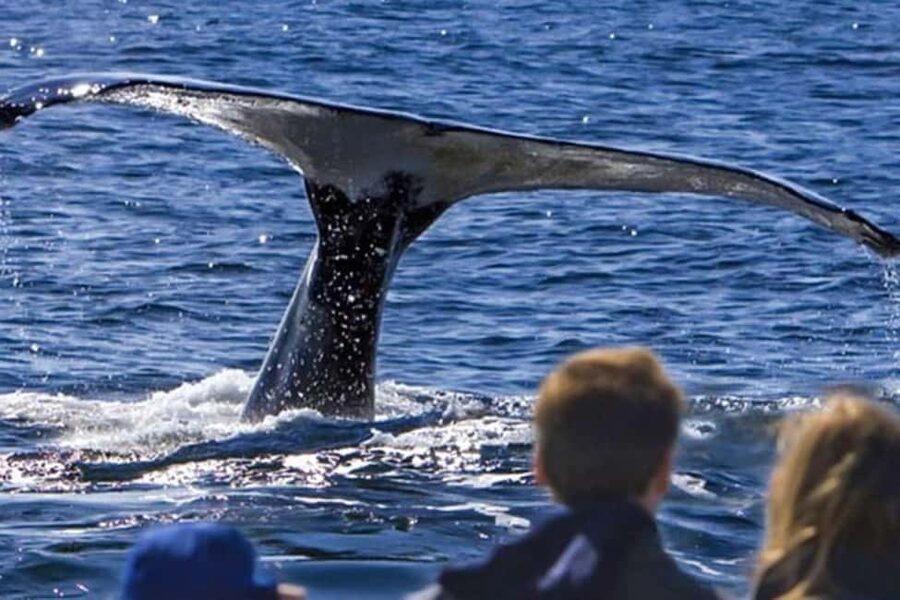
The central part of the trip is a search across Dominica’s open water. Your captain reads the sea, watches for blows, and uses an echo-locating device as part of the search for whales and dolphins. The marine naturalist adds information about whale behavior and the surrounding sea life.
Captain Beans, also called Mr. Beanz in some outings, receives especially strong praise for his enthusiasm, humor, and ability to locate whales before the people on board see them. Captain Michael is also noted for sharp spotting skills, while Jeff is praised for persistence. Dwayne’s long experience on the water has helped him locate groups of sperm whales.
These personal skills matter. A whale may surface only briefly, and the first person to notice a blow can make the difference between seeing the animal clearly and missing it. The best captains also know when to wait rather than race around without a plan.
The trip may include repeated stops while the crew listens and watches. You could see a single sperm whale, a mother and calf, or a larger group. You might also encounter pilot whales, humpbacks, or dolphins. One particularly full outing included sperm whales, around 20 pilot whales, and a large dolphin group moving after flying fish. That kind of variety cannot be promised, but it shows the range of wildlife found in these waters.
Listening to whales with the hydrophone
The hydrophone is one of the most interesting inclusions. It lets you hear whale sounds beneath the boat, giving you another way to experience the animals when they are below the surface. This is more than an extra gadget. It helps you understand that the whale encounter continues even when you cannot see a back or blow.
You also get bottled water, soda, and juice. Some departures include a small serving of rum punch, though alcoholic drinks are not part of the standard inclusions. You may bring your own alcohol only in plastic bottles, but the rules also prohibit alcohol and drugs on the tour, so clarify this point with the operator before bringing anything.
The trip includes the environmental management charge, often called the reef tax, and national park fees. That improves the value of the price because you are not paying a separate set of marine charges at the dock. The listed rate is $106 per person. For a three-hour wildlife trip with a captain, marine naturalist, drinks, fees, and a hydrophone, I consider that a fair price if seeing wild whales is a major goal of your Dominica visit.
It is less compelling value if you mainly want a gentle coastal cruise. You are paying for the search and the chance to see animals, not for guaranteed entertainment every minute.
A few more whale trips around the world worth a look
- Húsavík: Whale Watching Tour with Guide
★ 4.6 · 2,761 reviews - Reykjavik: Whale Watching Tour with Expert Guide
★ 4.3 · 2,422 reviews - Whale Watching Tour with Professional Guide from Reykjavik
★ 4.5 · 744 reviews - Whale-Watching Boat Tour with Expert Guide from Reykjavik
★ 4.0 · 651 reviews
Dolphins, pilot whales, and other possible sightings
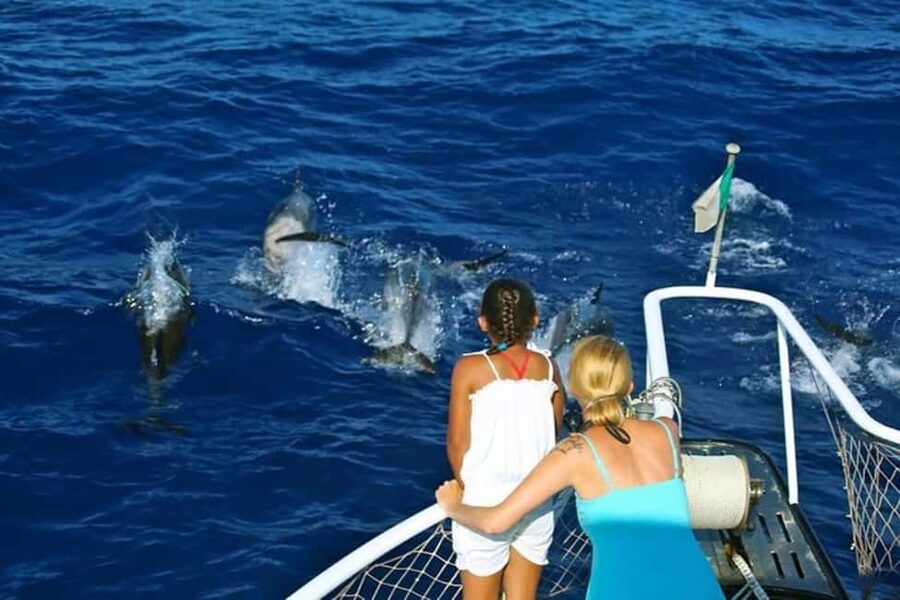
Dolphins can change the mood of the outing. Sperm whales tend to reward patience, while dolphins may bring quick movement and a more playful scene. The captain may position the boat near a pod without chasing it, allowing the animals to choose how close they come.
Possible sightings include pilot whales, sperm whales, humpbacks, and dolphins. You may also see flying fish and coastal scenery on the return journey. The exact mix depends on the animals, weather, and sea conditions that day.
A responsible approach is important here. The strongest outings are not simply the ones with the most animals. Good wildlife watching also means keeping a respectful distance and avoiding needless pursuit. One naturalist, Clara, was praised for her clear explanations and care for the whales. Another captain was appreciated for not disturbing or chasing the animals while nearby boats took a more aggressive approach.
That difference matters to me. You want a close look, but you also want the encounter handled with care. Ask your guide questions about the animals and notice whether the boat slows down, waits, and gives them room.
What the boat ride really feels like
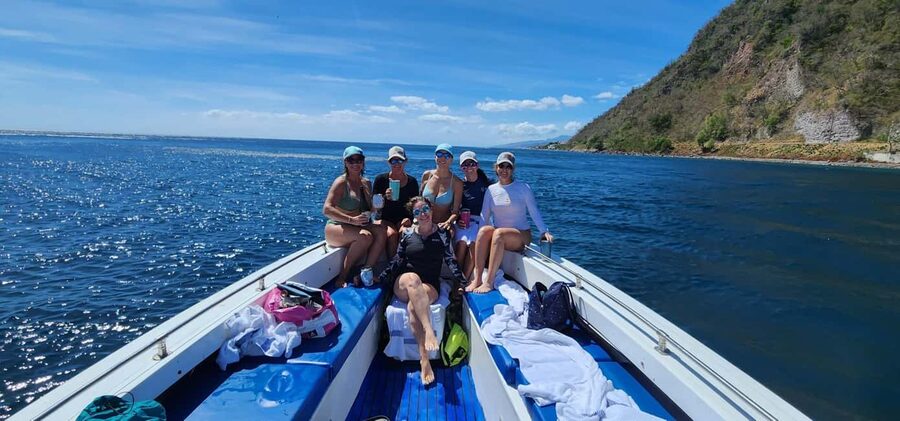
The boat sits low in the water, and the ride to the open sea can be bumpy. On a windy day, waves may lift the boat sharply, and a fast crossing can send you up from the seat. The seats do not all have backs, and there may be little to hold if you sit at the rear.
You should plan to get wet. Spray can come over the sides, and light rain does not stop the tour. Wear quick-drying clothing, secure your camera, and keep phones in a waterproof pouch. The operator asks you to bring biodegradable, reef-safe sunscreen, and spray sunscreen is not permitted.
There is a sun cover, but it may not shade every seat fully when the boat is carrying its maximum group. If you are sensitive to heat, ask about the expected group size and choose a seat under cover when possible. The 9:30 a.m. departure has been singled out as a comfortable choice because the sun can become intense later, though availability varies.
There is no toilet on board. Use one before departure, and avoid drinking a large amount right before boarding. People prone to seasickness should think carefully before booking, since the boat reaches open water and can move sharply in windy conditions.
A practical look at timing and group size
The advertised duration is three hours, but the wildlife search does not follow a neat timetable. You may spend time reaching the whale area, stopping to watch animals, and returning along the coast. If sightings take time, the ride back may feel like part of the scenic tour rather than wasted time.
Group size affects comfort. The boat holds about 12 people, though smaller departures feel easier. With around eight people, the shade can cover everyone and there is more breathing room. A full boat gives you less space and may place some people directly in the sun.
This is not the best choice if you need a calm, highly structured excursion that ends at a precise minute. It is better suited to someone who can accept a flexible wildlife search and does not mind saltwater on their clothes.
The tour operates rain or shine. That is helpful for planning, but it also means you should not assume clear skies. Dominica’s weather can change quickly, so bring a sun hat, weather-appropriate clothing, and protection for your camera.
Who will enjoy this tour most
I would choose this outing if you care more about wild animals than polished comfort. It suits nature lovers, photographers, families with older children, and anyone who wants to see a side of Dominica beyond its forests and waterfalls.
It is not suitable for children under three, pregnant women, wheelchair users, or people with heart problems. It is also a poor fit for anyone prone to seasickness. Children who are old enough to handle a small boat may love the excitement, but parents should prepare them for spray, heat, waiting, and sudden movement.
The tour is conducted in English. That is useful if you want explanations from the captain and naturalist during the search. The guide’s skill is a major part of the experience, so I would pay attention to the name of your captain and ask questions. Captains Jeff, Beans, Michael, and Dwayne have each been praised for spotting ability or local experience, but the exact crew can vary.
Booking, cancellation, and what to pack
The tour costs $106 per person and allows free cancellation up to 24 hours before departure for a full refund. You can also reserve now and pay later, which is useful when your Dominica plans may change.
Pack only what you need:
- Sun hat
- Reef-safe, biodegradable sunscreen
- Camera in a waterproof case
- Quick-drying clothes
- A light rain layer
- Water-resistant shoes or sandals
Do not bring pets, luggage, large bags, cigarettes, or vaping devices. Life jackets are supplied and must be worn. Alcohol is not included, and the stated rules prohibit alcohol and drugs, so ask the operator directly if you have any question about bringing a plastic bottle.
Should you book the Roseau whale tour?
Book it if seeing sperm whales is high on your Dominica list and you can handle a small, open boat. The strongest reasons to go are the resident whales, capable local captains, the hydrophone, and the chance of seeing several kinds of marine mammals in one morning or afternoon.
Think twice if you need a smooth ride, shade for every seat, a toilet, or a guaranteed wildlife sighting. The sea can be rough, the boat can feel cramped, and even a skilled crew cannot control the animals.
For me, the price makes sense because the outing combines a protected marine setting, local guiding, drinks, park charges, and a real chance to see sperm whales in their home waters. Bring waterproof gear, keep your expectations realistic, and treat the search itself as part of the adventure. If a whale finally surfaces beside the boat, the wet clothes and bumpy ride will seem like a small price.
FAQ
How long is the whale and dolphin tour?
The tour lasts three hours.
How much does the tour cost?
The listed price is $106 per person.
Where does pickup take place in Roseau?
Pickup is available at several Roseau locations, including the cruise ship dock, Fort Young Hotel and Dive Resort, St. James Guesthouse, the Dominica Museum, La Flamboyant Hotel, VIP Residence, Roseau Hostel and Beach Front Property, and 3 Victoria Street. Free pickup is also offered within Roseau city limits.
Which whales and dolphins might I see?
Possible sightings include sperm whales, pilot whales, humpback whales, and dolphins. Wildlife sightings are not guaranteed.
Is a marine naturalist included?
Yes. A marine naturalist guide is included.
Can I hear whale sounds during the trip?
Yes. A hydrophone is included so you can listen to whale songs and other underwater sounds.
What drinks are included?
Bottled water, soda, and juice are included. Alcoholic drinks are not included.
What should I bring?
Bring a sun hat, camera, reef-safe biodegradable sunscreen, and weather-appropriate clothing. Expect to get wet from ocean spray or light rain, and protect electronic equipment accordingly.
Just added around the world
- Newport Beach: Year-Round Whale Watching Cruise★ 4.2 · 151 reviews
- Wilsons Promontory: Whale Spotting Cruise with Lunch★ 4.9 · 20 reviews
- Wismar: Electric Boat Tour past Whale Island with Poel Stop★ 4.3 · 91 reviews
- Madeira : Whales and Dolphins wooden boat excursion★ 4.1 · 247 reviews
- Juneau: Mendenhall Glacier and Whale Watching Tour★ 4.6 · 98 reviews
- West Oahu: Eco-Friendly Whale Watching Cruise★ 4.5 · 40 reviews
- From Punta Canta: Whale Watching Cruise with Cayo Levantado★ 3.9 · 7 reviews
- Whale watching tour SEASONAL★ 4.1 · 3 reviews
Guided, compared.
Reykjavik: Whale Watching Tour with Expert Guide
Read our review →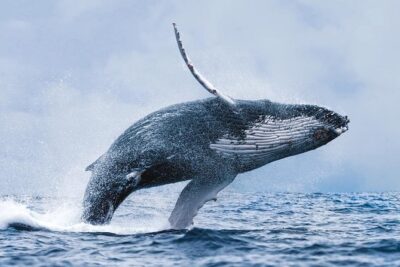
Whale Watching Tour with Professional Guide from Reykjavik
Read our review →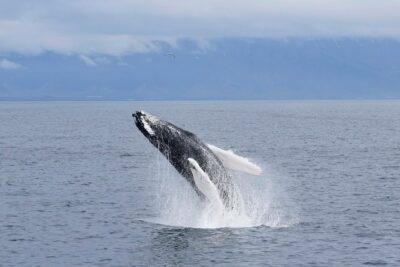
Whale-Watching Boat Tour with Expert Guide from Reykjavik
Read our review →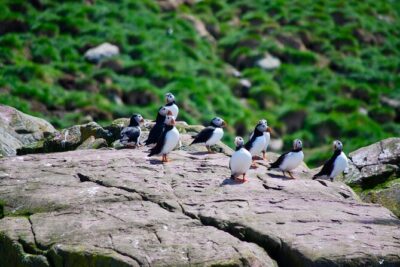
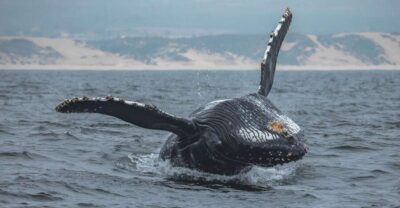
Monterey: Sunset Whale Watching Cruise with A Guide
Read our review →
Húsavík: Whale-Watching Cruise and Puffins Guided Tour
Read our review →
Monterey: Whale Watching Tour with A Marine Guide
Read our review →Browse the lists this tour appears in