
Review · SAN DIEGO
San Diego: Whale and Dolphin Watching Cruise
San Diego’s whale watching is a year-round affair, not a one-season gamble. Gray whales pass the coast on their winter and spring journey between Alaska and Baja California, while enormous blue whales often feed offshore in summer. Along the way, you may see dolphins racing beside the boat, sea lions, sunfish, seabirds, and the working harbor itself.
I like the museum-connected naturalists, who explain the animals as well as San Diego’s port, ships, military vessels, and environmental work. I also like the whale-or-dolphin guarantee, which gives you a return pass if the cruise finds neither. The main drawback is simple: wildlife follows its own schedule, and four hours on open water can be cold, windy, or rough.
Key points to know before you book
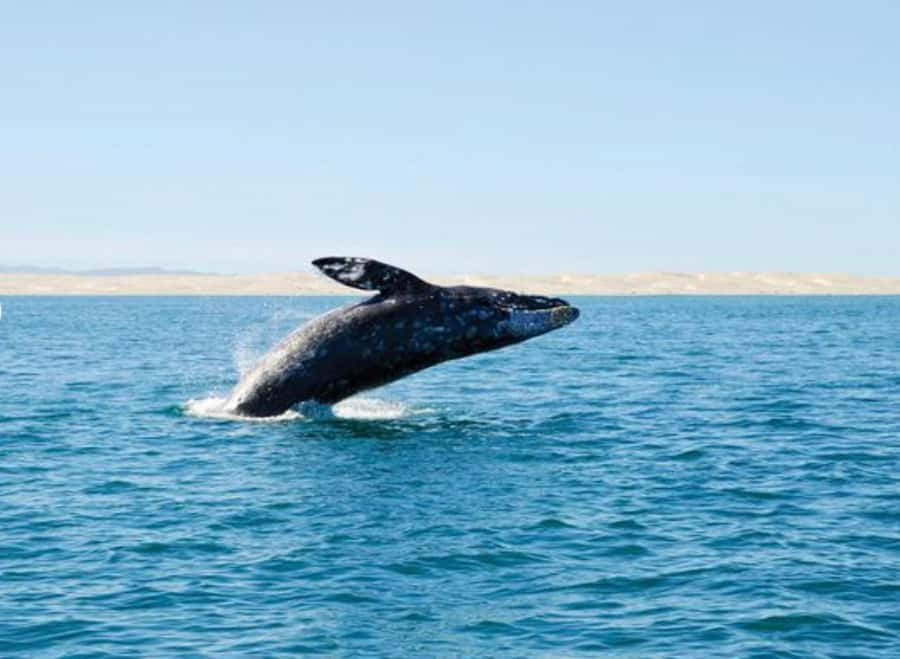
- Gray whales follow a winter and spring route: They travel between Alaskan feeding waters and calving lagoons in Baja California.
- Blue whales are the summer prize: These are the largest animals on Earth and often feed off San Diego’s coast during the warmer season.
- Dolphins can provide the action: Common, Risso’s, Pacific white-sided, and bottlenose dolphins may appear in large, fast-moving groups.
- The boat gives you a port tour, too: You’ll pass famous San Diego sights and hear about ships, submarines, military equipment, and harbor activity.
- Your ticket covers 3.5 to 4 hours on the water: Food and drinks cost extra, and outdoor-deck access requires stairs.
- Bring layers and motion-sickness help: Wear a jacket, hat, and sunglasses, and consider medication if you are sensitive to rolling seas.
From Pier 2 to the open Pacific
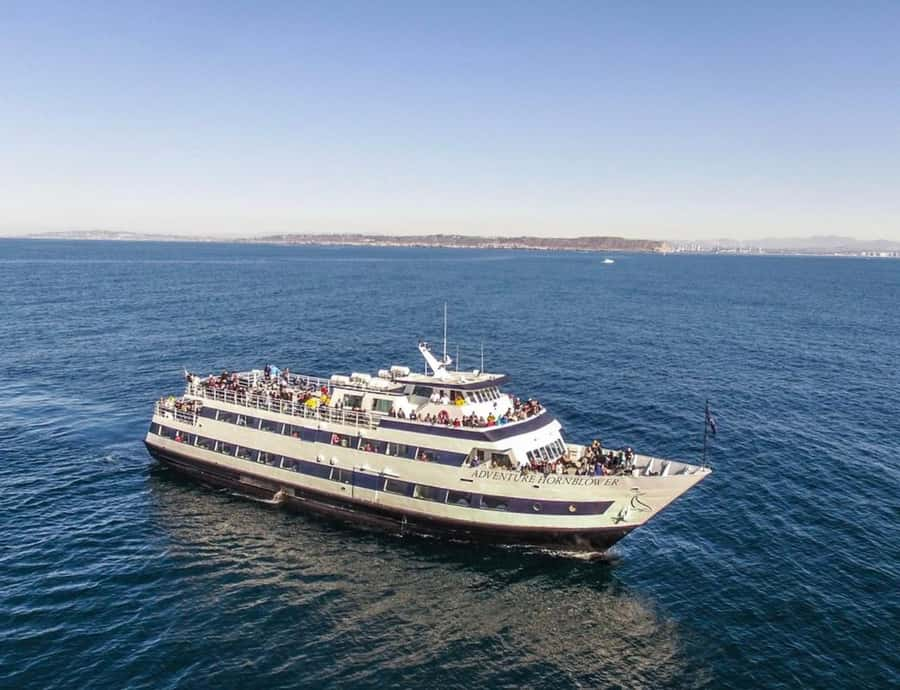
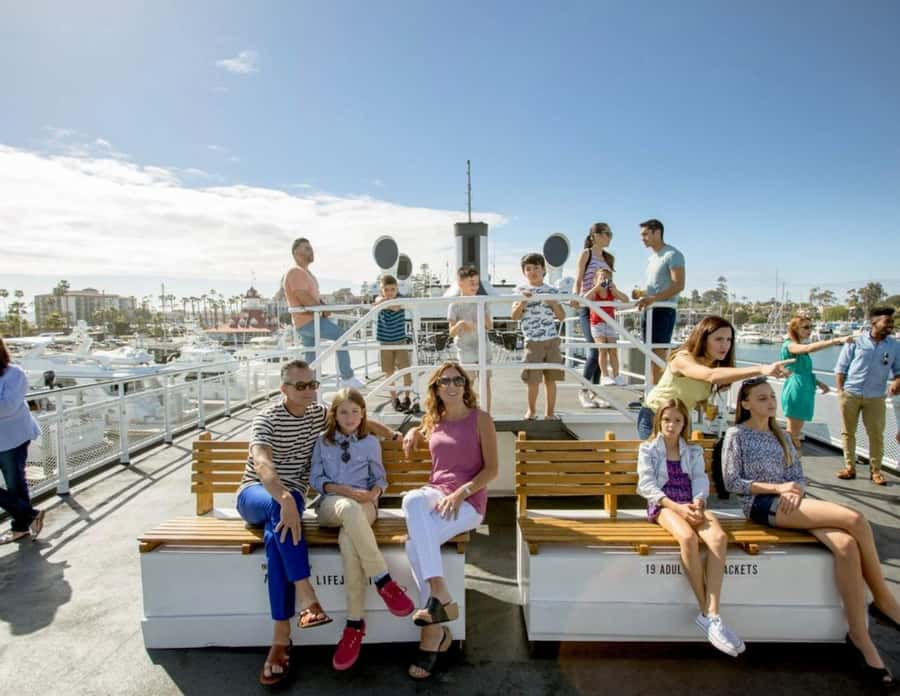
Your cruise begins at San Diego Harbor, at Pier 2, 970 North Harbor Drive. You check in there and return to the same point after the trip. Hotel transportation is not included, so plan your route to the harbor separately.
The first part of the outing gives you a useful look at San Diego from the water. The harbor is more than a pretty backdrop. It is a working port with large ships, naval equipment, submarines, and constant marine traffic. The captain and naturalists point out what you are seeing, giving the cruise more substance than a simple ride out and back.
That harbor portion also lets you settle into the boat before the search for whales begins. You can choose indoor seating or head outside, though the outer decks are reached by stairs. If you want a clear view of the sea, get outside when conditions allow, but do not assume you can stay warm without a jacket. Even a pleasant day on land can feel cold once the boat is moving.
The boat is described as large, fast, and stable, which helps on a four-hour outing. Still, stable does not mean motionless. The open Pacific can roll, and some people may feel seasick. If you know you are sensitive to motion, prepare before boarding rather than waiting until you feel unwell.
More Whale and Dolphin Tours in the USA
- San Diego Whale Watching & Dolphin Cruise
★ 4.5 · 1,588 reviews - Dolphin and Whale Watching Sunset Cruise
★ 4.5 · 249 reviews - City Cruises San Diego: Whale and Dolphin Watching Adventure
★ 4.0 · 143 reviews
The winter gray whale route
From roughly winter into spring, the main seasonal story is the gray whale migration. These whales travel south from feeding grounds in Alaskan waters to the calving lagoons of Baja California, then head north again. A mother and calf may be among the animals seen along the route.
A gray whale sighting is rarely a staged performance. You may see a spout, a back, or a brief appearance before the animal slips below the surface. The crew works to find the animals without approaching too closely, which matters both for the whale and for the quality of the encounter. You are watching a wild animal, not waiting for a trained show.
If seeing a gray whale is your main goal, season and patience matter. The cruise offers a strong chance to look, but no responsible whale trip can promise a close pass or a full view. The return pass helps soften the disappointment if the day produces neither a whale nor a dolphin, but it cannot make a later visit convenient for everyone.
Summer blue whales and other large species
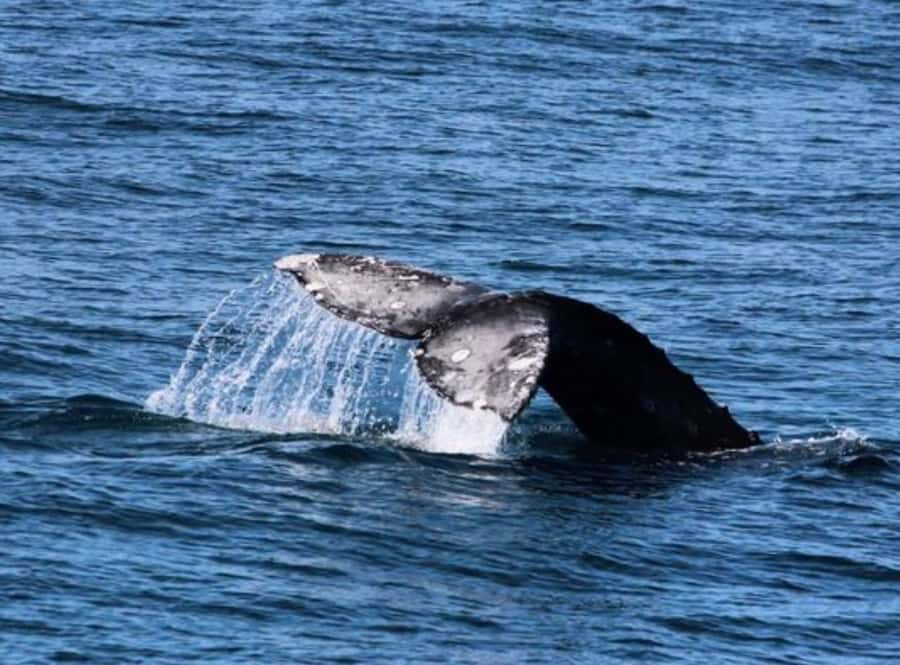
Summer brings the chance to see blue whales feeding offshore. These are the largest animals on Earth, and even a distant sighting can put the scale of the Pacific into perspective. The boat may also encounter fin, humpback, and minke whales during the summer season.
Blue whales move quickly for their size, and a sighting can be brief. You might catch a blow, part of the back, or the tall shape of the animal at the surface. Keep your eyes moving and listen carefully to the crew, since several people may be scanning different parts of the water.
A past cruise with Captain Rick produced a particularly varied day: common dolphins, a mako shark, mola mola, a fin whale, and a fast-moving blue whale. That exact mix is not something you should expect every time, but it shows why the trip is more than a single-species hunt. The ocean can change from one hour to the next.
Humpback whales may also turn up, and their surface behavior can be easier to notice than a quiet whale traveling steadily through the water. Still, wildlife sightings vary. One trip may produce several species, while another may bring only a distant whale or a large pod of dolphins.
Dolphins often make the trip
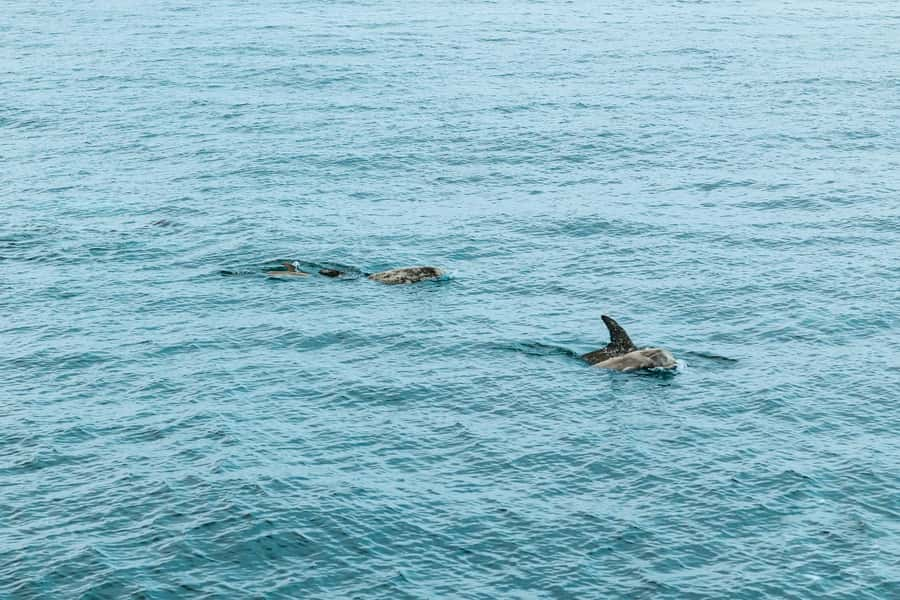
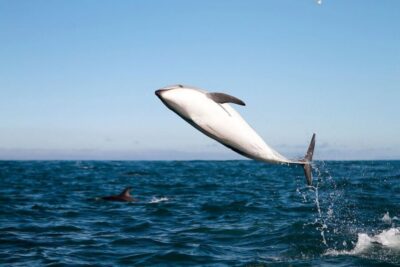
Dolphins are among the most reliable sources of action on this cruise. Possible species include common dolphins, Risso’s dolphins, Pacific white-sided dolphins, and bottlenose dolphins. Common dolphins may gather in large groups, sometimes feeding together or moving alongside the boat.
This is where the boat’s speed becomes useful. A pod can appear ahead, vanish, and then surface in another direction. Dolphins may swim beside the vessel for a while, giving you a better chance to watch their movement than you might get with a whale that surfaces once and disappears.
A large feeding group can be thrilling even if no whale appears. On one especially active outing, the dolphins numbered in the hundreds. On other days, the boat has found several smaller pods but no blue whale. The official guarantee is based on seeing some type of whale or dolphin, so check the exact pass terms at the time of booking if that promise matters to you.
More Whale and Dolphin Tours in San Diego:
- Whale and Dolphin Watching in San Diego
★ 5.0 · 129 reviews - Private Family Whale & Dolphin Adventure in San Diego
★ 4.5 · 98 reviews - San Diego: Dolphin and Whale-Watching Sunset Cruise
★ 4.5 · 83 reviews - San Diego Whale/Dolphin Watching Cruise Aboard Luxury Vessel
★ 5.0 · 64 reviews
Sea lions, sunfish, and seabirds
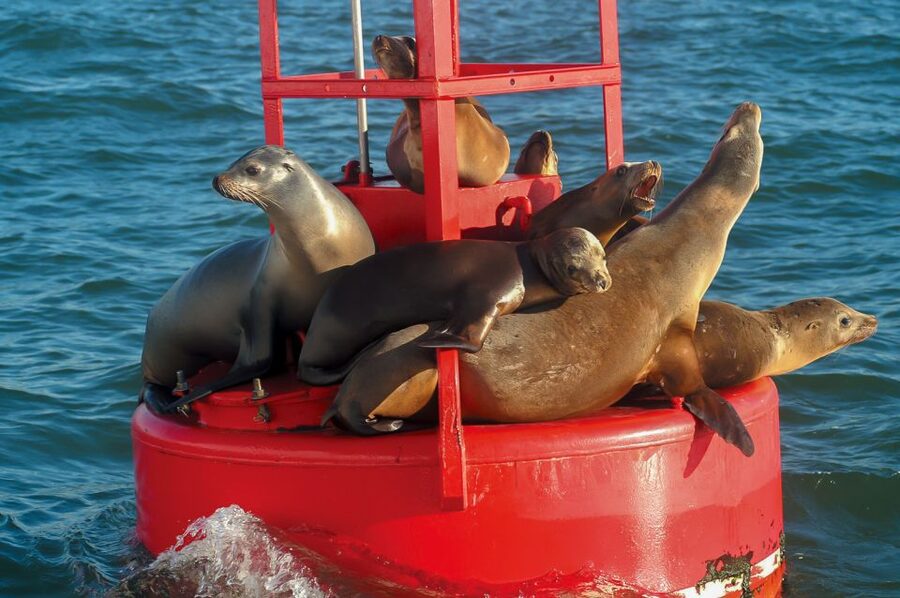
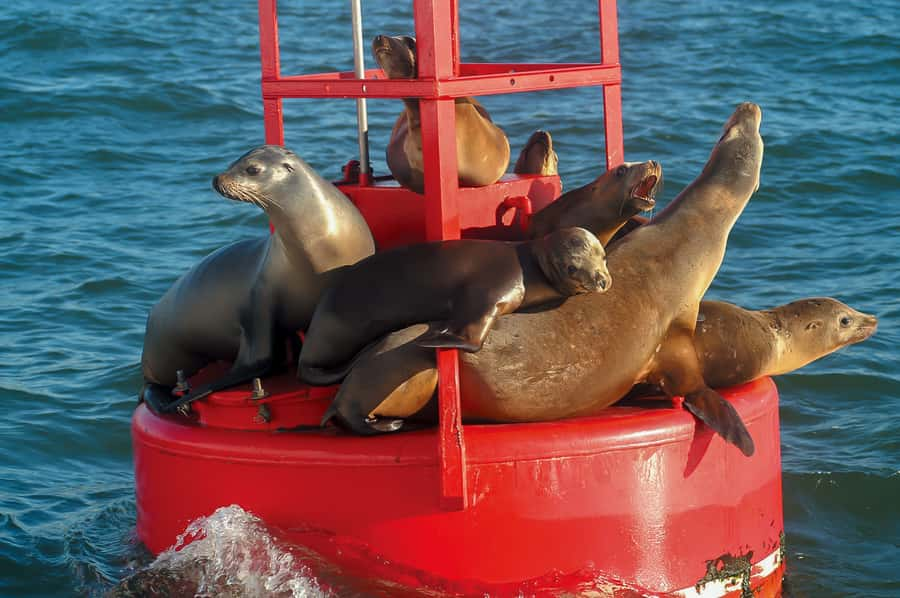
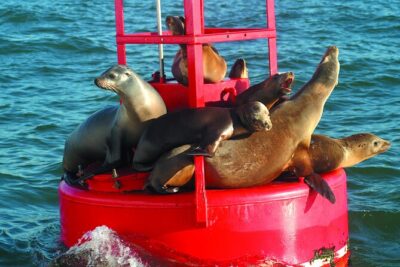
The smaller sightings are not filler. Sea lions may surface near the boat, and mola mola, or ocean sunfish, can appear as broad, unusual shapes near the surface. Their slow, odd-looking movement makes them easy to remember.
The crew may also point out herons, terns, pelicans, and gulls. These birds help you read what is happening on the water. A concentration of birds can suggest fish below, while seabirds resting on the surface add another layer to the outing.
You should keep your expectations broad. If you judge the cruise only by the distance of the nearest whale, you may miss the appeal of the whole marine setting. The wildlife list is long because the Pacific is varied, not because every animal will show up on every departure.
Naturalists add useful context
The educational side is one of the strongest reasons to choose this cruise over a bare-bones boat ride. Volunteer naturalists connected with the San Diego Natural History Museum provide live narration, while the professional crew discusses marine life and local environmental efforts.
The talk covers more than identification. You may learn about whale migration, feeding behavior, dolphins, seabirds, and the animals’ place in the local ecosystem. The narration also extends to San Diego’s harbor, including ships and military equipment. That combination keeps the trip interesting during quiet stretches when the water appears empty.
Audio coverage can vary by position on the boat. One past passenger found it harder to hear the naturalists from a different deck. If the narration is important to you, stay near the main speaking area and ask crew members where the naturalists will be stationed. Do not assume every corner of the boat has the same sound quality.
The educational approach suits families well. Children have something to watch, but they also get a clear explanation of what they are seeing. Adults who already know a bit about whales may still enjoy the port details and the chance to connect the animals with local conservation work.
What four hours feels like on the boat
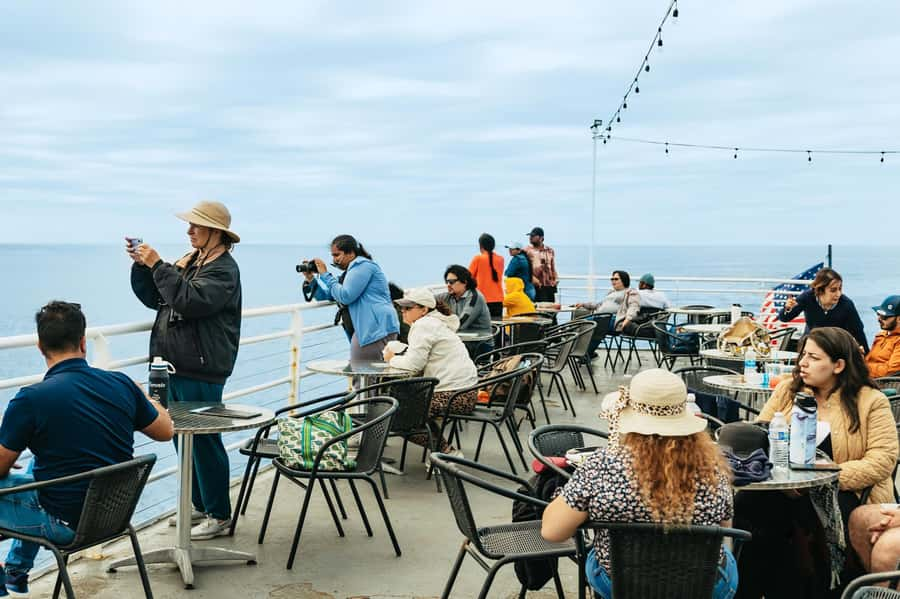
Four hours is long enough to reach productive offshore water and still allow time for a patient search. It is also long enough for cold, wind, sun, or motion to become tiring. I would treat the cruise as a half-day outdoor activity, not a quick harbor loop.
You have indoor and outdoor seating, so you can move around as conditions change. Outdoor decks give you the best chance to scan the water and take photographs, but the upper or outer areas require stairs. Indoor seating offers shelter, though windows and other passengers may affect your view.
Bring sunglasses because glare off the water can be strong. A sun hat helps on bright days, and a jacket is important even when the forecast looks mild. Food and drinks are available for purchase onboard, but they are not included in the $77 price.
Motion sickness deserves plain advice. The Pacific may be calm, but it may not be. If you are prone to seasickness, consider an appropriate remedy before the cruise and eat lightly. A miserable second half can overshadow a good sighting.
Is the $77 price good value?
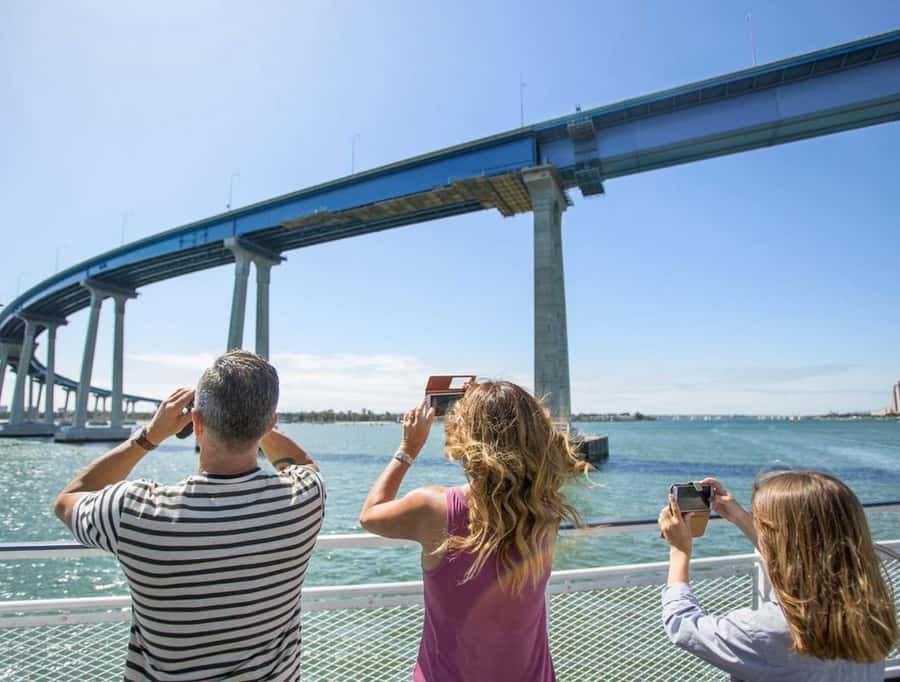
At $77 per person, this is a fair price for a four-hour cruise with a large boat, indoor and outdoor seating, live narration, and access to a crew focused on marine life. You are paying for time on the water and the search itself, not a guaranteed close-up encounter.
The value improves if you care about learning while you watch. The naturalists add local ecology and harbor context, and the captain may point out details you would miss on your own. The return pass also gives the ticket more protection than a standard wildlife outing if the boat finds neither whale nor dolphin.
The value is less certain if your schedule allows only one very specific sighting. A blue whale, gray whale, or dolphin pod may appear, but wildlife is unpredictable. One outing has produced whales, dolphins, a shark, and sunfish. Another has produced dolphins but no whale. Some departures have had no whale or dolphin and issued a return pass.
Think of the ticket as paying for a well-run search, not buying a whale encounter. That is the honest way to judge it.
Who will enjoy this cruise most?
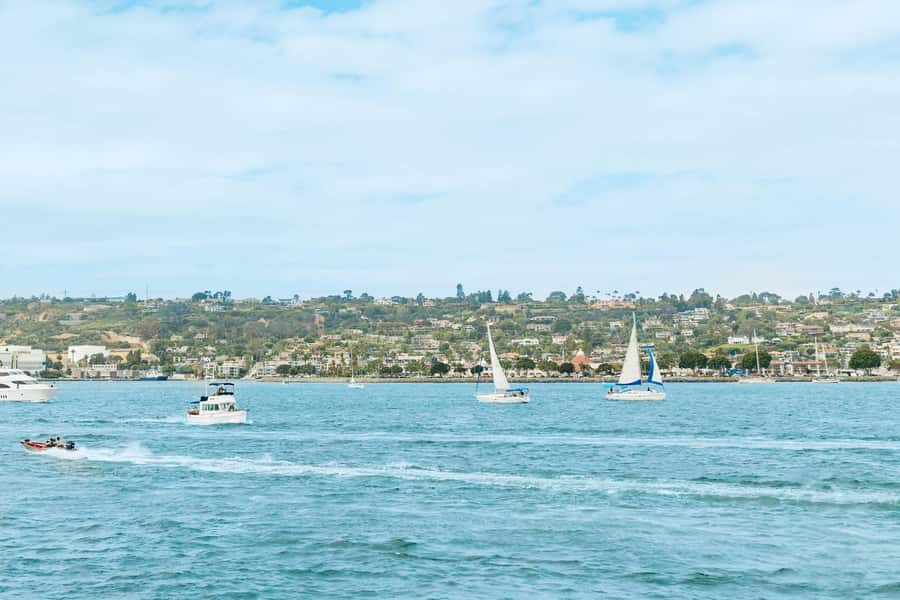
I would recommend it to families, couples, solo visitors, and San Diego residents who want a different view of the city. It is especially suitable for people who enjoy natural history and do not need every minute to be packed with action.
It is also a good choice for anyone who wants to combine wildlife with a harbor tour. The views of the coast, ships, military equipment, and port activity give you something to notice even during a quiet animal-search period.
You may want another plan if you dislike open water, have severe motion sensitivity, or need guaranteed step-free access to the outer decks. The activity information describes wheelchair access, but the current restrictions say the cruise is temporarily not wheelchair accessible because outdoor seating access requires stairs. It is listed as not suitable for wheelchair users, so contact the provider before booking if mobility access affects your plans.
If members of your party want to sit together, make one reservation for the entire group. Separate bookings do not guarantee seats together.
Practical details before you go
The cruise is offered as a 3.5 or 4-hour experience, with starting times shown during availability checks. English is the tour language, and the trip ends back at Pier 2.
A photo ID is required by Coast Guard regulations when you board. Bring sunglasses, a sun hat, and a jacket. Food and drinks can be bought onboard, but plan to pay separately.
Cancellation is flexible up to 24 hours before departure for a full refund, and you can reserve now and pay later. Those terms are useful if your San Diego schedule is still taking shape, though you should confirm the departure time and current access rules before finalizing plans.
Should you book the San Diego whale cruise?
Book it if you can give a half-day to the sea and will enjoy dolphins, seabirds, harbor views, and natural-history talk even when whales stay hidden. The strongest features are the museum-connected narration, the wide range of possible wildlife, and the return pass if neither a whale nor dolphin appears.
Choose your season with care. Winter and spring favor gray whales, while summer offers the best chance for blue, fin, humpback, and minke whales. No date guarantees success, but the cruise gives you a serious search with a fair safety net.
I would book this for the experience of being on the Pacific, not for a promised photograph. If you accept that bargain, $77 buys a thoughtful, flexible half-day outing with a real chance of seeing something extraordinary.
FAQ
Where does the whale watching cruise depart?
The cruise departs from Pier 2 at 970 North Harbor Drive in San Diego Harbor.
Where does the cruise end?
The activity ends back at the same meeting point at Pier 2.
How long is the cruise?
The cruise lasts 3.5 or 4 hours, depending on the departure selected.
What whales might I see?
Gray whales are common possibilities during their winter and spring migration. Summer may bring blue, fin, humpback, and minke whales.
Can I see dolphins on the cruise?
Yes. Possible species include common, Risso’s, Pacific white-sided, and bottlenose dolphins.
Is a whale or dolphin sighting guaranteed?
If you do not see some type of whale or dolphin during the cruise, you will be issued a pass valid for another San Diego whale watching or harbor cruise.
Is food included?
No. Food and drinks are available for purchase onboard but are not included in the ticket price.
Is the cruise wheelchair accessible?
The current information says the cruise is temporarily not wheelchair accessible because access to the outer decks is by stairs, and it is listed as not suitable for wheelchair users.
Just added around San Diego
- 3-Hour Guided Whale and Dolphin Watching Experience in San Diego★ 4.5 · 39 reviews
- Whale and Dolphin Watching in San Diego Speedboat Tour★ 3.5 · 3 reviews
- Whale and Dolphin Watching in San Diego★ 5.0 · 129 reviews
- San Diego Whale/Dolphin Watching Cruise Aboard Luxury Vessel★ 5.0 · 64 reviews
- City Cruises San Diego: Whale and Dolphin Watching Adventure★ 4.0 · 143 reviews
- San Diego: 3 Hour Whale Watching Cruise★ 4.5 · 106 reviews
- Private Family Whale & Dolphin Adventure in San Diego★ 4.5 · 98 reviews
- San Diego: Whale Watching Cruise★ 4.5 · 173 reviews
San Diego Whale Watching Tours, compared.
San Diego: Whale Watching Tour – Flagship Cruises & Events
Read our review →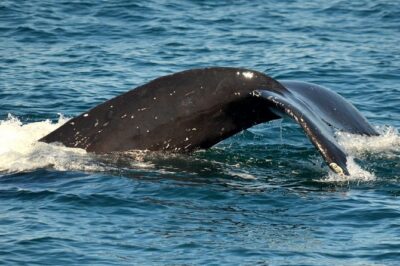
City Cruises San Diego: Whale and Dolphin Watching Adventure
Read our review →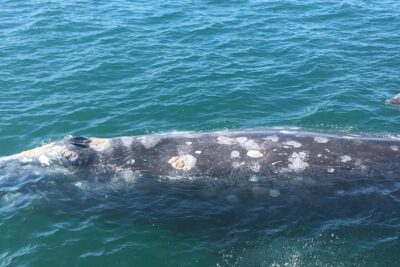
Browse the lists this tour appears in