
Review · VANCOUVER ISLAND
Nanaimo Whale Watching in a Semi-Covered Boat
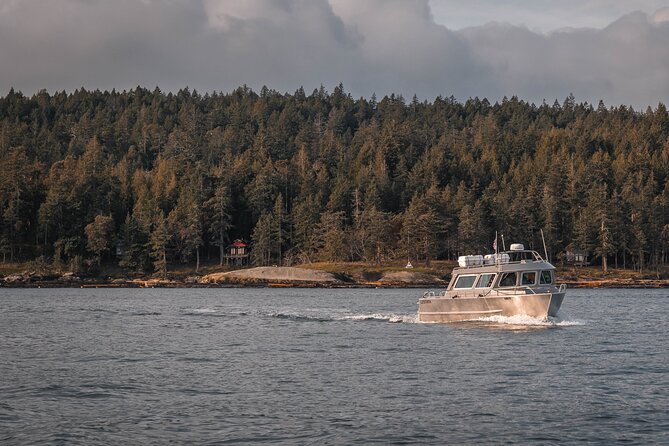
The main draw is simple: whale sightings are guaranteed. If your four-hour trip comes up empty, you can return for free. From Nanaimo, you cruise the Salish Sea and Gulf Islands aboard Kula, a small 12-passenger boat with covered seating and an open rear deck.
I like the small group size, which makes it easier to hear the guide and move between the sheltered cabin and the back deck. I also like the serious approach to wildlife. Guides such as Aly, Rebeka, and marine biologists who have led past trips explain animal behavior while keeping a respectful distance.
The tradeoff is the sea itself. Conditions can turn choppy, and this is not a good choice for pregnant women or anyone uneasy on open water. The tour also requires a moderate level of fitness, and the price does not include parking or lunch.
Key points to know before booking
- A 12-passenger boat: Kula keeps the group small and gives you a better chance of hearing the guide.
- Covered seating with an open rear deck: You have shelter from sun and spray, plus room to watch from outside.
- A full hour of whale viewing: The trip is planned around time with whales, not just a quick sighting.
- A free return if no whales appear: The guarantee takes some of the risk out of booking a wildlife trip.
- Summer morning and afternoon departures: You can fit the outing around your Nanaimo plans.
- Conservation is part of the trip: Your guide explains local threats to orcas and how sightings are recorded.
Setting out from Nanaimo on Kula
You check in at 90 Front St, number 5, in Nanaimo, 45 minutes before departure. That early arrival matters because the group heads to the boat together. Build in time to find the office and arrange your own transportation, since transport to the meeting point is not included.
Parking costs about $5 to $7 CAD for the day. The meeting point is near public transportation, which helps if you are staying in central Nanaimo. The outing ends back at the same spot, so you can leave your car there during the cruise.
Kula carries a maximum of 12 people. That is a useful middle ground. You get more space and personal attention than on a large sightseeing boat, but the small vessel can respond to sightings and cover more water with less fuss. The captain is certified by Transport Canada, and a professional marine guide accompanies you.
The boat has toilets onboard, shared binoculars, and sunscreen available. Bring your own camera and dress for changing conditions. The covered seating area gives you a break from sun and spray, while the open rear deck is the better place for unobstructed views and photographs.
A few more whale trips around Vancouver Island worth a look
- Victoria Whale and Wildlife Cruise
★ 5.0 · 1,729 reviews - Cowichan Bay Half Day Whale & Wildlife Adventure
★ 5.0 · 393 reviews - Vancouver Island Half-Day Whale Watching Tour – Telegraph Cove
★ 5.0 · 333 reviews
Reading the Salish Sea as you cruise
The first part of the outing is not simply a ride to the whales. Your guide introduces the Salish Sea ecosystem and explains how the Gulf Islands fit into the larger marine food web. You learn about the whale species that use these waters, their natural history, and the other animals that share the area.
That context makes the sightings more meaningful. A whale surfacing in the distance is not just a photograph to collect. You begin to understand what it may be feeding on, why it is in that part of the sea, and how orcas, humpbacks, gray whales, porpoises, seals, sea lions, and birds fit together.
The captain stays in contact with other whale watching boats by VHF radio. That communication helps the crew plan a route that covers a broad area instead of searching blindly in one place. It is a practical advantage, especially on days when animals have moved beyond the usual viewing area.
Still, a radio network cannot control nature. You may face a long run before the first sighting, and weather can affect the route. The captain may need to handle choppy water, as happened on outings where the ride began rough but settled into a productive search. The crew’s job is to find wildlife safely, not to promise calm water.
The hour reserved for whale watching
The tour sets aside a full hour for whale viewing. That is important. Some whale trips offer a quick glimpse and then turn back, while this plan gives you time to watch behavior and wait for another surface.
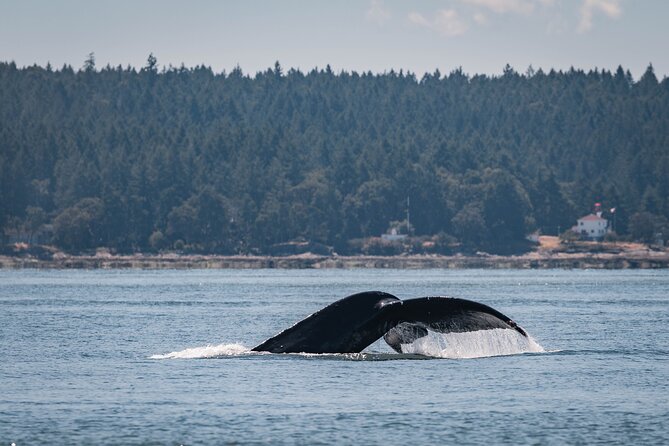
The exact animals vary. You might see humpbacks, orcas, gray whales, dolphins, porpoises, harbor seals, sea lions, and marine birds. Past outings have included several humpback whales, multiple orca pods, a gray whale showing its tail, and even a breach. Those moments are never guaranteed, but the crew works to give you sustained viewing when animals are found.
Your guide provides live explanations while you watch. You may hear individual whales identified through onboard catalogues, with attention paid to their behavior and movement. This adds a useful human scale to the experience. Instead of seeing an anonymous fin, you may learn that the whale has been recognized in the region and that its actions are being tracked over time.
Photography takes patience. Whales surface quickly, and the boat may be moving in rolling water. If you want a picture, keep your camera ready, but do not spend the whole hour staring at a screen. The crew may also take photographs and provide digital images after the trip, as happened on outings led by Aly and skipper Rodrigo. That can let you watch more closely without worrying about missing the perfect shot.
The shared binoculars are useful, though you should expect to take turns. Your best view may come from the rear deck, where you can scan the water without looking through glass. If the wind picks up, the covered seating area becomes a welcome retreat.
Meeting the animals at a respectful distance
Wildlife watching works best when the boat gives animals room. The crew keeps a good distance and does not treat the whales like performers. That approach may mean you do not always get a close, dramatic pass, but it protects the animals and gives you a more honest view of them in their own setting.
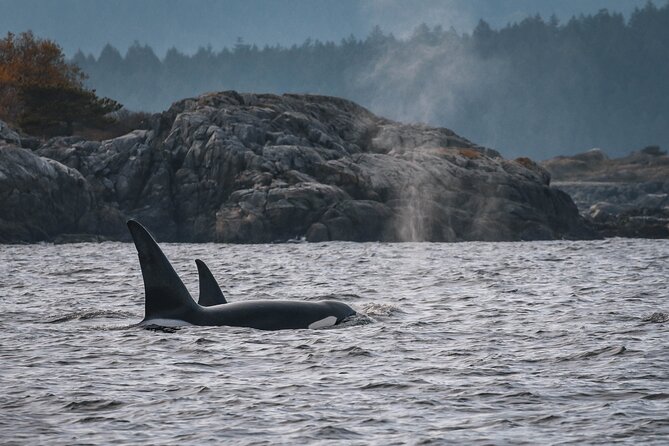
This is especially important with orcas. The guide can explain their names, habits, and place in the marine food web while the captain holds a safe position. On one strong outing, the boat encountered four pods of orcas and later met sea lions. On another, two orcas appeared within about 20 minutes and stayed in view for more than an hour.
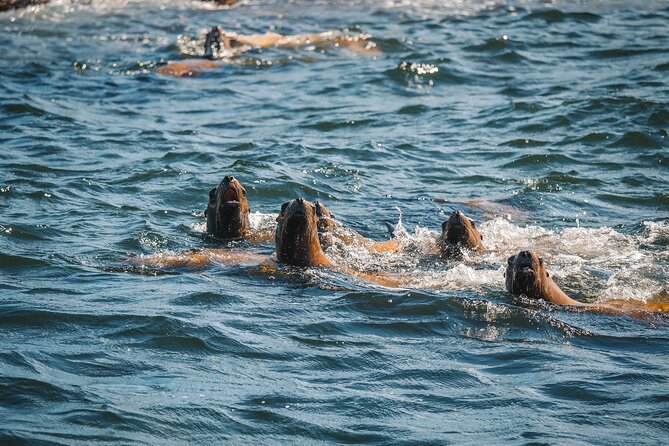
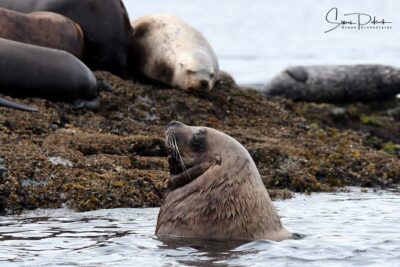
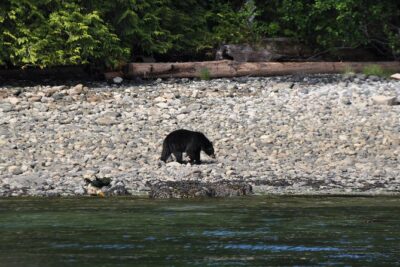
Humpbacks can offer a different kind of show. They may surface repeatedly, display a tail, or breach. Gray whales are less predictable, and spotting one can feel especially rewarding because sightings are not always easy. Smaller animals add variety when whales are distant or quiet. Sea lions, harbor seals, porpoises, and birds help fill out the picture of the Salish Sea.
Your guide’s role matters here. Guides such as Aly and Rebeka have explained animal behavior, the surrounding ecosystem, and conservation concerns during past departures. Look for someone who can keep the commentary useful without talking over the experience. The best moments often come when the guide explains what to watch for, then lets you enjoy the silence.
Same water, a different way to meet the whales:
- Victoria Sunset Whale-Watching Cruise
★ 5.0 · 281 reviews - Vancouver Island Zodiac Whale Watching Adventure – Telegraph Cove
★ 5.0 · 281 reviews - Whale Watching Nanaimo Open Boat Tour
★ 5.0 · 194 reviews - Zodiac Boat Whale and Wildlife 4-Hour Tour from Campbell River
★ 5.0 · 142 reviews
Why the conservation talk matters
The outing ends with an educational talk about marine conservation, including threats facing British Columbia’s orcas and current conservation efforts. This gives the trip a useful second purpose. You are not only looking for wildlife, you are learning what puts pressure on the animals and how research can help.
Sightings are recorded throughout the season. Information from the onboard catalogues is sent to the Centre for Whale Research, Keta Coastal Conservation, and the BC Cetacean Sightings Network. That means your time on the water can contribute to a wider record of individual whales and marine activity.
I appreciate this part because it avoids treating the sea as a stage set. The animals are the reason for the trip, but the ecosystem around them matters just as much. A conservation talk also helps you understand why responsible viewing rules are worth following, even when a closer approach might produce a better photograph.
Is $187.76 a fair price?
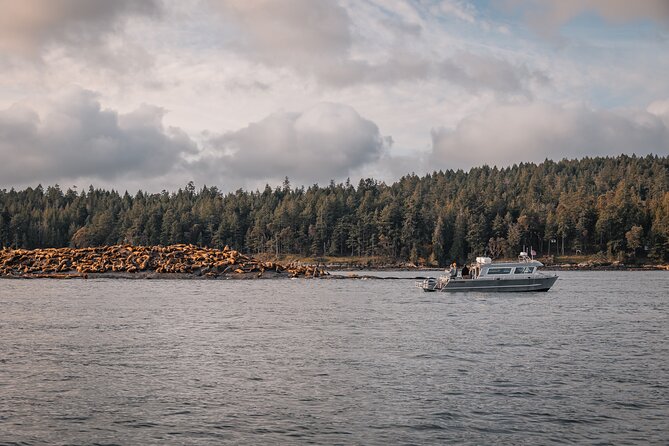
At $187.76 CAD per person, this is not a budget outing. The value comes from the small boat, the roughly four-hour duration, the full hour set aside for whale viewing, the trained crew, and the free return promise if no whales are seen.
You are also paying for route planning, radio contact with other boats, a marine biology presentation, onboard facilities, and the chance to learn about individual whales. The small capacity is a major part of the price. Kula’s 12-passenger limit gives you a more personal setting than a large vessel, though it does not remove the natural uncertainty of wildlife watching.
The guarantee improves the value. It does not promise a particular species, a breach, or a close pass. It does mean that an empty trip does not have to be your only chance. Weather or minimum passenger requirements can still lead to cancellation, in which case you are offered another date or a full refund.
Remember to add parking, about $5 to $7 CAD, and your own lunch costs. Lunch is not included, and transportation to the office is also your responsibility. Since the experience lasts about four hours, plan food around the departure rather than expecting a meal onboard.
Weather, comfort, and who should book
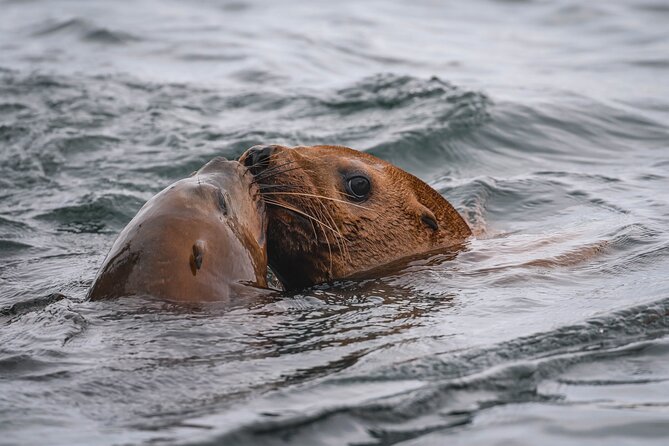
This is best for someone who wants a small-group wildlife trip and values explanation as much as photographs. Families with older children, couples, solo visitors, and anyone interested in marine biology should find the format appealing. The covered seating makes the boat more comfortable than a fully open craft, while the rear deck gives you a better view when conditions are pleasant.
You should have a moderate level of physical fitness. The boat moves through open water, and you may need to shift between seating areas as conditions change. The experience is not suitable for pregnant women.
Summer gives you a choice of morning or afternoon departure. Pick the time that works best with your schedule, but remember that animal activity cannot be ordered like a restaurant reservation. The strongest reason to choose this tour is the crew’s effort to search widely and explain what you see, not a promise of a particular time of day.
Poor weather can cancel the trip. If that happens, you receive the choice of another date or a full refund. You can also cancel for a full refund up to 24 hours before the start time. Cancellations or changes made inside that 24-hour window are not refunded or accepted.
Should you book this Nanaimo whale watch?
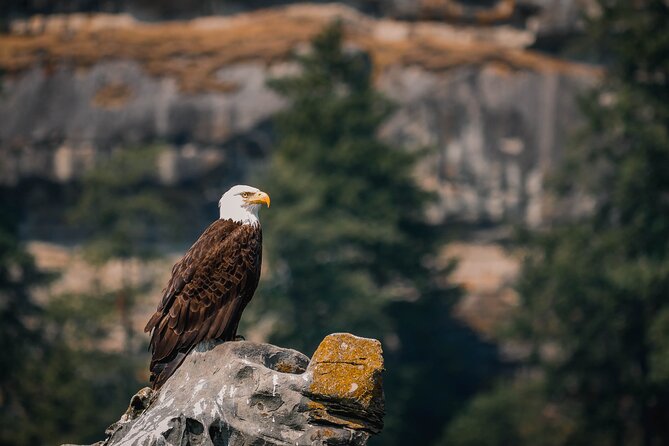
Book it if you want a small, carefully guided wildlife outing rather than a simple boat ride. The 12-passenger limit, covered cabin, open rear deck, marine biology focus, and full hour of viewing make the format easy to recommend for a serious whale-watching day.
The free return promise is helpful, especially for a costly wildlife experience. Just keep your expectations realistic. You are booking time in a living ecosystem, not a guaranteed orca performance. If you can handle some motion, accept changing weather, and value conservation as much as a dramatic photograph, this is a strong use of a half-day in Nanaimo.
FAQ
Where does the Nanaimo whale watching tour begin?
It begins at 90 Front St, number 5, Nanaimo, British Columbia, V9R 5H7. The activity ends back at the same meeting point.
How early should I arrive?
You should check in 45 minutes before your scheduled departure time. The group then walks down to the boat together.
How long does the experience last?
The tour lasts approximately four hours. It includes travel through the Gulf Islands, wildlife searching, about one hour of whale viewing, and a conservation talk.
How many people can ride on the boat?
The boat, Kula, has a maximum capacity of 12 passengers.
Is there covered seating?
Yes. The seating area is covered, and the boat also has an open deck at the back.
What happens if no whales are seen?
The tour guarantees whale sightings. If you do not see whales, you can return for free.
What happens if the tour is canceled because of weather?
You will be offered an alternative date or a full refund. The same options apply if the minimum number of passengers is not reached.
Just added around Vancouver Island
- Sea Otter and Whale Watching Tour on Northern Vancouver Island★ 5.0 · 52 reviews
- Salish Sea Whale Watching Tour in Campbell River★ 5.0 · 90 reviews
- Parksville Half Day Whale and Wildlife Adventure★ 5.0 · 5 reviews
- Victoria Shore Excursion: Whale-Watching Cruise with Expert Naturalist Guides★ 4.5 · 23 reviews
- Zodiac Boat Whale and Wildlife 7-8-Hour Tour from Campbell River★ 5.0 · 28 reviews
- Parksville Sunset Whale and Wildlife Adventure★ 5.0 · 2 reviews
- Whale Watching Nanaimo Open Boat Tour★ 5.0 · 194 reviews
- Covered Boat Whale Watching 6-Hour Tour from Campbell River★ 5.0 · 66 reviews
Vancouver Island Whale Watching Tours, compared.
Cowichan Bay Half Day Whale & Wildlife Adventure
Read our review →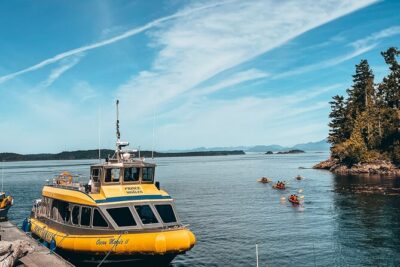
Vancouver Island Half-Day Whale Watching Tour – Telegraph Cove
Read our review →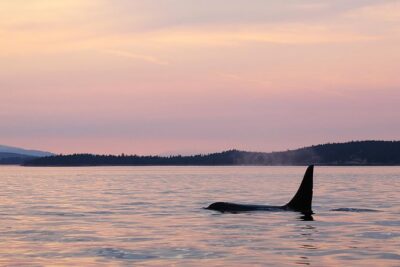
Vancouver Island Zodiac Whale Watching Adventure – Telegraph Cove
Read our review →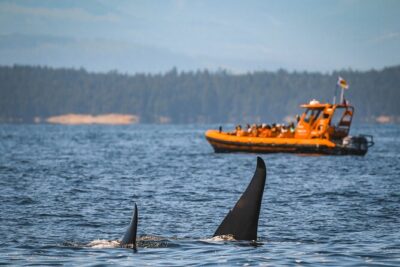
Zodiac Boat Whale and Wildlife 4-Hour Tour from Campbell River
Read our review →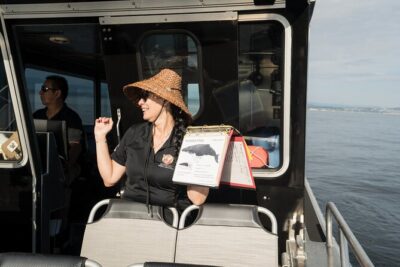
Salish Sea Whale Watching Tour in Campbell River
Read our review →Browse the lists this tour appears in