
Review · WHALE WATCHING
Whales & Humboldt Penguins: Chañaral or Damas island hiking
The best part of this long day is the sudden change from Atacama desert to a busy South Pacific wildlife zone. You leave La Serena by air-conditioned vehicle, cross old mining and fishing country, then board a boat near Punta de Choros for islands edged with beaches, cactus, penguins, sea lions, and possible whales.
I like the strong sense of place here, from the Juan Soldado bridge and ancient coastal settlements to the fishing communities of Los Choros. I also like the mix of land and sea: the road journey explains the region, while the boat brings you close to its wildlife. The tradeoff is time. Ten hours is a full day, and the actual water portion depends heavily on wind, tides, waves, and luck.
Key points to know
- Whale watching is possible, not guaranteed: Recent sightings have included whales, dolphins, penguins, sea lions, otters, and many seabirds.
- The route takes you beyond the beach: You pass shepherd, farming, mining, and fishing country before reaching Punta de Choros.
- Choros and Damas islands offer different pleasures: Choros is mainly a wildlife-viewing stop by boat, while Damas includes time for walking and hiking.
- A bilingual guide adds context: English and Spanish guiding covers local geography, coastal peoples, wildlife, and the settlements along the route.
- Lunch is included in Los Choros: You receive a choice of starter, main course, dessert, and a drink such as wine, water, or a soft drink.
- Prepare for a long day at sea: Warm layers matter, and anyone prone to seasickness should think carefully before booking.
From La Serena to the Green North
Pickup and drop-off are included at your accommodation in La Serena. The day lasts about 10 hours, with air-conditioned transport and a bilingual guide in English and Spanish.
This is not a quick transfer to a boat. The road trip is part of the experience. You move north through the meeting point of Coquimbo’s greener coastal zone and the start of the Atacama, the driest desert in the world. The scenery changes gradually, which makes the geography easier to understand than it would be from a single harbor departure.
The guide also gives the drive a human story. This coast has been shaped by ancient shepherds, miners, farmers, indigenous fishing communities, seaweed collectors, divers, and artisanal fishermen. The Los Changos, Choros, and Camanchacas peoples are part of that story, as are the old traditions of fishing from rafts made with sea lion skin.
I would not book this day if you want only a short wildlife cruise. I would book it if you enjoy the road between destinations and want the wildlife outing set in its local setting.
A few more whale trips around the world worth a look
- Valley of whale’s & Al Fayoum by jeep 4*4 – private Desert full Day Trek – Cairo
★ 5.0 · 4 reviews - Port Stephens, from Newcastle: Whales, hike & sand dunes!
★ 5.0 · 4 reviews - Port Stephens, departing Newcastle – Whales, hike & sand dunes!
★ 5.0 · 3 reviews
Punta Teatinos and the Juan Soldado bridge
The first brief stop is Punta Teatinos, where you get scenic coastal views and a quick introduction to the area. The stop is listed at about five minutes, so think of it as a chance to stretch and orient yourself rather than a full visit.
The Antiguo Puente Juan Soldado follows. This is a short photo stop, lasting around 10 minutes, with a guided explanation of the old bridge and the scenery around it. The name adds a sense of local legend and memory to what might otherwise be just another roadside pause.
These early stops are modest. Their value comes from breaking up the drive and giving you a few physical landmarks before the day turns toward the islands.
Caleta Los Hornos and La Higuera
At Caleta Los Hornos, the coastal character becomes clearer. You get a guided look at a fishing settlement, scenic views, and a drive through the surrounding terrain. The stop lasts roughly 10 minutes, so you will not have time for a long independent wander.
The road then reaches La Higuera, with around 20 minutes of guided sightseeing and scenic driving. This is one of the places where the tour explains how farming, mining, pastoral life, and fishing meet in northern Chile.
The route has a useful contrast. La Serena is a city with services and a settled urban feel. By the time you are north of it, you are moving through much more open country, with fewer signs of daily city life and a stronger connection to the desert coast.
Quebrada de los Choros and the road to the harbor
The Quebrada de los Choros is another short stop, about 20 minutes, with a photo opportunity, free time, scenic views, and a chance to watch for wildlife. The dry valley makes a sharp visual counterpoint to the sea ahead.
Keep your eyes open during the drive. The route has produced sightings of guanacos, foxes, and even wild donkeys, though animals are never promised. One outing also included a stop to see guanacos, while another guide paused when something interesting appeared along the road.
That flexibility can be a real strength when the guide is alert and engaged. It can also make the day feel less tightly timed, so do not expect every minute to run like a train schedule.
Same water, a different way to meet the whales:
- Tenerife: Eco-Yacht Whale and Dolphin Watching and Swimming
★ 4.7 · 15,619 reviews - Los Cristianos Respectful No-Chase Whale and Dolphin Safari
★ 4.6 · 12,782 reviews - Reykjavík: Whale Watching and Marine Life Cruise
★ 4.6 · 9,838 reviews - From Funchal: Ecological Catamaran Dolphin Whale Watching
★ 4.5 · 8,204 reviews
Punta de Choros: safety briefing before the boat
Punta de Choros is the main transition point. You get a break, a guided visit, a photo stop, and a safety briefing before boarding the boat. The listed stop is about 20 minutes, though practical timing depends on the sea and local operating conditions.
This is where the coastal communities come back into view. Punta de Choros is associated with experienced artisanal fishermen and people who work with fishing, diving, and seaweed collection. The harbor is not just a launch point. It is part of the working coast you came to see.
Listen carefully during the safety talk. The tour is not suitable for people with mobility impairments, serious back problems, epilepsy, or a strong tendency toward seasickness. You should also bring warm, weather-appropriate outdoor clothing. Even a mild day on land can feel cold on an open boat.
Isla Choros and the search for whales
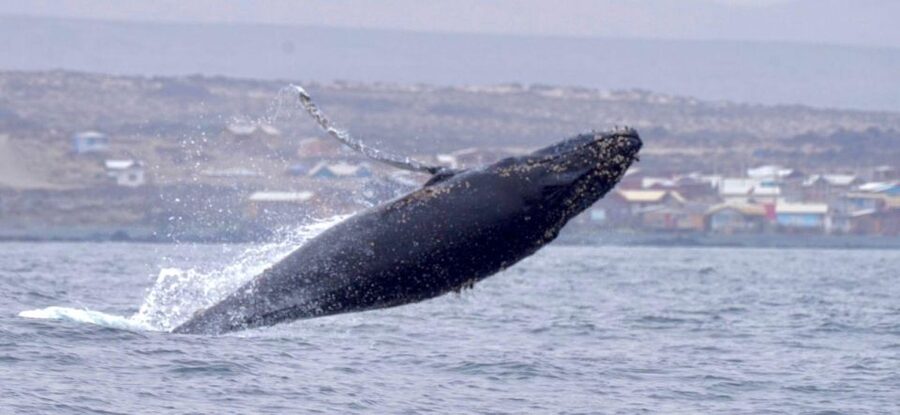
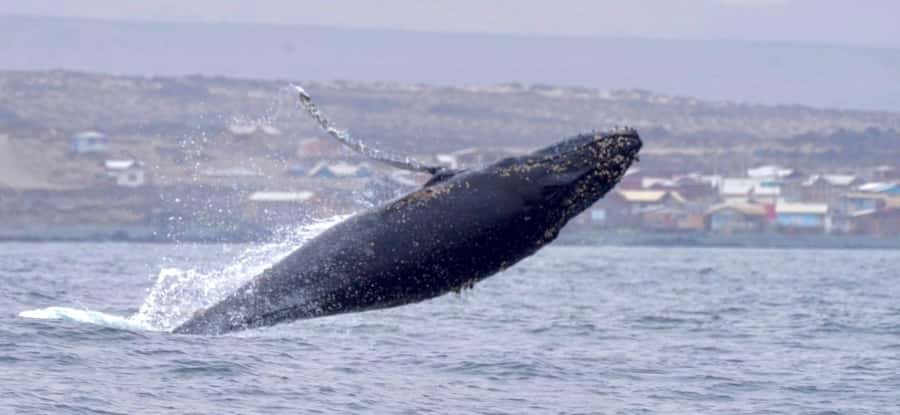
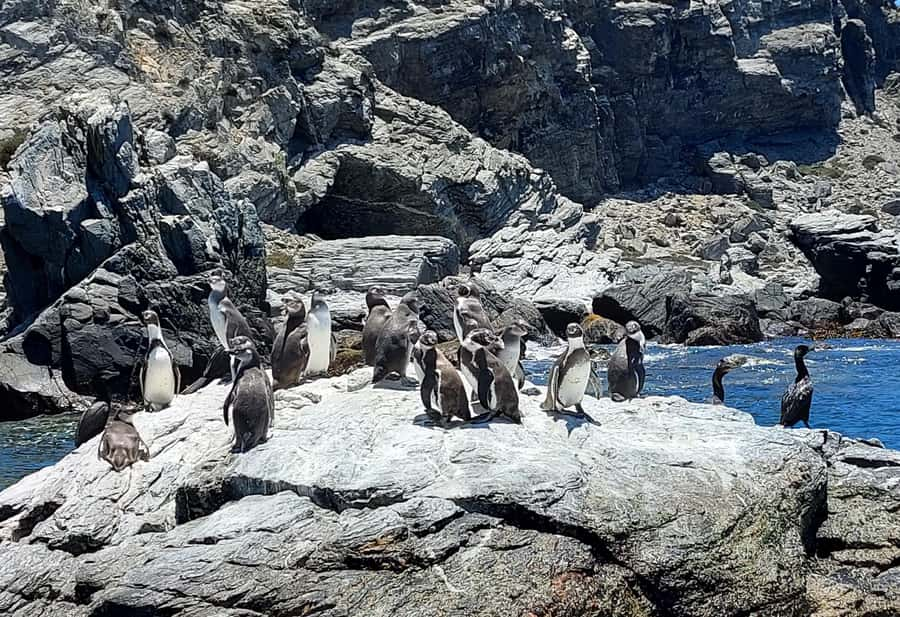
The boat cruise around Isla Choros is scheduled for about one hour. This is the main wildlife section, with chances to see dolphins, whales, seabirds, and other marine life.
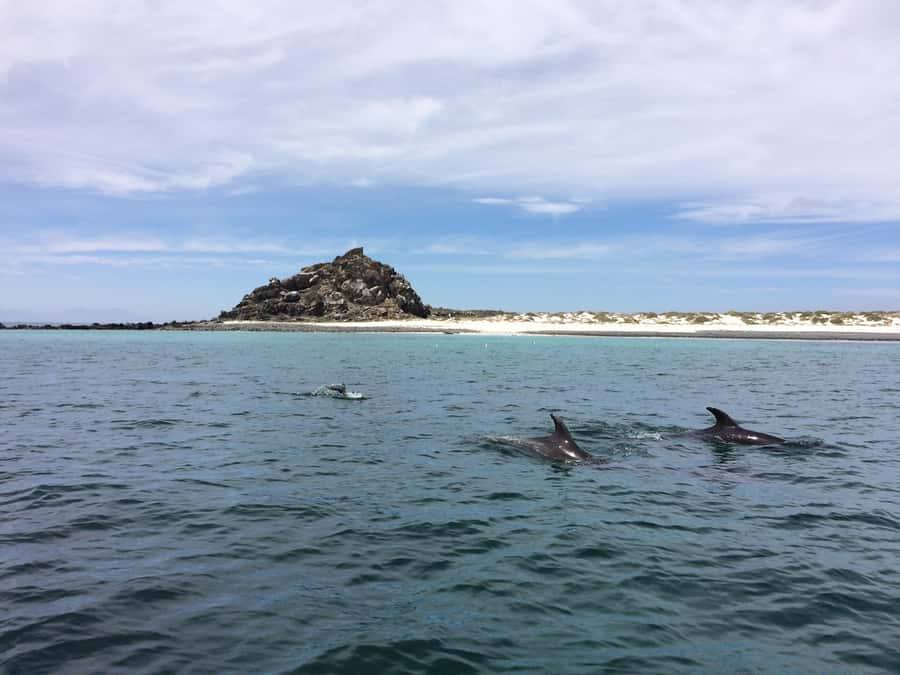
Humboldt penguins are one of the headline species. Sea lions are another likely highlight, and sightings have also included sea otters, fishing birds, raptors, and dolphins. Whales have been seen close enough to make the outing unforgettable, but whale watching is never a guaranteed performance. You are watching a living sea, not following a fixed route through an aquarium.
The sea conditions matter greatly. The operator checks the weather two days before departure and informs passengers about the expected conditions. Wind, tides, and waves can change the route or affect how comfortable the boat feels.
One important point: conditions can produce very different wildlife results. On one day, the boat delivered whales, sea lions, penguins, otters, birds, and dolphins. On another, the main sightings were a few seals and one penguin. You should book for the entire natural setting, not only for a whale photograph.
Isla Damas and the one-hour walk
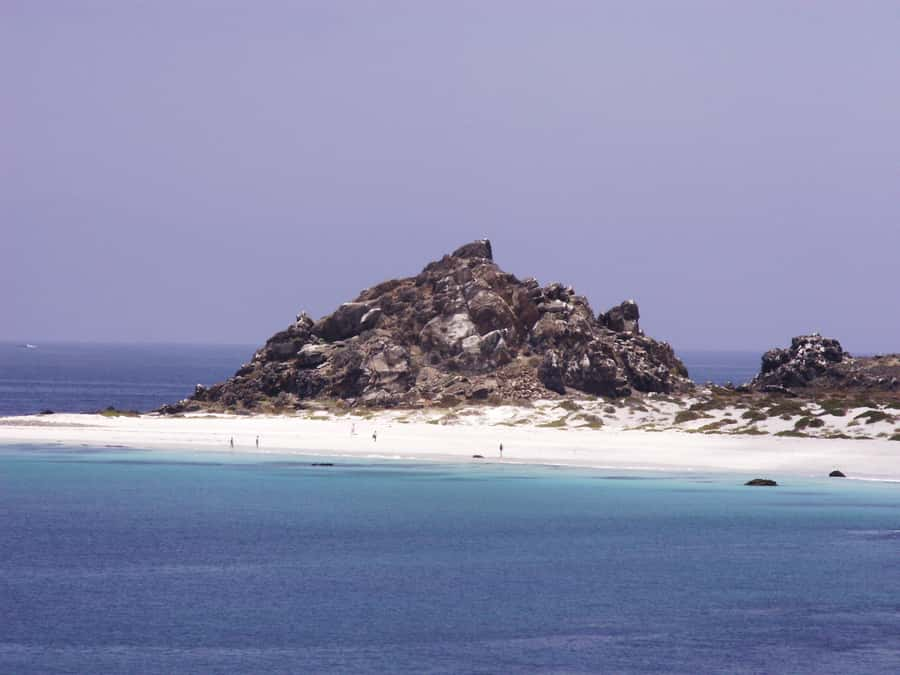
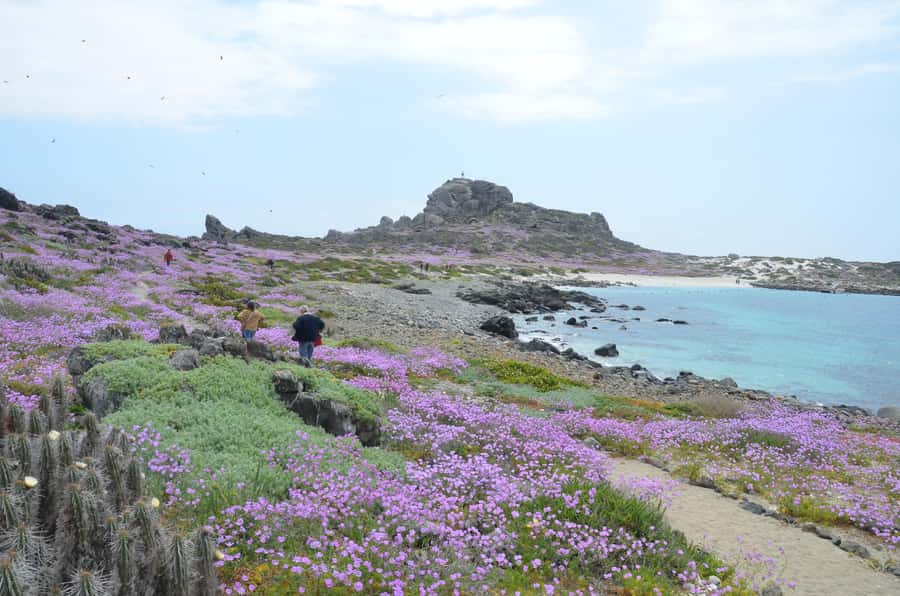
Isla Damas brings you closer to the islands themselves. The stop includes a photo opportunity, guided sightseeing, free time, walking, hiking, and marine wildlife viewing, with about one hour scheduled.
The island scenery is unusual. Beaches sit beside cactus and other plants adapted to a dry climate, while stone formations create shapes that have inspired local myths about stone gods. This is where the tour’s two environments meet most clearly: desert vegetation on land, cold-water wildlife offshore.
You should expect a light outdoor walk rather than a strenuous mountain hike, but the experience is still not suited to people with mobility limitations. Wear practical outdoor clothing and shoes suitable for walking. The tour does not provide a detailed difficulty rating, so anyone with concerns about balance, back pain, or uneven ground should ask before booking.
Lunch in Los Choros
After the island visit, the group returns to Los Choros for a break and lunch. Around 70 minutes is scheduled, and the meal includes different starter, main course, and dessert choices, plus wine, water, or a soft drink.
The seafood and drinks are part of the appeal. After a long road trip and time on the water, a local meal gives the day a calmer finish. I also like that lunch is included in the price rather than left to chance in a small coastal settlement.
Time management matters here. A meal can feel rushed if the group reaches the restaurant late or service takes longer than expected. One outing left a person receiving lunch only about 10 minutes before departure, and another assessment found the meal acceptable but not essential. If you care more about wildlife time than a sit-down meal, this is worth considering.
The return to La Serena completes the 10-hour day. Some of the driving may feel long, especially after the boat ride, but it is also what allows the tour to connect inland history, desert ecology, fishing culture, and island wildlife in one outing.
What the $280 price includes
At $280 per person, this is not a budget boat trip. The price covers accommodation pickup and return, air-conditioned transport, a bilingual specialized guide, the marine reserve entry ticket, boat navigation, and lunch with a drink.
That bundle has real value if you would otherwise need to arrange several pieces yourself. You avoid finding transport to Punta de Choros, handling the reserve ticket, choosing a boat operator, and locating lunch after the cruise. The guide also helps turn a long transfer into an interpreted journey.
The value drops if you want only two or three hours on the water. A substantial part of the day is spent driving, and the boat portion is listed at roughly three hours in total across the island visits and navigation, with the main Isla Choros viewing portion lasting about one hour. The tour suits you best when the full regional story matters as much as the wildlife count.
Guide quality and the group experience
The strongest praise centers on the guides. Christopher is specifically noted for excellent driving and for making the scenery and wildlife along the road feel worthwhile. Martin is described as kind, helpful, and generous with information, stopping when something interesting appeared.
The guide’s role matters more here than on a simple cruise. You are crossing several geographic zones, and the day includes local history, indigenous fishing traditions, desert plants, marine ecology, and roadside animals. A guide who explains what you are seeing can make the long drive feel purposeful.
The experience can vary depending on the individual guide and the conditions. Land guiding has received especially strong praise, while the marine sightings are naturally less predictable. I would ask at pickup about the expected wind, sea state, and planned time on each island.
Who should book this day trip?
I would recommend it to you if you want a broad northern Chile experience in one day. It is especially suitable for people who enjoy coastal geology, local culture, road scenery, and wildlife watching rather than a single tightly focused activity.
It is also a good choice if you do not have a rental car or do not want to organize the remote route yourself. Pickup in La Serena, air conditioning, a guide, reserve entry, boat transport, and lunch remove much of the practical work.
I would hesitate if you dislike long drives, get seasick, need a highly predictable timetable, or care only about seeing whales. The tour operates in a natural setting, and poor wind or sea conditions can affect the boat portion. The company checks conditions two days ahead, which helps, but it cannot control the ocean.
Free cancellation up to 24 hours before departure and the option to reserve now and pay later make the booking less rigid. Still, you should bring warm layers, dress for outdoor conditions, and take seasickness risk seriously.
Should you book Whales and Humboldt Penguins?
Book this tour if you want the full journey from desert valleys to island beaches, with local stories, wildlife, and a seafood lunch woven together. The best days can include whales, dolphins, penguins, sea lions, otters, raptors, and guanacos, along with a guide who makes the road meaningful.
Skip it if your priority is maximum boat time or a short, inexpensive cruise. At $280, the cost pays for transport, guiding, reserve access, lunch, and the long route, not just the wildlife viewing.
My practical advice is simple: choose this outing for the region, not for a guaranteed animal checklist. If the weather cooperates and you enjoy the road as much as the islands, it offers one of the more unusual ways to see Chile’s northern coast.
FAQ
Where does the tour start and finish?
The tour includes pickup from and drop-off at your accommodation in La Serena.
How long does the experience last?
The full excursion lasts about 10 hours, including the road journey, island boat navigation, lunch, and the return to La Serena.
Which languages are available?
The live guide service is available in English and Spanish.
Which islands does the tour visit?
The route includes boat navigation around Isla Choros and a visit to Isla Damas. The experience is described as a Chañaral or Damas island hiking trip, while the detailed route names Choros and Damas.
What wildlife might I see?
Possible sightings include Humboldt penguins, whales, dolphins, sea lions, sea otters, seabirds, raptors, guanacos, foxes, and wild donkeys. Wildlife sightings depend on natural conditions and are not guaranteed.
What is included in the price?
The $280 price includes accommodation transfers, air-conditioned transport, a bilingual specialized guide, the marine reserve ticket, boat navigation, and lunch with a starter, main course, dessert, and a drink.
What should I bring, and when can the tour be canceled?
Bring warm, weather-appropriate outdoor clothing. You can cancel up to 24 hours in advance for a full refund. The tour also depends on suitable wind, tides, waves, and general weather conditions, which are checked two days before departure.
Just added around the world
- Newport Beach: Year-Round Whale Watching Cruise★ 4.2 · 151 reviews
- Wismar: Electric Boat Tour past Whale Island with Poel Stop★ 4.3 · 91 reviews
- Wilsons Promontory: Whale Spotting Cruise with Lunch★ 4.9 · 20 reviews
- Madeira : Whales and Dolphins wooden boat excursion★ 4.1 · 247 reviews
- Juneau: Mendenhall Glacier and Whale Watching Tour★ 4.6 · 98 reviews
- West Oahu: Eco-Friendly Whale Watching Cruise★ 4.5 · 40 reviews
- From Punta Canta: Whale Watching Cruise with Cayo Levantado★ 3.9 · 7 reviews
- Whale watching tour SEASONAL★ 4.1 · 3 reviews