
Review · MADEIRA
Caniçal : Madeira Whale Museum Entry ticket
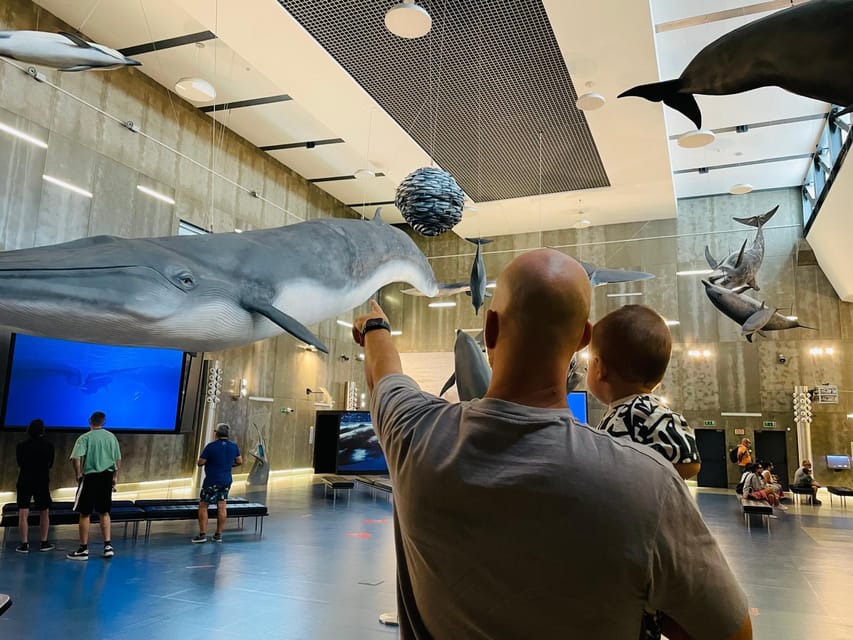
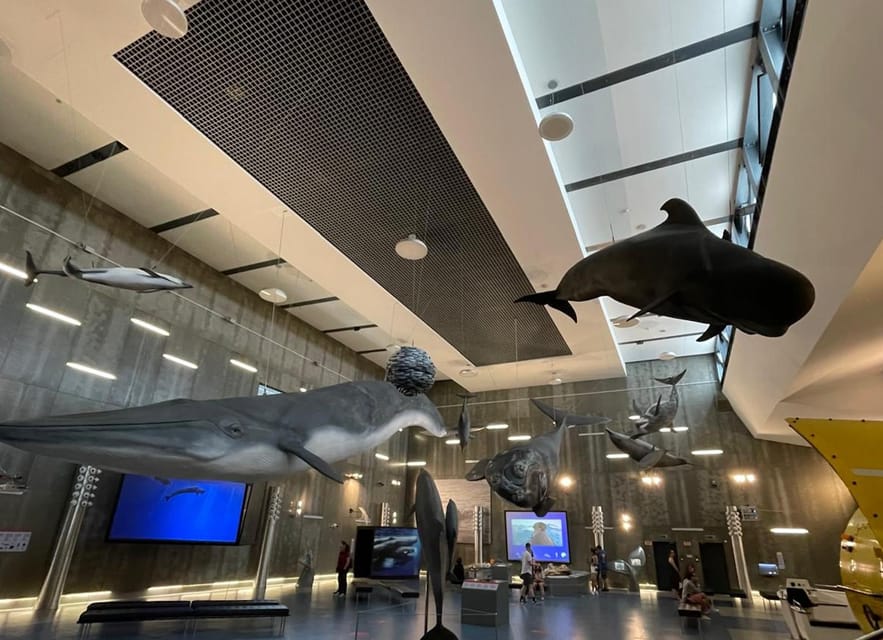
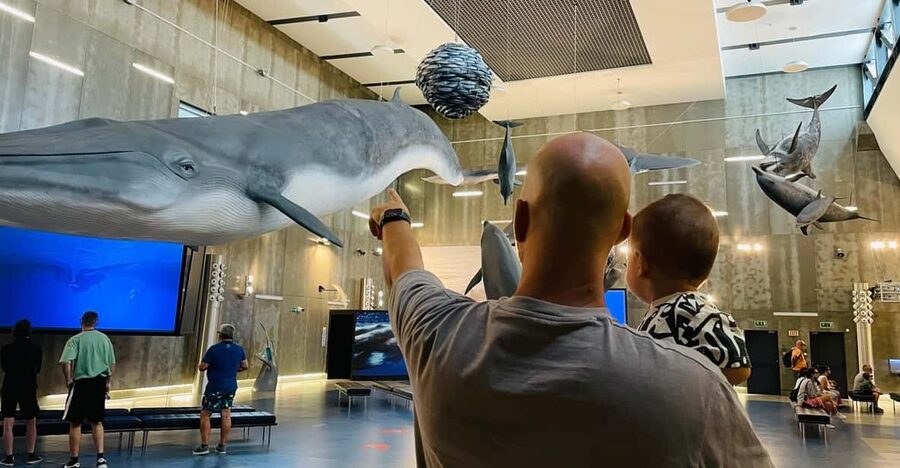
The most striking part of the Madeira Whale Museum is its scale. Life-size whales and dolphins hang above the exhibition halls, giving you a sense of how large these animals really are. Stereoscopic 3D films add movement and drama, while displays explain how Madeira’s people once depended on the sea.
I like the museum for two clear reasons: it treats whaling as part of Madeira’s social history without ignoring its human and environmental cost, and it connects that past to current marine research and conservation. The five-language audio guide also lets you set your own pace. The main thing to consider is that this is a museum visit, not a whale-watching trip, so you will not see live animals from the building.
Key points to know before you go
- Caniçal setting: The museum is in the former fishing town of Caniçal, within the municipality of Machico.
- Large-scale displays: Life-size models of whales and dolphins make the museum especially effective for children and first-time visitors.
- Madeira’s whaling past: Tools, records, personal recollections, and other objects cover whaling in the archipelago during the 20th century.
- Modern conservation work: The museum also supports scientific research and marine conservation projects.
- Audio guide included: Choose English, French, German, Portuguese, or Spanish.
- Good practical value: Admission costs $11 per person, with reduced prices available on site for children aged 7 to 12 and seniors over 65.
Why Caniçal is the right place for this museum
Caniçal has long been linked to fishing and the sea, so the museum feels tied to its surroundings rather than placed at random in a tourist district. You are visiting a town with a working maritime identity, then stepping into a museum that explains how the ocean shaped local life.
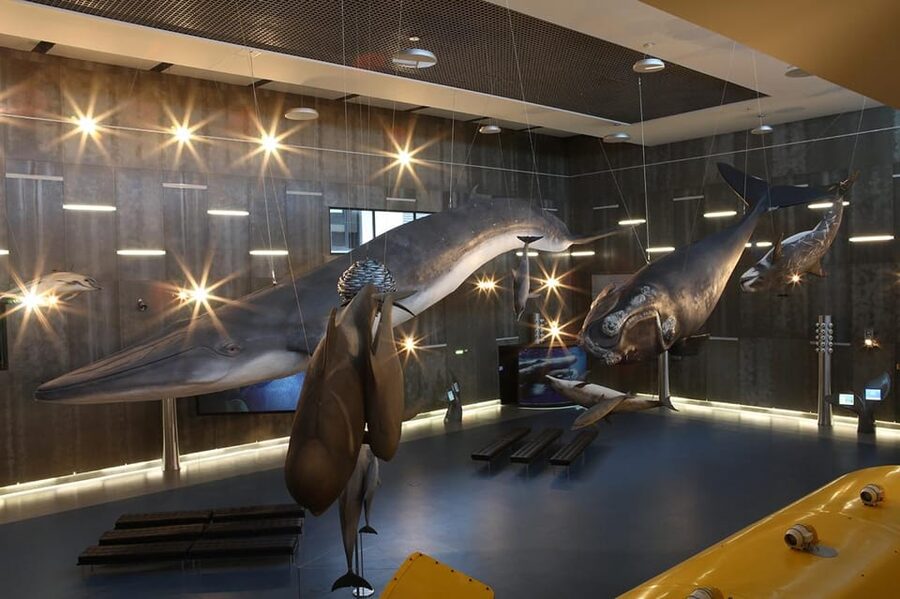
The museum opened in 1990 and moved to its present facility in September 2011. That newer building gives the displays enough room to show whales and dolphins at full scale, rather than reducing everything to small specimens and glass cases.
I find that setting useful because Madeira’s whaling story can otherwise seem distant. The objects here help bring it closer: traditional tools, written records, personal recollections, and material linked to the people who worked at sea. You get a picture of an industry that was part of daily life during the 20th century, not just a list of dates.
At the same time, the museum does not present whaling as a simple point of local pride. Its work in marine science and conservation places the older story beside today’s concern for ocean life. That balance gives you more to think about than a display focused only on boats, tools, and old photographs.
A few more whale trips around Madeira worth a look
- Reykjavik: Whales of Iceland Museum Entrance Ticket
★ 4.4 · 493 reviews - Reykjavik: Whale Watching Tour, Whales of Iceland Exhibition
★ 4.4 · 187 reviews - Reykjavik: Whale Watching Excursion & Whale Exhibition
★ 4.5 · 42 reviews
Start with the life-size whales and dolphins
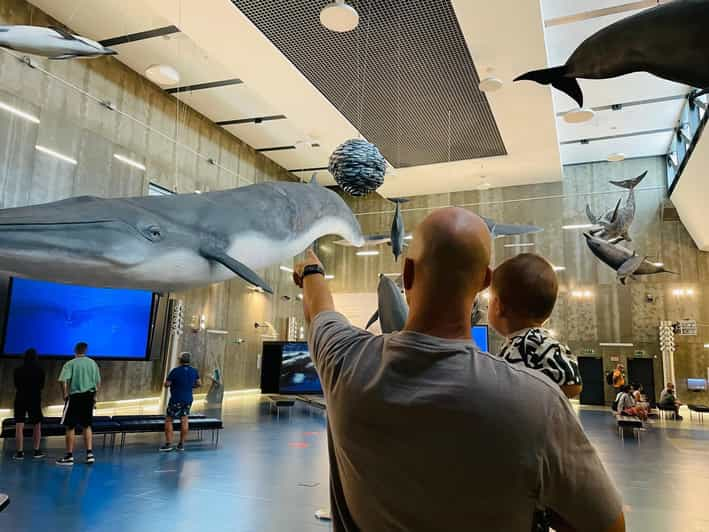
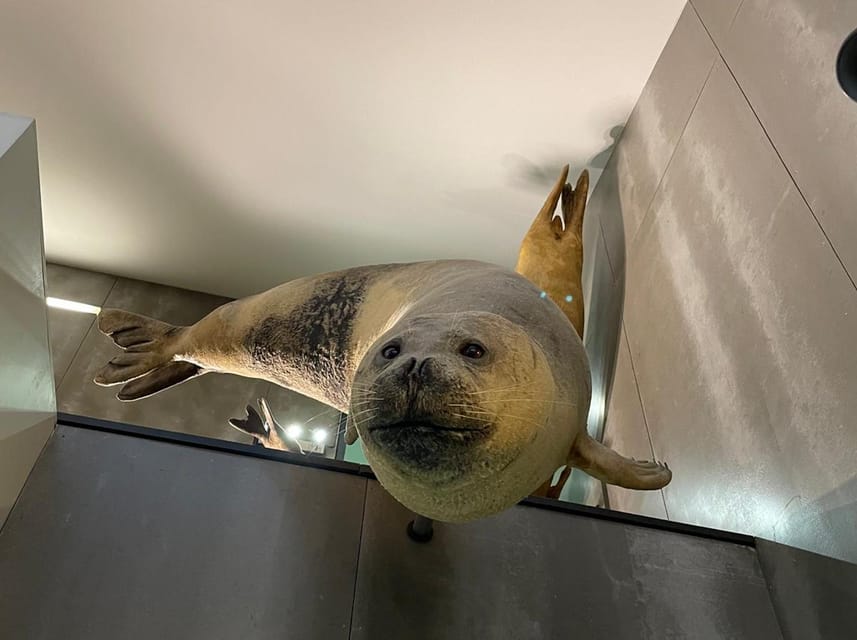
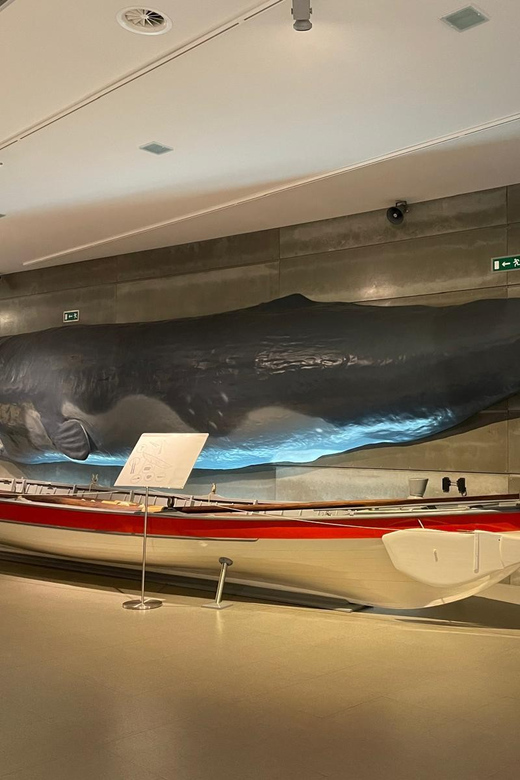
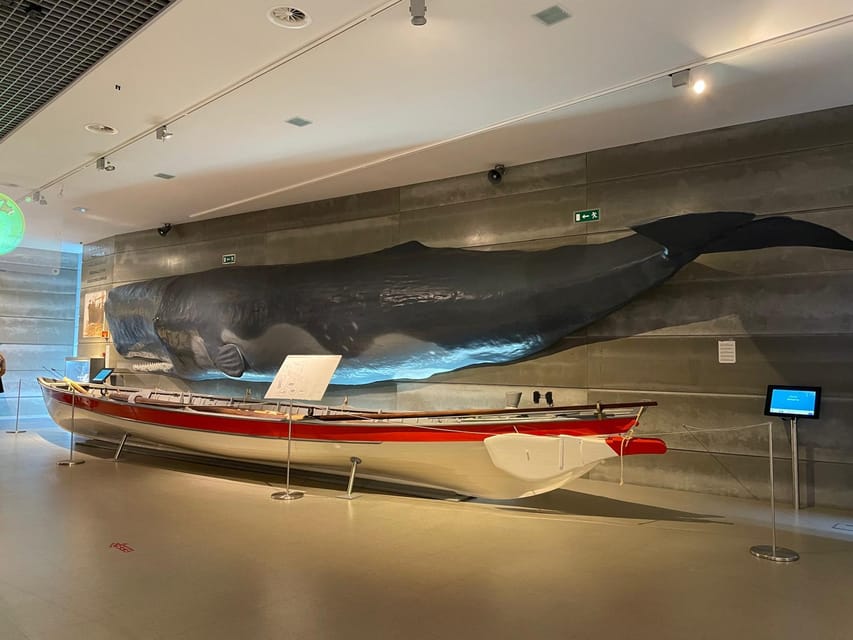
The first major visual impression comes from the models suspended through the museum halls. Seeing these animals at full scale gives you a useful physical reference. A whale can be difficult to understand from a photograph, but a model overhead lets you judge its length and bulk with your own eyes.
The dolphin models provide a different sense of scale and shape. Together, the displays help explain that the waters around Madeira support much more than the familiar image of a small coastal fishing boat.
This part should work well for families. Younger children may respond first to the size and shape of the models, while older children can connect them to the information in the displays. You can use the audio guide to add detail without forcing everyone in your group to read every panel.
The models are also one reason to allow more than a quick walk-through. If you rush past them, you will see the spectacle but miss the chance to consider how the museum uses space to explain the animals’ place in Madeira’s waters.
Follow Madeira’s whaling story through objects
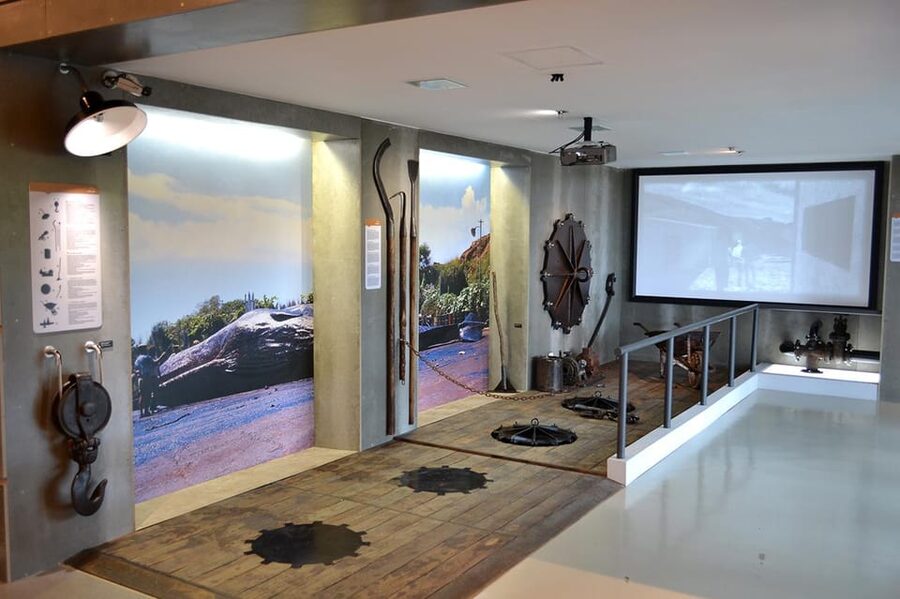
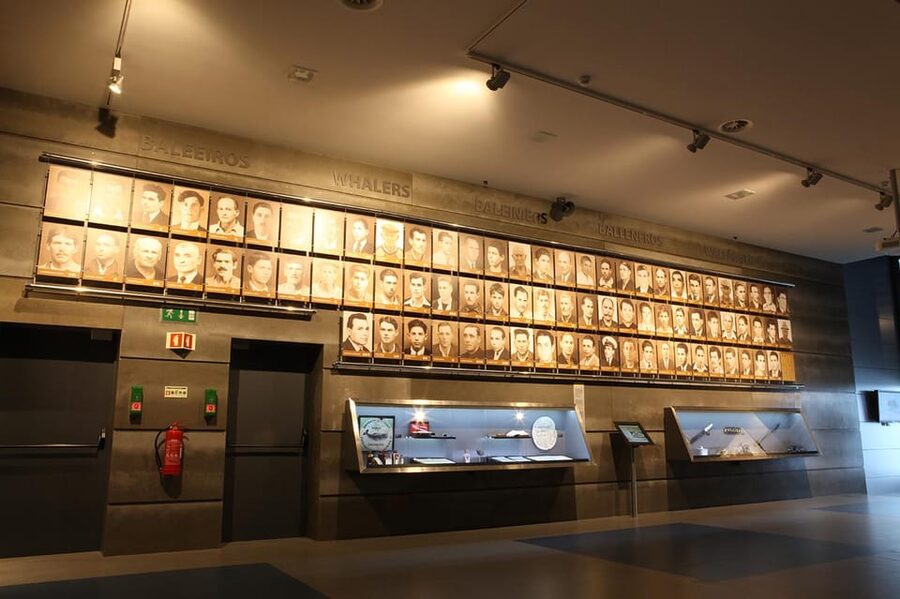
The museum’s ethnographic collection is the heart of the historical section. It includes traditional tools, personal accounts, and records connected with whaling in Madeira during the 20th century.
That material matters because it shows the work behind the industry. You are not looking only at the animals. You are also learning about the equipment, routines, and people involved in a difficult sea-based trade.
I appreciate this kind of presentation because it gives you a more honest view of local history. Whaling was woven into the economy and culture of the archipelago, yet it also involved the killing of large marine animals. The museum gives you room to understand both facts at once.
The personal recollections are especially useful. Formal records can tell you what happened, but personal material can suggest how the work affected families and communities. The supplied information does not give the names of individual people featured in these accounts, so you should expect a collection-based presentation rather than a guided meeting with a named historian.
You will likely spend the most time here if you enjoy social history, working traditions, or the story of how island communities used local resources. If your interest is limited to marine animals, the models and films may hold your attention more easily.
Watch the stereoscopic 3D films
The stereoscopic 3D films give the museum a more active section. Instead of studying a fixed model or object, you watch marine life presented through a format designed to create a stronger sense of movement and depth.
This is a good counterpoint to the historical displays. The tools and records ask you to look back, while the films return your attention to living animals and the wider ocean. I like that shift because it keeps the museum from feeling like a collection devoted only to the past.
The films may be one of the most memorable parts of the visit for children, but they also help adults picture the marine environment beyond the shoreline. The museum’s aim is not simply to explain what Madeira once did at sea. It also wants you to consider what still lives in those waters and why it needs protection.
The available information does not specify the running time or schedule of each film. Plan to view them as part of your museum visit, rather than building your day around a precise screening time.
Same water, a different way to meet the whales:
- From Funchal: Ecological Catamaran Dolphin Whale Watching
★ 4.5 · 8,204 reviews - Funchal: Dolphin and Whale Watching Catamaran Cruise
★ 4.5 · 5,697 reviews - Funchal Bay: Dolphin & Whale Watch Luxury Catamaran Cruise
★ 4.2 · 2,684 reviews - All Inclusive Whale and Dolphin Watching Luxury Tour
★ 4.9 · 2,573 reviews
See how the museum works for the future
The museum is active in scientific research and marine conservation. That role changes how you read the older displays. The institution is not only preserving a record of former whaling practices. It is also gathering and sharing information about Madeira’s marine life.
For you, this means the visit has two layers. One explains how people used the sea in the past. The other asks how people can protect it now. That connection is one of the strongest reasons to visit, especially if you want more than a standard local-history museum.
The conservation work also gives the museum a clear purpose. You leave with a better sense that whales and dolphins are part of a living environment, not just symbols or attractive models. The displays link cultural memory with present-day responsibility without requiring you to take part in a separate activity.
This is not a substitute for seeing wildlife at sea. It is a place to build context. If you are planning a marine excursion elsewhere in Madeira, the museum can help you understand what you are looking at and why the waters around the island matter.
Use the audio guide at your own speed
Your ticket includes an individual audio guide in English, French, German, Portuguese, or Spanish. That is useful for an independent visit because you do not have to follow a fixed spoken tour or stay with a group.
I would choose your language before beginning the main exhibits and then move slowly through the sections. Audio guides work best when you pause at the object or display they describe, rather than listening while hurrying from room to room.
The language choice makes the museum easier for mixed-language groups. One person can listen in English while another uses Portuguese or French. You also have more control over the amount of detail you want.
No guide names are provided, and this ticket does not describe a live guided tour. You should therefore expect a self-directed museum visit supported by recorded information.
How long the visit deserves
The ticket is valid for one day, with availability and starting times shown when you book. The visit does not include transport, a boat trip, or any additional excursion, so you can fit it around your plans in Caniçal and the wider Machico area.
The time you need depends on your interests. A quick visit could focus on the life-size models, films, and main historical displays. A slower visit would give you time to listen to the audio guide, study the ethnographic objects, and consider the research and conservation material.
Because the museum includes both visual highlights and written or recorded context, I would avoid treating it as a short photo stop. The models catch your eye quickly, but the historical value comes from staying long enough to understand the objects around them.
The one-day validity is helpful if your schedule changes. You do not need to treat the ticket as part of a tightly timed group excursion. Still, check the available starting times when making plans, since the activity information does not provide a single universal opening time.
Is the $11 ticket good value?
At $11 per person, the ticket is reasonably priced for a dedicated museum visit. You receive entry, an individual audio guide, access to a temporary exhibition, the 3D films, and the permanent displays on whaling and marine life.
The value is strongest if you care about one or more of these subjects:
- Madeira’s coastal communities
- Whaling and maritime work
- Whales, dolphins, and ocean science
- Family-friendly visual exhibits
- Conservation and the future of marine life
The price is less compelling if you want a live wildlife encounter. No museum can replace a boat trip for that, and this admission does not include one. You are paying for interpretation, objects, models, films, and research-based information.
Reduced prices are available directly on site for young students aged 7 to 12 and seniors over 65. The standard booking information gives the adult price as $11, but it does not state the reduced amount, so check locally before you arrive.
The public score provided for this activity is 4.4 out of 5 from eight ratings. That is a positive signal, though the sample is small. I would use the score as a helpful indicator, not as the main reason to book. The museum’s subject matter and location are more important factors.
Who will enjoy it most
I would recommend the museum to families, history-minded visitors, and anyone interested in Madeira beyond its scenery. The life-size animals give children an immediate reason to look around, while the tools and records give adults a stronger sense of the island’s past.
It also suits you if you want an indoor activity that does not depend on weather. The museum provides a structured way to spend time in Caniçal and can add meaning to other coastal plans.
You may find it less satisfying if you expect an entertainment attraction with constant activity. Much of the visit involves looking, listening, and reading. The films add movement, but the museum still asks you to pay attention to historical material.
It is also worth knowing that this is not a named-guide tour. If you prefer a historian leading a group and answering questions in real time, the individual audio guide may feel limited. If you prefer privacy and control, it is an advantage.
Practical details for your visit
The museum is wheelchair accessible. That makes the facility suitable for visitors who need step-free access, though the supplied information does not give further details about individual rooms or facilities.
You can cancel up to 24 hours before the visit for a full refund. You can also reserve now and pay later, which helps if you are still arranging your Madeira schedule.
The ticket is valid for one day, not for a multi-day period. Check availability for the starting time that fits your plans. Since the visit is self-guided, you can generally set your own pace once inside, but you should still allow enough time for the audio material and films.
Caniçal is in the municipality of Machico, so make sure you are planning for the correct part of Madeira. The booking information does not include transport from Funchal or another town. You will need to arrange your own way to the museum.
Should you book the Madeira Whale Museum?
Book it if you want to understand Madeira’s connection with the sea rather than simply look at coastal scenery. The life-size models and 3D films make the visit accessible, while the ethnographic collection gives it substance.
I would especially choose it for a family day, a weather-proof stop, or a visit to Caniçal that needs a clear cultural focus. The research and conservation work also give the museum relevance beyond its historical displays.
Skip it if your only goal is to see live whales and dolphins. This is a museum, not a marine safari. For $11, though, it offers a focused look at Madeira’s whaling past and the ocean life the island now works to protect.
FAQ
Where is the Madeira Whale Museum located?
The museum is in Caniçal, within the municipality of Machico on Madeira, Portugal.
How much does admission cost?
The listed price is $11 per person.
How long is the ticket valid?
The ticket is valid for one day.
Does the ticket include an audio guide?
Yes. An individual audio guide is included with admission.
Which languages are available for the audio guide?
The audio guide is available in English, French, German, Portuguese, and Spanish.
What does the museum display?
The museum presents Madeira’s 20th-century whaling history through traditional tools, personal recollections, records, life-size whale and dolphin models, stereoscopic 3D films, and temporary exhibitions.
Does the museum include a temporary exhibition?
Yes. Access to the temporary exhibition is included with the entry ticket.
Is the museum wheelchair accessible?
Yes, the museum is wheelchair accessible.
Are reduced prices available?
Yes. Young students aged 7 to 12 and seniors over 65 can access reduced prices by booking directly on site.
Just added around Madeira
- Madeira: Whale and Dolphin Watching Tour★ 4.6 · 174 reviews
- From Machico: Madeira Whale and Dolphin Watching Boat Tour★ 4.8 · 225 reviews
- Whale & Dolphin Watching in Madeira★ 5.0 · 191 reviews
- Eco-Friendly Catamaran Dolphin and Whale Watching★ 4.5 · 226 reviews
- Madeira: Whale and Dolphin Watching Private Cruise★ 4.8 · 27 reviews
- Madeira: 2.5-Hour Whale and Dolphin-Watching Cruise★ 4.7 · 198 reviews
- Calheta: Whale & dolphin watching small groups designer tour★ 5.0 · 4 reviews
- Madeira: Whale Watching Excursion in a Traditional Vessel★ 4.7 · 273 reviews
Madeira Whale Watching Tours, compared.
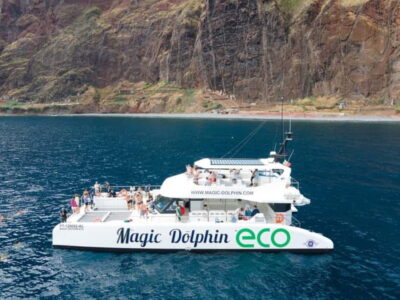
Funchal: Ecological Catamaran Dolphin Whale Watching
Read our review →
Funchal: Dolphin and Whale Watching Catamaran Cruise
Read our review →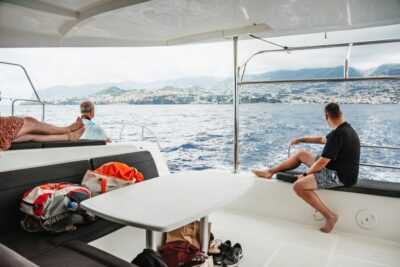
Funchal Bay: Dolphin & Whale Watch Luxury Catamaran Cruise
Read our review →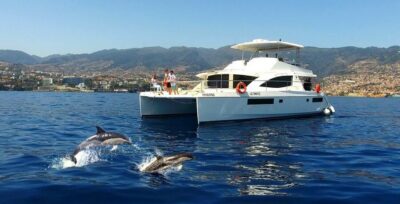
All Inclusive Whale and Dolphin Watching Luxury Tour
Read our review →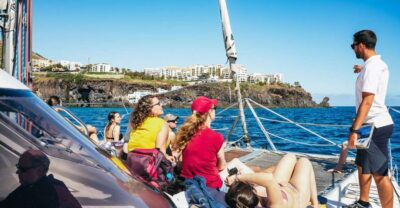
Funchal: Dolphin and Whale Watching by Luxury Catamaran
Read our review →
Funchal: Dolphin and Whale Watching Sunset Sailing Tour
Read our review →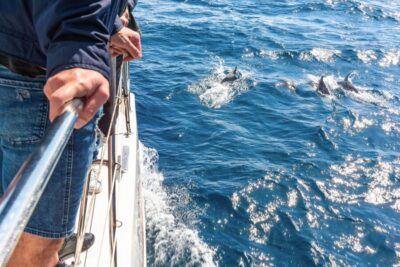
Funchal: Madeira Dolphin and Whale Watching Tour
Read our review →
Funchal: Dolphin and Whale Watching Sailing Trip
Read our review →Browse the lists this tour appears in